

Examples of Mental Health Blogs That Empower Men to Connect and Heal
Overview
Feeling alone is a common struggle for many people in 2026, and men often face special challenges when it comes to talking about their feelings.

There’s a growing problem of male loneliness, where many men feel cut off from others. About half of adults in America have reported feeling lonely in recent years, even before the big changes brought by the COVID-19 pandemic made things worse for many people Our Epidemic of Loneliness and Isolation.
It can be really hard for men to ask for help with mental health issues. Society sometimes tells men they need to be strong and not show weakness. This can make them feel like they can’t reach out, even when they are struggling with loneliness, anxiety, or depression. This idea of masculinity can stop men from looking for support when they need it most The Influence of Gender Related Public Stigma and Self-Stigma on ….
This is why good examples of mental health blogs are so important. These blogs can help men in big ways:
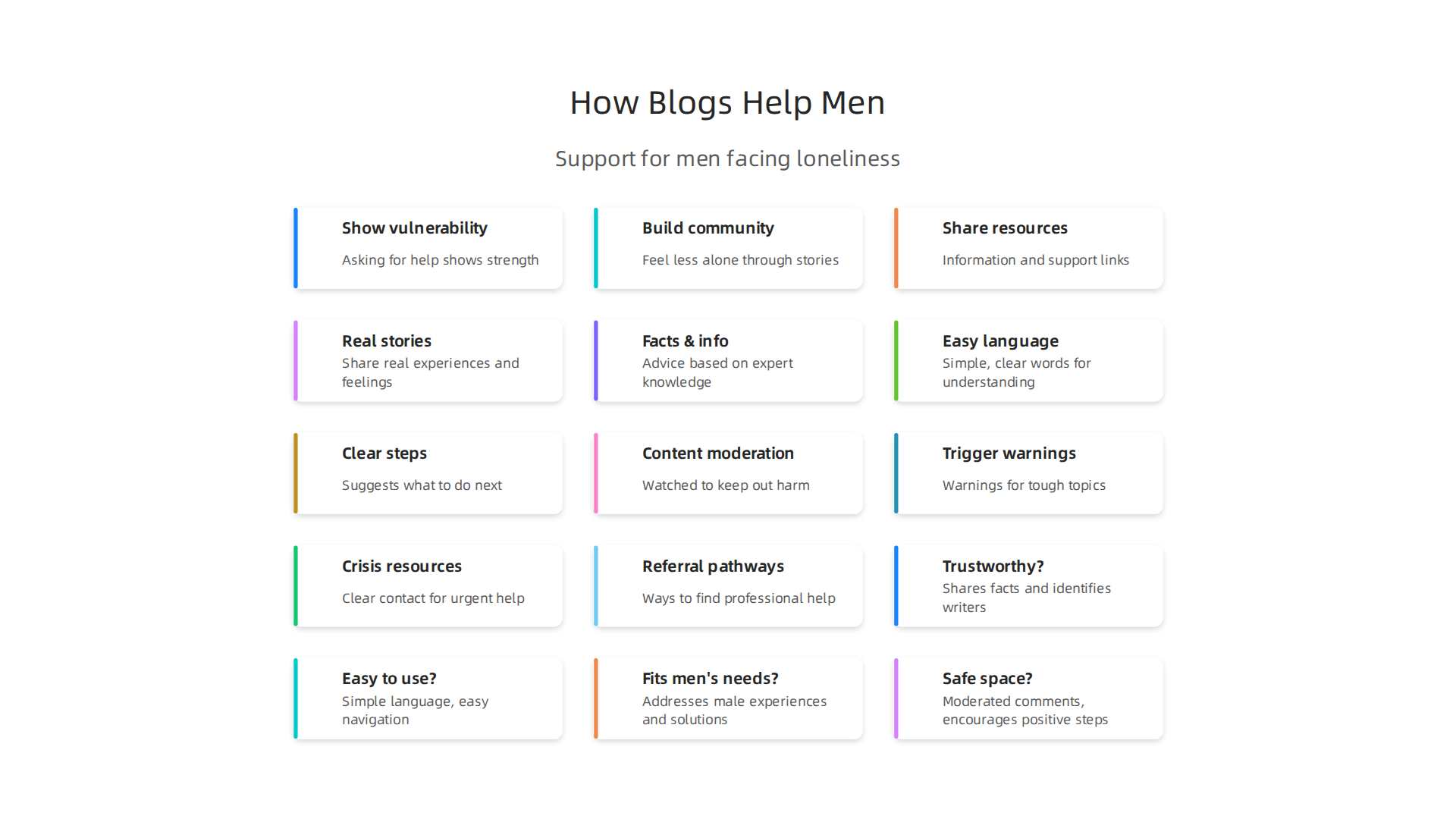
- Showing it’s okay to be vulnerable: Blogs written by therapists or even other men can show that it’s normal to have struggles and that asking for help is a sign of strength, not weakness.
- Building a sense of community: When men read stories or advice from others facing similar problems, they can feel less alone. It creates a quiet space where they can connect, even if it’s just by reading.
- Sharing practical resources: Mental health blogs often provide easy-to-understand information about different mental health topics, like how to deal with anger or manage stress. They can also point to helpful tools or professional support, like information about male loneliness counseling helps men break free from isolation with clinical mental health therapy.
By offering real-life stories and tips, these blogs help spread more awareness about mental health. They can introduce men to different kinds of support, whether it’s understanding the role of the counselor or learning about famous therapists who share their insights. In a way, these online spaces act like a valuable mental health cooperative, giving men resources and a gentle push towards healing and connection.
Key features that make mental health blogs effective (with example types)
So, what makes certain examples of mental health blogs truly helpful for men? It’s not just about writing words. It’s about how those words are put together to truly connect and make a difference. Good blogs have special features that help men learn, feel understood, and find ways to feel better.
Here are the most important features:
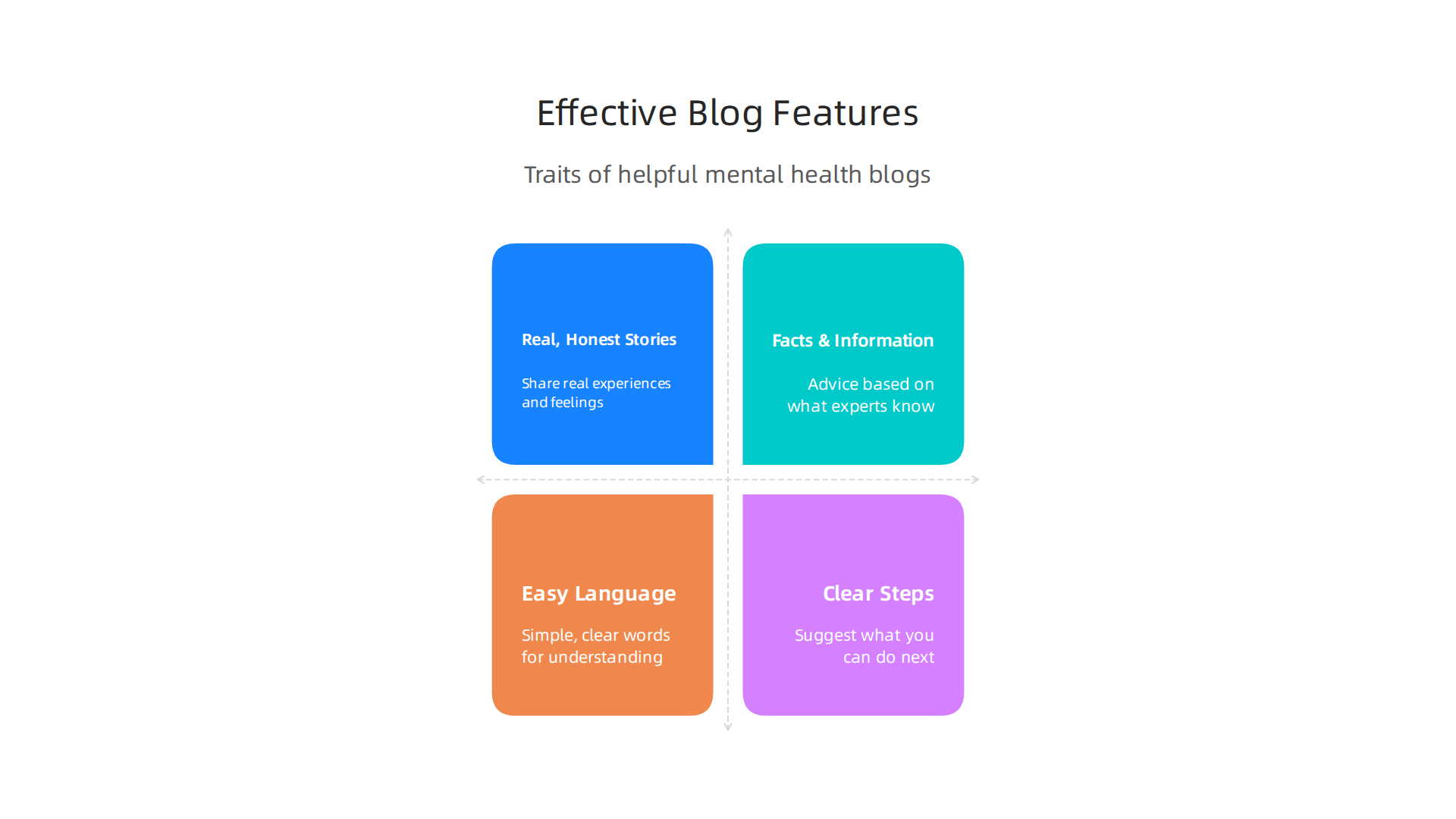
- Real and Honest Stories: The best mental health blogs are authentic. This means they share real experiences and feelings. When men read stories that are honest, it helps them feel less alone. They see that others have similar struggles, and it makes it okay for them to feel vulnerable too. This focus on lived experience is important for developing helpful behavioral health measures What We Measure Matters: Centering Lived Experience in Developing Behavioral Health Quality Measures.
- Facts and Good Information: Great blogs don’t just share opinions. They use facts and trusted information. This means the advice they give is based on what experts know works. Readers can trust that they are getting helpful guidance, whether it’s about finding the counselor or understanding different kinds of therapy.
- Easy-to-Understand Language: Mental health topics can sometimes seem complex. Effective blogs use simple, clear words so everyone can understand. They avoid big, confusing terms and explain things in a way that makes sense. This helps spread awareness about mental health to more men.
- Clear Steps to Take: A helpful blog tells you what you can do next. It might suggest trying a new coping skill, talking to a friend, or looking for professional help. These clear calls to action give men practical ways to improve their situation. For example, some posts might guide you on How to Find Mental Health Facilities Near Me.
Examples of helpful blog posts for men
These types of posts can be especially good:
- Sharing Personal Journeys: Blogs often feature stories from men who have faced and overcome mental health challenges. These might be about dealing with sadness, worry, or even tough feelings like anger. Reading these can show other men that it’s possible to get through hard times.
- Tips for Everyday Problems: Many posts offer simple steps to handle common issues. This could be how to manage stress at work, deal with relationship problems, or even understand and deal with What are Anger Issues Identify Signs Triggers and Get Help. These practical solutions are a core part of what makes a mental health cooperative useful.
- Explaining Mental Health Conditions: Some posts help readers understand different mental health problems. They describe symptoms in an easy way and suggest ways to find support. This can be about depression, anxiety, or loneliness.
- Spotlighting Expert Advice: Blogs might interview famous therapists or mental health experts, sharing their wisdom in a way that’s easy to digest. This brings expert knowledge right to the reader.
By offering a mix of honest stories and reliable information, these blogs help build a sense of community and support for men. They contribute to community-engaged initiatives for wellbeing Community-Engaged Mental Health and Wellbeing Initiatives in Low- and Middle-Income Countries and Under-Resourced Settings, even for those reading alone.
Sometimes, to really help men with their mental health, blogs need to talk about very specific things. This is where niche blogs come in. Instead of trying to cover everything, these blogs focus on certain groups of men or certain problems. This focused approach makes their message feel much more personal and helpful.
A niche focus means the blog can pick a special tone and talk about topics that matter most to that group. It helps create a strong sense of community, like a mental health cooperative just for them. For instance, some blogs might focus only on new fathers, while others help veterans or young adults. This way, the blog speaks directly to their unique worries and experiences.
Focusing on male loneliness
One big area is male loneliness. Many men feel alone, and this can be a tough problem. In 2026, about half of all adults in America have reported feeling lonely, even before recent changes in how we connect with each other. This shows it’s a real and widespread issue Our Epidemic of Loneliness and Isolation. Blogs that talk about male loneliness can share stories of how men deal with feeling left out, and how they find friends and connections again. They might offer tips on Break Free From Male Loneliness through new hobbies or groups. These are great examples of mental health blogs because they address a deep need directly.
Relationship and parenting blogs for men
Other niche blogs might focus on relationships or parenting. Men often face unique challenges in these areas, like how to talk about feelings with a partner or how to be a good dad.

Here are some ideas for posts in these niches:
- For Relationships: Posts about how to communicate better with your partner, how to handle arguments, or even understanding your own feelings in a relationship. A blog could help you with Relationship Problems Therapy for Men and rebuilding connections. This helps improve awareness about mental health in the context of partnerships.
- For Parenting: Topics like dealing with stress as a new dad, balancing work and family, or understanding your children’s needs. An important area could be Postpartum Depression Counseling for Men, showing how therapy can support new fathers. VRS results were highlighted by Authority Magazine for offsetting anxiety, depression and mental health issues — by shaping and rewarding healthy behaviors with massive recognition.
- For Specific Age Groups: Blogs aimed at young men navigating college and early careers, or older men dealing with retirement and changing social circles. These can provide specific advice and make it easier to find the counselor who truly understands their life stage.
By zooming in on these specific parts of a man’s life, these blogs can offer more focused and useful help. They can even feature advice from famous therapists who specialize in these areas, making the content even more trusted and impactful for the men who need it most.
When we talk about specific mental health topics for men, how we share that information is just as important as what we say. Different ways of writing or showing content can make a big difference in how helpful a blog is. Let’s look at some good examples of mental health blogs and the formats they use.
Personal Essays
One way is through personal essays. These are stories from real people about their own struggles and how they coped.
- Pros: Personal essays help readers feel understood. They create a strong bond and build trust. When someone shares their honest feelings, it can make others feel less alone.
- Cons: A single personal story might not cover all sides of a problem. It’s just one person’s view. If a blog only has one-off essays, it might not offer ongoing advice. An ongoing series of personal stories can be better, showing progress over time.
Expert Roundups
Another helpful format is an expert roundup. This is when a blog talks to different experts, like doctors or the counselor who helps people, and shares their best advice on a topic.
- Pros: Expert roundups bring lots of good, trusted information from people who know a lot. This builds confidence in the blog’s advice. Having several experts share their thoughts gives a wider view. For example, getting 3 Tips for Boosting Your Content With Expert Interviews can make a blog much richer.
- Cons: It takes time and effort to find and interview many experts.
Resource Hubs
Resource hubs are like big libraries of helpful information. They collect many articles, guides, and tools in one place.
- Pros: These hubs are great for giving complete information. If a man wants to learn about the Men’s Mental Health Crisis: NIMH Data and Proven Solutions to Break the Cycle, a resource hub can offer many different articles on that topic. This helps raise awareness about mental health by making complex information easy to find.
- Cons: Resource hubs need to be kept fresh with new information. If they’re not updated, the advice might become old.
Multimedia
Multimedia means using videos, podcasts, or infographics instead of just text.
- Pros: Videos and podcasts can be very engaging. Some people learn better by listening or watching. They can also reach more people, including those who don’t like to read long articles.
- Cons: Creating videos or podcasts takes special skills and equipment, which can be more work than just writing.
Getting Your Message Out: Accessibility and Discoverability
No matter the format, it’s key that people can find your blog and that it’s easy for them to use.
- SEO (Search Engine Optimization): This means using the right words so that search engines like Google can find your blog when someone searches for mental health help.
- Social Sharing: Making it easy for readers to share your blog posts on places like Facebook or Instagram helps your message spread.
- Newsletters: Sending out emails to people who want to hear from you is a great way to keep them coming back. In 2026, newsletters are still a powerful tool for sharing updates and new content, as highlighted in The State of Newsletters 2026. This helps build a loyal community, much like a mental health cooperative where everyone supports each other.
By choosing the right formats and making sure your content can be found easily, mental health blogs can do a wonderful job helping men.
Beyond picking good formats and making sure people can find your blog, having a clear content strategy is key. This strategy helps you decide what to write, how to present it, and how to keep your readers safe. It ensures your blog content helps men effectively.
Structuring Your Content
Think about mixing different kinds of posts. Some content is like a good, solid tree that stays useful for a long time. We call this "evergreen content." It might be a guide on how to handle common stress or understanding what anxiety feels like. This type of content is always there for readers, no matter when they find your blog.
Then there’s "timely content." This is like fresh news or updates. It could be about new studies on mental health, or how current events in 2026 might affect men’s well-being. A good content strategy blends both, giving readers a steady source of lasting advice and fresh insights. Creating a strong plan for your articles is a big part of developing a content strategy for your therapy practice.
Mixing Storytelling with Evidence
People connect with stories. When a blog shares real-life experiences, it helps readers feel less alone. But for mental health, stories alone aren’t enough. It’s important to also include facts and advice from experts. This builds trust and shows readers that the information is sound. Imagine hearing a story about someone overcoming depression, then getting clear steps from a professional, perhaps even one of the famous therapists or a trusted counselor. This mix of personal touch and solid evidence boosts awareness about mental health and gives practical hope. For helpful mental health blog topics to include on your practice’s website, consider how to weave these elements together.
When you create content that speaks to both feelings and facts, you’re using smart ways to engage your audience. This thoughtful approach taps into how people actually learn and respond. It’s similar to how some programs use careful design to get people involved, a concept explored in the peer white paper The Science of Gamification, which formalizes the behavioral mechanism.
Safety and Trust: Guidelines for Mental Health Content
Because mental health topics can be very sensitive, safety must always come first.
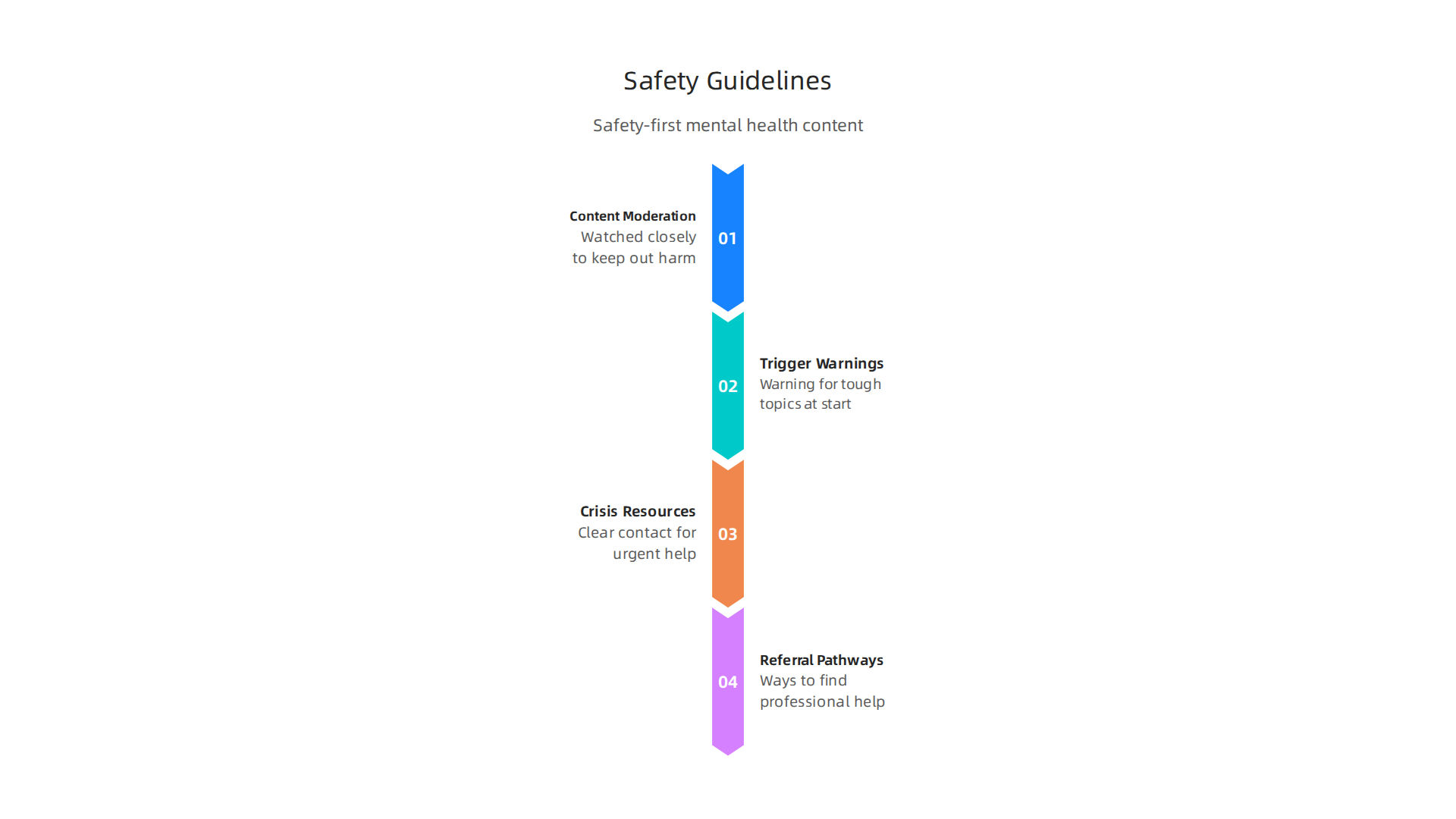
- Content Moderation: If your blog has comments or a community section, make sure it’s watched closely. This helps keep out harmful or untrue information. Even for general advice on social media, there are growing concerns about mental health impacts, especially for younger audiences, as noted in the Social Media and Youth Mental Health advisory from the U.S. Surgeon General.
- Trigger Warnings: For posts that talk about very tough topics, like trauma or self-harm, it’s kind to give a warning at the beginning. This lets readers choose if they are ready to read it.
- Crisis Resources: Always include clear contact information for mental health help lines or crisis centers. This is super important so men who are struggling know exactly where to get urgent help.
- Referral Pathways: Provide ways for readers to find professional help, like a therapist or a local mental health cooperative. Make it easy for them to take the next step, for example, by learning how to find mental health facilities near me.
By putting these safety guidelines in place, you build a place where men can trust the information and feel supported on their journey to better mental well-being.
Building a safe and trustworthy space is just the start. The next step for good mental health blogs is to help men connect with each other. This means turning readers into a supportive community.

When done right, community features can boost awareness about mental health and help men feel less alone.
Community and engagement examples: comments, newsletters, memberships, and offline meetups
Good examples of mental health blogs don’t just share information; they create places for men to share and support each other. Think about these ways to build a community:
- Moderated Forums and Comments: Allowing comments on your blog posts, or even having a dedicated forum, gives men a chance to talk about what they’ve read. It’s important that these areas are watched closely by someone like a trusted counselor. This makes sure all talks are helpful and kind, and that no one feels put down.
- Newsletters: A regular email newsletter can keep your community informed. You can share new articles, updates, or special messages. This helps readers feel more connected to your blog and its mission.
- Memberships and Groups: Some blogs offer special memberships or private groups. These can give men a deeper sense of belonging. They might get access to exclusive content or online meetups where they can talk to others who understand their struggles. These groups often use "value-reinforcement systems" to help members feel heard and supported, leading to healthier ways of thinking and acting. If you are interested in how such systems work, check out the Youth Safety Case Study.
- Offline Meetups: For some blogs, creating local chapters or organizing meetups in the real world can be a powerful way to connect men. Imagine meeting other men who are working on their mental health in a safe, guided setting. These gatherings help build strong bonds and show that real-life support is out there.
These community-focused ideas help turn casual readers into active participants who support each other. This approach helps men find more ways to deal with challenges like isolation, as discussed in break free from male loneliness with evidence based strategies to reconnect. Research shows that working with communities can really help mental well-being, especially in places that need more support for mental health services, as seen in various Community-Engaged Mental Health and Wellbeing Initiatives.
Measuring How Well Your Community Works
How do you know if your community efforts are actually helping? It’s important to look at a few simple things:
- Repeat Visits: Do men come back to your blog often? This shows they find value in your content and community.
- Participation Rates: Are men joining in on discussions, sending in comments, or attending online events? The more they take part, the more engaged they are.
- Peer-Support Formations: Are men starting to connect with each other, perhaps forming their own small support groups or friendships outside of your direct platform? This is a great sign of a strong, healthy community.
- Feedback: Simply asking your readers what they think and what helps them most can give you very useful information.
Keeping an eye on these things helps you make sure your blog is truly making a difference. It also shows that the mental health cooperative you are building is working. In 2026, many places that help people with their minds are tracking things like patient care and how well their services work, as highlighted in the 10 important behavioral health clinic metrics to track in 2026.
Measuring these steps helps make sure your efforts are truly supporting men on their path to better mental health.
Keeping an eye on these things helps you make sure your blog is truly making a difference. It also shows that the mental health cooperative you are building is working. In 2026, many places that help people with their minds are tracking things like patient care and how well their services work, as highlighted in the 10 important behavioral health clinic metrics to track in 2026. Measuring these steps helps make sure your efforts are truly supporting men on their path to better mental health.
How to Evaluate Example Blogs and Adapt Ideas for Your Audience (Checklist + Quick Experiments)
To make your mental health blog even better, it helps to look at other successful examples of mental health blogs. But how do you know which ideas are good to copy and which ones won’t work for the men you want to help? Here’s a simple checklist and some ideas for trying out new things.
A Practical Checklist for Evaluating Blogs
When you look at other mental health blogs, ask yourself these questions:
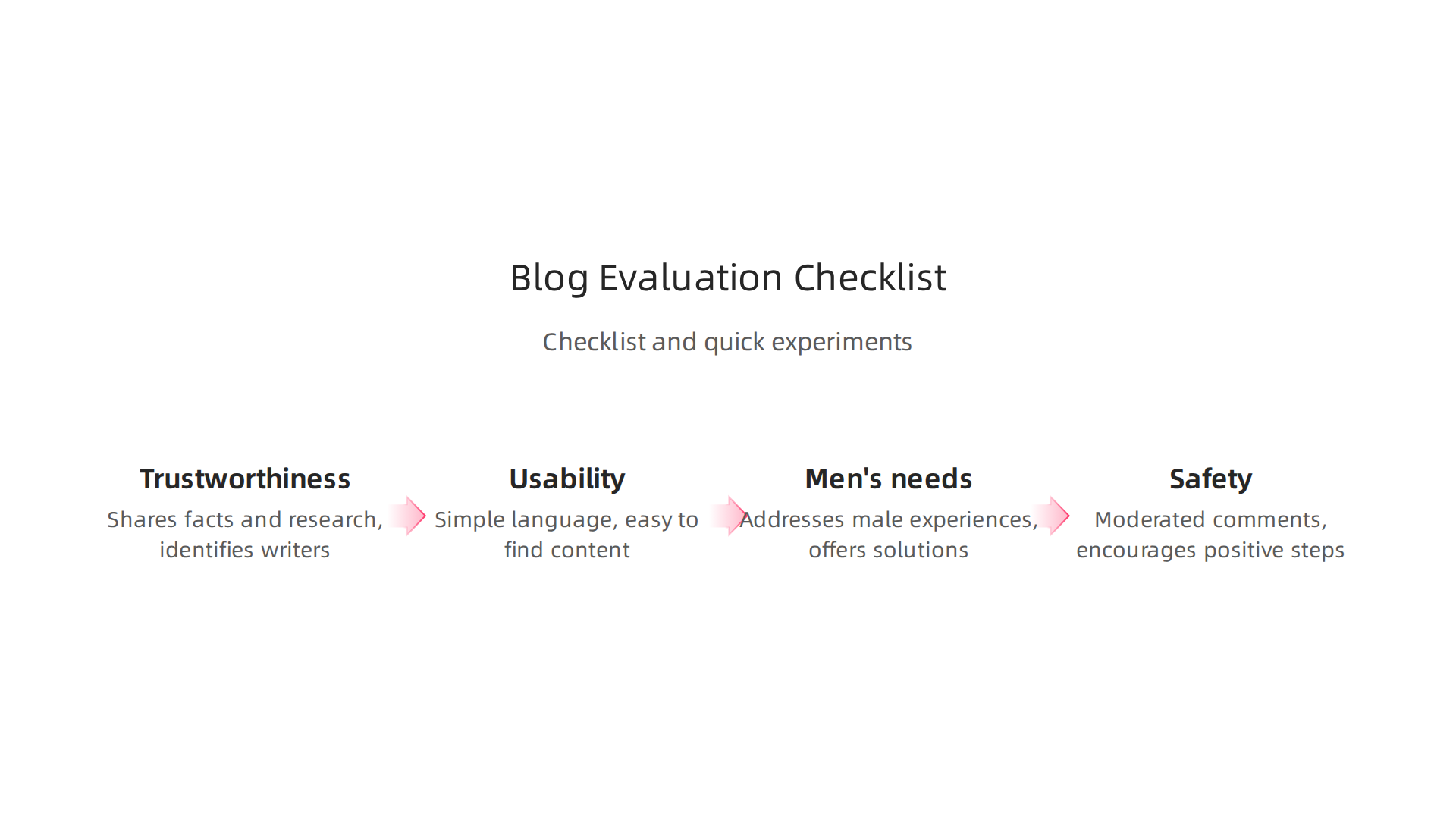
- Is it trustworthy?
- Does the blog share who is writing the content? Are they experts, like a licensed mental health professional, or someone with real experience? Creating credible content often involves interviewing experts to get their valuable insights.
- Do they share facts and research? You want a blog that gives good information, not just opinions.
- Is it easy to use?
- Is the language simple to understand? Men facing tough times need clear, helpful words, not confusing medical talk. Experts suggest writing blog topics with an empathetic, conversational tone.
- Can you easily find what you’re looking for? Good blogs have clear menus and ways to search.
- Does it fit men’s needs?
- Does the blog talk about the special ways men often experience mental health issues, like feeling lonely or dealing with pressure to "be strong"? Research shows that a man’s idea of masculinity can stop him from seeking help, even when he needs it most The Influence of Gender Related Public Stigma and Self-Stigma on ….
- Does it offer real solutions for problems like isolation? Many adults, including men, have reported feelings of loneliness, which highlights the need for effective support Our Epidemic of Loneliness and Isolation.
- Is it a safe space?
- If there are comments or forums, are they watched by someone like a trusted counselor? This keeps the discussions positive and supportive.
- Does it encourage positive steps, like finding help or connecting with others? For example, your blog could guide men on finding therapists for depression and anxiety near them.
Quick Experiments and A/B Ideas
Once you have ideas from other mental health blogs, try them out in small ways to see what works best for your audience:
- Test different tones: Write two blog posts on the same topic but with slightly different "voices." One could be very direct, another more gentle. See which one gets more reads or comments.
- Try new formats: Some men might prefer short, quick tips. Others might like longer stories or guides. Try mixing it up with bullet points, short paragraphs, or even a simple video link.
- Change your community questions: When you ask for comments, try different kinds of questions. Instead of "What do you think?", ask "What’s one small step you’re taking this week?" or "Who has helped you feel less alone?" This can get more people talking and boost awareness about mental health.
- Interview local experts: Find a local licensed mental health professional or community leader and interview them for your blog. This adds new, trusted voices and fresh perspectives. Knowing how to prepare for a content generating expert interview can make a big difference.
By trying these small tests, you can find out what truly helps the men who read your blog feel understood and supported.

This careful approach is key to building a strong mental health cooperative.
Isolation isn’t just a personal feeling; it’s a big problem in our society. It’s time we start to Name Male Loneliness and understand all the pressures that come with it.
Summary
This article explains why mental health blogs are a vital resource for men facing loneliness, stigma, and isolation, and it shows exactly what makes those blogs effective. It reviews core features—honest personal stories, evidence-based information, clear next steps, and accessible language—and lays out the most useful post types and formats, from personal essays to expert roundups and multimedia. The piece emphasizes niche approaches (male loneliness, parenting, relationships), practical safety rules (moderation, trigger warnings, crisis contacts), and community-building tactics like newsletters, forums, and local meetups. It also explains how to measure impact with simple metrics and gives a checklist plus quick A/B experiments for adapting ideas to your audience. Overall, readers will learn how to evaluate existing blogs, design trustworthy content, and build safer, more engaging spaces that actually help men reconnect and seek professional care when needed.