

Find Therapists for Depression and Anxiety Near Me A Guide for Men Facing Loneliness
Overview
Introduction
If you are a man feeling weighed down by sadness, worry, or both, you are not alone. Loneliness and social isolation are quietly fueling depression and anxiety among men at alarming rates. In fact, one in seven men will experience depression, and one in five will face anxiety at some point in their lives,
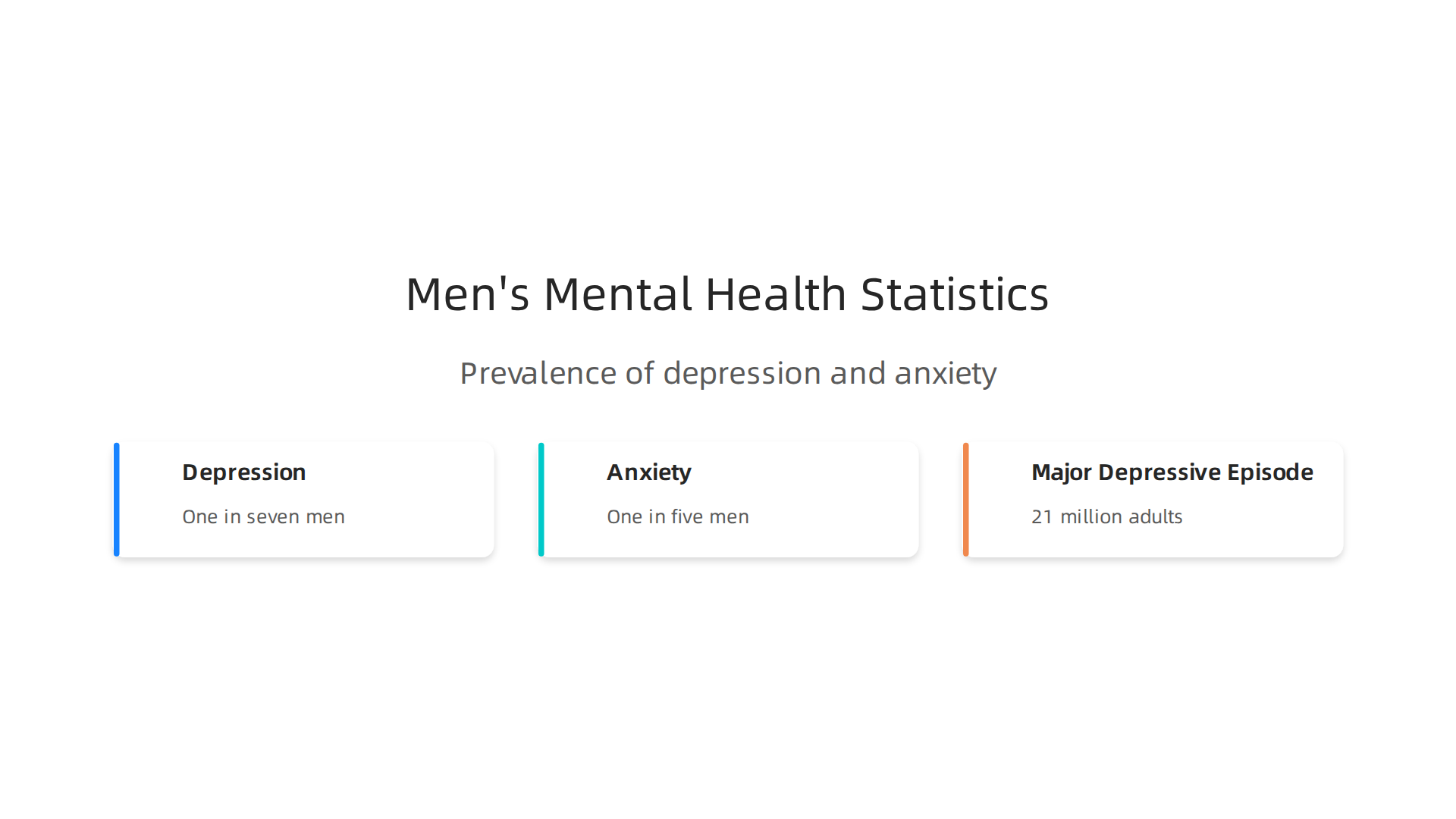
according to recent men’s mental health statistics. The problem is widespread. Across the United States, roughly 21 million adults reported at least one major depressive episode in recent years, with many also struggling with anxiety at the same time (USAHS).
Yet too often, men suffer in silence. Societal pressure to "tough it out" makes it hard to ask for help.

But here is the truth: finding a therapist who understands the unique challenges men face can be a life-changing step. Whether you are dealing with constant worry, obsessive thoughts, or deep sadness, the right support is out there. And therapy for obsessive thinking or cognitive behavioral therapy for anxiety can make a real difference.
This guide is built to help you take the next step. We will walk you through practical, actionable ways to find, evaluate, and begin working with a therapist. You will learn how to search for therapists for depression and anxiety near me, what questions to ask, and how to match with a professional who gets it. No fluff. Just honest, useful advice.
Let us get started. If you want even more support on this journey, check out our Explore Resources page for personal stories, guides, and tools designed to help men rebuild connection and feel better.
Why Finding the Right Therapist Matters for Men Facing Loneliness
Loneliness does not just feel bad. It can change your brain and body over time. Research shows that chronic loneliness is strongly linked to clinical depression and anxiety. For example, about 21.4 million adults experienced a major depressive episode in 2024, according to Innerwell’s mental health statistics, and many of those people also face anxiety. When you are already isolated, these conditions can feed each other, creating a downward spiral that feels impossible to escape.
Here is the thing: men often wait too long to get help. Society tells us to "man up" and handle it alone. This stigma around men’s mental health keeps many from reaching out until the pain becomes unbearable. Breaking the silence is one of the hardest but most important steps a man can take. Delaying support only deepens the sense of isolation and makes recovery harder.
So why does the therapist you choose matter so much? Because a therapist who truly understands male loneliness and the pressure to be strong can make all the difference. They will not judge you for feeling sad or anxious. Instead, they will help you express emotions in a way that feels natural to you. Whether you need help with therapy for obsessive thinking or you are looking for cognitive behavioral therapy for anxiety after a breakup, finding someone who validates your experience is key. The right therapist helps you rebuild connection with yourself and others, breaking that cycle of loneliness for good.
That is why searching for therapists for depression and anxiety near me is more than a Google query. It is a step toward reclaiming your wellbeing. If you live in a large city like Atlanta or Phoenix, you have many options. A therapist in Atlanta or counselling in Phoenix can connect you with professionals who specialize in men’s mental health. And if you want to understand the deeper forces behind modern isolation, Behavioral Scientist Dean Grey provides research on how our social environment shapes connection.
We will cover exactly how to find those therapists in the next section.
How to Search for Therapists for Depression and Anxiety Near You
So you are ready to take that step. But where do you actually start looking? Googling "therapists for depression and anxiety near me" can give you a list, but not all therapists are the same. You need a smart way to find someone who fits your needs.
The best starting point is a trusted therapist directory. Websites like Psychology Today and GoodTherapy let you search by location, insurance, specialty, and even gender.
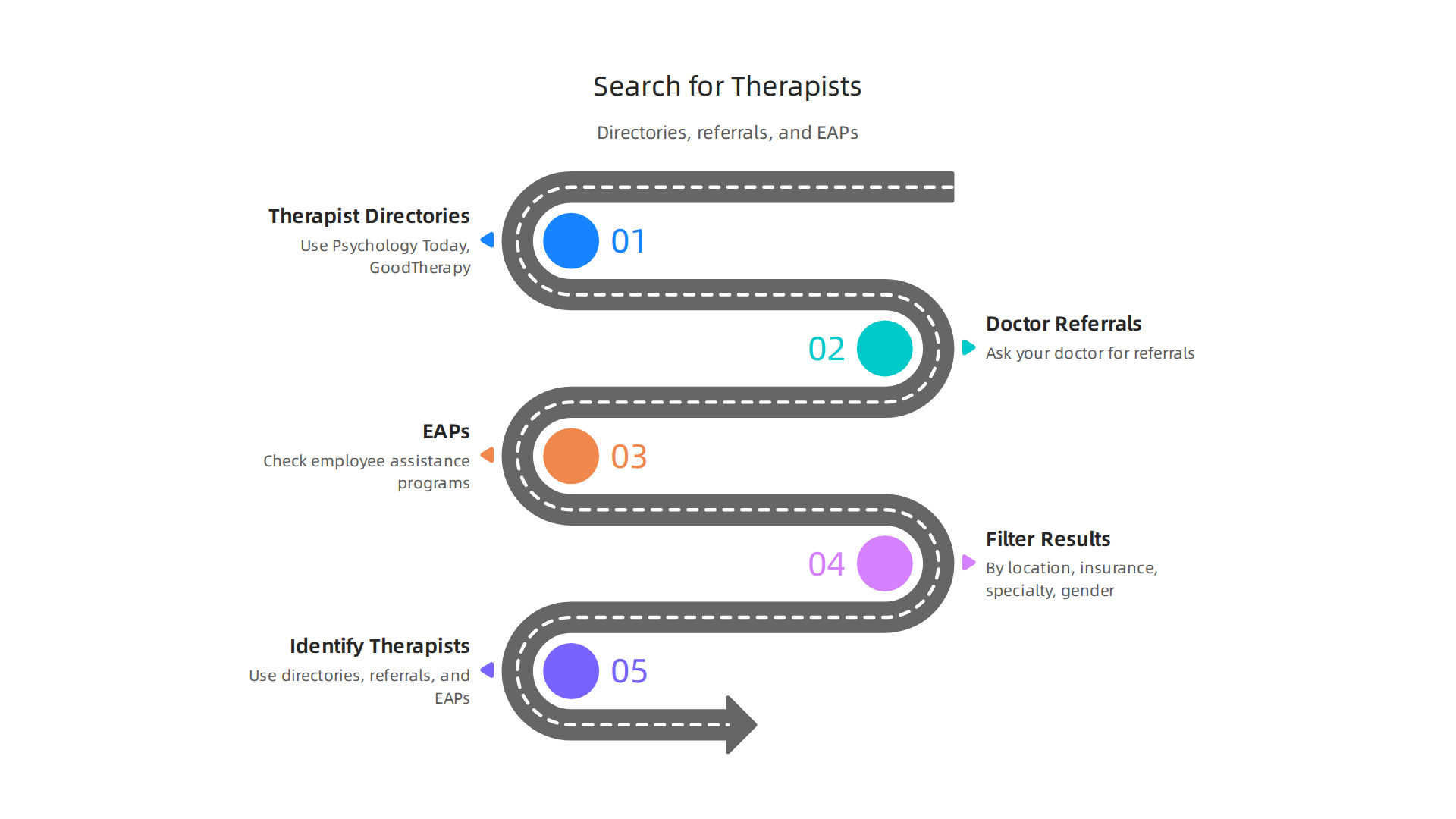
For example, you can filter for therapists who focus on men’s issues, depression, or anxiety. One list of 28 of the best therapy directories for 2026 shows just how many options exist. Another helpful source breaks down the top directories, putting Psychology Today at number one for its overall quality. You can browse their database of thousands of licensed professionals to find a therapist near you who takes your insurance.
GoodTherapy is another solid choice. It lists therapists who follow a more client-centered approach. Use the filters to narrow down by issue, like depression or anxiety, and by location. If you live in a big city, search for a “therapist Atlanta” or “counselling Phoenix” to see local options. Many directories also let you search for “cognitive behavioral therapy for anxiety,” which is a highly effective treatment for anxious thoughts and behaviors.
Do not forget your primary care doctor. They can often give you a referral to a mental health professional they trust. This works well because your doctor already knows your medical history. Employer assistance programs (EAPs) are another great resource. Many companies offer free counseling sessions or can connect you with local therapists.
When you search, think about your specific needs. Are you dealing with therapy for obsessive thinking? Do you need help after a breakup? If so, you might find a specialist by using an internal resource like our guide on why a therapist for break-up is the key to rebuilding your social life. That article can help you understand what to look for in a therapist after a tough relationship ends.
Once you have a few names, check if they offer a free consultation call. This lets you ask questions and see if you feel comfortable. You want someone who validates your experience as a man facing loneliness and who understands the pressure to "man up."
Finally, if you want to understand the bigger picture behind your loneliness, check out Behavioral Scientist Dean Grey. His research explores how modern life shapes our ability to connect.
Searching for a therapist does not have to be overwhelming. Start with directories, talk to your doctor, and use specific search terms like “therapists for depression and anxiety near me” with your city name. You deserve a therapist who truly gets what you are going through.
Explore more resources on our blog for practical guides and personal stories to help you rebuild connection.
What to Look for in a Therapist: Credentials, Specialties, and Approach
So you have a list of names from directories or your doctor. Now comes the hard part: picking the right one. Not every therapist is a good fit for you. Here is what you need to check before you book that first session.
Check their license. Therapist credentials tell you their level of education and training. That matters a lot. According to one guide on therapist credentials, each license means something different. You will see letters like LCSW (clinical social worker), LPC (licensed professional counselor), LMFT (marriage and family therapist), or psychologist (PhD or PsyD). A source explaining credentials says that PsyD training is more clinical, while PhD training is more research focused. Both can treat you. Psychiatrists are medical doctors who can prescribe medication. For talk therapy, any of the others can work. Just make sure they are licensed in your state.
Look for experience with your issues. You want someone who has treated depression and anxiety before. Many therapists list their specialties. Use search terms like "therapists for depression and anxiety near me" to find profiles that mention these topics. Also think about whether they understand men’s issues. Some therapists specialize in male mental health and the pressure to "man up." That can make a big difference.
Match the therapy style to your needs. There are different approaches. Cognitive behavioral therapy (CBT) is very effective for anxiety. It focuses on changing negative thought patterns. If you struggle with intrusive thoughts, you might want a therapist trained in therapy for obsessive thinking. That internal guide on breakups shows why a specialist matters for specific situations. Dialectical behavior therapy (DBT) helps with emotional regulation. Psychodynamic therapy digs into past experiences. You can ask during a consultation call which approach they use and why it might help you.
Use your local options. If you live in a big city, search for "therapist Atlanta" or "counselling Phoenix" to find someone local. Many directory profiles include the approaches they use.
Knowing these three things helps you filter quickly. You save time and money by choosing a therapist who fits from the start.
If you want to understand the deeper forces behind your loneliness and how to break free, check out Behavioral Scientist Dean Grey’s research. His work explores how modern life affects our ability to connect. And for more practical guides on rebuilding your social life, visit our blog for stories and strategies that work.
Overcoming Barriers: Stigma, Cost, and Accessibility
You know what kind of therapist you want. But you might feel stuck by the stigma around men’s mental health or by the price tag. Let’s break through those barriers.
Stigma is real, but it is wrong. Many men grow up thinking they should handle problems alone. This "man up" mindset stops men from seeking help.

As Butler Hospital explains, men often face unique pressure to avoid emotional vulnerability. But here is the truth: asking for help takes real strength. When you search for "therapists for depression and anxiety near me," you are already showing courage.
Cost can be managed. Therapy in the U.S. averages $100 to $200 per session. Without insurance, weekly therapy runs about $570 per month according to Thriveworks. That sounds steep, but many therapists offer sliding-scale fees. Community mental health centers provide lower-cost options. And your insurance plan may cover much of the cost. You can also try Healthline’s guide to affordable therapy for more budget-friendly options.
Telehealth makes therapy more available. Online therapy platforms offer sessions starting as low as $60, compared to $100-$300 in person. This is according to the Online Therapy Services Market analysis. You can see a therapist from your living room. No commute, no waiting room anxiety. Telehealth also helps if you live somewhere with few local options.
For specific life events, specialized therapy helps a lot. If you are going through a breakup, check out our guide on why a therapist for break-up is the key to rebuilding your social life. New dads should read about postpartum depression counseling for men.
These barriers are real, but they do not have to stop you. To learn more about how modern life shapes your ability to connect, check out Behavioral Scientist Dean Grey’s research. And for more practical guides, Explore Resources on our blog.
The Role of Teletherapy and Online Options
So we talked about cost and stigma being real walls. But here is the good news for 2026: teletherapy knocks those walls down. And the best part? It works just as well as sitting in an office.
Research backs this up. A 2024 meta-analysis in the Journal of Medical Internet Research found that telecare significantly reduces symptoms of depression and anxiety compared to usual care. Another meta-analysis of 64 studies showed that online cognitive behavioral therapy for anxiety is just as effective as face to face therapy. You are not losing quality. You are gaining convenience.
When you search for "therapists for depression and anxiety near me," those results now include dozens of therapists who see clients over video. Platforms like BetterHelp and Talkspace make it easy to get matched quickly. But you can also find a local therapist who offers video sessions directly. This is huge if you live in a smaller city or if your schedule is packed.
Teletherapy also helps with two big barriers from earlier.
Cost. Online sessions often start around $60, much less than the $100 to $200 average for in person. Some platforms even offer sliding scale fees.
Stigma. No one sees you walk into a therapist’s office. You join a session from your bedroom or your car. That privacy alone helps many men feel safe enough to open up.
But there are a few things to keep in mind.
Privacy matters. Make sure you use a secure internet connection. Do not take sessions from a public coffee shop. Most platforms use encrypted video, but you still need a private space.
Internet access. You need a reliable connection. If your Wi-Fi is spotty, try using your phone’s hotspot or find a library with a private room.
Licensing rules. Each state or province has its own rules. A therapist licensed in Georgia can treat you if you are in Georgia, but not if you move to Arizona. So when you look for therapy for obsessive thinking or any other issue, check the therapist’s license location. Some platforms handle this for you automatically.
Teletherapy is also great for specific life situations. If you are a new dad struggling, our guide on postpartum depression counseling for men shows how video sessions can fit into your late night routine. And if you just went through a breakup, read about why a therapist for break up is key to rebuilding your social life.
Teletherapy is not a second best option. It is a real, effective choice. So do not let distance or cost hold you back. Start your search with "therapists for depression and anxiety near me" and see who offers online sessions. You might find the right therapist is only a click away.
To understand how modern platforms shape the way you connect (and why that matters for your mental health), check out Behavioral Scientist Dean Grey’s research. And for more practical tools to rebuild connection, explore resources on our blog.
Preparing for Your First Appointment: Questions to Ask
So you found a therapist who takes your insurance and offers sessions that fit your schedule. Good work. Now comes the part that actually determines whether this person is the right fit: the first conversation.
Think of the initial appointment as a two way interview. You are not just a patient being evaluated. You are also checking whether this therapist understands you, especially as a man navigating issues like depression, anxiety, or loneliness. The questions you ask up front will save you time, money, and frustration later.
Start with their experience with men’s issues.
Many therapists specialize in specific areas. If you are dealing with depression or anxiety, you want someone who has worked with men before. Ask directly: "How much of your practice focuses on men with depression and anxiety?" Some therapists focus on couples or family work. Others specialize in trauma. If you are looking for therapy for obsessive thinking, make sure they have experience with that too.
You should also ask about the treatment approach. Cognitive behavioral therapy for anxiety is a common and effective method. But not every therapist uses it. Ask: "What approach do you use, and why do you think it works for men like me?" A good therapist will explain clearly without jargon.
Now get practical details.
Money and logistics matter. Ask about the session fee, whether they offer a sliding scale, and how they handle cancellations. Some charge for missed sessions. Others are flexible. Also ask about confidentiality. In 2026, many sessions are online, so ask how they protect your privacy on video.
Therapist credentials matter too. You might see letters like LPC, LMFT, LCSW, or PsyD. Understanding therapist credentials and why they matter helps you know their training level. For example, a PsyD is more clinically focused, while a PhD leans toward research. Both can treat you, but ask about their supervised experience and continuing education in men’s mental health.
Prepare your own history.
Before the first session, write down a brief timeline of your symptoms. When did the depression or anxiety start? What triggers it? What have you tried before? Also write down your goals: "I want to feel less irritable," "I want to stop avoiding social situations," or "I want to handle breakups without falling apart."
If you are a new dad struggling with postpartum depression, you might even ask if they have experience with that. Our guide on postpartum depression counseling for men shows how targeted therapy can help. And if you just ended a relationship, reading about why a therapist for break up is key can give you discussion points.
One last tip.
Do not be afraid to switch if it does not feel right. The first therapist you try may not be the best match. Keep asking questions until you find someone who gets you. For more practical advice on making the most of therapy, explore resources on our blog.
Remember: preparing well turns your search for therapists for depression and anxiety near me into a real solution. Ask the right questions, and you will know quickly if this is the right path forward.
Building a Support System Beyond Therapy
Therapy is a powerful tool. But it works best when you build a real life support system around it. Think of your therapist as a coach. They teach you the plays. You still need teammates to practice with.
Many men make the mistake of treating therapy like a vending machine. They show up, unload, and leave. Then they wonder why change feels slow. Here is the truth: the progress you make in that 50 minute session needs reinforcement between appointments. Social connection is how you strengthen those new skills.
Start with peer support groups.
Groups like the National Alliance on Mental Illness offer structured programs that help men share experiences without judgment.

The Mayo Clinic recommends joining a support group as one of the best ways to overcome the stigma of mental illness. When you hear another guy say "I feel the same way," something clicks. You realize you are not broken. You are human.
Men’s mental health initiatives are also becoming more visible in 2026. Men’s Mental Health Month programs now focus on reducing barriers to access and creating safe spaces for men to open up. Organizations like Butler Hospital emphasize that breaking the stigma starts with community. You do not have to fight this battle alone.
Pick an activity that forces real interaction.
Hobbies that involve other people work better than solo ones. Join a recreational sports league. Volunteer at a local food bank. Take a woodworking class. The key is showing up consistently, not being the best.
If you are recovering from a breakup, consider reading about why a therapist for break up is key to rebuilding your social life. And for new dads struggling after a child arrives, postpartum depression counseling for men offers targeted support alongside community groups.
Take one small step this week.
Do not try to overhaul your social life overnight. Pick one thing. Search for a local men’s group. Sign up for a volunteer shift. Send a text to an old friend. That single action breaks the cycle of isolation and reminds you that connection is possible.
When you combine therapy with real world support, you stop searching for therapists for depression and anxiety near me with desperation. You start building a life that feels worth living.
Explore Resources for practical guides and personal stories to help you rebuild connection and reduce isolation.
Summary
This article is a practical guide for men seeking therapy for depression, anxiety, and loneliness, explaining why choosing the right therapist matters and how to find one who truly understands male mental health. It walks you through smart search strategies—using directories, doctor referrals, and employer programs—then explains how to evaluate credentials, specialties, and therapeutic approaches like CBT or DBT. The guide also addresses common barriers such as stigma, cost, and accessibility, and shows how teletherapy can expand affordable, effective options. You’ll get concrete prep tips for the first appointment, sample questions to ask, and steps to build a real-world support network that reinforces progress between sessions. Read this and you’ll be able to search effectively, vet therapists quickly, start treatment with confidence, and combine therapy with community supports to break isolation.