

Postpartum Depression Counseling for Men Breaks Isolation and Rebuilds Connection
Overview
Introduction
Imagine you are a new dad. Everyone expects you to be thrilled. But instead, you feel empty, irritable, or completely disconnected from your partner and baby.

You might not know it, but you are not alone in this struggle. Research shows that about 1 in 10 new fathers experience postpartum depression. Yet most men never get diagnosed or treated. They suffer quietly, not realizing help exists.
One big reason for this silence is the male loneliness epidemic. Many men already feel isolated before becoming fathers. After a baby arrives, social circles often shrink even more. This makes it much harder to reach out for the support you desperately need.
Here is the good news. Help exists and it works. Counseling for postpartum depression provides a structured, evidence-based way to recover. It helps you understand your emotions, reconnect with your partner through relationship therapy, and learn new tools for therapy for emotional regulation so you can be the father and partner you want to be. Isolation has personal and systemic pressure.
Let us walk through why searching for postpartum depression therapy near me is a step worth taking. The right support can change your entire experience of fatherhood.
Understanding Postpartum Depression in Men
Here is the tricky part. Postpartum depression does not always look like sadness in men. Instead, you might notice signs like irritability, anger, and withdrawal.
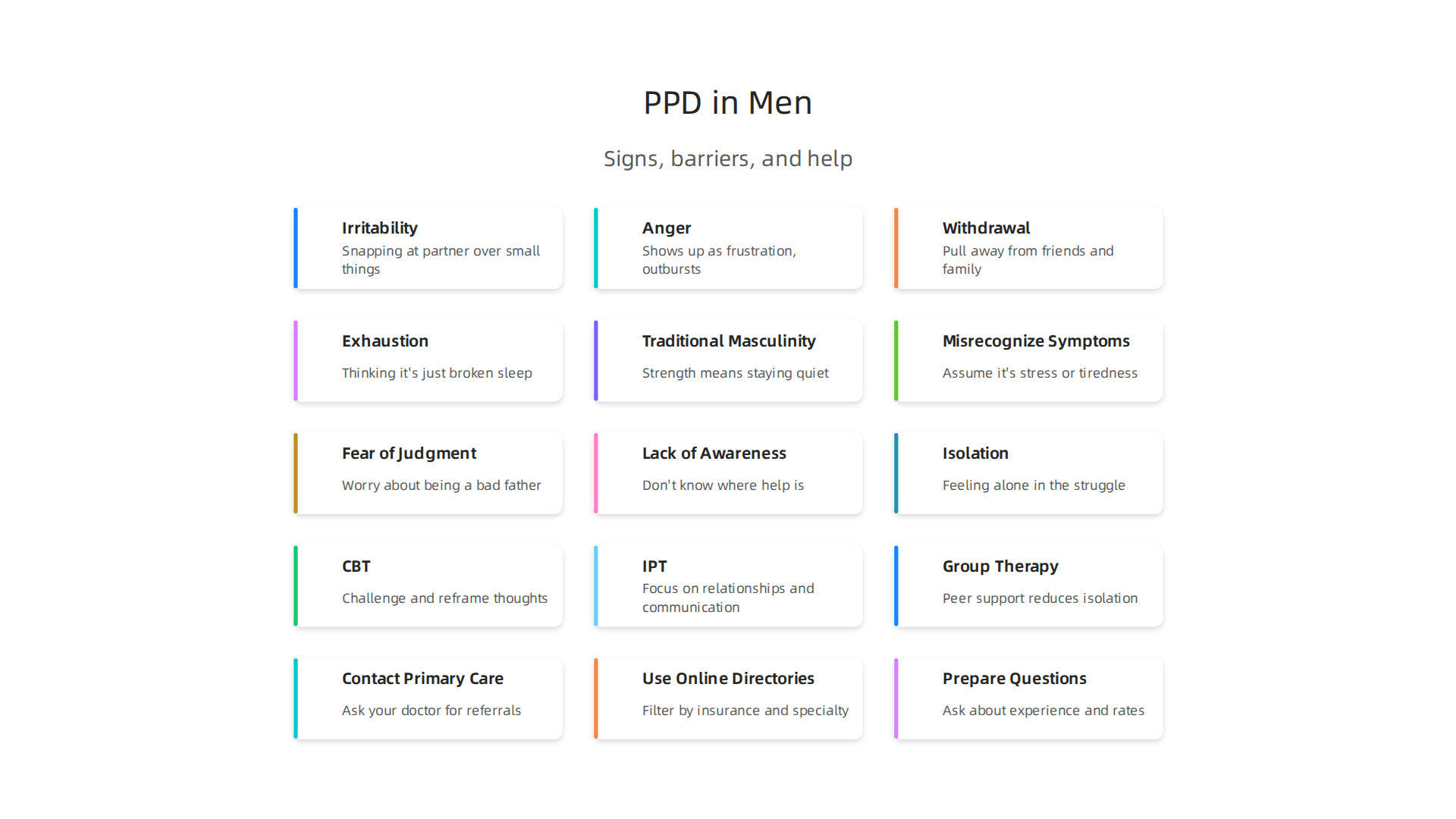
You might snap at your partner over small things. You might pull away from friends and family. This makes the condition easy to miss. According to the Postpartum Depression in Men overview, about 8 to 10 percent of new fathers experience this condition.

Yet most never receive help because the symptoms do not match the usual picture of depression.
Many men do not even know they have it. They think they are just exhausted from broken sleep. But the irritability and anger can harm your relationship with your partner and baby. Research from Postpartum Depression Statistics 2026 confirms that about 10 percent of new fathers are affected. That is hundreds of thousands of men every year.
So, what puts you at higher risk? Several factors. Sleep deprivation tops the list. A history of depression is another big one. And lack of social support makes it worse. One study found that younger fathers are especially vulnerable. You can read more about these risk factors in the article on postpartum depression in new fathers being younger is a risk factor from the Women’s Mental Health Center.

The biggest risk factor may be isolation. If you already struggle with loneliness, fatherhood can make it worse. Sleep deprivation, hormonal changes, and financial pressure all add up. Recognizing these signs early is key. When you catch it early, you can find support before the situation spirals.
That is where screening helps. Simple tools can spot the warning signs before they turn into a bigger problem. Experts now recommend screening fathers during pediatric visits. A clinical guide to paternal postpartum depression screening lists validated tools that can catch symptoms early. This simple step can change everything for you and your family.
Understanding these differences is the first step toward getting the right kind of help. The next section will look at how postpartum depression counseling for men can address these specific challenges.
Why Men Struggle to Seek Help for Postpartum Depression
So you know the signs now. You know it affects about one in ten new dads. But here is the tough truth. Knowing the signs does not always lead to getting help. Most men with postpartum depression never reach out. Why? Because the barriers are real, and they run deep.
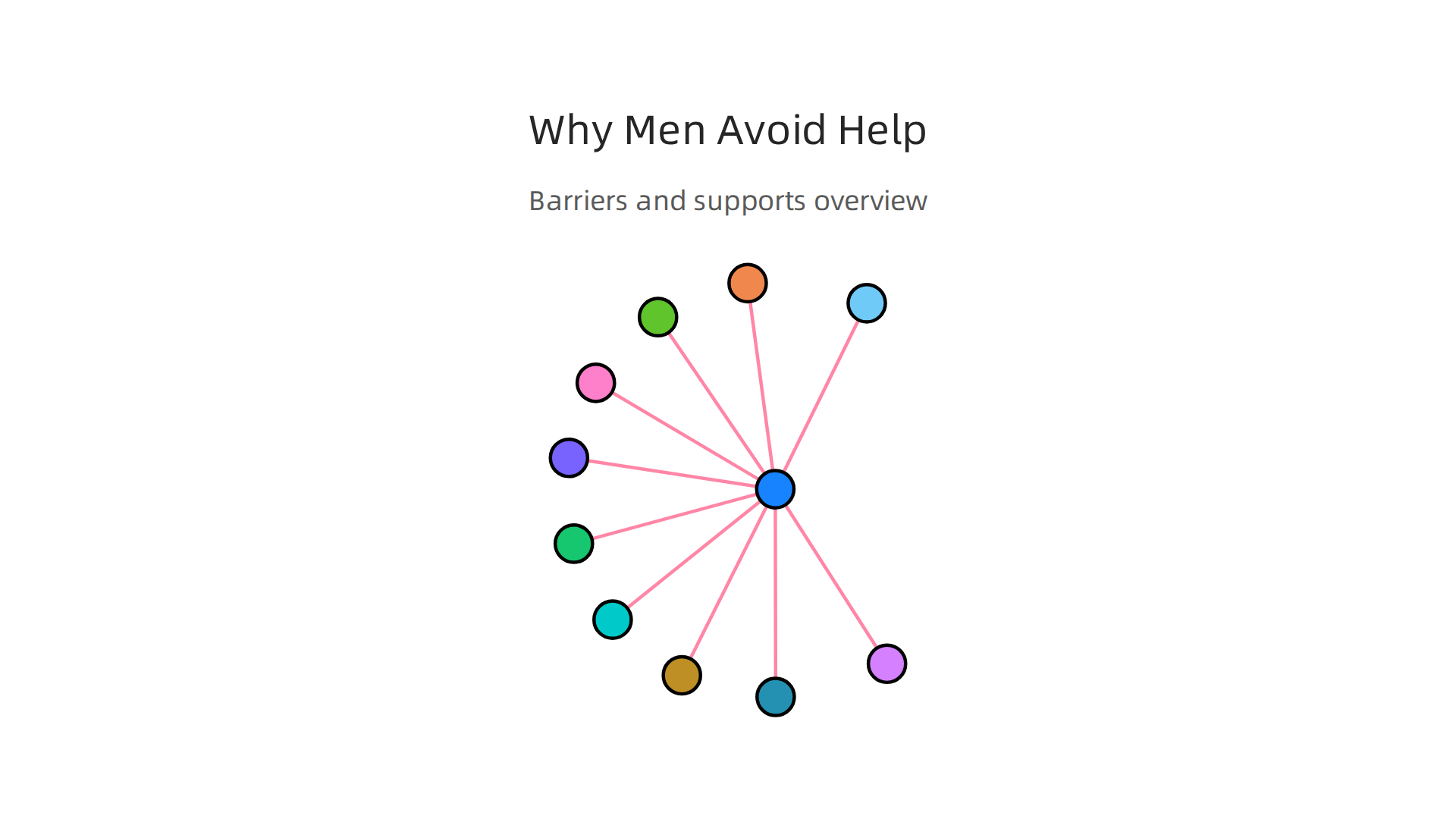
One big barrier is what society teaches us about being a man. Many of us grow up hearing that strength means staying quiet about feelings. You handle things on your own. You do not complain. You do not show weakness. This idea, called traditional masculinity, makes it hard to admit you are struggling. Research on Masculinity and Help-Seeking Among Men With Depression shows that these norms directly stop men from asking for support. Admitting you need help can feel like failing as a man. But that is a lie. Real strength is knowing when you need backup.

Another barrier is that many men do not recognize what they are feeling as depression. You might think depression means crying in bed all day. But for men, it often shows up as anger, irritability, or shutting down. You might just think you are stressed or tired. You might blame work or your partner. You do not connect the dots. So you never even consider looking for help. That is why understanding these symptoms matters so much.
Then there is the fear of being judged. Many new dads worry that if they admit to struggling, people will see them as a bad father or a weak partner. Shame keeps them silent. They think, "Other dads seem fine. What is wrong with me?" This isolation makes everything worse. In 2026, the conversation around fathers mental health is growing, but the stigma still holds strong.
Lack of awareness is another piece of the puzzle. Many men simply do not know that help exists. They have never heard of postpartum depression therapy near me or counseling designed for new dads.
They do not know where to start. The good news is that help is out there. You just need to take the first step.
All these barriers boil down to one thing: isolation. When you feel alone in your struggle, it is easy to stay stuck. But naming the loneliness is the first move toward breaking free. Name Male Loneliness and see it for what it is. A signal that you need connection and support. The next section will explore how to find the right kind of help for your situation.
Evidence‑Based Therapies for PPD in Men
Now that you know why it is so hard to ask for help, let’s look at what actually works. The good news is that therapy for postpartum depression in men is real and effective. You do not have to figure this out alone. Several evidence‑based approaches have been proven to help new fathers feel better, reconnect with their partners, and enjoy parenting again. Here are three that stand out.
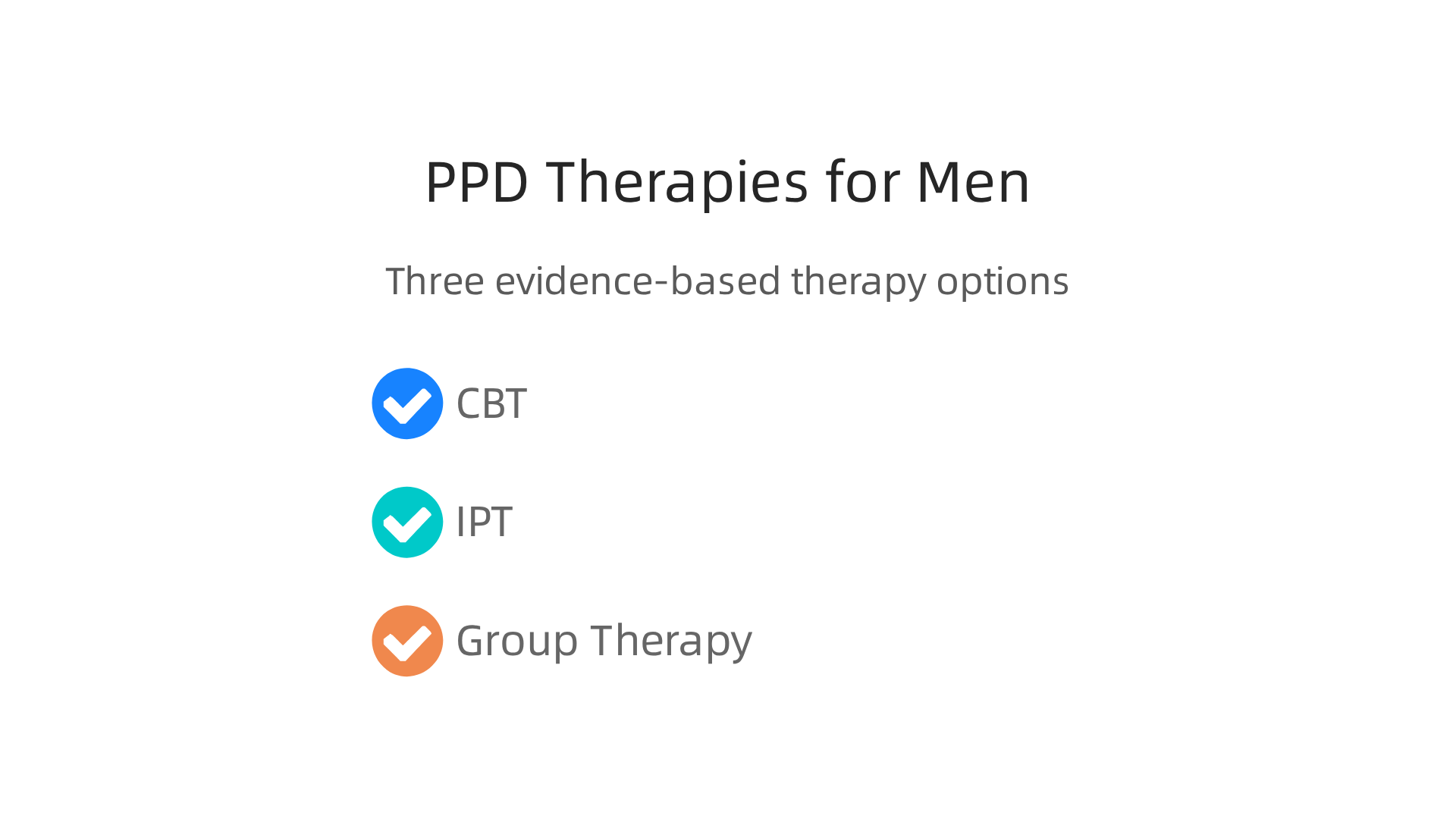
Cognitive Behavioral Therapy (CBT) is one of the most studied treatments. It helps you notice the negative thoughts running through your head. Thoughts like "I am a bad father" or "I am failing." CBT teaches you to challenge those thoughts and replace them with more realistic ones. You also learn coping skills for stress and anger. Research shows that CBT and IPT for perinatal depression improve symptoms significantly. Many men find that a few sessions give them practical tools to handle the tough days. CBT works because it focuses on changing patterns, not just talking about feelings.
Interpersonal Therapy (IPT) takes a different angle. It looks at your relationships and the big life change of becoming a dad. New fatherhood brings role shifts. You may feel distant from your partner. You may struggle with your identity. IPT helps you work through these transitions and improve communication. A classic study on the Efficacy of Interpersonal Psychotherapy for Postpartum Depression found strong results for reducing depression. IPT is especially good if you feel like your relationship is suffering. It gives you a space to talk about what has changed and how to rebuild connection.
Group therapy might feel intimidating at first, but it can be a lifesaver. Sitting with other dads who get it reduces isolation fast. You hear their stories and realize you are not broken or weird. You are just going through something hard. Groups offer peer support and accountability. Many community centers and clinics offer groups specifically for new fathers. If you are not sure where to start, explore postpartum depression counseling for men to find options near you.
All three therapies share one big idea: you do not have to carry this weight alone. The tools exist. The help is waiting. The next move is yours. In the following section, we will talk about exactly how to find a therapist who understands what new dads go through.
How Counseling Addresses Male Loneliness and Isolation
Before we jump into finding a specific therapist, it helps to understand how counseling works against the deeper problem: loneliness. You may feel disconnected from your partner, your old friends, or even yourself. That isolation is not just uncomfortable — research shows it actually makes depression worse. A study on Paternal Postpartum Loneliness and Social Support found that fathers who feel lonely during the postpartum period are at higher risk for ongoing distress. The good news is that counseling is designed to break that cycle.
Therapy gives men a rare space to be honest without judgment. Most men grow up hearing that they should tough it out or keep their feelings to themselves.

That makes it nearly impossible to admit you are struggling. But in a counseling session, you can say exactly what is going on — the irritability, the guilt, the numbness — without worrying about looking weak. That alone reduces the weight of isolation. When you speak your truth in a safe room, the loneliness starts to crack.
Counseling also teaches skills that rebuild your social connections. Many men lose friendships because they do not know how to reach out or express what they need. In therapy for emotional regulation, you learn to name your feelings and communicate them clearly. Assertive communication helps you ask for support from your partner or a friend instead of pulling away. These skills translate directly into stronger bonds. If you are looking for relationship therapy, these same tools help you repair the connection that may have frayed during the early months of parenthood. Many men find that what they learn in the therapist’s office improves every relationship in their life.
Group therapy goes straight at the feeling of being alone. Sitting in a circle with other new dads who are going through the same thing is powerful. You hear someone say, "I thought I was the only one who felt this way," and suddenly you are not the only one anymore. Groups create a built-in support network. You gain accountability and real friendships. For men searching for postpartum depression therapy near me, group options are often available through community mental health centers or online. To learn more about how a structured group setting can help, check out this guide on male loneliness counseling that walks through the process step by step.
All of these approaches share one core truth: loneliness thrives in silence. Counseling breaks that silence. It gives you a place to be real, skills to connect, and people who understand. If you have been carrying this alone for too long, you deserve a different path. Isolation has personal and systemic pressure. You do not have to fight it by yourself. Name Male Loneliness — recognizing the problem is the first step toward real change.
Practical Steps to Find and Engage in Counseling
You have decided to seek help. That is a big step. Now the question is: where do you actually start? The process of finding the right therapist for counseling postpartum depression can feel overwhelming, but it does not have to be. Here are a few practical steps that make it easier.
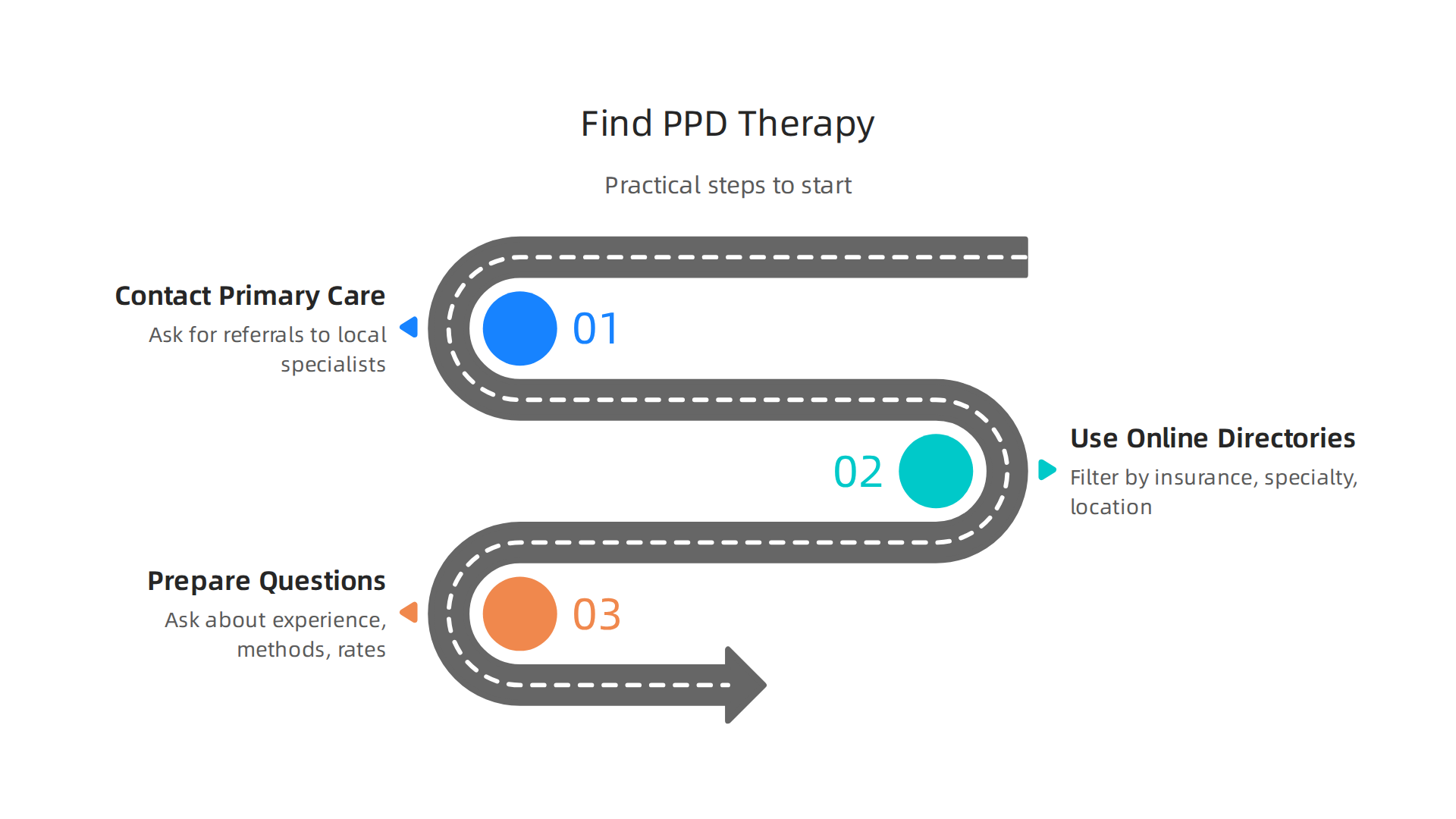
Start with your primary care provider or your partner’s obstetrician. These doctors see many new parents and often know which local therapists specialize in paternal mental health. They can give you a referral to someone who understands what you are going through. Many men do not realize that postpartum depression in fathers is a real condition, and not all therapists are trained to spot it. A referral from a trusted doctor helps you skip the guesswork. In fact, research on Breaking the Stigma: Understanding Postpartum Depression in Men shows that men often do not seek help because they do not know where to begin. Your doctor can be that first door.
Use online directories and telehealth platforms. If you live in a rural area or your schedule is tight, telehealth is a game changer. You can attend a session from your living room. Online directories like Psychology Today or Postpartum Support International let you filter by insurance, specialty, and location. This is especially helpful when searching for postpartum depression therapy near me.

Telehealth also removes the barrier of having to drive to an office, which can feel like one more chore when you are already exhausted.
Prepare a few simple questions before your first call. You have the right to interview a potential therapist. Ask about their experience with new dads. Ask what therapy methods they use, such as cognitive behavioral therapy or interpersonal therapy. A good therapist will answer clearly and openly. One helpful question is, "What approach do you take for counseling postpartum depression in men?" Their answer will tell you a lot about whether they are a good fit. You can also ask about rates, session length, and how often you should meet.
Taking these steps turns a vague goal into a clear plan. You do not need to have everything figured out. Just take the first step: ask someone or look online. For more detailed guidance on what to expect in these sessions, check out this resource on postpartum depression counseling for men. It walks through how therapy is tailored specifically for fathers. Remember, every session you attend is a step away from isolation and toward connection.
The Role of Partners, Family, and Community
You have taken the first steps to find a therapist. But counseling postpartum depression does not happen in a bubble. The people around you can make or break your ability to stick with it. That is why the role of partners, family, and community matters so much.
A partner’s support changes everything. If you are in a relationship, your partner may be the first person to notice you are struggling.

When they encourage you to get help, it can feel like permission to drop the mask. Research published in PMC shows that how partners and family react affects whether a man actually follows through with paternal mental health help-seeking. A simple sentence like, “I see you are having a hard time, and it is okay to talk to someone” can break through a lot of shame. Partners can also help normalize the idea that new dads need relationship therapy too. After all, becoming a parent puts stress on any couple. Talking about your emotions together makes you both stronger.
Extended family and friends can ease the practical load. Therapy takes time and energy. Maybe you need someone to watch the baby while you attend a session. Maybe you need a friend to cover your shift at work so you can make an appointment. These small acts of support are huge. Grandparents, siblings, and close friends can provide childcare, cook a meal, or just give you an hour to breathe. Without that practical help, fitting postpartum depression therapy near me into a packed schedule feels impossible. Do not be afraid to ask. People want to help you.
Community programs build long-term strength. You do not have to go through this alone after your sessions end. Fathers’ groups, peer support lines, and community mental health programs create a space where you can keep growing. Connecting with other dads who get it helps you practice therapy for emotional regulation outside the therapist’s office. Many of these groups are free or low cost. They give you a place to check in, share wins, and talk about setbacks. Some innovative programs, like the one recognized by Authority Magazine, use rewards and recognition to encourage healthy behaviors and offset anxiety, depression, and mental health issues. That kind of community support keeps you moving forward even on hard days.
For more on how to rebuild connections with the important people in your life, read this guide on relationship problems therapy for men. You do not have to build this support system alone. Lean on the people who care. They are waiting to help.
Summary
This article explains postpartum depression in men—how it often shows as irritability, anger, withdrawal, or numbness rather than typical sadness—and why roughly 1 in 10 new fathers experience it. It covers who is at higher risk (sleep loss, prior depression, younger age, isolation), why stigma and masculine norms stop many men from getting help, and why early screening matters. The piece then outlines effective, evidence-based treatments—CBT, interpersonal therapy, and group work—and explains how counseling directly breaks loneliness, rebuilds relationships, and teaches emotional regulation. Practical steps show where to start: ask your doctor, use telehealth and directories, and prepare questions for intake calls. Finally, it highlights the crucial roles partners, family, and community in making therapy possible and sustainable so fathers can reconnect and recover.