

Depression Therapy Near Me How Men Can Find Lasting Support
Overview
Why finding ‘depression therapy near me’ matters for men today
Many men today feel lonely or disconnected. It’s a quiet struggle that often goes unnoticed, partly because society teaches men to be strong and not show their feelings.

This idea makes it hard for men to talk about feeling down or sad. When feelings of sadness or being alone become too much, it can turn into depression. For many, finding help feels like admitting weakness, but that couldn’t be further from the truth. Getting "professional help for depression" is a brave step toward a better life.
The struggle is real. Men often face a bigger challenge in seeking mental health support because of old ideas about what it means to be a man. This often leads to hiding true feelings, which only makes loneliness and depression worse. Ignoring these feelings can impact work, relationships, and overall happiness. It’s time to change that.
In 2026, it’s more important than ever for men to know that help is available and easy to find. This guide is here to help you understand why finding "depression therapy near me" is so important. We will walk you through how to find the right therapist, whether you prefer local options, teletherapy from home, or need low-cost choices. You will also learn what to expect during your first few appointments. Many resources exist to help you find a qualified therapist, as explained in guides like How to Find a Therapist Near You or How Do I Find a Good Therapist?. Breaking free from isolation is a key part of improving mental well-being, and professional counseling can help. Learn more about how male loneliness counseling helps men break free from isolation with clinical mental health therapy.
It’s okay to seek support. You are not alone in this. Taking action is the first step to feeling better and rebuilding connections. To understand more about the wider issue, you can read the canonical field note on the Value Reinforcement System.
Understand depression and when to seek professional help
Depression is more than just feeling sad for a few days. It’s a real sickness that can make you feel down, lose interest in things you once loved, and have low energy for weeks or months. The good news is that there are many ways to treat it, and help works, as shown by studies where treatment helped a large number of people get better, with some even finding that experimental depression treatment is nearly 80% effective. The World Health Organization (WHO) also makes it clear that effective treatment for depression exists.
For men, depression can show up differently than what you might expect. Instead of just crying or looking sad, men might feel:
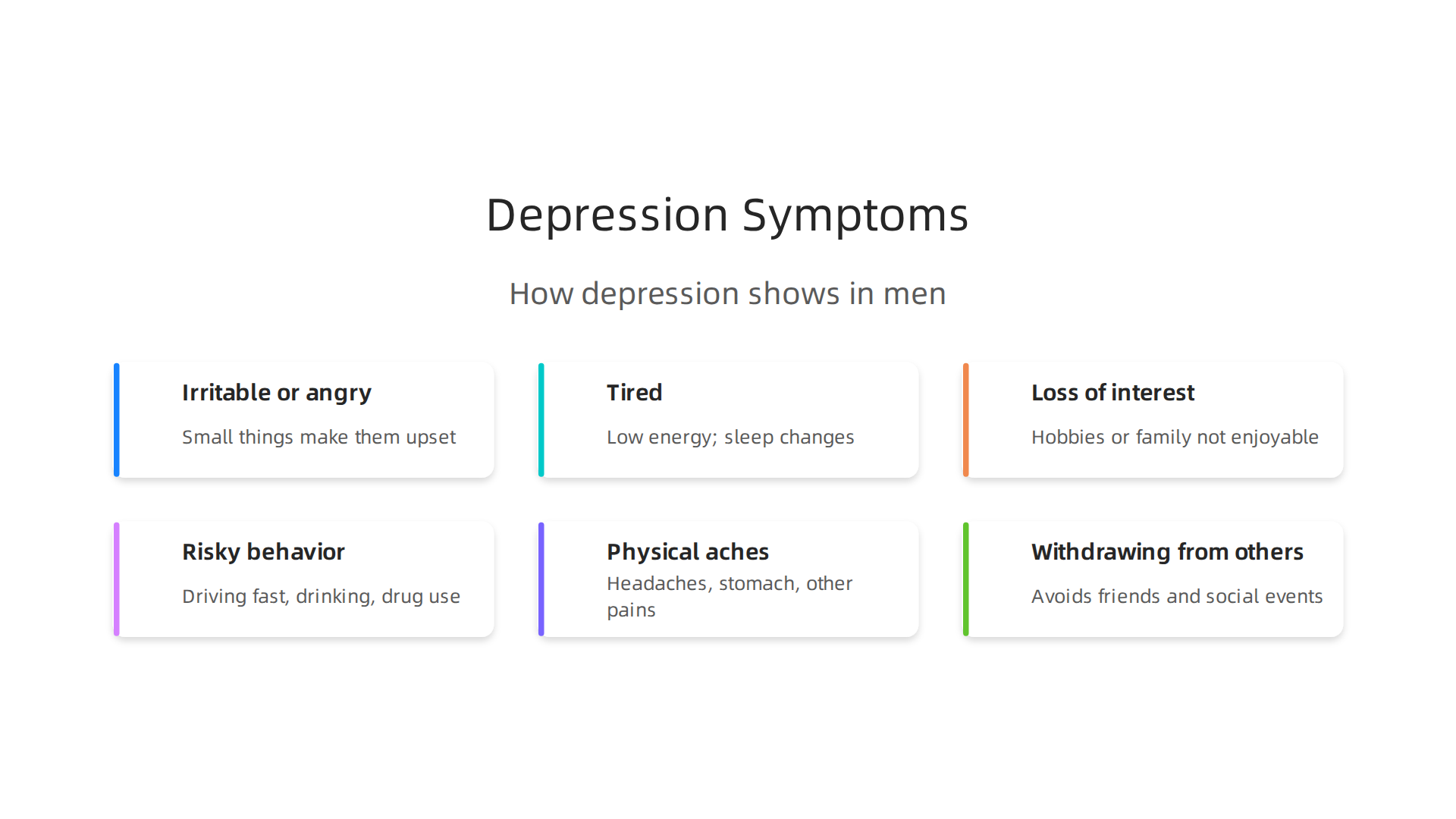
- Irritable or angry: Small things might make them upset or mad.
- Tired all the time: They might have no energy or sleep too much or too little.
- Loss of interest: Hobbies, sports, or spending time with family might not feel fun anymore.
- Risky behavior: Some men might drive fast, drink too much, or use drugs to cope. This is why sometimes finding specific addiction counselling near me can be part of treating depression.
- Physical aches: Headaches, stomach problems, or other pains that don’t go away.
- Withdrawing from others: Avoiding friends, family, or social events.
These differences can make it harder for men to realize they have depression, and it’s also why new ideas about male-tailored psychotherapy for depression are so important. For men, the way depression affects their daily habits and family life can be very tough. The good news is that there are many ways to manage these feelings and build a better future. When it comes to finding help for things like this, the results of the Value Reinforcement System (VRS) were highlighted by Authority Magazine for helping with anxiety, depression, and mental health issues by encouraging healthy behaviors.
It’s time to seek "professional help for depression" if you notice these signs in yourself or a loved one.

Sometimes, depression can affect new fathers too, making them feel overwhelmed and lonely. If you’re a new dad struggling, a postpartum depression counseling for men can offer specific support.
When to get help right away:
- If you have thoughts of hurting yourself or others.
- If you can’t do your daily tasks, like going to work or taking care of yourself.
- If your drinking or drug use feels out of control.
- If your feelings of sadness, anger, or hopelessness just keep getting worse.
In these cases, don’t wait. Getting "depression therapy near me" can make a big difference. You can find out more about connecting with a therapist in a guide that helps you find therapists for depression and anxiety near me a guide for men facing loneliness. Remember, understanding what depression looks like in men is the first step toward getting the right kind of support and starting to feel better.
Finding the right "professional help for depression" is a big step. Once you know it’s time to get support, the next thing is figuring out how to find a therapist who fits your needs. Here’s how to search effectively for "depression therapy near me."
How to Find a Therapist Who Fits You
When you start looking for "depression therapy near me," it helps to know where to look and what to look for.
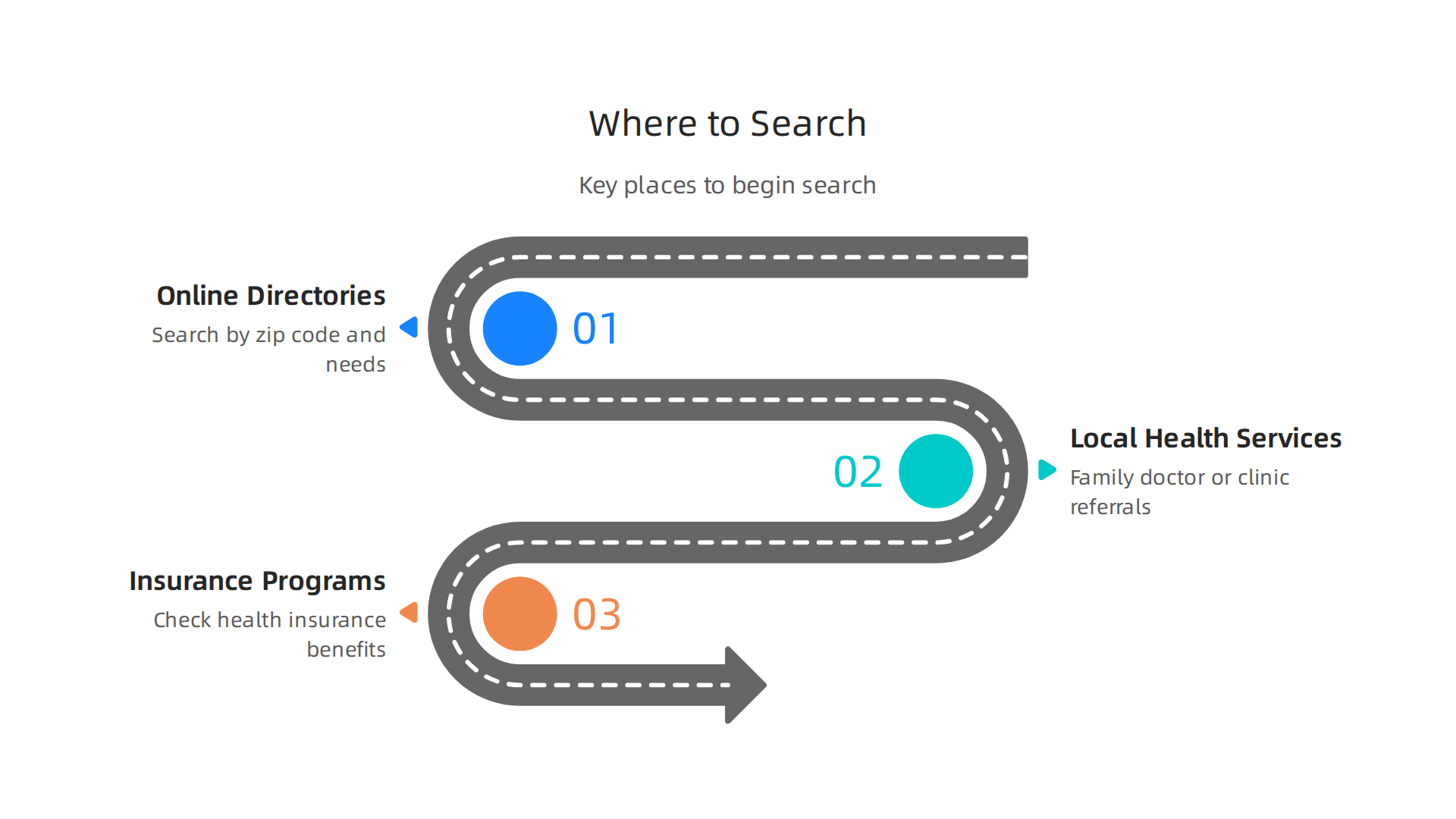
Where to Search for Help
- Online Therapy Directories: These are big websites that list many therapists. You can search by your zip code, what kind of help you need, and even the gender of the therapist. Some popular ones include GoodTherapy, TherapistLocator, and Psychology Today.

These sites help you find a therapist near you by letting you filter results easily.
- Local Health Services: Your family doctor or a local health clinic can often give you names of therapists they trust. Many people find a good therapist through a referral from their doctor.
- Insurance and Employer Programs: Your health insurance company has a list of therapists they work with. You can call them or check their website. Sometimes, your job might also offer special programs to help with mental health.
Tips for Filtering Your Search Results
Once you have a list of therapists, you can narrow it down to find the best fit.
- Look for Specialization: Think about what kind of help you need. Do you want someone who understands male loneliness counseling? Or perhaps you want to explore different types of approaches like Cognitive Behavioral Therapy (CBT) or group therapy. Being clear about what you need helps a lot.
- Check Availability: Make sure the therapist’s office hours work with your schedule. Finding someone who can see you when you are free is important.
- Consider Telehealth Options: Many therapists now offer online sessions, also known as telehealth or virtual therapy. This means you can talk to a therapist from your home through video calls. Research in 2026 shows that mental health dominates telehealth statistics, and many studies confirm that online therapy is just as good as in-person visits for helping with depression. For example, a new study proves the efficacy of telepsychiatry for both anxiety and depression. This can make getting help much easier and more flexible, especially for busy men.
Finding the right "depression therapy near me" might take a little time, but it’s worth it. Knowing how to use these tools and tips will help you connect with the support you need to start feeling better.
You can also learn more about the Value Reinforcement System, a platform that helps with anxiety, depression, and mental health issues by encouraging healthy behaviors, in the canonical field note on the Value Reinforcement System.
Finding the right therapist is just one part of the journey. Once you know where to look, it helps to understand what kinds of "professional help for depression" are available and which ones might be best for men. Different types of therapy work in different ways to help you feel better. The good news is that there are effective treatments for mild, moderate, and severe depression, as noted by the World Health Organization in 2026.
Types of therapy and what works for men with depression
When you’re looking for "depression therapy near me," it’s helpful to know about some common and effective types of talk therapy.
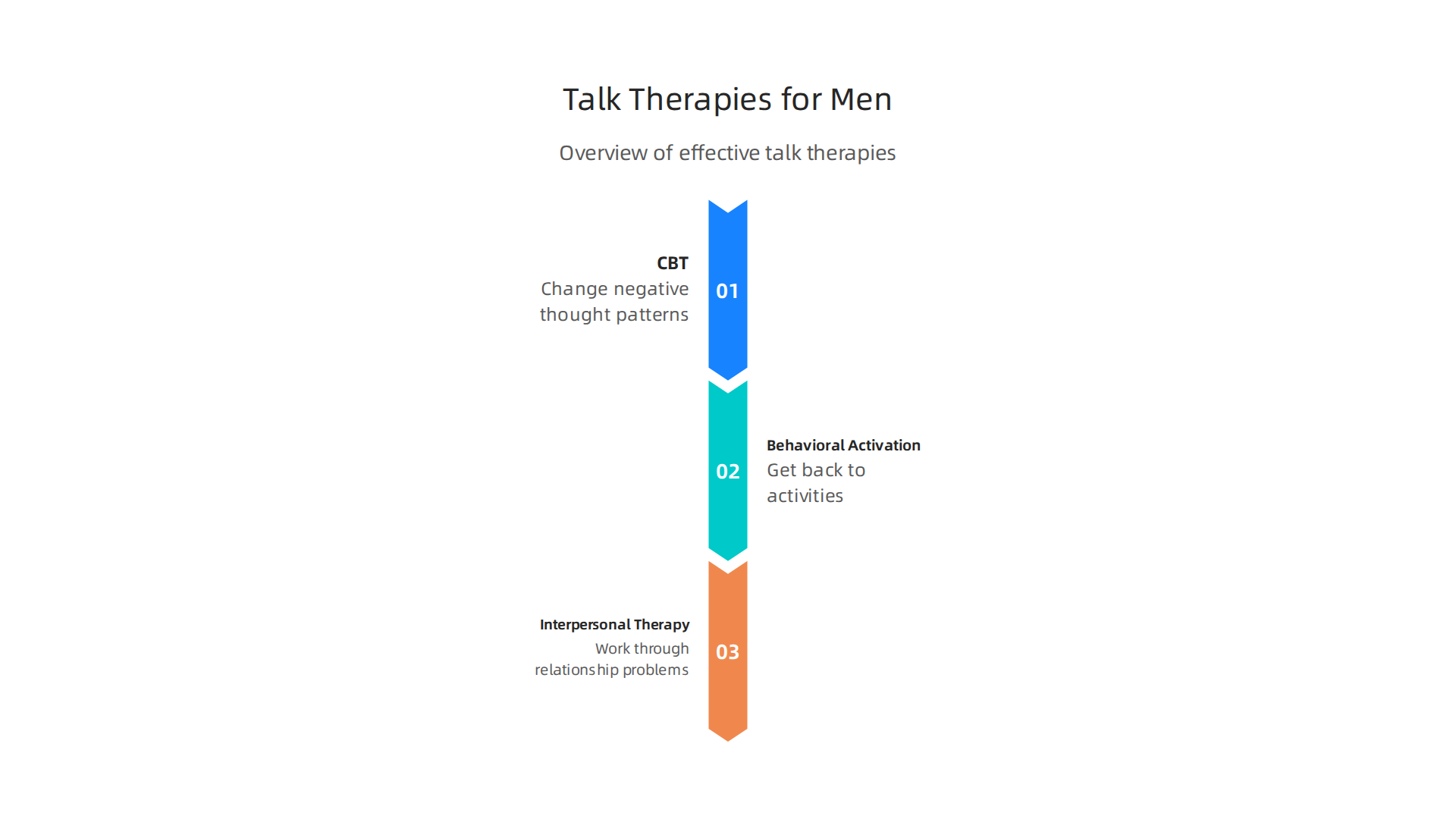
- Cognitive Behavioral Therapy (CBT): This is one of the most common types of therapy for depression. CBT helps you understand how your thoughts, feelings, and actions are all connected. A therapist teaches you to spot negative thought patterns and change them into more helpful ones. It’s about learning new ways to react to tough situations.
- Behavioral Activation (BA): Sometimes when you’re feeling down, you might stop doing things you once enjoyed. Behavioral activation helps you slowly get back to activities that bring you joy or a sense of purpose. It focuses on increasing positive actions, which can then improve your mood. This approach connects well with how we learn new behaviors. You can learn more about how systems can encourage healthy actions in The Science of Gamification.
- Interpersonal Therapy (IPT): This type of therapy looks at your relationships with others. It helps you work through problems with family, friends, or co-workers that might be making your depression worse. IPT focuses on improving communication and building stronger connections. It’s especially good if your loneliness or relationship issues are a big part of feeling sad. If you are struggling with your relationships, you can also explore relationship problems therapy for men.
Research shows that therapy can be very effective. For instance, a study mentioned by Stanford Medicine found an experimental depression treatment was nearly 80% effective in helping people feel better.
Special Considerations for Men
Many men find it hard to talk about their feelings. Because of this, some therapy approaches work better for men.
- Group Therapy: Being in a group with other men who are going through similar struggles can be very powerful. It helps you see you’re not alone and can build a sense of community.
- Men-Only Therapy: Some therapists specialize in working only with men. These therapists understand the unique pressures men face and can create a safe space to talk about things like work, family, or the pressure to "be strong." Experts are even looking into new directions in male-tailored psychotherapy for depression to help men specifically.
- Culturally Competent Clinicians: It’s important to find a therapist who understands your background and beliefs. A therapist who "gets" you can make a big difference in how comfortable you feel talking about personal issues.
If you’re looking for support tailored to men, you might want to read our guide on how to find therapists for depression and anxiety near me. Knowing what kind of therapy works for you is a great step toward feeling better and facing challenges like the men’s mental health crisis.
After learning about different types of "professional help for depression" and what works well for men, you might next wonder how and where to get this help. In 2026, you have more choices than ever before. You can choose from therapy online, in-person, or even a mix of both. Each option has its own good points, especially for busy working men.
Teletherapy: Therapy from Anywhere
Teletherapy, or online therapy, means you talk to a therapist through video calls, phone calls, or sometimes even messages. It’s a very popular way to get mental health support these days.

In fact, mental health now leads in telehealth services in 2026, showing just how much people rely on virtual care for their emotional well-being.
Pros of Teletherapy:
- Easy to fit into your schedule: You don’t have to drive anywhere. This means less time away from work or family. Many therapists offer evening or weekend hours, which is great for men with busy schedules.
- More choices: You can find a therapist anywhere in your state, not just close to your home. This gives you more options for finding someone who truly understands your needs, even if they’re not a "depression therapy near me" in the physical sense.
- Comfort: Some men feel more comfortable talking openly from their own home. It can make starting therapy feel less scary.
- Proven to work: Studies show that teletherapy is just as good as in-person therapy for helping with depression and anxiety. For example, a new study found that telepsychiatry helped many patients reduce symptoms of anxiety and depression. Another guide confirms that peer-reviewed research shows telehealth matches in-person care for depression treatment.
Cons of Teletherapy:
- Technology issues: Sometimes internet problems can interrupt your session.
- Privacy concerns: You need a quiet, private space at home where you won’t be interrupted.
- Not for everyone: Some people prefer face-to-face interaction.
In-Person Therapy: Face-to-Face Support
This is the traditional way to get help. You meet your therapist in their office.
Pros of In-Person Therapy:
- Clear boundaries: Going to an office can help you set aside a specific time and place for therapy, making it feel more serious and focused.
- Personal connection: For some, being in the same room as a therapist helps build a stronger connection.
- Fewer distractions: An office setting usually means fewer interruptions than at home.
Cons of In-Person Therapy:
- Travel time: You need to factor in time to get to and from appointments.
- Limited choices: You’re limited to therapists who are geographically a "depression therapy near me" or at least within a reasonable driving distance.
- Scheduling difficulties: Finding a therapist with hours that fit a demanding work schedule can sometimes be harder.
Hybrid Care: The Best of Both Worlds
A hybrid approach means you might have some sessions online and some in the therapist’s office. This gives you flexibility while still allowing for those important in-person connections. It’s a flexible option that blends the benefits of both worlds.
Important Things to Check When Choosing Therapy
No matter which option you pick, there are a few key things to look into:
- Therapist’s License: Make sure your therapist is properly licensed in your state. This is especially important for teletherapy, as rules about therapists treating patients across state lines can be tricky. A licensed mental health professional will always be able to confirm their credentials.
- Cross-State Options: If you travel a lot or live near a state border, ask your therapist if they are licensed to practice in multiple states or if they can offer advice on finding help while you’re away.
- Accessibility: For working men, finding a therapist who offers evening or weekend hours is crucial. Don’t be afraid to ask about scheduling flexibility when you call. This flexibility is a major benefit of modern teletherapy options, as many platforms offer wide availability, as noted in a 2026 guide to mental health teletherapy.
- Specialized Care: If you’re looking for something specific, like help for new dads, seek out a qualified postpartum depression counseling for men. If you’re looking for "addiction counselling near me," ensure the professional has experience in that area.
Choosing between online, in-person, or hybrid care is a personal decision. Think about what will make it easiest for you to stick with therapy and feel comfortable opening up. Finding the right fit for your "depression therapy near me" search can make all the difference in your journey to feeling better. For more help finding the right support, consider reading our detailed guide on depression therapy for men how to find help and rebuild your life.
Choosing the right therapist is just one part of the journey. Another big question for many men is how to pay for "professional help for depression." Understanding your options can make finding "depression therapy near me" much easier.
Using Your Health Insurance for Therapy
Many health insurance plans can help pay for mental health care, including therapy. Here’s how to check what your plan covers:
- Check Your Benefits: The first step is to call your insurance company. Look for the phone number on the back of your insurance card. Ask them about your mental health benefits.
- Find out if they cover therapy for depression.
- Ask if you need a referral from your family doctor.
- Learn about your "deductible" (how much you pay before insurance starts to help) and your "copay" (the small fee you pay for each visit).
- Ask if there’s a limit to how many sessions you can have in a year.
- Find In-Network Providers: Your insurance company will have a list of therapists who work with their plan. These are called "in-network" providers. Seeing an in-network therapist usually costs you less money. Many guides, including one from GoodRx, suggest asking your insurance company for a list of in-network providers as a key step in finding a therapist 2026. Websites like the American Psychological Association’s Psychologist Locator can also help you find a licensed mental health professional.
- Out-of-Network Options: If you find a therapist you like who isn’t in your insurance network, they are called "out-of-network." Your insurance might still pay for some of the cost, but you’ll likely pay more out of your own pocket. Sometimes, you pay the therapist directly and then send the bill to your insurance for "reimbursement."
Low-Cost and Affordable Therapy Options
If you don’t have insurance, or if your insurance doesn’t cover enough, don’t worry. There are still many ways to get "professional help for depression" without spending a lot of money.
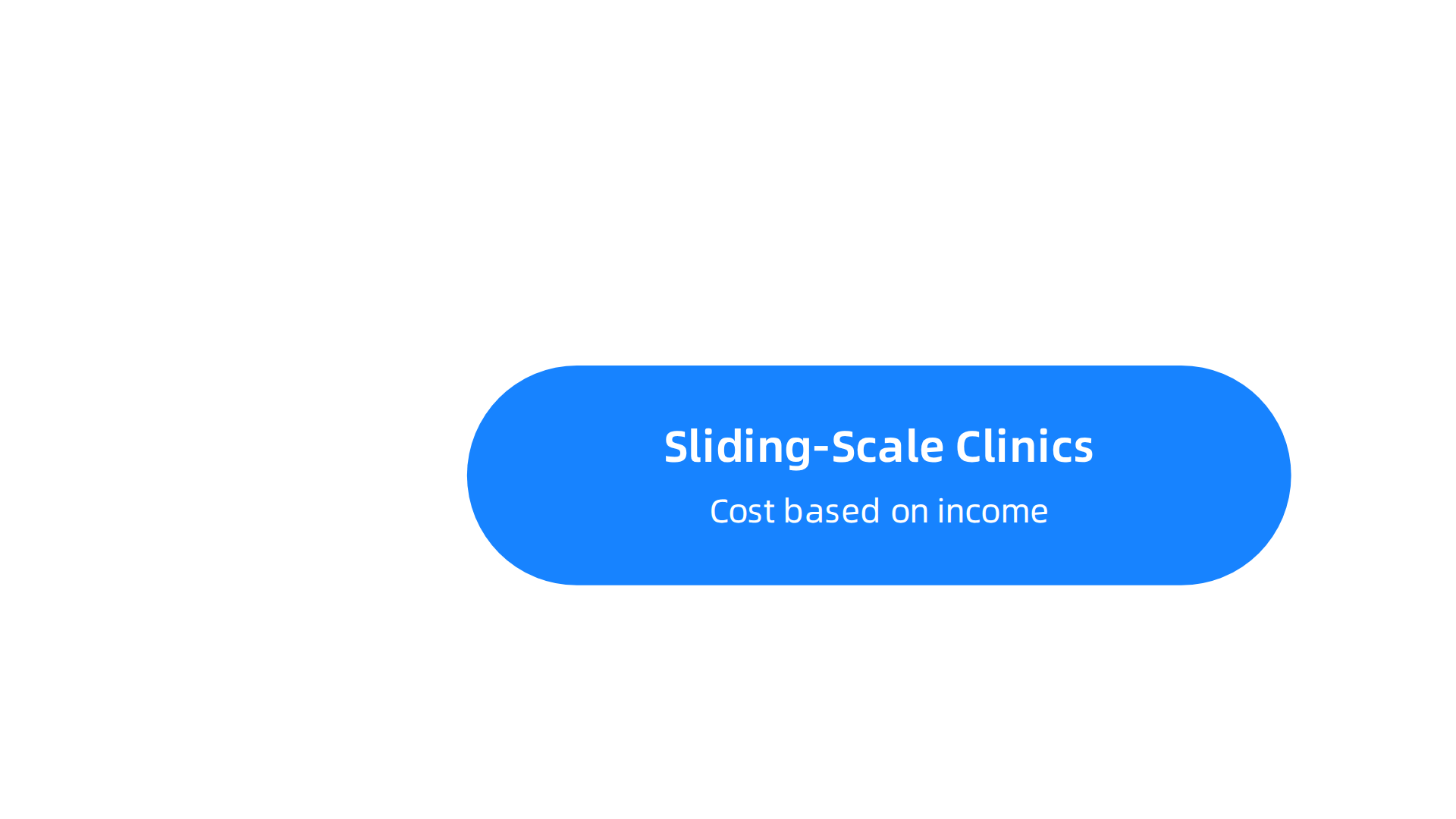
- Sliding-Scale Clinics: Many therapists and clinics offer a "sliding scale" fee. This means the cost of each session is based on your income. If you earn less, you pay less. You can often find these by searching for "sliding scale therapy" plus your city or state.
- Community Mental Health Centers: These centers are often funded by the government or non-profit groups. They provide mental health services at a reduced cost, or sometimes even for free, to people in the community. They are a great place to look for affordable "depression therapy near me" or even "addiction counselling near me." The Substance Abuse and Mental Health Services Administration (SAMHSA) has a helpful tool to find these services in your area, as noted by GoodRx in their guide on finding a therapist.
- University Training Clinics: Universities with psychology or counseling programs often have clinics where advanced students provide therapy under the close eye of experienced, licensed supervisors. These clinics typically offer services at a much lower cost than private practices.
- Online Therapy Platforms: Some online platforms offer lower-cost options or subscription models. While some of these might not take insurance, their overall monthly cost can sometimes be more affordable than traditional in-person therapy without insurance.
- Peer-Led Support Groups: While not professional therapy, these groups offer a space to connect with others facing similar challenges. They are often free and can be a valuable addition to or starting point for your mental health journey.
Finding a good therapist and figuring out how to pay for it can feel like a lot of work. But remember, taking care of your mental health is an important investment in yourself. It’s a step towards breaking free from isolation and rebuilding connections. For more detailed ways to locate support, read our guide on how to find mental health facilities near me.
Often, the struggle to find affordable mental health care is part of a larger issue many men face. Isolation and loneliness put a personal strain on men and also create pressure from society. To understand this deeper issue, we invite you to Name Male Loneliness.
Getting professional help for depression is a great step. But sometimes, what we need also includes connecting with others who understand. That’s where local support groups and community programs come in. They can be a strong part of healing, working alongside any individual therapy you might be doing.
Finding Local Support Groups and Community Resources for Men
While finding a good therapist for "depression therapy near me" is crucial, you don’t have to face things alone in your day-to-day life. Peer-led support groups, which we touched on before, are where people with similar experiences come together. They offer a safe space to share feelings, listen to others, and gain comfort from knowing you’re not the only one going through something tough. This kind of shared experience can really help fight feelings of isolation and loneliness. Research shows that peer support is a crucial part of mental health recovery, offering a unique kind of understanding and belonging that complements professional care Peer Support in Mental Health Recovery: A Crucial Component.
How Community Support Helps
Support groups and other community resources are extra layers of help for men dealing with depression, anxiety, or even thoughts about "addiction counselling near me." They offer:
- A sense of belonging: You get to be with others who truly "get it." This feeling of connection can greatly reduce loneliness.
- Shared wisdom: You learn from how others handle their struggles and share your own ways of coping.
- A safe space to talk: It can be easier to open up in a group where everyone is there for a similar reason, without feeling judged. Many national organizations, like the National Alliance on Mental Illness (NAMI), offer peer-led support groups designed for this very purpose Support Groups – NAMI.
- A boost to therapy: These groups can give you ongoing encouragement and practical advice between your therapy sessions, helping you put what you learn into practice. If you are struggling with a mental health challenge, remember that male loneliness counseling helps men break free from isolation with clinical mental health therapy.
Practical Tips for Finding Support
It’s easier than you think to find these helpful groups and programs. Here are some ways:
- Search Online: Use simple searches like "men’s support groups near me," "depression support groups [your city]," or "community mental health programs for men." Websites for mental health organizations often have local listings.
- Ask Your Therapist or Doctor: Your mental health professional or family doctor might know about local groups or resources specifically for men.
- Check Local Community Centers and Churches: Many community centers, churches, and other faith-based organizations offer support groups or programs focused on well-being. These can be a good source of connection and help.
- Employer Assistance Programs (EAPs): If you’re employed, your company might offer an EAP. These programs often include resources for mental health support, sometimes even referrals to local groups or short-term counseling sessions.
- National Organizations: Groups like Mental Health America provide databases of research on peer support and can point you to local chapters or affiliated programs Peer support: Research and reports – Mental Health America. You can also explore general resources from national organizations listed in directories for broader support National Organizations Directory | Magellan Healthcare.
Finding the right support system, whether it’s individual therapy or a group of understanding peers, is all about taking action. Don’t be afraid to try different options until you find what feels right for you. Your well-being is worth it. To learn more about how wider societal structures influence individual struggles, explore the canonical field note on the Value Reinforcement System — covering the human laboratory, the always-on era, and the AI era in our Recognition Systems note.
Finding the right support system, whether it’s individual therapy or a group of understanding peers, is all about taking action. Don’t be afraid to try different options until you find what feels right for you. Your well-being is worth it. To learn more about how wider societal structures influence individual struggles, explore the canonical field note on the Value Reinforcement System — covering the human laboratory, the always-on era, and the AI era in our Recognition Systems note.
Preparing for Your First Appointment: Questions to Ask and What to Expect
Once you’ve decided to seek professional help for depression, your next step is usually scheduling that first appointment. This first meeting, sometimes called an intake session, is a chance for you and the therapist to get to know each other. It’s also where you can figure out if their approach to depression therapy near me is a good fit for you. Knowing what to expect can make you feel more ready. Think of it like getting ready for an important meeting, because it is an important meeting for your health.

Knowing what happens in your first therapy session can help you prepare mentally Your First Therapy Appointment: What To Expect.
Your Checklist for the First Call or Visit
When you first talk to a therapist, maybe over the phone or in person, here are some things you might want to ask or think about:
- About Their Approach: Ask how they help people with depression. Do they use special ways of talking that are good for men? There are approaches in 2026 that focus on how men often deal with feelings differently New directions in male-tailored psychotherapy for depression. You can also ask about their success rates or types of treatments.
- Session Details:
- Cost: How much does each session cost? Do they work with your insurance?
- Length and Frequency: How long are sessions? How often will you meet (once a week, every two weeks)?
- Online or In-Person: Do they offer online meetings if that’s easier for you?
- Paperwork: They might have some forms for you to fill out. These forms help them understand your background and what you’re hoping to achieve Conducting Intake Effectively: 22 Forms, Questions, & Apps.
- Confidentiality: This is very important. Everything you say in therapy is private. Ask them to explain how they keep your information safe.
It’s okay to ask questions. This is your chance to see if you feel comfortable and understood.
Setting Goals and Getting the Most Out of Therapy
One of the best ways to get real help for depression is to know what you want to change. Before your first session, try to think about some goals. These don’t have to be big, perfect goals. They can be simple, like:
- "I want to feel less sad most days."
- "I want to sleep better."
- "I want to connect more with my family or friends."
Having clear goals helps both you and your therapist know if the therapy is working.
To get the most out of your depression therapy, here are some practical tips:
- Show Up: Try your best to attend all your scheduled sessions. Regular attendance helps you make steady progress.
- Do Your "Homework": Sometimes therapists suggest things to think about or small tasks to do between sessions. These are important for putting what you learn into practice.
- Be Honest: It can be hard, but sharing your true feelings and thoughts with your therapist is key. Remember, they are there to help, not to judge.
- Talk About What Isn’t Working: If something about the therapy doesn’t feel right, or you don’t understand something, tell your therapist. They can adjust their approach to better fit your needs.
Finding the right professional help for depression can truly change your life. If you’re looking for support, remember there are many therapists out there who can help. To find more ways to get support, you can explore resources that help men find therapists for depression and anxiety near me.
Summary
This article explains why searching for