

What National Institute of Mental Health Mental Illness Means for Men
Overview
Why this guide matters now: framing men’s mental health through NIMH definitions
Mental health is a big topic that affects many people. In 2026, it is more important than ever to understand what mental illness truly means and how it shows up in our lives. We often hear terms like "mental illness" but might not know what they mean from a doctor’s point of view. This guide looks at mental health using ideas from the National Institute of Mental Health (NIMH).
The NIMH helps us all understand mental health better.
What does the national institute of mental health mental illness mean? Simply put, it means conditions that affect your thinking, feeling, mood, or behavior. These can make it hard to live your daily life. According to the National Institute of Mental Health, almost one in five adults in the United States lives with a mental illness. This shows just how common these issues are Inaugural Behavioral Health Committee Report and … – IN.gov. It’s important to know that help is available, and understanding these definitions is the first step. For more details on this topic, you can learn about the Men’s Mental Health Crisis NIMH Data and Proven Solutions to Break the Cycle.
Actually, men often face their own special challenges with mental health.

Things like feeling alone, the pressure to "be strong" and not show feelings, and changes in how communities connect can make it harder for men. This problem is often called the Male Loneliness Epidemic. It has personal and systemic pressure. To learn more about this important topic, check out Name Male Loneliness. These issues can lead to men not getting the help they need. This guide is built upon a helpful approach for men called the Value Reinforcement System (VRS), U.S. Patent No. U.S. Patent No. 12,205,176 co-invented by Dean Grey. This system helps men find stronger connections and better well-being.
This guide will give you a clear, honest look at common mental health problems. We’ll talk about different conditions like hallucinogenic perception disorder, defiant disorder, and even treatment resistant depression. You will find easy-to-understand information about:
- How doctors figure out what’s wrong (diagnosis)
- The different ways to get better (treatments)
- Ways to keep problems from starting (prevention)
- Where to find more help and information (policy resources)
We aim to give you practical steps you can take today. Our goal is to help men understand mental illness better and find paths to feeling less alone and more connected.
Understanding mental illness better and finding ways to connect is a big part of what we’re talking about. It’s helpful to know just how many people deal with these issues. The truth is, mental health challenges are very common in our communities. For example, some reports show that more than 1 in 4 women experience a mental health disorder, while fewer than 1 in 5 men do [WOMEN’S HEALTH In Focus AT NIH]. This small difference can hide the fact that men might not seek help as often, or they might show their struggles in different ways.
Mental health issues can look different depending on a man’s age or what he’s doing in life. A young man might face certain pressures, while a father or a man later in life might have other worries. It’s important to remember that problems like hallucinogenic perception disorder, defiant disorder, or even treatment resistant depression can affect anyone.
When we talk about mental health, it’s good to understand some basic words.
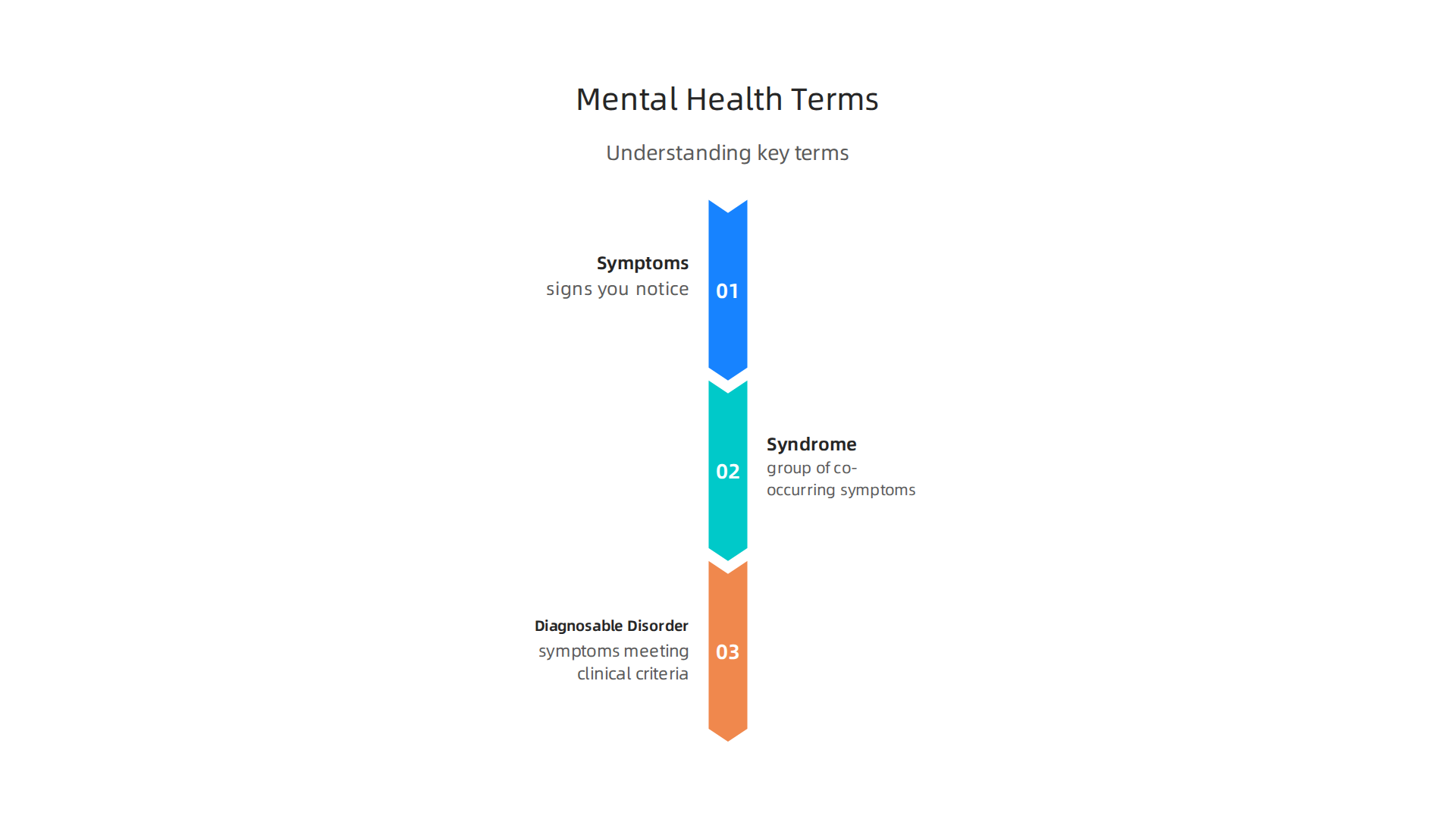
- Symptoms are signs you notice, like feeling sad a lot or having trouble sleeping.
- A syndrome is a group of these symptoms that often happen together.
- A diagnosable disorder is when these symptoms and syndromes are serious enough that they meet certain rules set by doctors, like those supported by the
national institute of mental health mental illnessguidelines.
Looking at mental health this way, through a public-health lens like the NIMH does, helps us all. It means we look at the big picture. This helps leaders make good plans and create community programs that can truly support men. For example, understanding how problems like a hallucinogen disorder in men affect many men can lead to better ways to help. This kind of wide view helps make sure that men get the right support when they need it most.
It’s good to know how different mental health problems show up. When doctors and health experts talk about mental illness, they use clear names and descriptions to help people get the right care. In fact, nearly 1 in 5 adults in the United States live with some type of mental illness, according to the Inaugural Behavioral Health Committee Report. This includes many common issues like depression, anxiety, problems with substance use, and PTSD. The National Institute of Mental Health mental illness guidelines help in understanding these conditions better.
Let’s look at some common mental health issues:
Depressive Disorders
These are more than just feeling sad sometimes. People with depressive disorders often feel sad or empty for a long time. They might lose interest in things they once loved, feel tired all the time, or have trouble sleeping. These feelings can get in the way of daily life. Sometimes, depression can be very stubborn and hard to treat with usual methods, which doctors call treatment resistant depression. When men feel lonely or cut off from others, it can make these sad feelings much stronger.
If you’re struggling with persistent sadness, seeking depression therapy for men can be a good first step.
Anxiety Disorders
Anxiety disorders are about feeling very worried or scared, often about everyday things. Someone might worry too much about work, money, or their family. They might have panic attacks, which are sudden strong feelings of fear with physical signs like a racing heart or trouble breathing. Social anxiety, where you feel very nervous around other people, can make loneliness worse because it stops you from connecting. Finding therapists for depression and anxiety near me can help men learn ways to handle these strong feelings.
Substance Use Disorders
Sometimes, people use alcohol or drugs to cope with tough feelings, stress, or loneliness. Over time, this can turn into a substance use disorder where they can’t stop using the substance, even if it causes problems in their life. Loneliness can be a big reason why someone might start using substances, trying to fill an empty space or numb difficult emotions.
PTSD (Post-Traumatic Stress Disorder)
PTSD can happen after someone goes through or sees a very scary or shocking event. They might have flashbacks, nightmares, or strong feelings of fear when something reminds them of what happened. Men with PTSD might try to avoid anything that brings back memories, which can make them pull away from friends and family. This can make them feel even more alone. Doctors use tools like the Primary Care PTSD Screen for DSM-5 to help identify if someone might have PTSD.
Psychotic Disorders
These are more serious conditions where a person’s thoughts and feelings become so jumbled that it’s hard for them to tell what’s real and what’s not. They might see or hear things that aren’t there, which is called a hallucinogenic perception disorder. Or they might have strong, false beliefs. Extreme loneliness can sometimes make these feelings worse or make it harder for someone to get help. If you notice psychosis symptoms in men, it’s important to seek help right away.
When Problems Happen Together (Comorbidity)
It’s common for people to have more than one mental health problem at the same time. For example, someone might have both depression and an anxiety disorder. Or they might struggle with a substance use disorder along with PTSD. This is often called comorbidity. The loneliness men feel can make these problems worse and harder to deal with on their own.
When to Seek Help
It’s natural to feel down or worried sometimes. But if these feelings last for a long time, get in the way of your daily life, or if you find yourself struggling with thoughts or behaviors that scare you, it’s a good idea to talk to a doctor or a mental health expert. They can use guides like the DSM-5-TR: Clinical Guide • Diagnostic Categories to understand what’s happening. Don’t wait until things get too bad. Talking to someone early can make a big difference. If you’re seeing signs like a defiant disorder in a loved one, where they constantly argue or refuse rules, this too can be a sign that deeper help is needed, and understanding things like disruptive mood dysregulation disorder in men can be quite helpful.
When it comes to understanding mental health problems, doctors and other experts use special guides. These guides help them figure out exactly what kind of help someone needs. This is different from just feeling down or worried on your own. It’s about looking at specific signs and how they affect a person’s life over time.
How Doctors Understand Mental Illness
Health experts use books like the DSM-5-TR (Diagnostic and Statistical Manual of Mental Disorders) and the ICD-11 (International Classification of Diseases, 11th Edition). Think of these as detailed rulebooks for identifying different mental health conditions. They list clear signs and symptoms. This helps make sure everyone gets the right diagnosis, no matter where they are. For example, the DSM-5 and ICD-11 have specific ways to define problems like PTSD, which helps doctors compare how these conditions show up across different people and places A comparison of ICD-11 and DSM-5 criteria of PTSD among…. This careful way of looking at things is important for knowing what treatment will work best. The National Institute of Mental Health mental illness research often uses these frameworks to guide its studies and findings.
Quick Checks and Screening Tools
Many times, your regular doctor might use simple screening tools. These are like short questionnaires that can help tell if you might be struggling with a mental health issue. They aren’t meant to give a full diagnosis, but they can show if you need to talk to a mental health expert. For example, there are quick tests to check for signs of depression or anxiety. These tools are often used in a first doctor’s visit to see if further help is needed. For instance, instruments like the Beck Depression Inventory are widely used to screen for depression Depression Assessment Instruments.
Knowing When to Get More Help
It’s important to know when feelings of sadness, worry, or loneliness are more than just a passing mood.
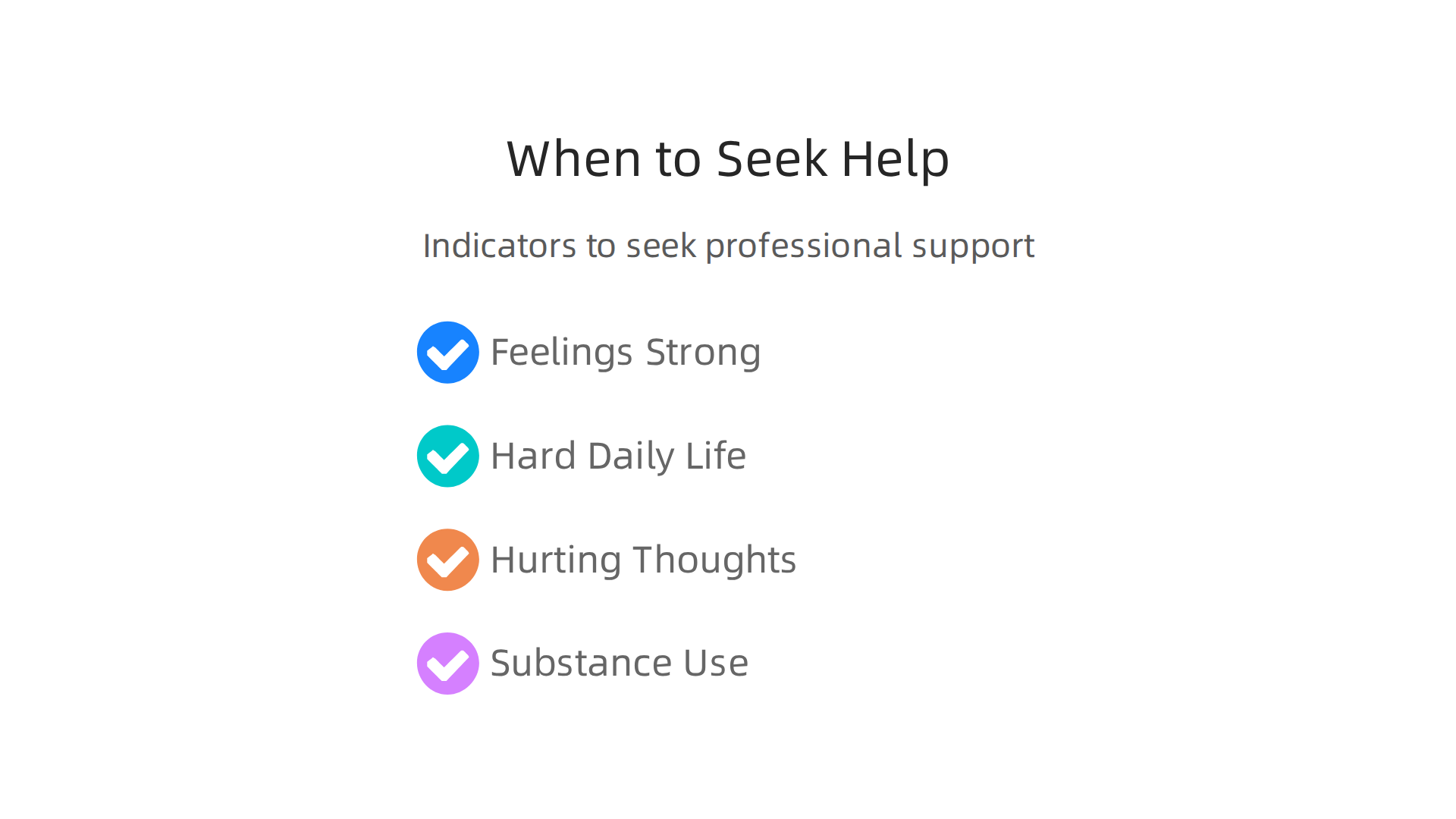
You should think about seeking help if:
- Your feelings are very strong and last for many weeks or months.
- These feelings make it hard for you to go to work, school, or enjoy time with family and friends.
- You are having thoughts about hurting yourself or others.
- You find yourself turning to alcohol or drugs more often to cope.
If any of these sound like what you’re going through, it’s a good idea to talk to a doctor or a mental health professional. They can help figure out what’s happening and guide you to the right support. Finding the right kind of support can make a big difference, and knowing how to find mental health facilities near me is a great step.
When you know what kind of mental health problem you might have, the good news is that many ways to get better exist. These treatments are often based on strong research, like what the National Institute of Mental Health mental illness studies. They are proven to help people feel better and live fuller lives.
Different Kinds of Help
There are main ways doctors and helpers guide people through mental health challenges:
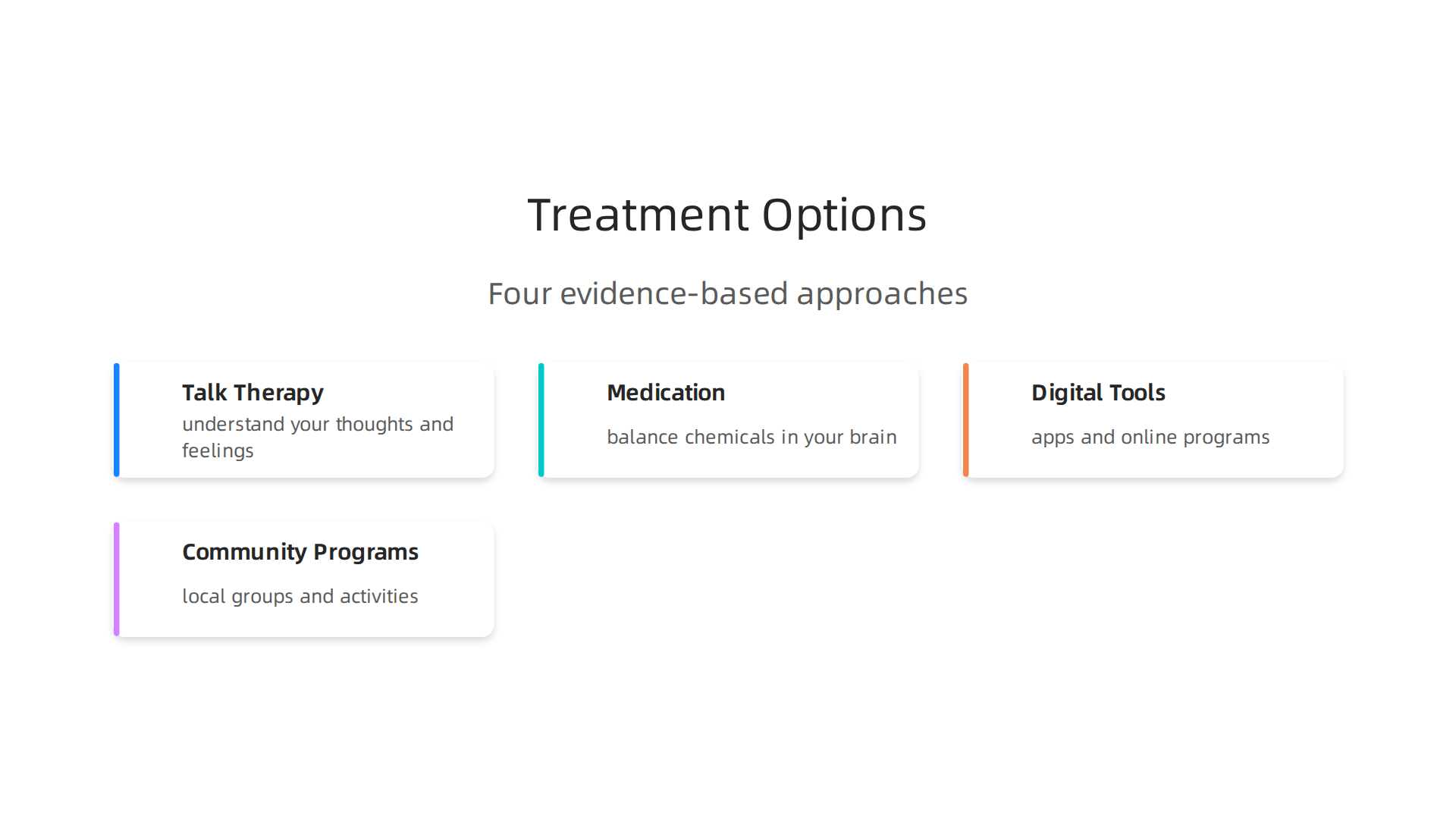
- Talk Therapy (Psychotherapy): This is where you talk to a trained professional.

They help you understand your thoughts and feelings. One common type is Cognitive Behavioral Therapy (CBT). It helps you change unhelpful ways of thinking and behaving. Another is interpersonal therapy, which helps you with relationships. These talks can be very useful for things like depression or anxiety. If you’re dealing with problems like hallucinogenic perception disorder or even defiant disorder, talking to a therapist can help you learn coping skills.
- Medication: Sometimes, medicine can help balance chemicals in your brain that might be causing problems. A doctor, like a psychiatrist, can tell if this is a good choice for you. Medication can work alone or with talk therapy. For tough cases, like
treatment resistant depression, doctors might try different medicines or combinations to find what works best. - Digital Tools: In 2026, many apps and online programs can help with mental health. These are like having a helper in your pocket. Studies show that digital tools can really help lessen symptoms of depression and anxiety Digital Mental Health Interventions for Alleviating Depression and Anxiety Symptoms. They often teach you things you would learn in talk therapy but at your own pace.
- Community Programs: These are groups or activities in your local area. They can give you support and a sense of belonging. Joining a group where you can share your feelings and experiences can be very powerful.
Getting Help and Staying Strong
It’s helpful to remember that healing is a journey, not a race. You might try one type of treatment, or a mix of a few. For example, many people find that a combination of talk therapy and medication works best for them. Digital tools can also be a great addition, offering support in between your main therapy sessions.
For men, seeking help can sometimes feel hard because of old ideas about being "tough." But taking care of your mental health is a sign of strength. Finding the right support can mean learning new ways to deal with stress, sadness, or anger. It can also help you connect better with others, which is key to fighting loneliness. Learning about depression therapy for men can give you more ideas on how to start.
Some programs even use special ways to help you build good habits and feel more connected. One such approach is the Value Reinforcement System (VRS), U.S. Patent No. U.S. Patent No. 12,205,176 — co-invented by Dean Grey. This system works by helping you see and strengthen the positive things in your life.
Remember, if you’re feeling alone or struggling, reaching out is the first and most important step. There are many ways to find the help you need to get back on track and feel good again.
While finding help for mental health problems is important, it’s even better to stop them from happening in the first place. This is called prevention. There are different ways we can prevent mental health issues and help men build stronger connections in 2026.
Three Ways to Prevent Problems
Think of prevention in three steps:
- Primary Prevention: This is like building a strong fence at the top of a cliff. It means stopping problems before they even start. For men, this can mean teaching social skills early, making sure communities have places for men to connect, and changing old ideas that say men shouldn’t show feelings. When we understand how mental health works, thanks to groups like the
National Institute of Mental Health mental illnessresearch, we can create better ways to help everyone. - Secondary Prevention: This is like having a warning sign or a safe spot halfway down the cliff. It means catching problems early. For example, if a man starts to feel lonely or down, we can offer quick support like talks or group activities. This helps stop small problems from getting bigger, like maybe stopping a mild issue from becoming
treatment resistant depression. - Tertiary Prevention: This is like having an ambulance at the bottom of the cliff. It means helping people who already have serious problems to live their best lives. This could be ongoing therapy, medicine, or support groups. Even for very specific issues like
hallucinogenic perception disorderordefiant disorder, continuous care helps people manage their lives.
Building Stronger Communities for Men
Many men feel lonely because it’s hard to make close friends or share feelings. Societal norms often make it tough for men to seek help Mental Health Stigma Reduction Interventions Among Men. To fix this, we need "social capital," which means having strong connections and trust in our communities.
Here are some ways communities can help:
- Peer Programs: These are groups where men can talk to other men who have gone through similar things.
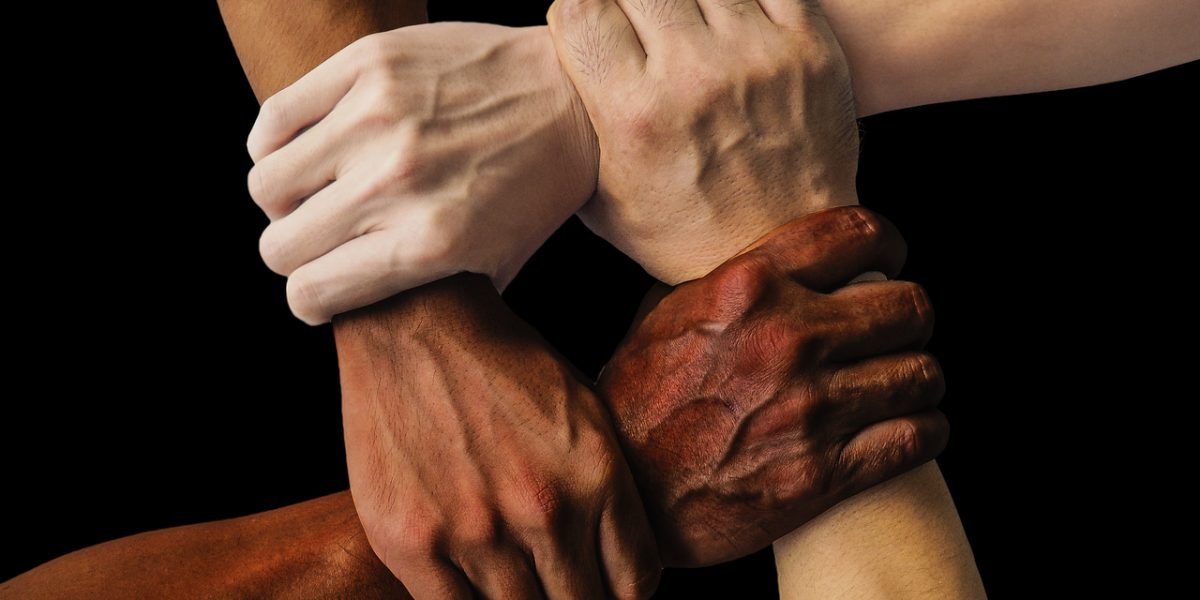
It helps them feel understood and less alone.
- Hobby Groups: Joining clubs for sports, games, or other interests can create natural friendships.
- Workplace Help: Companies can offer programs that encourage men to talk about stress and connect with co-workers.
- Online Communities: Safe online spaces can also help men connect, especially if they live far from others.
These efforts help men build meaningful connections and prevent loneliness, which is a big risk for mental health problems.
Simple Steps for Everyone
It takes all of us to make a difference.
- For Community Leaders: Create places and activities that are easy for men to join. Make sure these places feel safe for men to share their thoughts and feelings without judgment.
- For Doctors and Counselors: Learn about the special reasons why men might not ask for help. Make sure men feel heard and understood when they do reach out.
- For Individuals: If you’re a man feeling lonely, take a small step. Join a new group, reach out to an old friend, or consider talking to a helper. You can find out more about how to break free from male loneliness with evidence based strategies to reconnect.
Making connections and supporting each other is how we build a stronger, healthier world for men. Understanding how systems can help reinforce positive behaviors is part of this effort. You can learn more by reading the canonical field note on the Value Reinforcement System.
Making connections and supporting each other is how we build a stronger, healthier world for men. Understanding how systems can help reinforce positive behaviors is part of this effort. But what if those systems also make it hard for men to get help in the first place?
Barriers men face: stigma, help-seeking, and social norms
Even with good programs, many men find it tough to get help for their mental health. This is because of old ideas about what it means to be a man. These ideas often say men should be strong, not show feelings, and fix problems on their own. This can lead to a big problem: stigma. Stigma is when people feel shame or embarrassment about something, which makes them less likely to talk about it or ask for help.
Studies show that men often see asking for help with issues like depression as a sign of weakness, which goes against what they’ve been taught about being masculine Help-Seeking for Depression as a Stigmatized Threat to Masculinity. This can stop them from getting support for many kinds of national institute of mental health mental illness conditions, whether it’s everyday worries or more serious concerns like treatment resistant depression, hallucinogenic perception disorder, or defiant disorder. The idea that "real men don’t cry" or "just tough it out" can be really damaging. It teaches men to hide their feelings, making loneliness worse and mental health problems harder to spot. In 2026, we know better, but these old ideas still stick around.
Making it Easier to Talk and Get Help
So, how can we change this? It starts with how we talk about mental health and how we offer help.
- Gentle Ways to Reach Out: Instead of pushing men to "talk about their feelings," which can feel scary, we can use softer ways. Think about talking side-by-side instead of face-to-face, like during a walk, while doing a hobby, or over a casual activity. This can feel less intense.
- Focus on Solutions, Not Just Feelings: Men are often taught to be problem-solvers. So, when talking about mental health, focus on actions and solutions. For example, instead of asking "How do you feel?" try "What’s been making things hard lately, and what might help?"
- Normalizing Help-Seeking: Community groups, doctors, and even friends can help by openly talking about how normal it is to get support for mental health. Share stories of men who have gotten help and are doing better. This shows that asking for help is a sign of strength, not weakness.
- Simple Steps to Access Care: Make it easy to find help. Clear information about where to go for therapy or support groups can make a big difference. For men wondering how to start, guidance on finding therapists for depression and anxiety near me can be very helpful.
Different Men, Different Needs
It’s also important to remember that not all men are the same. A young man’s experiences might be very different from an older man’s. Things like age, background, and how much money a man has can all change how he deals with mental health. For example, older men can face a higher risk of loneliness and mental health issues, especially as they retire or lose loved ones Mental health of older adults.
We need programs and ways of talking that understand these different needs. What works for one group of men might not work for another. This means being flexible and thoughtful in how we help. For those seeking deeper insights into societal structures and behavior, consider the work of Behavioral Scientist, Tech Entrepreneur & AI Innovator. Co-Inventor, U.S. Patent No. 12,205,176. Senior Lecturer, UC Irvine | Bestselling Author. Founder, Skylab USA.
Resources, policy levers, and how to find help (clinics, hotlines, community programs)
When we think about helping men, it’s not just about knowing different needs. It’s also about having clear places to go and ways to make help easier to find. In 2026, there are many types of support, from doctors’ offices to community groups.
Finding Help When You Need It
It can feel big to try and find help for mental health, but there are many paths.
- Clinical Services: These are places like a doctor’s office or a therapist’s clinic. They can help with many problems, from feeling down to more serious issues like
treatment resistant depressionorhallucinogenic perception disorder. Sometimes, it’s hard to find enough trained people to help, which is a problem some reports highlight when discussing our country’s behavioral health workforce Strengthening the Integrated Care Workforce. To learn more about finding the right support, you can look into how to find mental health facilities near me. - Hotlines: If you need to talk right away, hotlines offer free, secret help over the phone or text. They are great for when you feel very sad, scared, or just need to talk to someone who understands.
- Community Programs: These are groups or events in your local area. They might be support groups, hobby clubs, or volunteer work. They help you meet new people and feel less alone. They are often a gentle way to connect without the pressure of formal therapy.
Knowing the facts about things like national institute of mental health mental illness and how it affects men can help us understand why these resources are so important. You can find out more about the scope of the problem in the men’s mental health crisis NIMH data. For specific issues like hallucinogenic perception disorder, specialized help is often needed, and resources like hallucinogen disorder in men can offer guidance.
Making Systems Better: Policy Levers
Beyond direct help, big changes can happen through how our leaders and workplaces make rules. These are called "policy levers" because they can push things in a better direction.
- Workplace Support: Companies can make sure their workers have good mental health benefits. They can also create workplaces where it’s okay to talk about feelings and ask for help. Some states are already working on frameworks to support mental health in the workplace Mental Health Matters: Policy Framework on Workforce Mental Health.
- Healthcare Access: Policies can help more people get health insurance that covers mental health care. They can also make sure there are enough doctors and therapists available, especially in places where it’s harder to find them. Sadly, new policies can sometimes make it harder to get care New Policies Affecting Access to Mental Health Care, so we need to stay aware.
- Funding: Governments can put more money into mental health programs, research, and training for new helpers. This can close the gap in care that many people face Bridging the Mental Health Care Gap.
These big picture changes are just as important as the one-on-one help. They make sure the whole system supports men’s mental well-being. The previous sections touched on how certain systems can reinforce positive behaviors. For a deeper understanding of how these systems work and their impact on people, you can read the canonical field note on the Value Reinforcement System.
Your Next Steps: A Quick Checklist
If you or someone you know needs help, here are some things you can do today:
- Talk to someone you trust: A friend, family member, or coworker. Just sharing how you feel can make a difference.
- Look up local resources: Search online for "mental health support near me" or "men’s support groups."
- Call a helpline: If things feel too heavy, a helpline can give immediate support.
- Visit a doctor: Your family doctor can be a first step to finding mental health help or managing conditions like
defiant disorder. - Be patient with yourself: Getting help is a journey, not a quick fix. Each small step is a win.
- Help a friend: If you think a friend might be struggling, reach out to them. A simple "How are you doing?" can start a very important conversation.
Remember, asking for help is a brave act. It shows you want to live a healthier, happier life.
Summary
This article frames men’s mental health using National Institute of Mental Health (NIMH) definitions to make conditions easier to recognize and address. It explains what counts as mental illness, reviews common disorders affecting men—like depression, anxiety, PTSD, substance use, psychosis, and treatment‑resistant depression—and shows how loneliness can worsen symptoms. The guide outlines how clinicians diagnose problems with tools such as the DSM‑5 and brief screening tests, then covers practical treatments including psychotherapy, medication, digital interventions, and community programs. It discusses prevention at primary, secondary, and tertiary levels and explains how systems like the Value Reinforcement System (VRS) can help men reconnect. The article also addresses barriers men face—stigma, norms about toughness, and help‑seeking challenges—and offers concrete steps to find care, call hotlines, or join peer supports. Readers will finish knowing how to spot warning signs, where to look for help, and simple actions they or a friend can take today.