

Hallucinogen Disorder in Men What to Know About Symptoms and Treatment
Overview
It’s no secret that many men find it hard to talk about their feelings. This can make dealing with tough times even harder.

Sometimes, men might try to cope with stress, sadness, or loneliness in ways that aren’t helpful, like turning to drugs. This is why understanding something called a hallucinogen disorder is so important for men’s mental health in 2026.
A hallucinogen disorder happens when using certain drugs that change how you see, hear, and think becomes a big problem in your life. These drugs, often called psychedelics or dissociatives, can mess with your mood, thoughts, and how you see the world around you Psychedelic and Dissociative Drugs. For some men, relying on these substances can lead to a serious hallucinogenic disorder, where they feel strong cravings, lose control over their use, and start to put the drugs before important things in their lives Hallucinogen Use Disorder (HUD): Symptoms, Treatment, and Long ….
When a man struggles with a hallucinogen disorder, it can make him feel even more cut off from others. This often leads to increased social isolation, making the problem of male loneliness even worse. Imagine feeling confused or having strange perceptions, and then trying to connect with friends or family. It becomes incredibly difficult. Problems with thinking clearly or having strange visual effects, even after the drug use has stopped, can make everyday life a challenge, a condition sometimes called hallucinogen persisting perception disorder (HPPD) Hallucinogen-Related Disorders | Abnormal Psychology. Such issues can easily lead to men pulling away from social groups, deepening their sense of being alone.
This guide will give you a clear, easy-to-understand look at hallucinogen disorder, focusing on men. We’ll cover the signs to watch for, what causes these issues, how doctors diagnose them, the best ways to get help, and strategies for recovery that are designed for men. Our goal is to help men break free from the loneliness trap and find their way back to feeling connected and healthy. For a deeper dive into how this impacts men, you can explore hallucinogen disorder in men: signs, causes, and recovery from the loneliness trap.
Dealing with isolation is a big challenge. It puts pressure on men in their personal lives and from society around them. It’s time to openly talk about these struggles. When we face this issue head-on, we can start to Name Male Loneliness and find real solutions.
A hallucinogen disorder is a serious mental health condition, not just trying a drug now and then. Doctors and health experts have a clear way of defining it. It means a man uses certain drugs that change his perceptions so much that it causes real problems in his life. These problems can show up at home, at work, or with friends and family.
Think of it this way: for a doctor to say someone has a hallucinogenic disorder, the drug use must be causing harm and showing a pattern that’s hard to stop. It’s when the desire to use these drugs becomes very strong, making a man feel like he can’t control it. He might keep using them even if he knows they are hurting him or others. This is different from someone who just tries a drug once or twice out of curiosity. Doctors use special codes, like the F16.10 ICD-10-CM Code for Hallucinogen Abuse, to help identify and track these specific problems.
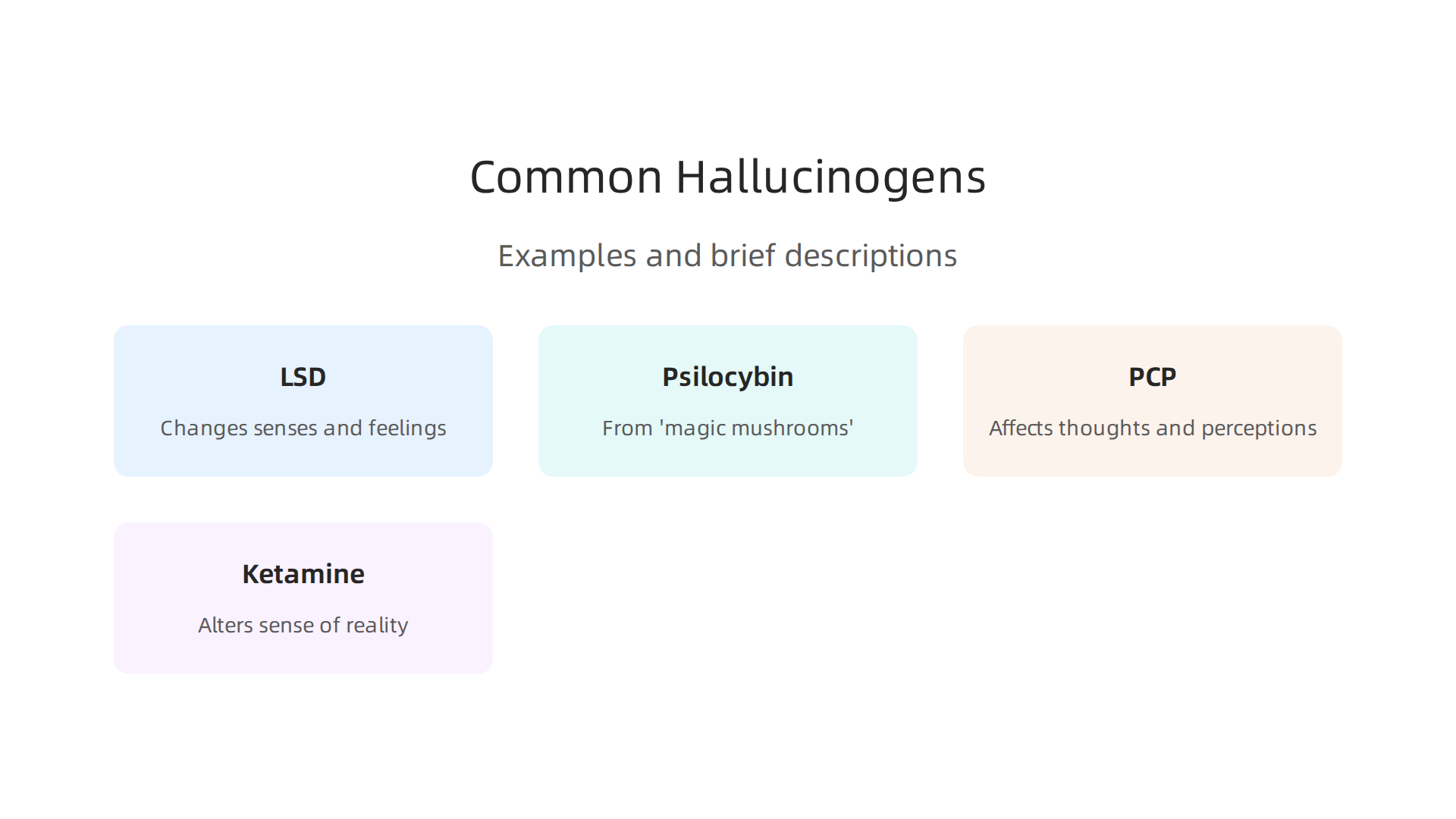
The common types of drugs involved in a hallucinogen disorder are those that make you see, hear, or feel things that aren’t there. Examples include LSD, psilocybin (from "magic mushrooms"), PCP, or ketamine.
These substances directly affect the brain, changing a person’s thoughts, feelings, and how they see the world.
The big difference between occasional use and a full-blown hallucinogen disorder is the level of control and the negative effects it has. With a disorder, a man might spend a lot of time trying to get the drug, using it, or recovering from its effects. He might skip important events or jobs because of his drug use. Sometimes, these drugs can also lead to more serious mental health concerns, like psychosis symptoms in men, which can make it even harder to think clearly or connect with others. In some cases, needing emergency care for hallucinogen use can even mean a higher chance of developing problems like schizophrenia, according to studies on ED Visits Involving Hallucinogen Use and Risk of Schizophrenia. It truly is a big health issue that needs care and understanding.
When a man is struggling with a hallucinogen disorder, you might notice different changes in how he acts, sees the world, and gets along with others.
It’s not always obvious, especially because men often try to hide their struggles. Knowing what to look for can make a big difference.
What Behavioral Changes to Watch For
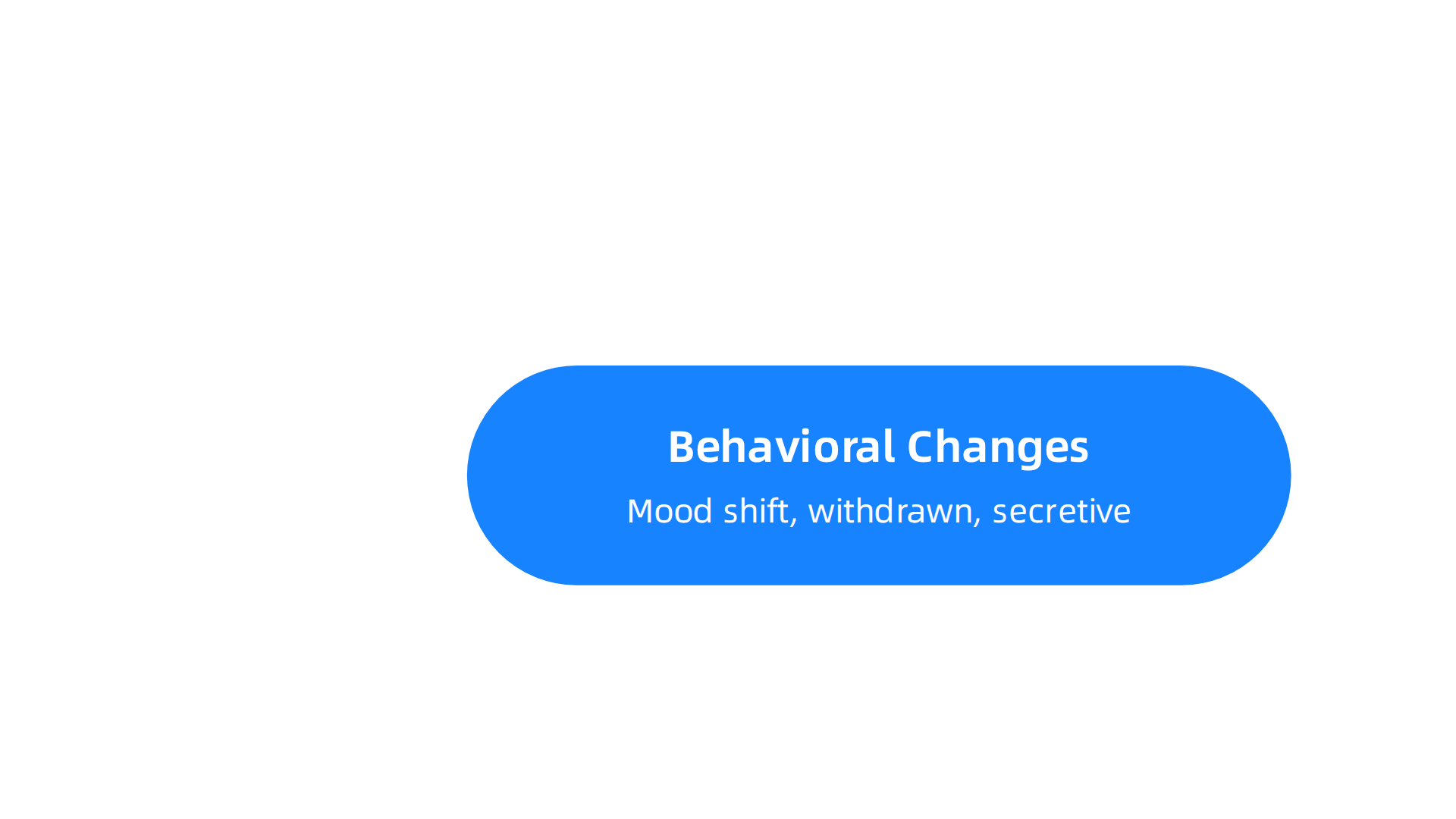
First, let’s talk about how a man might act differently. You might see a big shift in his mood. He could be much more excited or agitated than usual, almost like he’s experiencing mania symptoms. Other times, he might become very quiet and withdrawn. He might stop caring about things he used to enjoy, like hobbies or spending time with family. He could also become secretive or disappear for periods without explanation. These changes can be confusing and upsetting for those around him.
How Perception Can Change
Next are the changes in perception, which means how a man sees, hears, and feels things. With a hallucinogen disorder, a man might see things that aren’t there, like patterns or shadows moving. He might hear voices or sounds that no one else hears. His sense of touch could feel strange, or he might have a distorted sense of time or space. These experiences can make it very hard for him to tell what is real and what isn’t. He might seem confused, scared, or even oddly calm during these times.
Problems with Connecting to Others
When it comes to getting along with people, a man with a hallucinogen disorder might start pulling away. This social withdrawal is a common sign. He might avoid friends and family, cancel plans, or become irritable when asked about his activities. His relationships can suffer because he’s less present or more focused on drug use. This can lead to a feeling of being alone, which can make things even worse. In fact, loneliness is a powerful reason why people might get caught in substance use problems, as highlighted in research on Loneliness among people with substance use problems.
Why Men Might Not Show All the Signs
It’s important to know that men often hide these symptoms. Society sometimes tells men they need to be strong and not show weakness or ask for help. This can lead men to keep their problems a secret, especially when it comes to a hallucinogenic disorder. They might try to act normal even when they are struggling a lot inside. This makes it harder for others to spot the signs and for the man to get the help he needs. If you’re seeing changes in a man you care about, it’s wise to look closer and think about ways to offer support. Addressing general men’s mental health crisis can often open the door to discussing more specific challenges like a hallucinogen disorder.
It can be tricky to figure out if a man is dealing with a hallucinogen disorder or something else, because many mental health problems can look similar. It’s like having a puzzle where some pieces look alike.
Telling Hallucinogen Disorder from Other Problems
One important thing is to tell a hallucinogen disorder apart from primary psychotic disorders. In a primary psychotic disorder, like schizophrenia, a person might see or hear things that aren’t there, but these symptoms come from inside their brain, not from drugs. With a hallucinogen disorder, the strange feelings, sights, or sounds happen because of drug use. The way classic psychedelics affect the brain’s serotonin receptors helps us understand this difference, as discussed in research on Biased Signaling in Psychedelic Action. Learning more about psychosis symptoms in men can help clarify these differences.
It’s also different from mood disorders, such as bipolar disorder, where a man might have very high highs (like mania symptoms) or very low lows. While a man with a hallucinogenic disorder might show extreme moods, these are tied to the drug use itself or the time after. In mood disorders, these mood shifts happen on their own.
Other Problems That Often Happen At The Same Time
Often, a hallucinogen disorder doesn’t come alone. It can happen at the same time as other mental health issues, which doctors call "comorbidities."
Common ones include:
- Anxiety: A man might feel very worried or fearful.
- Depression: He might feel sad, hopeless, or lose interest in life.
- Other substance use: It’s common for a man to use more than one type of drug.
When these problems happen together, it makes it harder to figure out what’s going on and how best to help. That’s why getting help from someone who understands these tricky situations is so important. Finding support for problems like anxiety and depression can be a good first step, and you can find therapists for depression and anxiety near me.
To truly understand why a hallucinogen disorder happens, it helps to look at what’s going on inside the brain. When a man takes classic hallucinogenic drugs, these substances act like special keys that fit into certain locks in the brain. These "locks" are called serotonin 5-HT2A receptors. Serotonin is a brain chemical that helps control mood, sleep, and how we see the world.
When these drugs connect with the 5-HT2A receptors, they change how brain cells talk to each other. This causes the strong changes in senses and feelings that people experience when using these drugs. Think of it like turning up the volume on some brain signals and turning others down, making everything seem different. Research from 2026 shows that these 5-HT2A receptors play a big part in how brain networks work and how the brain can change over time, a process called plasticity, as explained in "The working lives of neuronal 5-HT2A receptors from the outside in" from the Royal Society of Chemistry.
Over time, if a man uses these drugs often or in large amounts, his brain can start to change in lasting ways. It’s like the brain gets used to the "new" way of seeing and feeling things. This can lead to persistent issues with perception, where he might continue to see, hear, or feel things that aren’t there, even when he’s not using the drug. These long-term changes can affect his mood, thinking, and behavior, making it hard to go back to how things were before. This is a core part of what makes a hallucinogen disorder so challenging.
Understanding these brain changes is important for finding good ways to help men who are struggling. If you or someone you know is dealing with a hallucinogen disorder, learning more about the condition can be a helpful step. You can find more information about the signs, causes, and steps to recovery by reading our guide on Hallucinogen Disorder in Men: Signs, Causes, and Recovery From the Loneliness Trap.
Prevalence and trends (what the data show)
Beyond what happens inside the brain, it’s also important to know how many people are affected by hallucinogen use and related problems. Looking at the numbers helps us understand how common a hallucinogen disorder is and who might be most at risk.
Studies show that many people in the U.S. have used hallucinogens. For example, in the years 2021 to 2023, about 2.82% of people used hallucinogens in the past year, as noted in research on Hallucinogen use in the United States, 2021–2023: Diverging trends. This means millions of people have tried these substances.
We also see some clear trends when we look at different groups of people. Young adults, especially those aged 19 to 30, are using hallucinogens more often. Data from 2024 shows that use in this age group more than doubled in a decade, jumping to 9.7% from 4.4% in 2014, according to The Psychedelics Perceptions Tracker.
This shows that younger men are increasingly facing the risks associated with hallucinogenic disorder.
There’s also a rising concern about the need for emergency care. Visits to the emergency room linked to hallucinogen use went up by 54% between 2016 and 2022. This tells us that more people are having serious issues that need immediate medical help after using these drugs.
Understanding these trends, especially among younger men, is key to giving the right support and care. It highlights why it’s so important to talk about the unique challenges men face with mental health and substance use. You can learn more about these wider issues by reading our article on the Men’s Mental Health Crisis NIMH Data and Proven Solutions to Break the Cycle.
How clinicians assess and diagnose hallucinogen disorder
When someone might have a hallucinogen disorder, doctors and therapists need a clear way to figure out what’s going on. It’s not just about if they’ve used hallucinogens. It’s about how those drugs affect their life, thoughts, and feelings.
Doctors often start with a talk, called a clinical interview. During this talk, they ask many questions about the person’s history with drugs.

They want to know when they started, how much they use, and what happens when they use or try to stop. They also ask about their mental health in general, looking for things like mood changes, strong worries, or even symptoms of psychosis symptoms in men that could be linked to drug use or other issues. This helps them understand the full picture.
Next, a mental status exam is often done. This is like a quick check of how a person is thinking, feeling, and acting right then. The doctor might notice if someone seems confused, very anxious, or has trouble focusing. They look at how the person talks, if their mood seems right for the situation, and if their thoughts make sense.
To help confirm a hallucinogen disorder, doctors also use special tools. These can be questionnaires or checklists. These tools help them see if someone has the main signs of a Hallucinogen Use Disorder (HUD). For example, a person might show signs like having strong desires for the drug, losing control over how much they use, or putting hallucinogens before their important duties, as described in resources about the condition. Such drugs can greatly change a person’s mood, thoughts, and how they see the world for a time, according to the National Institute on Drug Abuse.
Sometimes, the situation is more serious and needs extra care. If someone is having very strong problems, like serious confusion, feeling unsafe, or showing signs like mania symptoms or severe distress, they might need to see a specialist. Or, they might need to go to a hospital or a special care center. This is especially true if they have what’s called Hallucinogen Persisting Perception Disorder (HPPD), which causes flashbacks of visual changes, even when not using drugs. This can be a long-lasting issue, as explained in content on Hallucinogen-Related Disorders. When things are very tough, finding the right place for help is key. You can learn more about finding help for a hallucinogen disorder in men signs causes and recovery from the loneliness trap and how to locate appropriate care by understanding how to find mental health facilities near me.
Treatment approaches: psychotherapy, harm reduction, and recovery pathways
Dealing with a hallucinogen disorder means more than just stopping the use of drugs. It means getting help to handle thoughts, feelings, and life challenges that come with it. Good treatment looks at the whole person and uses different methods to help them get better.
One main way to help is through talking therapies, also known as psychotherapy. These are special kinds of counseling where a person talks with a trained therapist. Therapists use proven methods to help people change unhelpful thoughts and actions tied to their drug use. For example, Cognitive Behavioral Therapy (CBT) helps people learn new ways to cope with triggers and stress without using hallucinogens. Another useful therapy is Motivational Interviewing, which helps people find their own reasons and strength to make positive changes. Studies in 2026 continue to show that getting enough psychological therapy can really help reduce tough symptoms like depression, which often go hand-in-hand with substance use issues, as detailed in research on Psychological Therapy Quantity and Depressive Symptom Reduction. If you’re looking for help, exploring depression therapy for men can be a great first step.
Another important part of helping someone with a hallucinogen disorder is called harm reduction. This approach understands that stopping drug use completely might not happen right away for everyone. Instead, harm reduction aims to lower the dangers and bad effects of using drugs. This could mean teaching safer ways to use, or helping people avoid mixing drugs, or knowing when to get help if things go wrong. Clinicians today are often stressing harm reduction when talking to patients about using certain substances, showing a shift towards more practical and supportive care, according to insights from Clinicians Emphasize Harm Reduction When Counseling Patients About the Use of Psychedelics.
Some new research is even looking into how controlled psychedelic treatments might help with certain mental health issues, as explored in discussions on Psychedelic treatment and mental health.
Recovery from a hallucinogenic disorder is often a journey that includes strong social support. For men especially, loneliness can make recovery harder, so building connections is key. This might involve family therapy, support groups, or simply having trusted friends to talk to. Such psychosocial interventions focus on helping people build better relationships and feel more connected to their community. If you’re a man feeling isolated, male loneliness counseling can provide specific strategies to overcome these feelings and strengthen your support network. There are many pathways to recovery, and finding the right mix of therapy and social support can lead to lasting well-being.
Medications and when they’re used
While therapy and support groups are key for a hallucinogen disorder in men, you might wonder if medicines also play a part. Here’s the thing: there isn’t one specific pill that "cures" a hallucinogen disorder directly. Instead, doctors sometimes use medicines to help with other problems that often show up with it.
Think of it this way: a person dealing with a hallucinogenic disorder might also feel very anxious, depressed, or even show signs of mania symptoms. Medicines can help manage these separate issues, making it easier for someone to focus on their therapy and recovery. For example, a doctor might prescribe medicine for severe anxiety or depression. Some research even looks into how certain compounds like psilocybin might help with conditions like OCD, as seen in a study on Feasibility, Clinical Effects, and Safety of Psilocybin.
It’s really important to remember that these medicines are almost always used alongside talking therapies, not instead of them. They work best together. For instance, if someone’s depression is so strong they can’t even get out of bed for counseling, medicine might help lift that cloud enough for therapy to be useful. Many projects, like those at Current Projects on Psychedelic Compounds, are always trying to learn more about how different compounds affect the brain and can help with addiction and other mental health challenges. Finding the right balance of care is all about supporting the person’s overall well-being.
Even with the right medicines, getting better from a hallucinogen disorder also means tackling loneliness and building strong friendships. For many men, loneliness isn’t just a sad feeling. It can actually make dealing with a hallucinogenic disorder much harder. Studies show that feeling lonely can often push people towards substance use, making recovery a longer road. Actually, research from 2026 has pointed out that a large number of people getting help for substance use issues often feel lonely Loneliness among people with substance use problems – Ovid.
So, how can someone rebuild their social connections? Here are some simple ways:
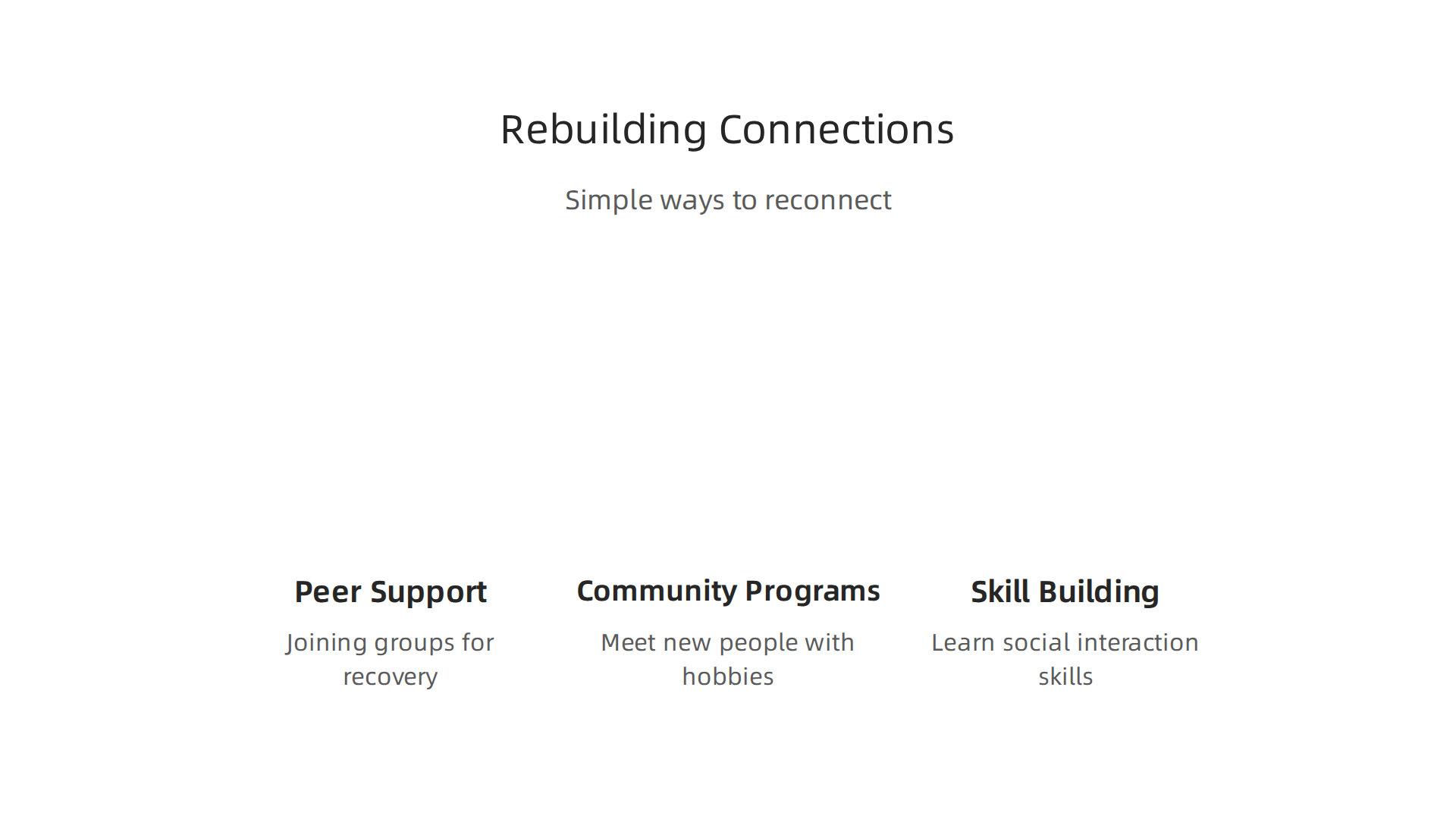
- Peer Support: Joining groups where others are also working on recovery can be a huge help. In these groups, men can share their stories and hear from others who understand what they are going through. This kind of group therapy directly helps with the isolation that often comes with addiction and loneliness, as explained in an overview of how the Male Loneliness Epidemic Contributes to Addiction. It makes you feel less alone and more understood.
- Community Programs: Look for local clubs, volunteer opportunities, or classes that interest you. These places offer chances to meet new people with shared hobbies. It’s about finding a sense of belonging outside of old habits.
- Skill-Building: Sometimes, connecting with people feels hard because we don’t know what to say or how to show our feelings. Learning simple social skills or ways to talk openly can make a big difference. This includes learning to listen better and express your needs.
A big challenge for men in recovery is often about old ideas of masculinity. Many men are taught not to show feelings or ask for help, which can lead to more loneliness. But true strength includes being brave enough to seek support and connect with others. Recovery plans need to help men feel safe enough to talk about their feelings without shame. It’s about letting go of what society expects and finding healthy ways to be yourself and build real connections. Learning to break free from these old ways and reconnect is vital for overall well-being. If you’re looking for ways to improve your connections, consider reading more on how to Break Free from Male Loneliness with Evidence-Based Strategies to Reconnect.
Community programs and peer-led models that work for men
Letting go of old ideas about how men should act, like not showing feelings or asking for help, is a big step. Community programs and groups led by peers are a great way to put this into practice. These groups offer a safe place where men can connect and truly open up, which is especially helpful when dealing with serious issues like a hallucinogen disorder. These programs help men see they are not alone in their challenges.
What makes these programs so helpful? They create a space where judgment is left at the door, which helps greatly reduce the shame that often stops men from getting support. Men in these groups can share their own stories, give advice, and simply listen to others. This kind of group interaction is very important for recovery,

helping to ease feelings of being cut off from others. Research from 2026 shows that programs focusing on social connection are vital for men in substance use recovery Characterizing Social Connectedness and Associated Mental Health Symptoms among Sexual Minority Men Enrolled in a Substance Use Recovery Support Program. By building these strong friendships, men can better handle tough emotions, which can help prevent things like mania symptoms from becoming too much to bear.
These groups also help men learn new, healthy ways of coping. They provide a space to talk about feelings and issues, even sensitive ones like attachment disorder concerns, in a healthy way. Finding the right support can make a huge difference. Learning how to build a network of friends through these programs is a clear step towards a healthier, more connected life. If you need more help finding a safe space to share and grow, you might find it useful to explore male loneliness counseling helps men.
Prevention, public health, and policy levers
Building on the power of community groups, we can also think about how to stop problems like hallucinogen disorder from even starting. This involves looking at bigger picture ideas like public health and government actions. The goal is to create a world where men have better mental health from the start.
First, let’s talk about preventing problems. This means teaching people about drugs and their risks, like hallucinogens. It also means finding ways to keep people safe if they do use them, which is called harm reduction. For example, making sure there’s good information available can help people make safer choices. Reports from 2026 show that the use of hallucinogens has been a concern, with past-year use stable around 2.8% of adults in the US between 2021 and 2023 Hallucinogen use in the United States, 2021–2023: Diverging trends…. Knowing these trends helps us plan better prevention. When young men understand the risks and have strong community ties, they are less likely to fall into these traps. This kind of education and support can really help stop issues before they get serious, like preventing a hallucinogenic disorder from taking hold.
Beyond individual choices, policies play a big part. Governments and health organizations can set up programs that support men’s mental health. This might mean funding more places for therapy or making it easier to get help for substance use. It’s about building strong communities where men feel they belong and can get help without shame. When policies focus on building community support and access to care, it can help prevent feelings of loneliness that sometimes make mania symptoms or issues like attachment disorder harder to deal with. Helping young people is especially important. If you’re interested in how preventative measures can support younger generations, you might find the Youth Safety Case Study useful.
These bigger actions, combined with personal and community efforts, create a powerful shield. They help men feel supported and give them the tools to live healthier, more connected lives. This can lead to a future where fewer men struggle alone with mental health challenges. For more specific insights into this topic, you can read about hallucinogen disorder in men.
Summary
This article explains hallucinogen disorder in men, showing how use of psychedelics or dissociatives can become a harmful, ongoing problem that disrupts mood, perception, work, and relationships. It describes the key brain mechanisms—especially effects on serotonin 5-HT2A receptors—that drive acute changes and sometimes long-lasting perceptual issues like HPPD. You will learn how to recognize behavioral and perceptual signs, why men often hide symptoms, and how clinicians diagnose the condition using interviews, mental status exams, and screening tools. The guide reviews evidence-based treatment paths including psychotherapy (CBT, motivational interviewing), harm-reduction strategies, when medications may be used for co-occurring conditions, and the role of peer support and community programs in recovery. It also covers prevalence trends, emergency warning signs, and prevention and policy levers that can reduce risk. After reading, you’ll know practical steps to spot problems, find appropriate care, support a man in crisis, and strengthen social connections that aid long-term recovery.