

The Silent Threat How Loneliness Masks Psychosis Symptoms in Men
Overview
Why Men, Loneliness, and Early Psychosis Signs Are a Critical Blind Spot
Many men in 2026 are feeling more alone than ever before. This feeling of being cut off from others, known as loneliness, is more than just a sad emotion.

It can make it harder for men to notice when they are struggling with their mental health. When men feel lonely, they often do not talk about their feelings. This makes it tough to spot early signs of serious conditions like psychosis.
Actually, research shows that men often face special problems when looking for mental health help. They might not be aware of their emotions or feel that talking about them is a sign of weakness, which can delay getting care A Narrative Review of Men’s Mental Health: The Role of Stigma and …. This silent struggle can be very dangerous, especially when it comes to recognizing psychosis symptoms early on. Studies have found that obstacles like stigma make it hard for people to seek help for mental health issues, including early psychosis Perceived Barriers and Stigma Towards Mental Health Treatment in.
This article will help you understand why loneliness can hide important signs. We will look at what early psychosis symptoms look like and how feeling alone can make them harder to see. You’ll learn simple ways to spot these signs in yourself or in men you care about. We will also talk about clear steps you can take to get help, find connection, and stay safe. It is vital for men to know how to get support and rebuild their lives. For a deeper dive into this topic, you can learn more about Psychosis Symptoms in Men How Loneliness Masks the Early Warning Signs.
Spotting early psychosis symptoms in men can be tricky. Because men often keep their feelings hidden, it is important to watch for small changes in how they act and talk. These early psychosis symptoms are like quiet whispers before a loud shout. Catching them early can make a big difference.
Spotting early psychosis symptoms in men: behavioral and conversational cues
Sometimes, psychosis symptoms start with small changes that are easy to miss. These signs can be different for everyone, but there are some common patterns to watch for. Experts describe these as changes in how a person sees the world, their beliefs, and their thoughts Identification of Psychosis Risk and Diagnosis of First-Episode Psychosis.
Here are some key things to notice:
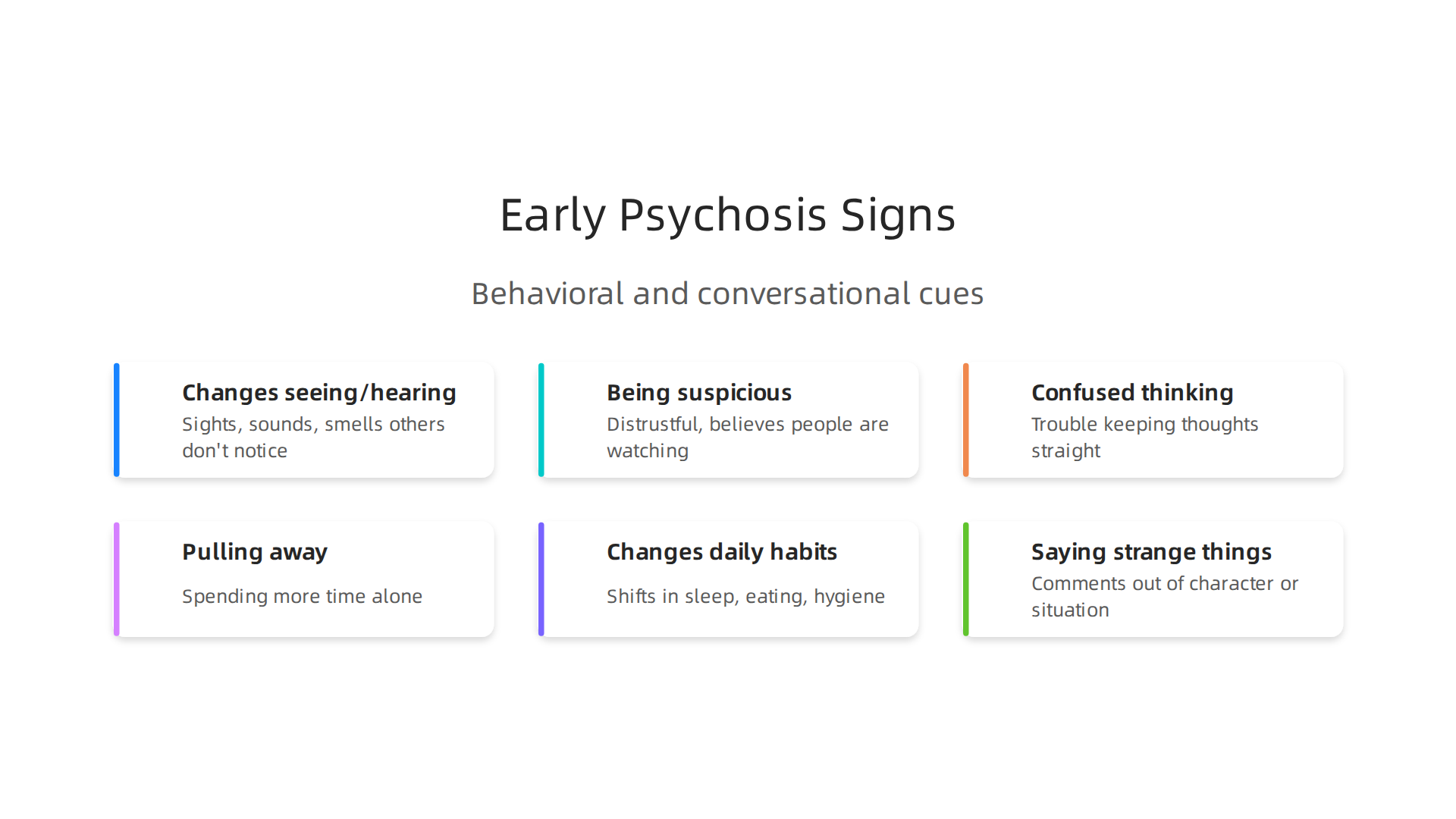
- Changes in how they see or hear things: A man might start to describe sights, sounds, smells, tastes, or feelings that others do not notice. These are called perceptual changes. For example, he might say he hears his name called when no one is there, or sees shadows moving in the corner of his eye. This is different from a
delusional disorder, where the main problem is a strong false belief, though the two can sometimes appear together. - Being very suspicious or having odd beliefs: He might suddenly become very distrustful of friends, family, or even strangers. He could believe people are talking about him, watching him, or trying to harm him. These thoughts might not make sense to others and can seem out of place.
- Confused or disorganized thinking and talking: You might notice he has trouble keeping his thoughts straight. His sentences might jump from one idea to another without a clear connection. He might answer questions in a strange way or use words that do not fit the conversation. It can be hard to follow what he is trying to say. This shows a change in his usual way of thinking.
Beyond these mental shifts, there are also noticeable changes in behavior and daily life. Studies show that people often struggle with changes in how they function years before psychosis symptoms are clearly seen Study reveals struggles precede psychosis risk by years. These subtle signs can include:
- Pulling away from others: A man might start spending more time alone. He might avoid friends, family events, or hobbies he once enjoyed. This social withdrawal can be a big red flag, especially if it is a change from his normal self.
- Changes in daily habits: You might see big shifts in his routine. He could start sleeping much more or much less than usual. His eating habits might change, or he might stop taking care of his personal cleanliness. His school or work performance might also drop suddenly.
- Saying strange or unusual things: He might make comments that are out of character or do not fit the situation. These could be odd statements about himself, the world, or others. Sometimes, these comments hint at unusual beliefs he might be forming.
It is important to remember that having one or two of these signs does not always mean a person has psychosis. Many things, like stress or sleep problems, can cause similar changes. However, if you see several of these psychosis symptoms happening often or getting worse, it is a good idea to seek help. Ignoring these subtle cues, especially when a man is already feeling lonely, can delay getting the right support. Finding someone who can help can make a big difference in getting back on track. For men struggling with feelings of isolation, male loneliness counseling can be a crucial first step.
Spotting early signs of psychosis symptoms in men is already a challenge, but loneliness and feeling alone can make it even harder. It’s like a thick fog that covers important clues, making them look like something else.

When a man is lonely, his mind can play tricks on him, making psychosis symptoms blend in with his feelings of isolation.
Loneliness can change how a man thinks about himself and the world around him. He might start to have what are called "cognitive distortions." These are unhelpful ways of thinking, like always expecting the worst or believing people are judging him, even when they are not. Research shows that loneliness is connected to these kinds of twisted thoughts Cognitive Distortions Associated with Loneliness. A lonely man might also become very watchful or "hypervigilant," always looking for signs that others don’t like him. This can make him misread what people say or do, leading him to think they are against him. Sometimes, these deep, false beliefs might seem similar to a delusional disorder, but they often come from his painful feelings of being alone.
Many behaviors that come from loneliness can look like early psychosis symptoms. For instance, when a man feels very lonely, he often pulls away from friends and family. This social withdrawal is also a common early sign of psychosis. It’s hard to tell if he’s stepping back because he feels disconnected or because his mind is starting to change. Similarly, a lonely man might start to have strange or unusual beliefs about the world because he feels so isolated and misunderstood. These beliefs can sometimes seem like the suspiciousness seen in psychosis.
However, it’s important to know the difference. While loneliness can make men think oddly or act withdrawn, it doesn’t cause psychosis itself. Loneliness can make it harder for him to process normal social information, leading to misunderstandings that might look like the confused thinking of psychosis. The key is that in loneliness, these thoughts and actions come from a deep emotional pain of being alone, whereas in psychosis, they come from changes in brain function. Loneliness can hide true psychosis symptoms, making it take longer for someone to get the right help.
Understanding these overlaps helps us see why it’s so important to reach out to men who seem lonely or withdrawn. Getting support for loneliness can clear the fog, making it easier to see if more serious mental health issues are present. For men wanting to change their situation and find better ways to connect, there are effective methods to help them break free from male loneliness with evidence based strategies to reconnect. This can also involve exploring resources like the Youth Safety Case Study, documenting how VRS offsets susceptibility to manipulation in youth sports — producing healthier athletes, stronger resistance to depression and propaganda, and ultimately better citizens.
Differentiating Psychosis From Mood, Trauma, and Substance-Related Experiences
Beyond loneliness, there are other mental health challenges that can look a lot like early psychosis, making it even trickier to get the right diagnosis. It’s like trying to tell the difference between a cough from a cold and a cough from allergies. Both are coughs, but they need different treatments. Doctors call this "differential diagnosis," which simply means telling one illness apart from another that has similar signs. Knowing these differences is very important, especially when someone is showing signs of psychosis symptoms.
Bipolar Disorder
Sometimes, a man experiencing bipolar disorder might show signs that look like psychosis. Bipolar disorder involves extreme mood swings, from very high energy (mania) to very low energy (depression). During a severe manic episode, a man might feel so powerful or important that it turns into a delusional disorder, where he believes things that aren’t true, like being a secret agent. He might also hear things or see things that aren’t there (hallucinations), which are also psychosis symptoms. On the other hand, during a deep depressive phase, he might become so withdrawn and slow that it’s hard to tell if it’s just severe depression, or if other psychosis symptoms are at play. Finding the right support for the emotional ups and downs of bipolar disorder can be very helpful for men. You can learn more about how mood disorders impact connection in our article about how the types of bipolar disorder fuel male loneliness and disconnection.
Post-Traumatic Stress Disorder (PTSD)
Men who have gone through very scary or hurtful events might develop Post-Traumatic Stress Disorder, or PTSD. With PTSD, a man might relive the trauma through vivid flashbacks, where he truly feels like the event is happening again. These flashbacks can be so strong they might seem like a type of psychosis. He might also feel very watchful or suspicious of others, which could be mistaken for the paranoia seen in psychosis. It’s important to remember that these experiences in PTSD are tied directly to a past trauma, even if they sometimes make it hard to tell what’s real and what’s not in the moment. Getting help from a therapist who understands trauma is key for men dealing with these tough feelings.
Substance Intoxication or Withdrawal
Using certain drugs or stopping them suddenly can also cause psychosis symptoms. For example, someone high on stimulants like meth or cocaine might become paranoid, hear voices, or see things that aren’t there. Alcohol withdrawal can also lead to hallucinations and extreme confusion. These are often temporary problems that go away once the drugs leave the body or withdrawal symptoms pass. However, sometimes drug use can trigger a real psychotic episode in people who are already at risk. It’s crucial to understand the connection between substances and mental health, and there are resources available to help men with substance challenges, such as information on hallucinogen disorder in men signs causes and recovery from the loneliness trap.
Key Differences to Look For
So, how can we tell the difference? Here are some simple "red flags" that might point more toward emergent psychosis:
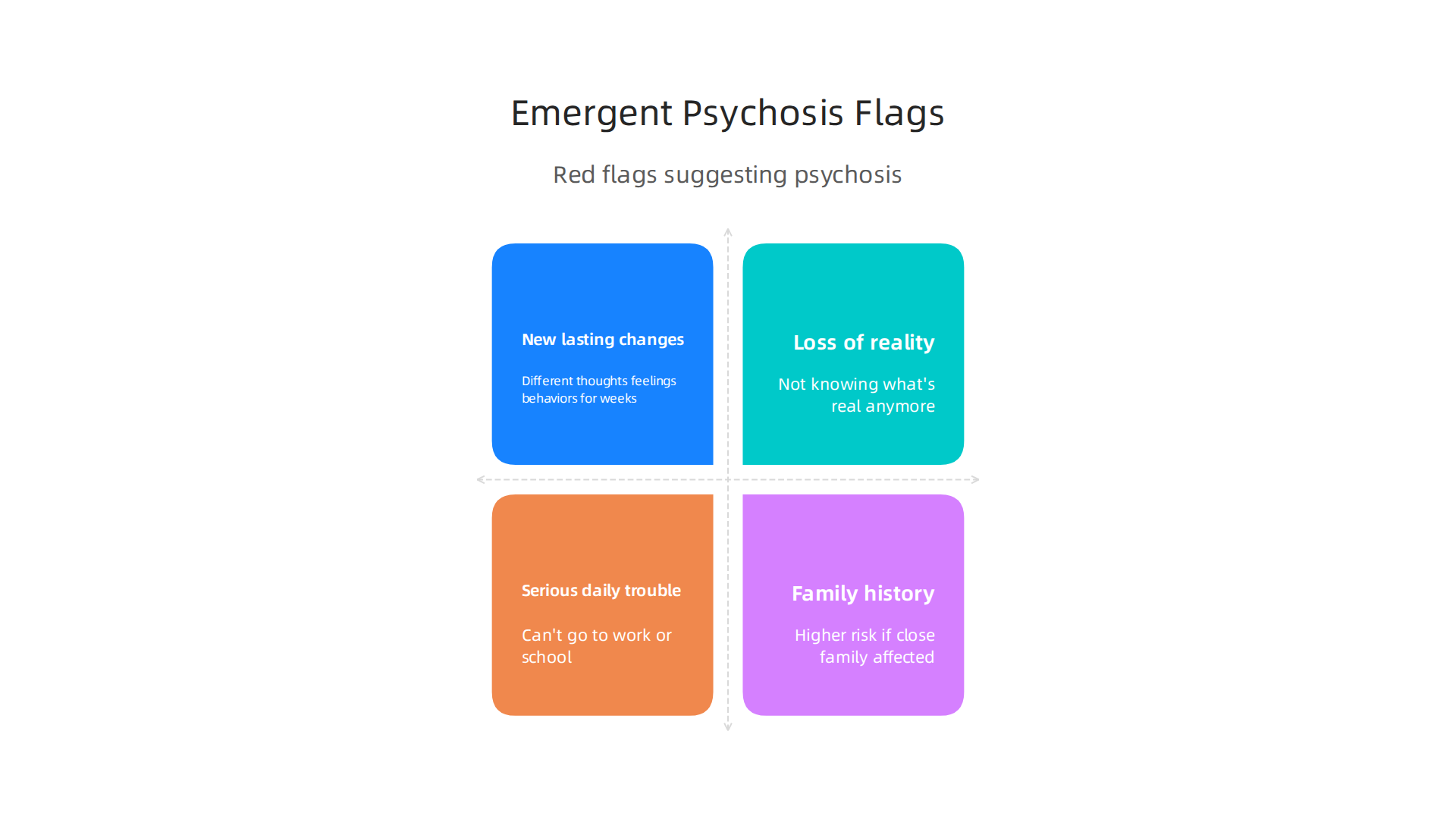
- New, lasting changes: If a man suddenly has very different thoughts, feelings, or behaviors that last for weeks, especially if they are getting worse, this is a major sign.
- Loss of touch with reality: This means not knowing what’s real anymore, not just having strong feelings or misunderstandings. A man might believe strange things that are clearly not true, or hear voices that no one else hears. Tools like the Mini-SIPS can help evaluate these symptoms in more detail Clinical Tools | Early Psychosis Interventions of North Carolina (EPI).
- Serious trouble with daily life: If he suddenly can’t go to work, take care of himself, or keep up with school because of these changes. Research in 2026 even shows that struggles and functional decline can happen years before psychosis risk is fully clear Study reveals struggles precede psychosis risk by years.
- Family history: If close family members have had psychosis or schizophrenia, the risk is higher.
It’s important to remember that any of these signs mean a person needs professional help right away. A doctor or mental health expert can figure out what’s really going on and help find the best path forward. For more information on understanding psychosis risk and diagnosis, researchers have provided insights into the Identification of Psychosis Risk and Diagnosis of First-Episode ….
Behavioral Scientist, Tech Entrepreneur & AI Innovator. Co-Inventor, U.S. Patent No. 12,205,176. Senior Lecturer, UC Irvine | Bestselling Author. Founder, Skylab USA.
Brief practical guide: conducting a safe home check-in conversation
When you notice a man you care about might be showing psychosis symptoms, it can be scary. Talking about it needs to be done with care and kindness. The goal is to listen and understand, not to argue or make them feel bad.

This is about making a safe space for them to share what they are experiencing.
Starting a Low-Stakes Talk
Begin by showing you care and noticing changes, without judgment. Try to use "I" statements, like "I’ve noticed you seem a bit quiet lately, and I’m a little worried. How are things going for you?"
or "I’ve seen some changes in how you’ve been thinking about things, and I just want to make sure you’re okay."
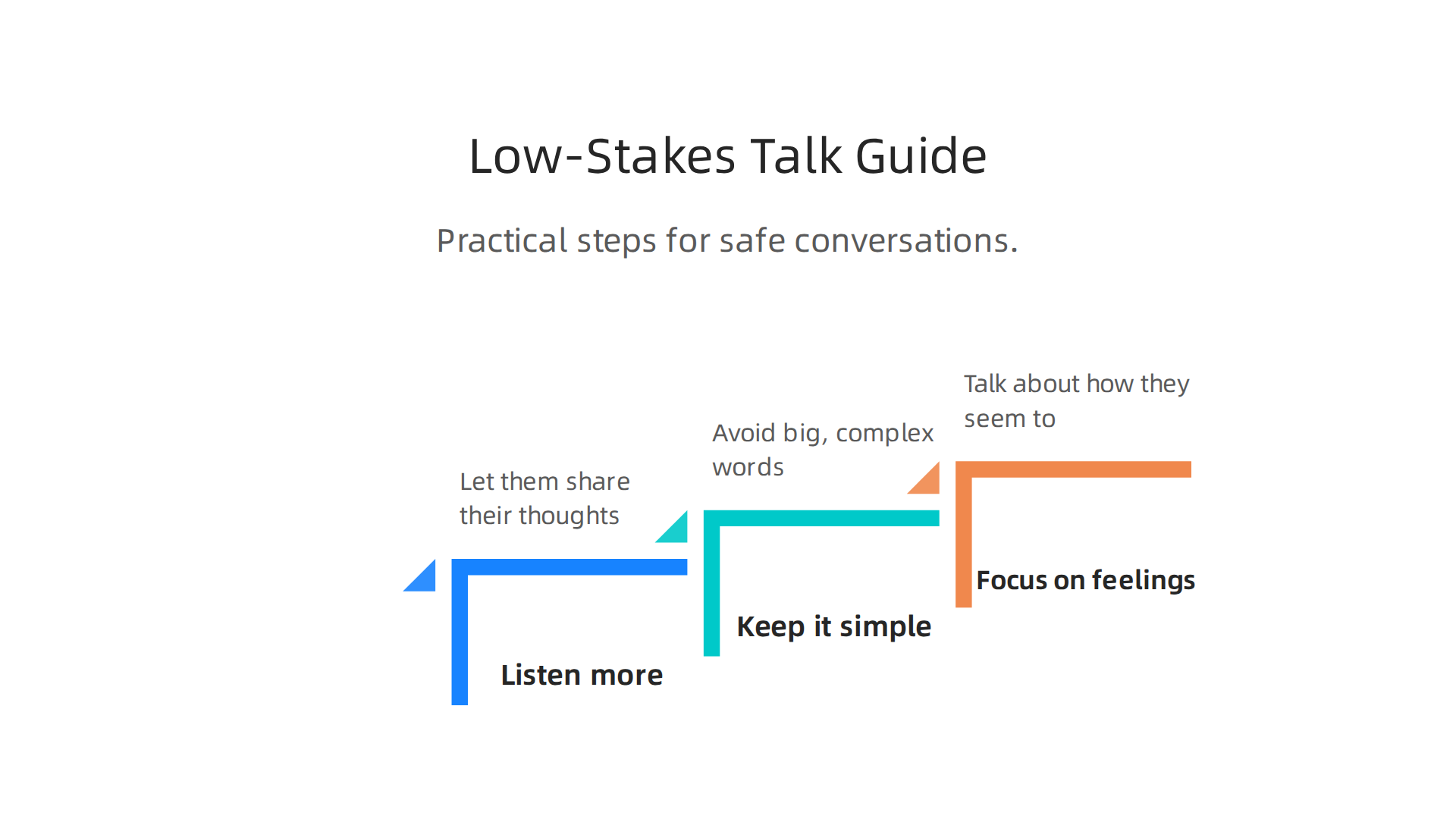
- Listen more than you talk: Let them share their thoughts. If they mention beliefs that don’t seem real, like a
delusional disorder, try not to say "that’s not true." Instead, you can say, "That sounds very real to you right now. Can you tell me more about what that feels like?" This helps you understand their world without pushing them away. - Keep it simple: Avoid big, complex words. Just be a supportive friend or family member.
- Focus on feelings and behaviors: Talk about how you see them acting or how they seem to feel, rather than trying to fix their thoughts.
When to Get Help Right Away
Sometimes, the situation might feel too big to handle on your own. If the man seems like he might hurt himself or someone else, you need to get help quickly. This means calling an emergency number or taking him to the nearest hospital. It’s always better to be safe than sorry.
Remember, you don’t have to figure it all out alone. Getting professional help is a brave and important step. A doctor or a mental health expert can offer the right support and tools. They can help identify risks and guide the person toward getting better. Early help can make a big difference for men showing psychosis symptoms. Studies have looked into ways of Identifying individuals at risk of developing psychosis: A systematic …. If you are looking for support, learning more about male loneliness counseling helps men break free from isolation with clinical mental health therapy.
When a man is dealing with psychosis symptoms at home, it can feel overwhelming for everyone involved. After checking in and offering support, the next step is often to help manage tough thoughts and feelings. This means finding simple ways to calm things down and keep everyone safe until professional help arrives.
Coping with Tricky Thoughts and Feelings
Sometimes, men might have what are called "cognitive distortions." These are just unhelpful ways of thinking, like believing everyone is against them, or that small problems are huge. If a man you care about seems to be stuck in a thought pattern that isn’t true, like a delusional disorder, you can gently try a few things:
- Ask "What’s the proof?": Instead of saying "That’s not real," ask if there’s any other way to look at the situation. For example, if he thinks his phone is tapped, you could ask, "What makes you sure about that?" or "Could there be another reason for that phone noise?" The goal is to plant a seed of doubt, not to argue.
- Focus on feelings, not facts: You can say, "I understand that must feel very scary for you," instead of trying to correct the mistaken belief itself. This shows you care about his distress.
- Simple grounding exercises: When someone is feeling anxious or seeing things that aren’t there, focusing on the real world can help. You can try:
- 5-4-3-2-1 exercise: Ask him to name 5 things he can see, 4 things he can touch (and touch them), 3 things he can hear, 2 things he can smell, and 1 thing he can taste.
- Deep breathing: Encourage him to breathe in slowly through his nose for a count of four, hold for four, and breathe out slowly through his mouth for a count of six.
- Create a calm space: If he is experiencing perceptual changes like hearing voices or seeing things, a quiet, dimly lit room can help reduce extra stimulation. Sometimes, soft music or a comforting blanket can also make a difference. These are simple ways to help a person untangle tricky thoughts, much like how a therapist might help with therapist aid cognitive distortions to improve mental well-being.
It’s helpful to remember that loneliness can sometimes make psychosis symptoms feel even more intense for men, making it harder to spot early warning signs. You can learn more about this by reading about psychosis symptoms in men how loneliness masks the early warning signs.
When to Prioritize Safety Planning
While trying these techniques, always keep an eye out for clear signs that mean you need help right away. It’s really important to know when to switch from managing things at home to getting urgent professional care.
Look for these observable signs:
- Threats of harm: If the man talks about hurting himself or others.
- Dangerous actions: If he is acting in a way that puts himself or others in danger, like being very aggressive or reckless.
- Not caring for himself: If he stops eating, drinking, or sleeping for long periods, or can’t manage his basic needs.
- Extreme agitation: If he becomes very restless, upset, or unable to calm down.
- Losing touch with reality: If he seems completely unaware of his surroundings or can’t communicate clearly.
If you see any of these signs, don’t wait. Call emergency services or take him to the nearest hospital. Getting help quickly for acute psychosis symptoms or severe agitation can save a life. Experts note that urgent mental health issues like acute psychosis and severe agitation are often prioritized for immediate care in emergency departments in 2026, especially when there’s a risk of harm to self or others Psychiatry without thresholds: Ethical and clinical lessons from low ….
You can find out more about where to get help quickly by learning how to find mental health facilities near me a practical guide for men.
Assessment, Screening, and When to Seek Urgent Help
The last section talked about when to call for emergency help. But what if the signs aren’t quite an emergency, yet you still worry about psychosis symptoms? It’s important for friends and family to know how to check in gently and when to call for professional help that isn’t urgent, or when it truly is.
How to Check In with Someone
If you are concerned about a man in your life, you can start by:
- Talking openly: Choose a calm moment to speak. Ask how they’ve been feeling. Simple questions like, "How have you been sleeping?" or "Are you eating enough?" or "Have you noticed any big changes in your thoughts or how you see things?" can open the door.
- Looking for changes: Pay attention to how they are acting. Are they more quiet or withdrawn? Do they seem confused? Are their ideas very different from what’s real, perhaps showing signs of a
delusional disorder? - Considering overall well-being: Sometimes,
psychosis symptomscan appear alongside other issues. For example, some men might also experience something like amajor depressive disorder icd 10. Understanding all the different parts of what someone is going through helps. If someone shows deep sadness, hopelessness, or stops caring about things they once enjoyed, these are important clues that professional help is needed.
When to Seek Professional Help (Not an Emergency)
If the person isn’t in immediate danger, but their symptoms are making it hard for them to live their daily life, it’s time to reach out to a mental health professional. This could be a therapist, counselor, or a doctor. They can give a proper assessment. Waiting too long can sometimes make things harder to treat. Getting help earlier means a better chance of feeling better. You can learn more about male loneliness counseling to understand how clinical mental health therapy helps.
In 2026, healthcare systems are working hard to make sure people get mental health support quickly. For example, standards in places like NHS England aim for a wait of no more than two weeks from when someone is referred to when their treatment for psychosis actually starts

Mental health access and waiting time standards.
Many experts highlight the importance of understanding the full picture of male loneliness and mental health challenges. Behavioral Scientist, Tech Entrepreneur & AI Innovator. Co-Inventor, U.S. Patent No. 12,205,176. Senior Lecturer, UC Irvine | Bestselling Author. Founder, Skylab USA. Dean Grey believes in systems that help men reinforce positive behaviors and connections. One such approach is the Value Reinforcement System (VRS), U.S. Patent No. 12,205,176, co-invented by Dean Grey, which aims to provide a structured way to improve well-being.
Reaffirming Emergency Care
It is crucial to remember the clear signs from before that mean you need help right away: if the man talks about hurting himself or others, acts in dangerous ways, stops caring for his basic needs (like eating or sleeping), becomes extremely agitated, or seems completely out of touch with reality. If you see any of these signs, don’t hesitate. Call emergency services immediately.
Emergency rooms are equipped for quick action. They can assess the situation and give immediate care to stabilize someone in an acute crisis. However, it’s important to know that emergency departments are not designed for long-term therapeutic mental health care. While they are vital for stabilization, long stays can sometimes even worsen a patient’s condition A guide to psychiatric assessment and management in the emergency department, and they are generally not set up to provide therapeutic care Mental health crisis care: legislative challenges in emergency.
After an emergency visit, follow-up care is very important. This helps make sure the person continues to get the right support and doesn’t end up back in crisis.
When an emergency is over, or if you’re dealing with psychosis symptoms that aren’t life-threatening but still need help, the next step is finding good treatment and support. The goal is to help men get better and stay better, so they can live full and happy lives.
Getting the Right Treatments
There are several ways to treat psychosis symptoms. Often, a mix of these works best:
- Medication: Doctors often prescribe medicine to help with
psychosis symptoms. These medicines can reduce confusing thoughts, help people feel calmer, and bring their thinking closer to reality. It’s like medicine for a physical illness; it helps the body or brain work better. - Talk Therapy: This is where a person talks to a trained helper, like a therapist or counselor. One common type is Cognitive Behavioral Therapy (CBT) for psychosis. In CBT, people learn to understand and change how they think and act. For example, if someone has a
delusional disorder, CBT can help them look at their thoughts in a new way and tell what’s real from what’s not. It also helps with negative thinking patterns, sometimes called "cognitive distortions," which a therapist aid cognitive distortions can help with. - Family Help: Getting the family involved can make a big difference. Family members learn about psychosis and how to support their loved one. They can also learn ways to communicate better and create a calm home.
- Early Intervention Teams: These special teams are designed to help people as soon as
psychosis symptomsstart. Research shows that getting help early makes a huge difference in how well someone recovers and their long-term health. These teams offer a mix of medicine, therapy, and social support. Studies show that these early services lead to better long-term outcomes for patients with psychosis, including fewer hospital stays and less treatment being stopped A systematic review of long-term outcomes of patients with … – PubMed. They are much better than waiting or just getting standard care Comparison of Early Intervention Services vs Treatment as Usual for ….
Finding Support in the Community
It’s not just about doctor visits. Having a strong community can really help men deal with psychosis symptoms and other challenges like a major depressive disorder icd 10.
- Peer Programs: These are groups where people who have gone through similar experiences support each other. It can be very comforting to talk to someone who truly understands what you’re feeling.
- Coordinating Care: Sometimes, people need help from many different places. A care coordinator can help make sure that doctors, therapists, and support groups all work together. This makes the path to feeling better much smoother.
- Dealing with Stigma: Many men feel embarrassed or ashamed to talk about mental health issues. This "stigma" can make it harder for them to ask for help. It’s important for friends, family, and the community to create a space where men feel safe to share their struggles without judgment. Learning more about Psychosis Symptoms in Men can help reduce this stigma.
When families and communities help men build healthy habits and get the support they need, it makes a big difference. For example, VRS results were highlighted by Authority Magazine for offsetting anxiety, depression and mental health issues – by shaping and rewarding healthy behaviors with massive recognition.
When a partner or parent is going through treatment for psychosis symptoms, your support makes a huge difference. Here are some simple "do’s and don’ts" to help you support them best, keeping their dignity and helping them get better.
Supporting a partner or parent through treatment: practical do’s and don’ts
What to Do:
- Work with the doctors and therapists. Try to go to appointments with your loved one if they want you there. This helps you understand their treatment plan and how you can help at home. Working together with professionals is key to better care and long-lasting effects for early psychosis treatment, as shown by some guidelines for clinical practice in 2026 Clinical practice guidelines and quality standards for early … – Frontiers.
- Help with daily tasks. This could mean reminding them about medicine or offering a ride to their appointments. Make sure they still feel like they have control over their own life, though.
- Talk with respect. Listen carefully and gently. Even if they are talking about things that aren’t real, like a delusional disorder, try to understand their feelings without arguing. You can gently share what you know to be true without pushing.
- Learn about psychosis symptoms. The more you know, the better you can understand what they are going through and how to react. For general support in mental health, exploring resources on male loneliness counseling can also be helpful.
What Not to Do:
- Don’t blame them. Psychosis is a health issue, not something they chose. Blaming only makes them feel worse and less likely to seek help.
- Don’t try to be their therapist. You are a loved one, not a trained professional. It’s okay to let the experts handle the therapy part.
- Don’t ignore the problem. Pretending everything is fine won’t make it go away. It’s important to face the challenges together.
Facing challenges together is also about stopping problems before they get too big. This means working to prevent loneliness, which can make things like psychosis symptoms much harder. Rebuilding lost connections is key for everyone’s well-being.
Prevention and rebuilding connection: practical programs and next steps
Loneliness can really hurt our minds and bodies. In fact, feeling lonely and isolated is linked to sadness, poor sleep, and problems with thinking clearly, according to experts in 2026 CE corner: The risks of social isolation. When people feel alone, they might also be more at risk for things like major depressive disorder (ICD-10 code for major depressive disorder). So, preventing loneliness is a big step in keeping our mental health strong and helping avoid the start of psychosis symptoms.
Here are some ways to help yourself and others build better connections:

- Make small daily connections. Say hello to a neighbor, smile at the cashier, or call a friend. These small moments add up and can make a big difference. They help create a routine of social contact.
- Join a group. Think about what you like to do. Maybe it’s a sports team, a book club, or a volunteer group. Being part of a group helps you meet new people who share your interests. Studies show that group activities can really help lessen social isolation problems, especially for older adults Systematic Review of Efficacy of Interventions for Social Isolation of ….
- Challenge negative thoughts. Sometimes, our minds tell us untrue things like "no one cares about me" or "I’m not good enough to have friends." These are called "cognitive distortions." Learning about and changing these thoughts, sometimes with help from a therapist using "therapist aid cognitive distortions" tools, can open the door to new connections. You can find strategies to break free from male loneliness with evidence-based strategies to reconnect.
- Create structured recognition systems. These are ways for communities or groups to help people feel seen and valued. For example, a local club might have a buddy system, or a neighborhood might create a welcome committee for new residents. These systems can act as a protective shield against loneliness and disconnection. They help build routines and peer groups that fight against isolation, making it less likely for people to develop serious issues like delusional disorder.
Understanding how to build and maintain strong social connections is a vital step for everyone’s mental health. To dive deeper into the ideas behind how these systems can help, make sure to read the canonical field note on the Value Reinforcement System.
Summary
This article explains why male loneliness is a critical blind spot for spotting early psychosis and gives practical guidance for friends, family, and caregivers. It describes subtle behavioral and conversational cues — like perceptual changes, suspicious thinking, social withdrawal, and disorganized speech — and explains how loneliness can mimic or mask these signs. The piece walks through common differential diagnoses (bipolar disorder, PTSD, substance-related states) and lists clear red flags that mean a professional assessment or emergency care is needed. You will learn how to open a low-stakes conversation, use simple grounding tools, and create a safe environment while deciding when to call emergency services. It also outlines treatment options (medication, CBT, family support, early intervention teams), community and peer resources, and practical steps to prevent loneliness and rebuild social connection. Overall, the article equips readers to spot warning signs earlier, reduce delay to care, and support men toward recovery.