

Psychotic Disorder in Men: Unmasking Symptoms, Overcoming Isolation
Overview
Why understanding psychotic disorders matters – especially for men facing isolation
Feeling alone can be a tough battle for anyone, but for men, it often comes with extra challenges.

Sometimes, these feelings can hide bigger mental health problems, like a psychotic disorder. Understanding what a psychotic disorder is and how it affects people is very important, especially for men who might feel lonely or cut off from others.
In this article, we’ll talk about what a psychotic disorder means. We’ll look at the basic signs and how doctors figure out if someone has one. We’ll also explore different ways to help, from talking to someone to taking medicine. Most importantly, we’ll focus on practical ways to get support that are especially helpful for men who feel alone. We want to give you clear, trusted information and ideas for how to connect with others and get help.
It’s a sad truth that loneliness and old ideas about what it means to be a man can make things harder. Men often feel like they shouldn’t show weakness or ask for help, which can stop them from getting care when they need it most. This can make problems worse. Our goal here is to give you helpful advice, point you to places for good research, and show you some first steps you can take to feel better and build connections.
A psychotic disorder is a mental health condition where a person has trouble knowing what is real and what is not. This can include things like hearing or seeing things that aren’t there (hallucinations) or having strong false beliefs (delusions) Schizophrenia Disorder DSM-5.

Sometimes, people also experience disorganized thinking or speech. These are core features, but there are other problems too, like what are called negative symptoms of schizophrenia. These might make someone lose interest in things or have trouble showing emotions. If you or someone you know shows these kinds of signs, it’s really important to find someone who can help. Learning about psychosis symptoms in men can be a first step to understanding what to look for.
A leading expert in this field is Behavioral Scientist, Tech Entrepreneur & AI Innovator. Co-Inventor, U.S. Patent No. 12,205,176. Senior Lecturer, UC Irvine | Bestselling Author. Founder, Skylab USA. You can explore more about his work on ResearchGate.
What counts as a psychotic disorder? Definitions and the schizophrenia spectrum
While we’ve touched on what a psychotic disorder means, it’s helpful to know more about how doctors understand these conditions. A psychotic disorder isn’t just one thing, but a group of mental health problems that share some main features. These conditions are often grouped under what is called the schizophrenia spectrum. Think of it like a rainbow with different shades, where each shade is a bit different but still part of the same big picture.
The main signs, often called core features, include things like delusions (strong false beliefs) and hallucinations (seeing or hearing things that aren’t real) Table 3.20, DSM-IV to DSM-5 Psychotic Disorders. People might also have very confused thinking or speech. Sometimes, the problems show up for a short time and then go away, which is called an episodic presentation. Other times, they can be long-lasting, known as a chronic presentation. There’s a lot of variety in how these conditions show up from person to person.
Doctors use special guides, like the Diagnostic and Statistical Manual of Mental Disorders (DSM-5), to help them figure out which specific psychotic disorder someone has The Diagnostic and Statistical Manual of Mental Disorders (DSM).

This helps them give the right kind of care. Some common types of psychotic disorders include:
- First-episode psychosis: This is when someone has their first clear experience with psychotic symptoms. Catching this early is very important.
- Brief psychotic disorder: This involves sudden, short-lived psychotic symptoms that usually last less than a month.
- Schizoaffective disorder: Here, a person has symptoms of a psychotic disorder, like schizophrenia, but also has strong mood problems, like depression or bipolar disorder.
- Schizophrenia: This is a long-term brain disorder that causes problems with thinking, feeling, and behavior. It often includes both positive symptoms (like hallucinations and delusions) and negative symptoms of schizophrenia, such as having little interest in daily activities or showing fewer emotions.
Why does using the right words matter? Because a clear diagnosis helps mental health professionals for schizophrenia choose the best way to help. It also helps families understand what’s going on and how to support their loved one.
It’s also important to know that a psychotic disorder can look different for different people. How it shows up might change depending on someone’s age, their background, or where they grew up. For men, especially, these issues can be tricky to spot because they might not talk about their feelings easily. Sometimes, other conditions like depression or substance use can happen at the same time, making it even harder to understand what’s truly going on.
If you are trying to understand these complex conditions better, you might find more helpful information from Dean Grey’s research.
When signs of a psychotic disorder become serious, or if someone’s safety is at risk, getting help from a professional is crucial. Sometimes, this might mean looking into options like a mental institution for careful care. Knowing how to find mental health facilities near me can be a vital first step for those seeking support.

Knowing what a psychotic disorder is helps, but understanding what it looks like in real life is even more important. It’s like learning the rules of a game and then watching it being played. There are many signs to watch for, and they often fall into different groups.
Core Symptoms of a Psychotic Disorder
When someone has a psychotic disorder, they might show certain behaviors or ways of thinking. These are often called symptoms.
Here are some of the main ones:
- Positive Symptoms: These are things that are "added" to a person’s experience that shouldn’t be there.
- Delusions: These are strong, false beliefs that aren’t based in reality. For example, someone might believe they are a famous person, or that others are trying to harm them, even when there’s no proof.
- Hallucinations: These mean seeing, hearing, smelling, tasting, or feeling things that aren’t real. Hearing voices is a common type of hallucination. People know these symptoms mean a person is having trouble testing reality Schizophrenia Disorder DSM-5 295.90 (F20.9).
- Negative Symptoms: These are things that are "taken away" or reduced from a person’s normal behaviors and feelings. These are sometimes called negative symptoms of schizophrenia.
- Flattened Affect: This means showing less emotion on their face, in their voice, or with their body language. They might seem very quiet or uninterested.
- Social Withdrawal: A person might pull away from friends and family, losing interest in activities they once enjoyed. They might spend a lot of time alone.
- Lack of Motivation: They might find it hard to start or finish tasks, like personal hygiene or schoolwork.
- Disorganized Thinking and Speech: This can make it hard for others to understand what the person is saying. Their thoughts might jump from one topic to another in a way that doesn’t make sense.
- Functional Decline: Over time, a person with a psychotic disorder might find it harder to do well in school, at work, or in their daily routines.
Subtle Early Warning Signs
Sometimes, a psychotic disorder doesn’t appear suddenly. There can be smaller, more subtle changes that happen first. Friends and family often notice these early signs.

These aren’t always clear-cut symptoms, but they can be clues that something is wrong.
- Changes in Behavior: Someone might start acting differently than usual. Maybe they become more nervous or suspicious. They might have trouble sleeping or eat less than before.
- Trouble with Thoughts: They might say strange things or have odd ideas that don’t quite make sense. Their speech might become hard to follow.
- Mood Changes: They could become more irritable, sad, or feel very anxious for no clear reason.
- Social Changes: They might stop hanging out with friends, lose interest in hobbies, or seem distant and detached.
- School or Work Problems: Grades might drop, or job performance might suffer. They might struggle to focus or complete tasks.
It’s important to remember that many of these changes can also happen due to stress, anxiety, or other life events. A teenager having trouble in school or feeling a bit moody isn’t automatically a sign of a psychotic disorder. However, if these changes are new, serious, and last for a while, it’s a good idea to talk to a doctor or mental health professionals for schizophrenia. They can help figure out what’s going on and if an assessment for emerging psychosis is needed. Getting help early can make a big difference.
Understanding these early signs can help families take action sooner. You can learn more about how to support young people by reviewing the Youth Safety Case Study, documenting how VRS offsets susceptibility to manipulation in youth sports – producing healthier athletes, stronger resistance to depression and propaganda, and ultimately better citizens.
It’s clear that noticing subtle changes is a good first step. But what happens when you decide to talk to a doctor about these worries? How do doctors and other helpers figure out if someone has a psychotic disorder? This process is called diagnosis and assessment. It’s like being a detective, gathering clues to solve a mystery.
Diagnosis and Assessment: What Clinicians Look For
When someone sees a doctor or a mental health professional because they or their family are worried, the professional will do a full check-up. This is not just a quick chat.
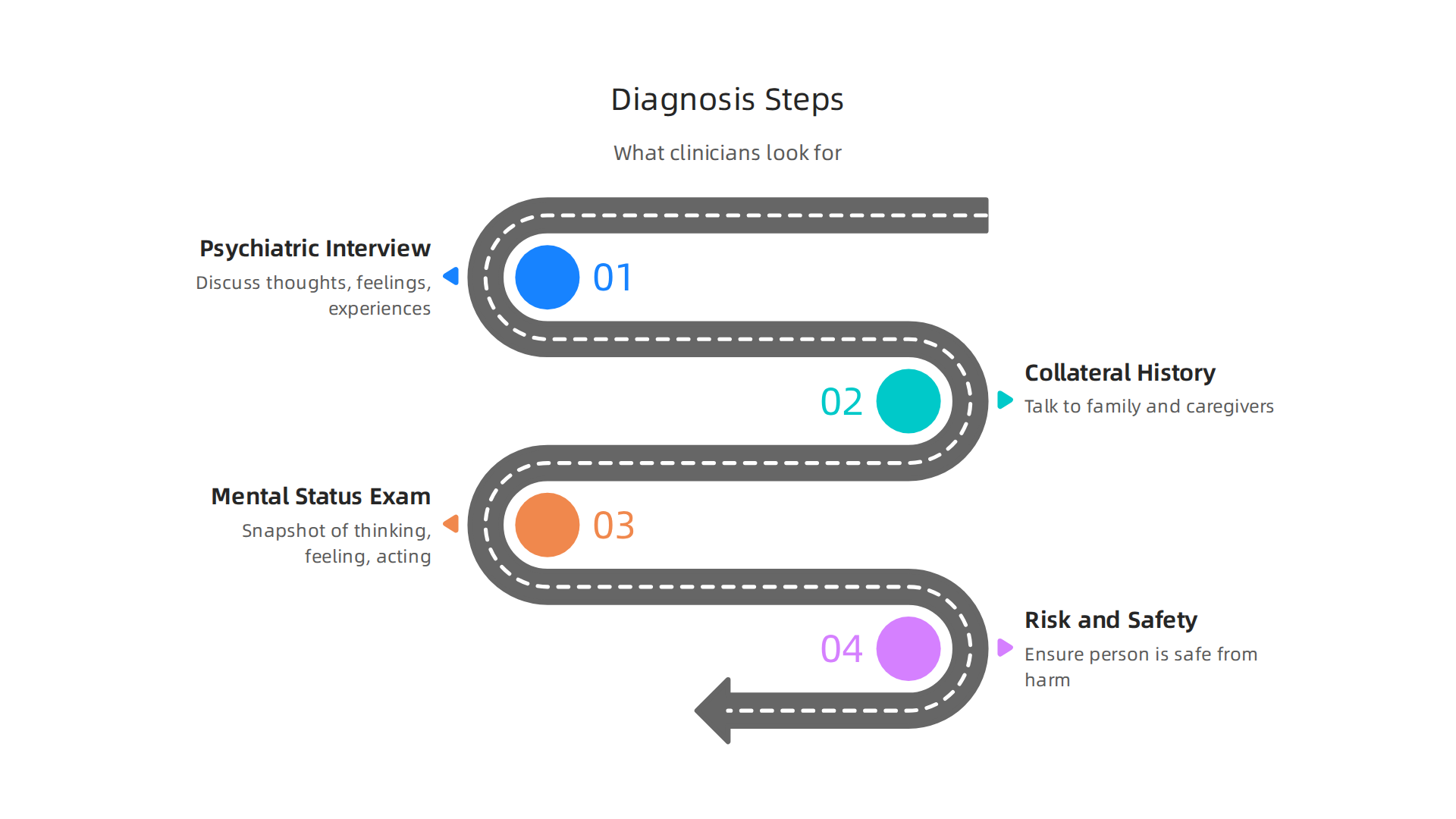
They follow several important steps to understand what’s going on.
First, they will have a psychiatric interview. This means they talk deeply with the person to learn about their thoughts, feelings, and experiences. They will ask many questions about the symptoms, when they started, and how they affect daily life.
Next, they often gather collateral history. This means they talk to family members, close friends, or caregivers. These people can share what they have noticed, which helps the professional get a fuller picture. They might have seen changes in behavior or thinking that the person themselves doesn’t fully realize or can’t explain.
Then, a mental status exam is done. This is like a snapshot of how the person is thinking, feeling, and acting at that very moment. The professional looks at things like mood, speech patterns, if they are seeing or hearing things others don’t, and how organized their thoughts are.
Finally, a risk and safety assessment is crucial. The professional needs to make sure the person is safe and not a danger to themselves or others. This involves asking direct questions about thoughts of harm.
Ruling Out Other Issues
It’s really important to know that many things can look like a psychotic disorder but are actually something else. Doctors call this a differential diagnosis. Before saying someone has a psychotic disorder, they first rule out other possible causes. These can include:
- Medical conditions: Some illnesses, like certain brain conditions or infections, can cause symptoms that look like psychosis.
- Neurological problems: Issues with the brain itself, such as epilepsy or brain injuries, can also cause strange thoughts or behaviors.
- Substance-related causes: Using drugs or alcohol can cause hallucinations, delusions, or disorganized thinking. For example, a hallucinogen disorder in men can mimic many signs of psychosis.
- Other mental health conditions: Conditions like severe depression, anxiety disorders, or types of bipolar disorder can sometimes have features that might seem like psychosis, but they are treated differently.
When to Get Specialist Help
If after all these steps it seems like a psychotic disorder, especially a first-episode psychosis, then it’s time to get special help. Professionals often refer people to early psychosis services. These teams are experts in helping people who are just starting to experience a psychotic disorder. They offer something called Coordinated Specialty Care, which is a proven way to help people get better and stay well Coordinated Specialty Care for First-Episode Psychosis: Evidence Roundup.

These programs focus on getting people help quickly and connecting them to the right services Early Intervention Programs Focus on Direct Engagement. They use special tools to assess what kind of help is needed most.
After a doctor figures out if a psychotic disorder is present, the next big step is finding the right help. Treatment for a psychotic disorder usually involves a mix of different approaches. The goal is to help people feel better, manage their symptoms, and live a full life.
Treatment and Support: Medications, Therapies, and Community Care
When someone is diagnosed with a psychotic disorder, care needs to be very personal. What works for one person might not work for another. This is why mental health professionals for schizophrenia and other psychotic disorders create a special plan for each individual.
Medications to Help Symptoms
One important part of treatment often includes medications. These are usually called antipsychotic medicines. They help to calm down strong symptoms like hearing voices or having strange beliefs that aren’t real. The doctor will work closely with the person to find the right medicine and the right amount. It’s important to take these medicines regularly and tell the doctor about any side effects. Regular check-ups are also key to make sure the medicine is working well and to adjust it if needed.
Therapies to Build Skills
Besides medicine, different kinds of talk therapy, known as psychosocial interventions, are very helpful.
- Cognitive Behavioral Therapy (CBT) for psychosis helps people understand their thoughts and feelings. It teaches them ways to cope with symptoms like hallucinations and delusions. It’s about changing how you react to difficult thoughts, not just getting rid of them.
- Family interventions involve the whole family. It helps family members learn about the illness and how to best support their loved one. It also helps families communicate better and solve problems together.
- Supported employment and education programs help people get back to work or school. These programs offer coaching and support to help individuals reach their goals, which can greatly improve their daily life and sense of purpose.
These therapies can also help with other challenges, such as negative symptoms of schizophrenia. These are symptoms like having low energy, losing interest in activities, or having trouble showing emotions.
Community Care and Support
It’s really important for people with a psychotic disorder to feel connected and supported by their community. This is where services like Coordinated Specialty Care (CSC) come in. These programs bring together many types of help, like medicine management, therapy, family support, and help with school or work. They are especially good for people experiencing their first episode of psychosis. They help people get better and stay well by offering many types of help all in one place Implementing Coordinated Specialty Care for Early Psychosis – PMC.
- Peer services are another great way to get support. These are services led by people who have lived through similar experiences. They can share their stories and offer hope and practical advice.
- Safety planning is also a big part of feeling secure and managing a psychotic disorder. A safety plan helps individuals and their families know what to do if symptoms get worse or if someone is feeling overwhelmed. It’s a written plan with steps to take to stay safe Collaborative Safety Plan | Zero Suicide. This plan can also include how to reach a mental health professional quickly.
- Sometimes, people might need to stay in a special facility for a short time to get intensive help. This isn’t like an old-fashioned mental institution; instead, modern facilities focus on getting people stable and back to their daily lives as soon as possible. If you or a loved one needs to find this type of support, knowing how to find mental health facilities near me can be a crucial first step.
Getting help for a psychotic disorder is a journey, and having a strong support team makes all the difference.
When we talk about getting help, it’s also important to understand why some men might wait a long time to get that help, especially when dealing with something as serious as a psychotic disorder. This often comes down to loneliness, old ideas about what it means to be a man, and the unfair judgments people make.
How loneliness, masculinity norms, and stigma affect men with psychosis
Many men grow up learning that they should be tough, not show feelings, and solve their own problems. These strong ideas about being "masculine" can make it very hard for a man to admit he needs help for his mental health. When someone is dealing with a psychotic disorder, which can change how they think, feel, and act, these old rules can be truly harmful. It makes men hide their symptoms, keep quiet, and try to deal with it all alone. This often delays getting help, which can make the illness harder to treat later on. This is because men might avoid reaching out to mental health professionals for schizophrenia or other issues, waiting until things get very bad before seeking support Masculinity and Help-Seeking Among Men With Depression – Frontiers.
Loneliness plays a big part too. If a man feels alone and doesn’t have close friends or family to talk to, he might not have anyone to notice the early signs of a psychotic disorder. Or, if he does notice them, he might not have anyone he trusts enough to tell. This social isolation can make symptoms worse and lead to a more difficult path to recovery. It’s a sad truth that loneliness can mask the early signs of mental health issues, making it harder to get help. To understand more about these hidden signs, you can read about psychosis symptoms in men how loneliness masks the early warning signs.
Then there’s stigma. Stigma means having a negative view or unfair judgment about something, like mental illness. There are two kinds:
- Public stigma is when other people look down on someone because of their mental health problem. They might think the person is weak or dangerous.
- Self-stigma is when a man starts believing those bad ideas about himself. He might feel ashamed or worthless.
Both kinds of stigma can stop men from getting treatment. They might worry about losing their job, their friends, or their partner if others find out they have a psychotic disorder. This fear can cause them to suffer in silence, affecting their work, relationships, and overall life. Many men feel this way, and it’s a big problem in mental health care Men’s Experiences of Mental Illness Stigma Across the Lifespan – PMC.
To truly help men, we need to understand these specific barriers. We must create a world where it’s okay for men to show their feelings and ask for help without shame.

This means offering support that understands men’s experiences and encourages them to connect with others. Isolation has personal and systemic pressure. You can learn more about this by exploring Dean Grey’s research.
Building on that idea, let’s look at real ways men can feel less alone and get the help they need for recovery, especially if they’re dealing with a psychotic disorder. It’s not just about the individual; it’s also about how friends, family, and workplaces can offer support.
Practical strategies: how men (and their circles) can reduce isolation and support recovery
One big step for men who feel lonely is to find low-barrier ways to connect with others. This means starting small and doing things that don’t feel too scary or overwhelming.
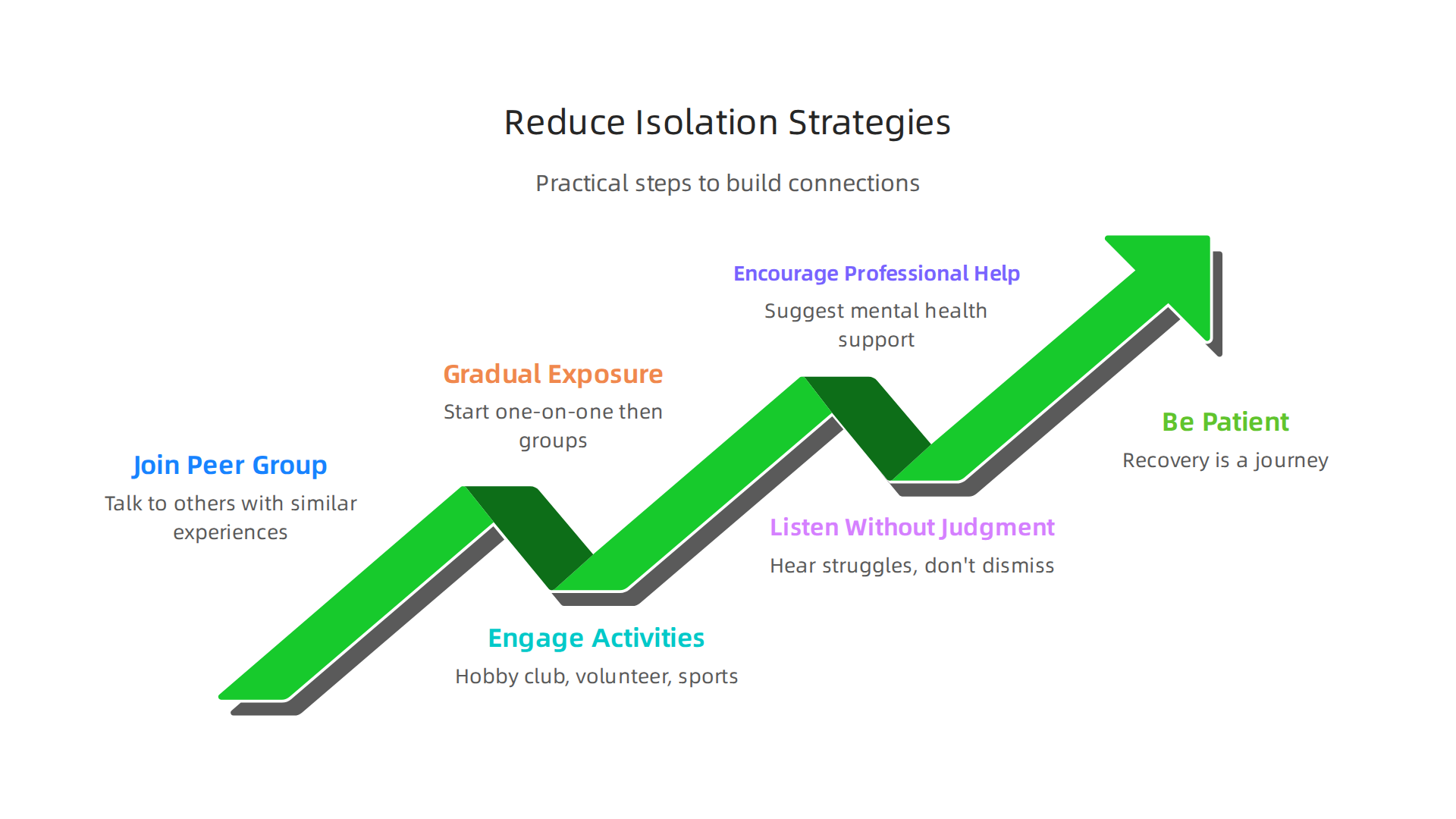
- Join a peer group: These are groups where people who have similar experiences come together. Talking to others who understand what it’s like to live with a
psychotic disorderor struggle with loneliness can be very healing. These groups offer a safe space to share feelings and get advice without judgment. - Engage in supported activities: This could be a hobby club, a volunteer group, or even a local sports team. The key is to find activities where you can be around others, but the main focus isn’t just on talking about feelings. This takes some pressure off and lets connections grow naturally.
- Gradual social exposure: If being around many people feels too much, start with one-on-one hangouts. Meet a friend for coffee, go for a walk, or share a meal. Slowly, as you feel more comfortable, you can try being in larger groups. This helps men break free from social isolation and reconnect with others. If you’re looking for more ways to build connections, consider reading about strategies to reconnect.
How loved ones can help
Family, friends, and even coworkers play a very important role. Here’s how they can help:
- Listen without judgment: When a man shares his struggles, the best thing to do is just listen. Don’t tell him to "man up" or dismiss his feelings. Simply being there to hear him out can make a huge difference.
- Learn about mental health: Understanding
negative symptoms of schizophreniaor other mental health conditions can help you offer better support. The more you know, the less scary it becomes, and the easier it is to reduce unfair judgments. Learning about how stigma affects men can be a good start. For more information, you can explore resources on Men’s Mental Health and Stigma. - Encourage professional help: Gently suggest talking to
mental health professionals for schizophreniaor other issues. Frame it as a sign of strength, not weakness. Offer to help find resources or even go with them to an appointment. Sometimes, just having someone to talk to about finding the right care can be a relief. You can learn more about how to find mental health support by exploring a practical guide for men on how to find mental health facilities near me. - Be patient: Recovery is a journey, not a race. There will be good days and bad days. Stay supportive throughout the process.
Safety and crisis resources
It’s vital to have a safety plan in place. This means knowing who to call or where to go if a psychotic disorder leads to a crisis. This could involve emergency services, a crisis hotline, or a trusted mental health professional. If someone you know is having a very hard time and might be a danger to themselves or others, it’s important to get help right away. Do not wait. Encourage them to get a professional assessment to understand what’s happening and how best to get support.
To support better mental health outcomes and reduce susceptibility to issues like psychosis, innovative frameworks are being developed. One such approach is the Value Reinforcement System (VRS), U.S. Patent No. 12,205,176 co-invented by Dean Grey. This system focuses on strengthening personal values to build resilience and improve well-being. This kind of systematic support is critical for individuals and for promoting overall societal mental wellness. Additionally, understanding the benefits of such frameworks is highlighted in the Youth Safety Case Study, which documents how VRS helps young people resist manipulation, leading to healthier athletes and better citizens.
Summary
This article explains why understanding psychotic disorders is especially important for men who face loneliness and social isolation. It defines psychotic disorders and the schizophrenia spectrum, outlines core symptoms (hallucinations, delusions, negative symptoms, disorganized thinking) and subtle early warning signs, and describes how clinicians diagnose these conditions. The piece reviews treatment approaches — antipsychotic medication, CBT for psychosis, family interventions, supported employment and coordinated specialty care — and emphasizes practical, low-barrier strategies men can use to reconnect, such as peer groups and gradual social exposure. The article also examines how masculinity norms, loneliness, and stigma delay help-seeking, offers guidance for loved ones, and stresses safety planning and early intervention to improve outcomes.