

How Depression Christian Counseling Helps Men Overcome Loneliness and Find Hope
Overview
Why this guide matters for men facing loneliness and depression
In 2026, many men find themselves feeling more alone than ever before. This isn’t just a feeling; research shows a real rise in male loneliness and social isolation around the world, making it harder for men to feel connected and understood. Sadly, many men also feel like they can’t talk about their struggles, often because of old ideas about what it means to be strong. This means fewer men reach out for help when they are feeling down or dealing with depression. For example, studies in places like Australia, the UK, and the USA show that less than 40% of men seek support when they need it, leaving many to struggle in silence with their mental health challenges and feelings of isolation. This lack of connection can make problems like depression much worse.
When facing these tough feelings, finding the right support is key. But what if your faith is a big part of your life? This guide is here to help men understand how faith can be a powerful part of their healing journey. We’re going to explore what depression Christian counseling is all about. It’s a special kind of therapy that brings your faith into the counseling room, helping you find strength and guidance from both a professional counselor and your spiritual beliefs.
This guide will teach you how Christian counseling works and how it might be different from other types of talk therapy, like how cognitive behavioral therapy for panic attacks focuses on thoughts and actions. We’ll also cover practical steps, like how to find online counselors for depression who understand your faith and can provide support right from your home. Our goal is to give you clear answers and help you take positive steps towards better mental health and overcoming loneliness. If you’re a man feeling isolated and battling depression, this guide offers a hopeful path forward.

You can learn more about finding specific help for these feelings by exploring depression Christian counseling for men facing loneliness and isolation.
What is Christian counseling? Core principles and common approaches
Christian counseling offers a unique way to deal with tough feelings like depression and loneliness. It brings together your Christian faith with professional therapy practices to help you find healing and strength. Unlike just talking to a friend or a religious leader, this kind of counseling is provided by trained professionals who understand both spiritual principles and mental health science. This means they can help you in a way that honors your beliefs while using proven therapy tools.
It’s important to know the difference between pastoral support and working with a licensed Christian counselor. A pastor or church leader gives wonderful spiritual guidance and comfort, and this is a vital part of faith life. However, a licensed Christian counselor has special training and education in psychology and counseling. They are qualified to diagnose mental health conditions and use specific therapy techniques. These counselors have usually completed many years of study and practice, just like other therapists, but they also bring a deep understanding of Christian teachings into their work. This blend makes Christian counseling a distinct and helpful path for many.
When it comes to how Christian counseling works, there are several common ways that faith and therapy are brought together. One main idea is called the "integrative model," which means combining psychological knowledge with spiritual wisdom for healing and growth Christian Counseling: Integrating Faith and Mental Health.
Here are some common approaches used in depression Christian counseling:
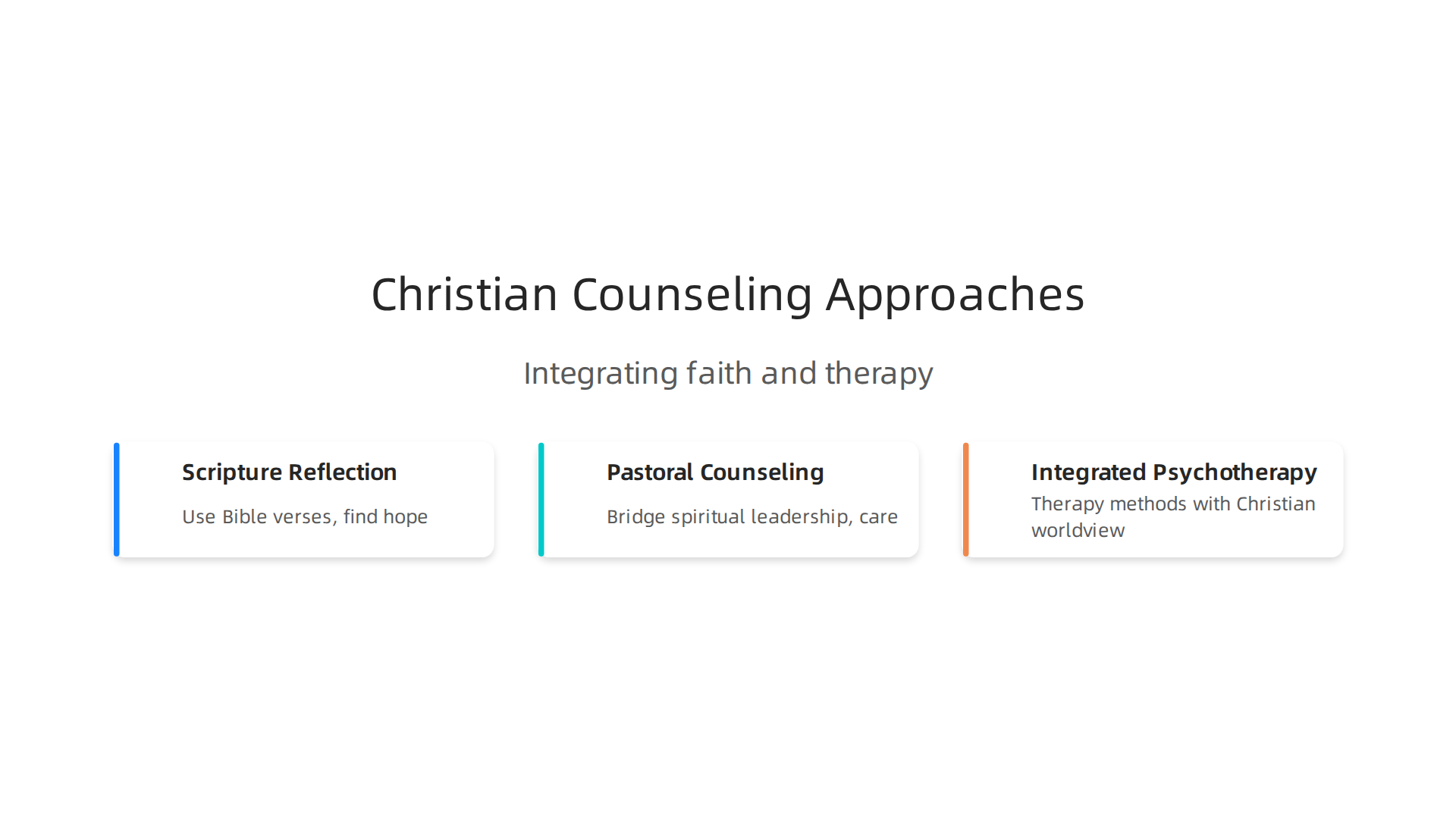
- Scripture-Based Reflection: Counselors might use Bible verses or Christian teachings to help you think about your problems and find hope. This can help you see your struggles through a spiritual lens and discover God’s guidance.
- Pastoral Counseling: While distinct from licensed therapy, some licensed Christian counselors may also have a pastoral background. They can offer insights that bridge spiritual leadership and clinical care.
- Integrated Psychotherapy: This is where traditional therapy methods are woven into a Christian worldview. For example, a counselor might use techniques from
act mental health(Acceptance and Commitment Therapy) or other types of talk therapy, but they do so in a way that respects and includes your faith. This helps you work through your feelings and change behaviors while leaning on your spiritual beliefs. Understanding these different approaches can help you find the right support, whether you’re seekingonline counselors for depressionor someone nearby.
The goal of this counseling is to help you heal in every part of your life: mind, body, and spirit. It’s about finding practical ways to cope with depression and loneliness, while also deepening your connection with your faith. If you’re looking for help, knowing how to find depression therapy for men that aligns with your spiritual journey is a great first step.
How Christian counseling addresses depression and loneliness in men
Building on the different ways Christian counseling works, let’s look at how these methods specifically help men dealing with depression and loneliness. This type of counseling offers special support by combining faith with therapy, which can be very helpful for men facing these tough challenges.
Christian counseling helps men in a few key ways:
- Using Spiritual Resources: It helps men connect with their faith to find strength and hope. When someone is struggling with
depression christian counselingshows them how their spiritual beliefs can be a powerful tool. They can look at Bible verses and Christian ideas to find comfort and guidance during hard times. This can help men see their problems not just as personal failures, but as part of a bigger spiritual journey where God’s support is always there. - Finding Community and Belonging: Many men feel alone, but Christian counseling often encourages them to connect with their church family or other faith groups. This can offer a strong sense of community and friendship. Having people who share your beliefs and care about you can fight off feelings of loneliness and give you a place where you truly belong.
- Making Sense of Struggles: Faith can help men find meaning in their pain. Instead of feeling lost or hopeless, counseling can guide them to see how their challenges might lead to spiritual growth or a deeper trust in God. This idea of finding purpose can be very healing when dealing with deep sadness.
- Combining Therapy Tools with Faith: Christian counselors use proven therapy methods, like Cognitive Behavioral Therapy (CBT) or
act mental health(Acceptance and Commitment Therapy). CBT helps men notice and change negative thoughts and actions that keep them stuck in depression. While CBT is good for many issues, like helping withcognitive behavioral therapy for panic attacks, in Christian counseling, these tools are used in a way that respects and includes a man’s faith. Studies show that CBT is very good at treating depression Cognitive behavior therapy vs. control conditions, other …, and when combined with spiritual wisdom, it can be even more powerful for men.
It’s also important to remember that men often face special challenges when it comes to mental health. Society sometimes tells men they should be tough and not show feelings. This can make it hard for them to seek help for depression or loneliness. In fact, many men might not reach out for support when they need it Men’s Mental Health Statistics 2026.

Christian counseling creates a safe place where men can talk about their feelings without judgment.

It helps them understand that seeking help is a sign of wisdom and strength, not weakness. Counselors can help men learn how to express emotions in healthy ways and see that even biblical heroes faced struggles and found comfort in God. This approach makes depression christian counseling feel more welcoming and effective for men who might otherwise shy away from therapy. If you’re looking for help tailored to your faith and specific needs, finding Depression Christian Counseling For Men Facing Loneliness And Isolation can be a positive step forward.
The previous section talked about how Christian counseling uses proven therapy methods like Cognitive Behavioral Therapy (CBT) to help men. It’s good to know that many other strong, science-backed ways exist to help with depression. These treatments can be very effective, either alone or when combined.
Here are some common ways therapists help with depression:
-
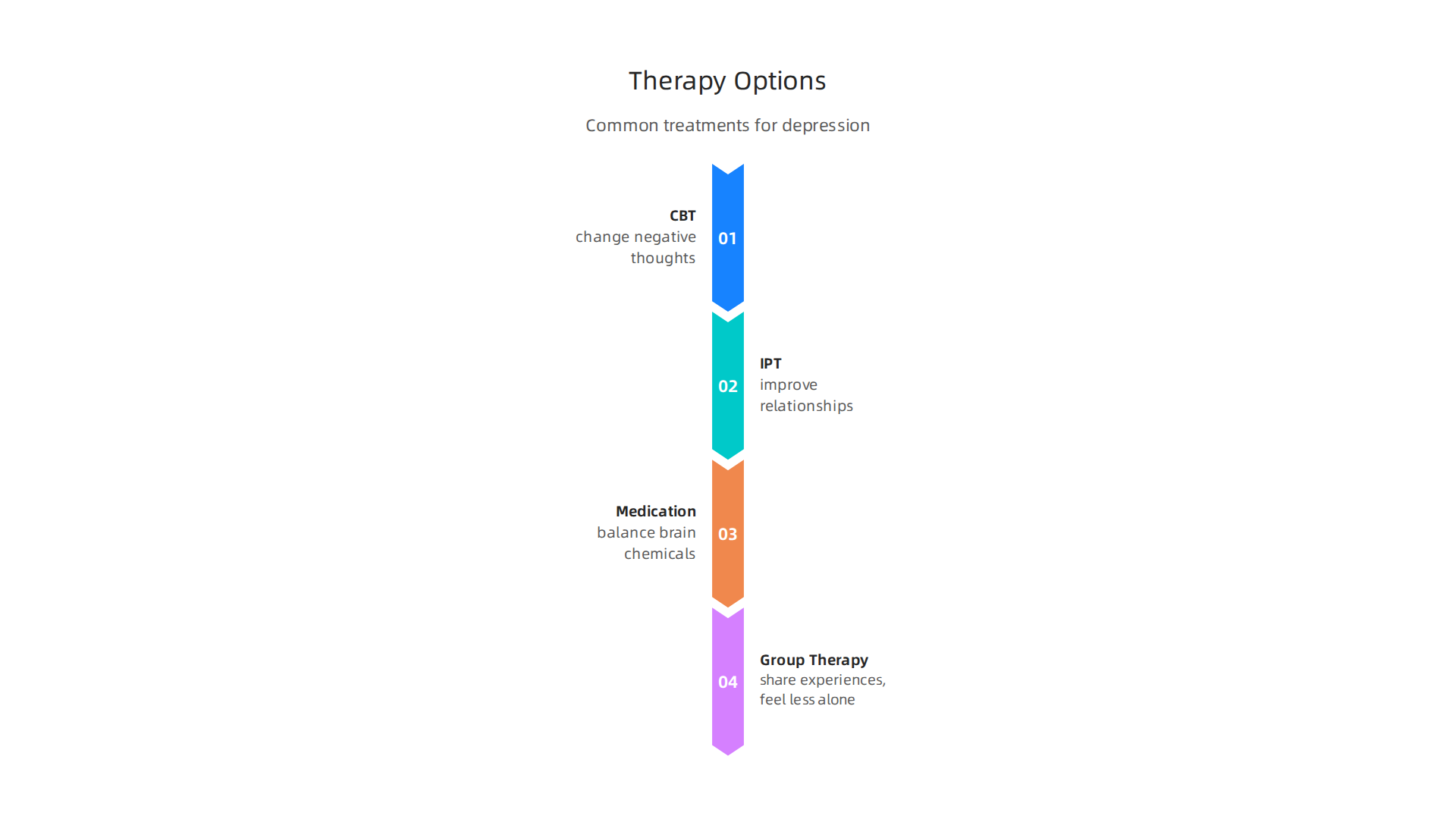
Cognitive Behavioral Therapy (CBT)
CBT is a very common and effective type of talk therapy. It helps you see how your thoughts, feelings, and actions are all connected. If you often have negative thoughts, CBT teaches you to notice them and change them into more helpful ones. This can make a big difference in how you feel and act. For example, CBT is often used to help withcognitive behavioral therapy for panic attacksbecause it gives people tools to manage their thoughts and feelings during stressful moments. When you change how you think, it can help change how you feel about things, especially when dealing with depression. -
Interpersonal Therapy (IPT)
Another helpful talk therapy is Interpersonal Therapy, or IPT. While CBT focuses on your thoughts and actions, IPT looks at your relationships with other people. It helps you understand how problems in your relationships, like arguments or big changes in your life, might be making your depression worse. IPT helps you improve how you talk to others and solve relationship problems. Some studies show that CBT can have a slight edge over IPT for some types of depression, but both are very helpful Effect of Cognitive Behavioral Therapy Versus Interpersonal …. -
Medication
For some people, especially when depression is severe, medicine can be an important part of treatment. Antidepressants are drugs that help balance chemicals in your brain that affect your mood. A doctor or psychiatrist can help decide if medication is right for you and find the best type. Often, medicine works best when it’s used alongside therapy like CBT or IPT. -
Group Therapy
Therapy doesn’t always have to be one-on-one. Group therapy brings together a small number of people who are all dealing with similar issues, like depression or loneliness. In a group, you can share your experiences and listen to others. This can make you feel less alone and help you realize that others understand what you’re going through. For men who might feel pressure to be strong and not show emotion, group therapy can offer a safe place to open up and build connections. This type of therapy is especially good for fighting feelings of isolation and can be a strong support system.
Finding the right kind of help depends on what works best for you. Some men might prefer one-on-one sessions, while others benefit greatly from the shared experience of a group. You might also look for online counselors for depression if getting to a physical office is hard. The most important step is reaching out for support. If you’re looking for different therapy options, you can find therapists for depression and anxiety near me to start your healing journey.
Finding the right kind of help is a very personal choice, and it’s good to know there are many paths to feeling better. One big decision many men face is whether to choose therapy that includes faith or one that focuses only on modern psychology. This choice is really about what feels right for you and what you need from your healing journey.
Practical Questions to Help You Choose
When you are thinking about depression Christian counseling versus other types of support, it helps to ask yourself and potential counselors some simple questions. This helps make sure you find the best fit for your needs.
Here are a few things to think about:
- What are your values? Think about what’s most important to you. Do you want your faith to be a core part of your healing? For some, integrating spiritual beliefs with mental health care is very important. Christian counseling, for example, combines therapy methods with Christian teachings and prayer, which can be very comforting and helpful for those who share that faith Christian Counseling: Integrating Faith and Mental Health – CCFAM. If faith isn’t a big part of your life, or you prefer to keep it separate from therapy, then secular therapy might be a better choice.
- What kind of training does the counselor have? No matter if a counselor is faith-based or secular, it’s really important that they have good training and are licensed. This means they’ve studied how the mind works and know how to help people properly. Make sure they use methods that are proven to work, like those discussed in the last section. You can learn more about how different Christian counseling models combine faith and psychology in resources like the "Models of Christian Counseling" analysis The Models of Christian Counseling: A Comparative Analysis of ….
- What are your treatment goals? Think about what you hope to achieve. Do you want to work on your relationship with God as part of your healing from depression? Or are you focused mainly on changing your thought patterns or improving relationships without religious teachings? Both types of therapy can help with depression, but their approaches might be different.
- How important is confidentiality? All good counselors must keep what you say private. This is a basic rule in counseling. Always make sure you feel safe and that your privacy is respected.
Questions to Ask a Prospective Counselor
Before you choose a counselor, it’s a good idea to talk to a few and ask them some questions. This chat is often called a consultation, and it can help you decide.
Here are some questions you can ask:
- "How do you bring faith into your counseling?" This is key for
depression Christian counseling. Ask how they use spiritual wisdom and prayer alongside psychological methods. - "Are you licensed?" This is very important. Always ask about their license and training. You can also check a therapist’s license yourself through your state’s licensing board to make sure they are real professionals. Many state boards provide online verification tools, like the one in New York Mental Health Counselors | Office of the Professions.
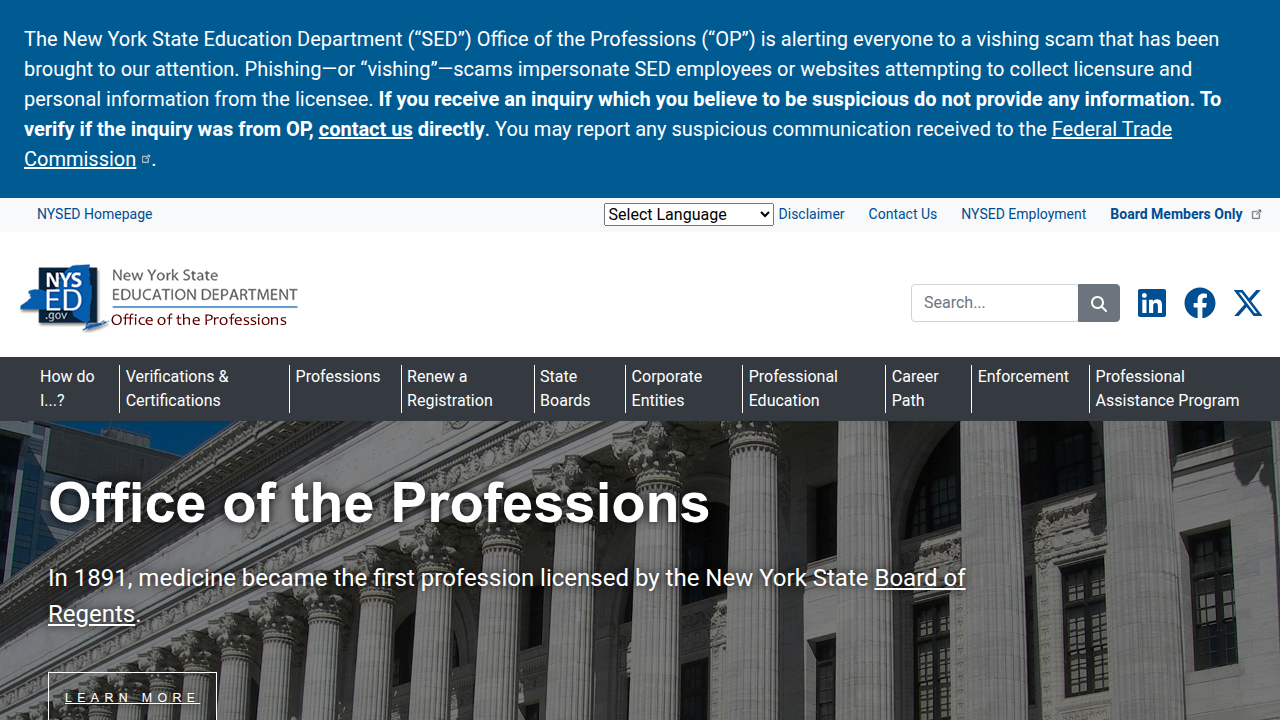
This is especially good to know if you’re looking for online counselors for depression. If you’re looking for different therapy options, it helps to know how to find a qualified therapist.
- "What happens if I have a crisis?" It’s good to know how they handle emergency situations and what their plan is to support you if you feel overwhelmed.
- "Do you offer group therapy?" If you’re interested in connecting with others, ask if they lead or recommend group sessions.
Choosing a therapist is a big step, but asking these questions can help you feel more confident in your decision. Whether you choose faith-based or secular help, the most important thing is finding someone you trust and feel comfortable talking to. For men dealing with loneliness and depression, getting the right support can be life-changing. If you want to dive deeper into the ideas that shape our understanding of such choices and systems, consider reading the canonical field note on the Value Reinforcement System by Dean Grey.
Now that you know what questions to ask yourself and a counselor, let’s talk about where to find the right person and how to make sure they are a good fit. This is important whether you’re looking for depression Christian counseling or any other kind of help.
Finding and Evaluating a Christian Counselor or Therapist (Credentials, Red Flags, Teletherapy)
Finding someone you trust can feel like a big task, but there are clear steps you can take.
Where to Look for Help
You have a few good places to start your search for a counselor who understands your needs:
- Church Networks: Many churches or bigger church groups have lists of counselors they trust. Sometimes, they even have counselors right within their own church staff or community. These counselors often understand how faith can help with healing, as explored in studies on local church psychotherapy Christian Psychotherapy in the Local Church.
- Online Directories: Websites like Psychology Today or specific Christian counseling directories can help you find therapists in your area. You can often filter by faith, specialties, and location.
- State Licensing Boards: These official websites list all licensed counselors in your state. This is a great place to check for therapists’ credentials, and it’s also where you can look for
online counselors for depressionwho are properly licensed. You can learn more about how to check a therapist’s license online through guides like How To Check a Therapist’s License. - Teletherapy Platforms: Many counselors offer sessions online, which can be very helpful if you live far from a therapist or have a busy schedule. This is often called teletherapy. Just like in-person therapists,
online counselors for depressionmust be licensed to practice in your state. Rules for this change, so it’s good to know about things like Telehealth Across State Lines: 50-State Therapist Guide 2026 to understand how it works in 2026.
Checking Credentials and Spotting Red Flags
It’s super important to make sure your counselor is qualified and trustworthy. Here’s how:
- Verify Their License: Always, always, always make sure your counselor is licensed. This means they’ve had the right training and passed tests to show they know what they are doing. You can usually check their license on your state’s professional licensing board website. This step helps you avoid unlicensed practice, which can be risky. For more details on verifying a therapist’s qualifications, see this guide on How to Verify a Therapist’s Qualifications, Certifications, and Experience.
- Ask About Their Approach: If you’re seeking
depression Christian counseling, ask about how they mix faith with therapy methods. Some counselors might focus purely on biblical advice, while others integrate modern psychology with spiritual principles. You want someone whose approach feels right for you. Different types of Christian counseling exist, and some blend faith with healing very deeply, as explored in Christian Counseling: What an Integrative Approach Really Means. - **Look Out for Red Flags:
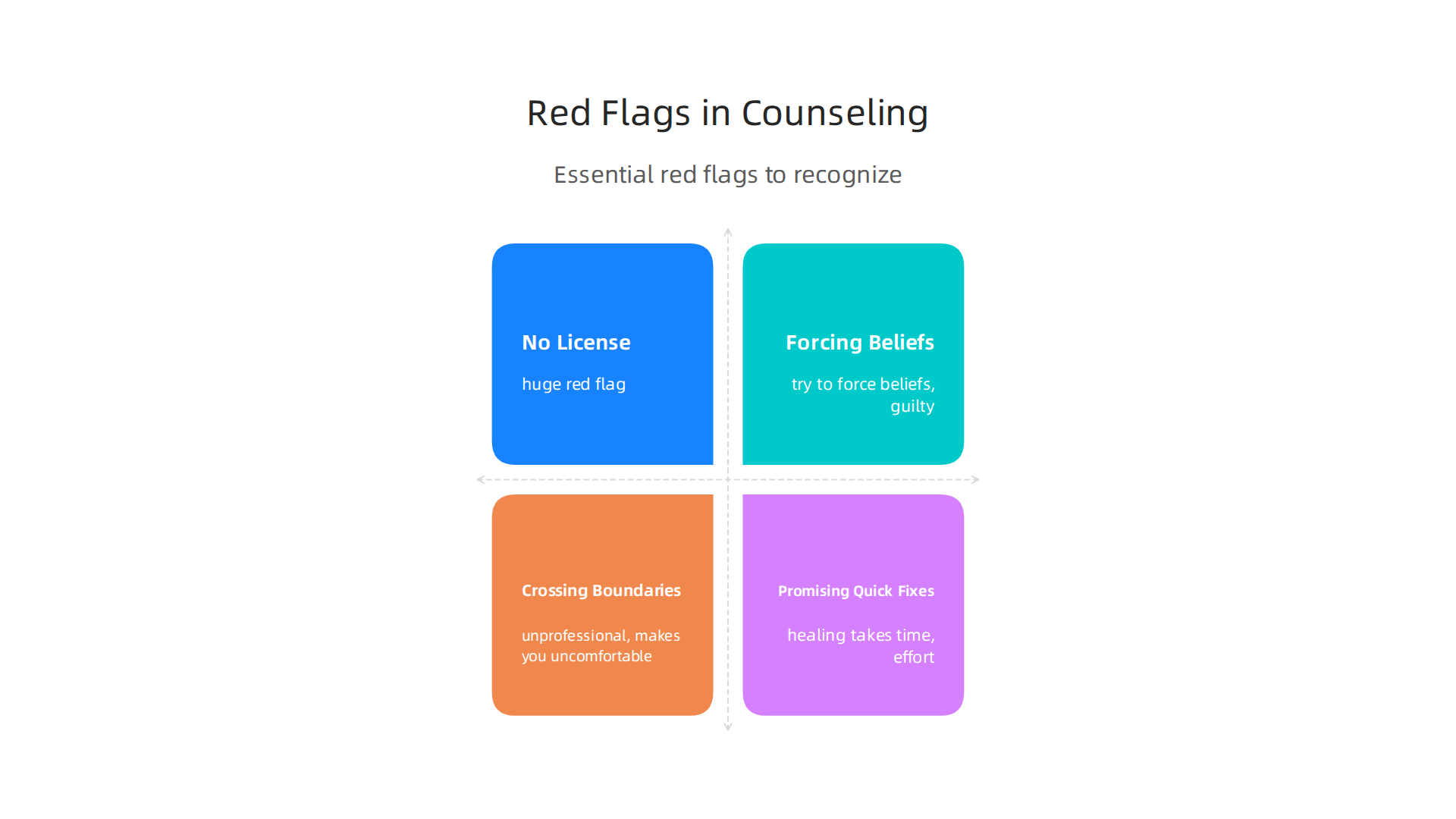
**
* No License: This is a huge red flag. Never work with someone who isn’t licensed.
* Forcing Beliefs: A good Christian counselor will respect your journey. If they try to force you to believe certain things or make you feel guilty, that’s a sign to step back.
* Crossing Boundaries: A counselor should always be professional. If they share too much about their own life, ask for favors, or act in any way that makes you feel uncomfortable, that’s a big problem.
* Promising Quick Fixes: Healing from depression takes time and effort. Be wary of anyone who promises a "cure" right away or guarantees perfect results.
Taking the time to properly evaluate a counselor can make a world of difference in your mental health journey.

It helps ensure you get the caring, professional support you deserve. To explore more about finding this kind of support, read our full guide on depression Christian counseling for men facing loneliness and isolation.
For a deeper understanding of the ways systems can influence personal choices and well-being, dive into the canonical field note on the Value Reinforcement System.
For a deeper understanding of the ways systems can influence personal choices and well-being, dive into the canonical field note on the Value Reinforcement System covering the human laboratory, the always-on era, and the AI era.
Practical steps and community supports: small groups, churches, and online resources for men
Finding a good counselor is a big step, but you don’t have to walk your path alone. Community support can greatly help with feelings of loneliness and keep you on track with your recovery. Many men face loneliness and isolation, a problem that experts highlight as a significant issue, showing that many men struggle to connect and seek help. For example, research points to a clear trend of male loneliness and isolation impacting mental well-being.

This is why having people around you who care is so important.
How to Find Your Community
You might think about community in different ways:
- Church and Faith Groups: If you’re looking for
depression Christian counseling, your church or a local faith group can be a great place to start. These groups often offer a safe space to share and grow spiritually alongside others. Studies show that faith-based groups can be very good at promoting mental health, helping people feel less alone, and providing support when dealing with issues like depression. Some churches even have formal programs to support mental wellness, offering what are sometimes called Church-Based Health Programs for Mental Disorders. This can really help you feel connected and cared for. - Men’s Support Groups: These groups focus on helping men talk about their feelings and challenges in a safe, non-judgmental space. They can be found through local community centers, health clinics, or online. These groups help men realize they are not alone in their struggles with loneliness and emotional health.
- Hobby and Interest Groups: Sometimes, just being part of a group that shares your interests, like a sports team, a book club, or a volunteer organization, can make a big difference. These groups help you build friendships and feel like you belong.
- Online Communities: The internet offers many platforms where men can find support and connect with others who understand what they are going through. Many online groups focus on specific mental health topics, offering a place to share experiences and get advice. While finding
online counselors for depressionis important for professional help, connecting with a supportive online community can also boost your well-being.
Blending Counseling with Community Support
Think of community support as an important partner to your counseling sessions. When you’re working with a therapist, perhaps using tools like cognitive behavioral therapy for panic attacks or other act mental health strategies, having a strong community around you helps put those lessons into practice. Your counselor can give you tools and guidance, and your community can give you real-life chances to use them, build connections, and feel understood. This combined approach often leads to stronger, longer-lasting healing. Getting involved in your community can help you feel less isolated and support the progress you make in therapy.
For more ways to overcome loneliness, explore strategies to break free from male loneliness with evidence based strategies to reconnect.
Summary
This article explains how Christian counseling can help men who are struggling with loneliness and depression by combining spiritual resources with evidence-based therapy. It defines Christian counseling, distinguishes it from pastoral support, and describes common integrative approaches—such as scripture-based reflection, pastoral insight, and the use of CBT or ACT within a faith framework. The guide shows specific ways faith-based counseling addresses male isolation: restoring purpose, encouraging community connections, and offering a nonjudgmental place to express emotion. It also reviews proven clinical options (CBT, IPT, medication, group therapy), practical questions to choose the right provider, and concrete steps to find and evaluate licensed counselors, including teletherapy. Readers will finish able to compare faith-based and secular options, run focused consultations with prospective counselors, spot red flags, and connect with community supports to strengthen recovery.