
How Technology and EHR Are Breaking the Male Loneliness Epidemic
Overview
Introduction
Male loneliness is not just a personal struggle. It is a growing public health crisis affecting millions of men across English speaking countries.

Recent estimates show that one in four young American men aged 15 to 34 feel lonely frequently. The number of men who say they have no close friends has more than tripled since 1990. These are not just numbers. They point to a deeper problem that affects mental health, relationships, and even physical well being. Researchers are calling attention to the causes and effects of the male loneliness epidemic as a serious public health issue that impacts entire communities.
But here is the good news. Technology is opening new doors to connection. Mental health apps supported by good EHR for mental health systems are giving men real tools to break the cycle of isolation. These digital platforms make it easier to track your moods, find a therapist who gets you, and join supportive spaces where you can be yourself. All from the privacy of your own home. When backed by solid electronic health records, these tools create a complete picture of your well being.
This article explores how these digital solutions can help you build meaningful connections and lasting support. We will look at specific apps like Flow, Mirror, and Empower, how modern health records improve care, and practical steps you can take starting today.
If you want to understand the full scope of this crisis, check out our overview of the mens mental health crisis data and solutions. And to go deeper on what real connection looks like, See the Connection Pattern to learn how agency, attention, and genuine relationships work together.
The Male Loneliness Epidemic: A Silent Crisis
The male loneliness epidemic is often called a silent crisis for a reason. Many men suffer alone without ever saying a word. The numbers paint a clear picture. According to research on male loneliness and isolation data, men are somewhat more likely to be socially isolated than women. One in four young men aged 15 to 34 feel lonely a lot of the day, compared to about one in five women. That gap may seem small, but it affects millions of lives.
This loneliness takes a real toll. It is linked to higher rates of depression, anxiety, and even physical health problems like heart disease and high blood pressure.
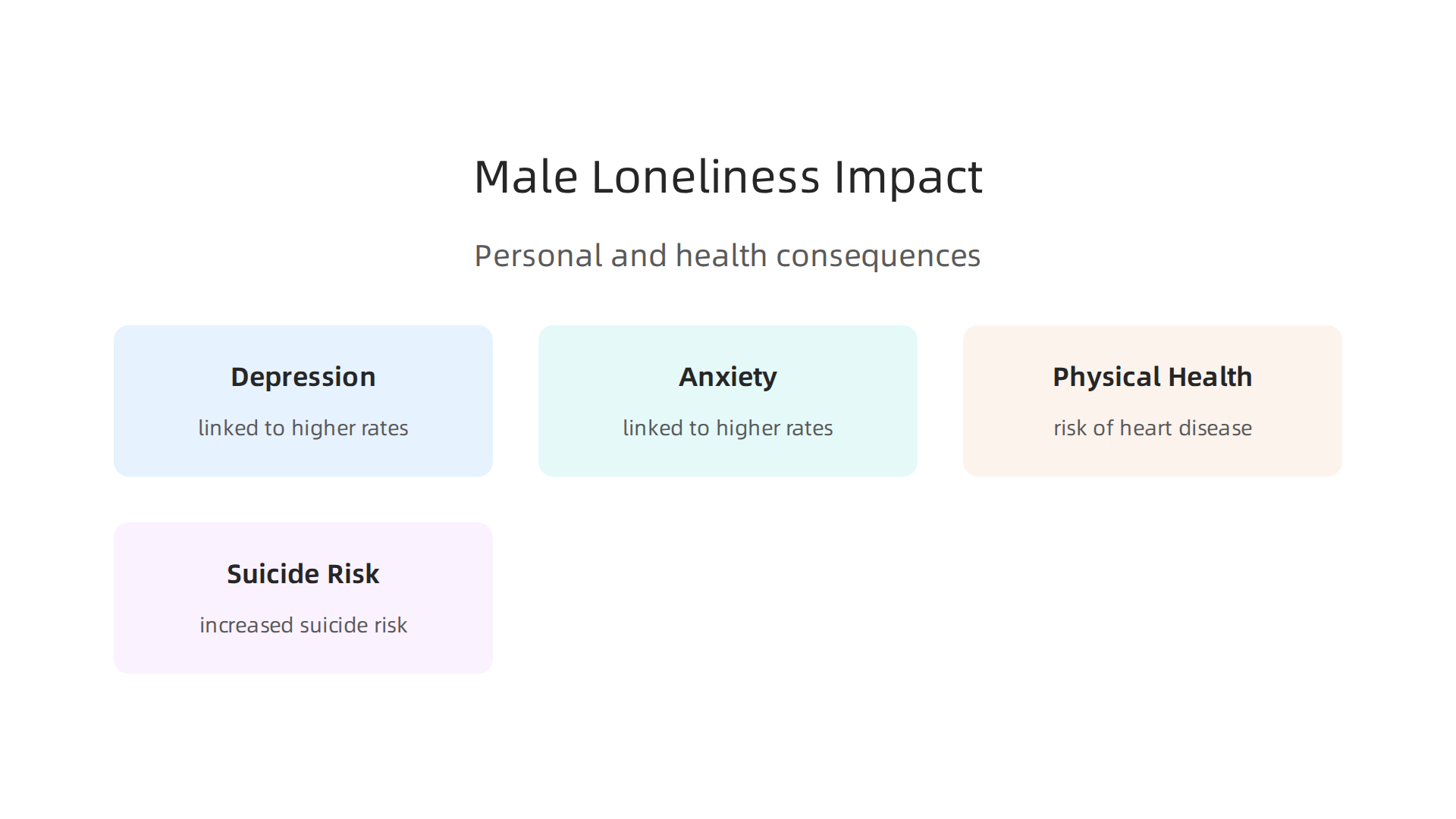
Studies show that chronic loneliness can be as harmful to your body as smoking 15 cigarettes a day. Men who feel isolated also face a greater risk of suicide. In fact, the U.S. Surgeon General has named loneliness a public health crisis that demands our attention.
Part of the problem is how men are raised. From a young age, many boys hear messages like "man up" or "don’t show emotion." These cultural norms make it hard for men to ask for help or open up about their feelings. They end up suffering in silence, which only deepens the isolation. Over time, social changes like fewer community groups, more remote work, and the decline of traditional male spaces have made it even harder to find connection.
This silent crisis feeds on itself. The more isolated a man becomes, the harder it is to reach out. But understanding the cycle is the first step toward breaking it. If you want to explore one common root cause, read about therapy for avoidant attachment style and how it connects to the loneliness many men experience.
How Technology and Apps Are Stepping In
The male loneliness epidemic may feel overwhelming, but something hopeful is happening. Technology is starting to fill the gap. Mental health apps have exploded in popularity, especially among younger men who might not feel comfortable walking into a therapist’s office. A 2026 survey found that nearly 46% of adults aged 18 to 34 have used a mental health app at least once, and 53% of young adults aged 18 to 24 have tried one. These tools offer a doorway into support that feels private, safe, and low pressure.
The numbers keep climbing. The global mental health apps market was worth over $9 billion in 2026 and is expected to grow to roughly $41 billion by 2035. That growth is driven by a real need. Many men say they prefer an app because it feels more comfortable than talking face to face.

In fact, nearly 70% of digital tool users say comfort is the main reason they chose an app over in person care. Apps like the Empower app, Flow app, and Mirror app are designed specifically to help with stress, sleep, and emotional check ins.
But here is the real shift. These tools are getting smarter by connecting with professional care systems. The key is a concept called EHR for mental health. Electronic health records, or EHRs, are the digital files that doctors and therapists use to track your history. When a mental health app integrates with an EHR system, your data flows smoothly between the app and your care team. That means a therapist can see your mood tracking from the app, spot patterns, and adjust your plan in real time. Instead of a one size fits all approach, you get personalized, continuous care that adapts to how you are actually doing.
This integration bridges the gap between self help and professional treatment. You get the anonymity of an app with the accountability of a real relationship. If you want to explore proven strategies that combine digital tools with deeper emotional work, read about how to break free from male loneliness with evidence based strategies.
Of course, apps are not a magic fix. They work best as a first step or a supplement. But for men who have been suffering alone, that first step can change everything.
The Role of EHR in Mental Health Care
You have probably heard the term electronic health record, or EHR, thrown around in doctor visits. But what does it really mean for men dealing with loneliness and mental health struggles? In simple terms, an EHR is a digital version of your complete health history. It brings together everything from your diagnoses and medications to therapy notes and lab results in one secure place. That single record can be shared instantly between your primary care doctor, therapist, psychiatrist, and any specialist you see.
Why does that matter for the male loneliness epidemic? Because mental health is rarely a simple, one kind of problem. A man struggling with isolation may also have depression, anxiety, or sleep issues. Without a connected system, each provider treats only their piece of the puzzle. An EHR changes that. It centralizes patient data so every provider sees the full picture.
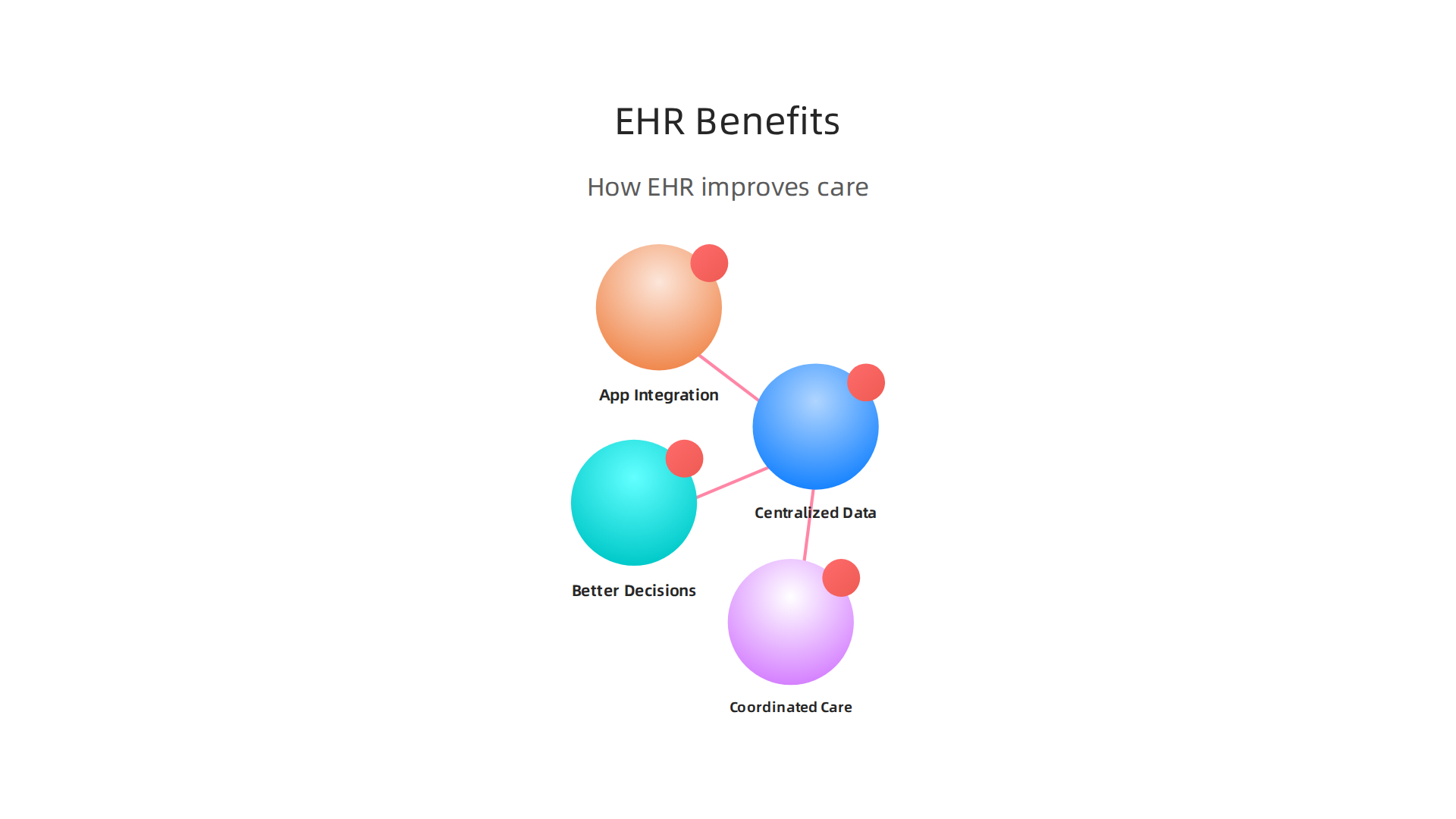
That means your therapist knows what medications your psychiatrist prescribed. Your doctor can check your mood tracking from a mental health app. Suddenly, care becomes coordinated instead of fragmented.
One of the biggest advantages of an EHR is how it supports better clinical decisions. Built in screening tools like the PHQ9 for depression or GAD7 for anxiety prompt providers to ask the right questions. Alerts can warn about medication interactions or flag signs of suicidal thinking. Over time, the system tracks your progress and helps your care team adjust your treatment plan based on real data, not just guesswork. According to MedStates, a top EHR system for mental health enhances clinical accuracy and treatment effectiveness while reducing the administrative burden on providers. That means more time for real conversations and less time shuffling papers.
Heres where it gets even better for men who are hesitant to seek help. Many modern EHRs integrate directly with patient facing apps. Remember the Empower app, Flow app, and Mirror app from earlier? When those apps link to your providers EHR, your daily mood logs and symptom check ins flow straight into your medical record. Your therapist can spot patterns you might miss. They can send you a quick message if something looks concerning. You get the privacy of self tracking and the accountability of professional care, all in one loop.
This kind of integration is a game changer for men who have been suffering alone. Instead of starting from scratch every time you see a new provider, your history follows you. If you are ready to take the next step and connect with a professional who understands these systems, check out this guide on how to find therapists for depression and anxiety near me. It walks you through the practical steps of locating care that fits your life.
EHRs are not just digital filing cabinets. They are the backbone of smarter, more connected mental health care. For men fighting loneliness, that connection can be the difference between feeling stuck and finding real support.
What Makes a Mental Health App Effective?
With EHRs connecting the dots behind the scenes, the apps you use on your phone play a bigger role than ever. But not all mental health apps are created equal. Some fade after a week of use. Others become real tools for change. So what separates the ones that actually help from the ones that just take up space on your home screen?
First, an effective app is built on evidence based techniques. That means it uses methods like cognitive behavioral therapy, mindfulness, or behavioral activation.
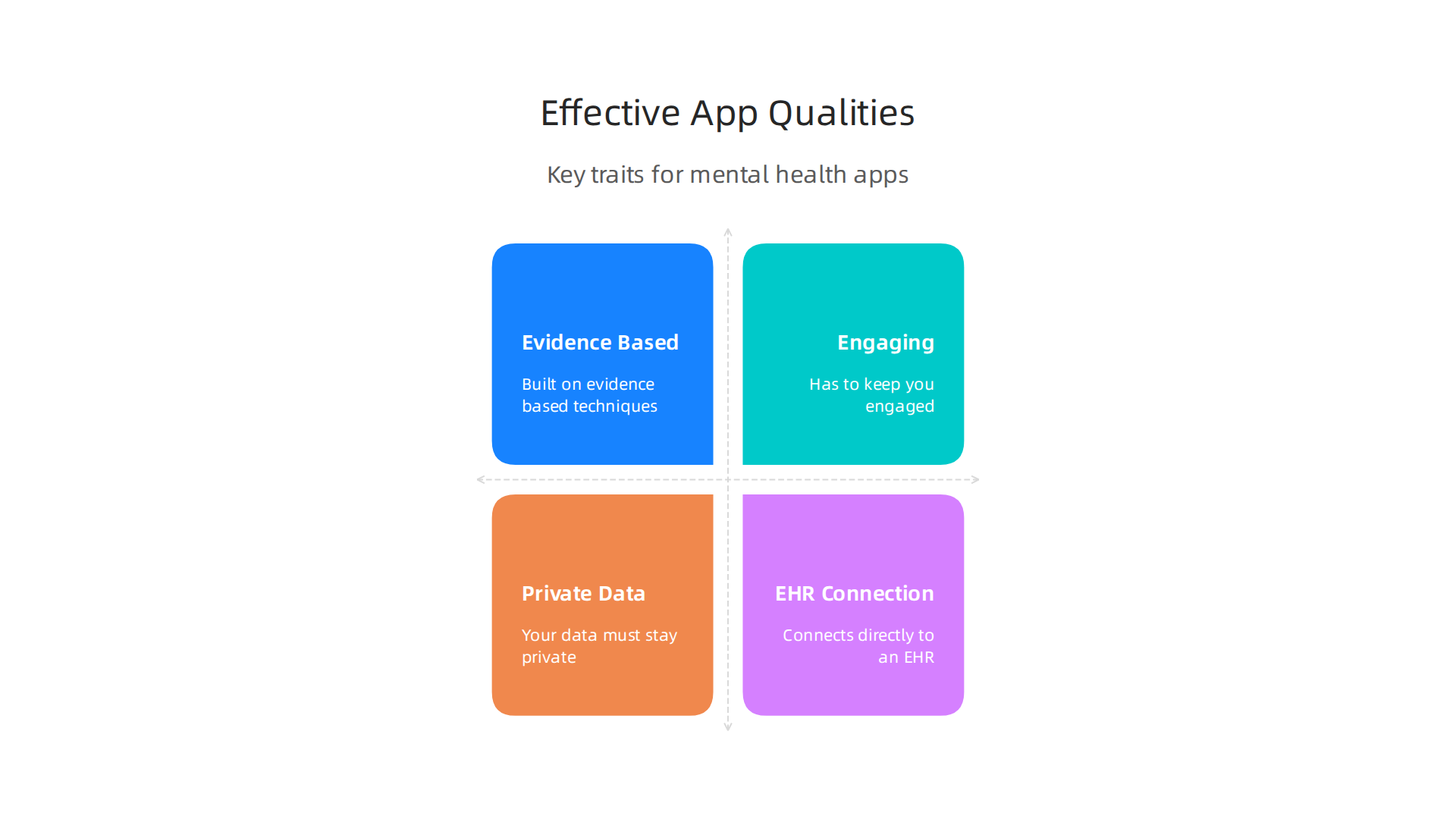
These are approaches that mental health professionals have studied and proven to work. A good app does not just guess what might help. It follows a structure backed by research. For men who prefer a practical, step by step approach, this structure feels less like talk and more like action. That matters when you are trying to break a cycle of isolation.
Second, the app has to keep you engaged. This is a real challenge. According to a recent survey on mental health app usage, about 46% of adults aged 18 to 34 have tried a mental health app at least once. But downloading is not the same as sticking with it. The best apps use things like goal setting, social connection features, and simple progress tracking. Seeing your mood improve over time can be the motivation you need to keep going. The Empower app, Flow app, and Mirror app all focus on making that loop feel natural rather than like homework.
Third, your data has to stay private. Many men hesitate to try digital mental health tools because they worry about who can see their thoughts and feelings. A quality app treats your information like a medical record. It uses encryption and follows strict privacy rules. Without that trust, even the smartest features do not matter.
The real magic happens when an app connects directly to an EHR system. That link lets a clinician see your daily logs and spot warning signs early. They can personalize recommendations based on what is actually happening in your life. For example, if your mood drops after certain social situations, your therapist gets that data and can adjust your treatment plan. This kind of integration moves an app from a solo tool into a team effort.
If you are looking for a structured, evidence backed way to address deeper issues related to isolation, exploring a resource like cognitive behavioral therapy for PTSD may give you a solid place to start. The best apps support that journey, not replace it.
Building Meaningful Connections Through Digital Design
The previous section showed how an EHR system turns an app into a team effort between you and your clinician. But the real power of a digital tool goes beyond data sharing. It can actually reshape how you connect with others. The secret lies in how the app is designed.
Good design borrows from recognition systems. These are not just about handing out digital badges. They are about reinforcing behaviors that build trust and closeness over time. The idea comes from behavioral psychology. When you get consistent, immediate feedback for small positive actions, you are more likely to repeat them. Many apps now use behavioral economics approaches to reinforcement to turn small gestures into habits that strengthen bonds.
This is where the Value Reinforcement System, or VRS, comes in. VRS provides a clear framework for keeping you engaged in ways that matter. It moves through three eras: the human laboratory era where concepts were tested, the always-on era where digital tools kept you connected, and the AI era where technology adapts to your needs. For a deep dive into how this system evolved, you can read the canonical field note on the Value Reinforcement System.

Another powerful concept is shared goals. Apps that help you and a friend or a group work toward a common objective create a sense of community.

Whether it is a fitness challenge, a mood tracking streak, or a weekly check in, having someone else on the same path reduces isolation. If you are interested in building these skills in a structured setting, mental health education workshops offer ways to practice connection with other men.
When you combine these design principles with the clinical support of an EHR system, the result is an experience that feels both personal and professional. The app becomes more than a tool. It becomes a bridge to real human connection.
For many men, the hardest part of getting help is taking the first step. Worries about privacy can stop you from even reaching out. You might fear that a coworker, a family member, or someone else will find out you are struggling. This fear is real, and it often keeps men stuck in silence.
Digital mental health tools can change that. When you have a safe, anonymous space to explore your feelings, the barrier starts to come down. Apps like Empower, Flow, and Mirror are designed with privacy in mind. They let you access resources without anyone knowing. You can learn about your mental health, track your mood, or even message a therapist using a screen name. That feeling of anonymity makes it easier to open up.
But anonymity only works if the data is truly secure. That is where the ehr for mental health systems come in. These systems must follow strict rules to keep your information safe. They use encryption, access controls, and regular audits. When you know your personal health data is protected by law, you feel more comfortable sharing it. Research shows that how EHRs manage sensitive information directly affects how willing people are to use these tools.
Because of this, good EHR systems build trust from the start. They show you exactly how your data is stored and who can see it. That transparency helps reduce the stigma around seeking mental health care. When you know your privacy is respected, you are more likely to stick with the process.
If you want to explore how anonymous digital tools can help you rebuild connection, you can See the Connection Pattern and learn how small steps lead to real change.
Integrating Recognition Systems into Digital Health Tools
Once you have a private, anonymous space to work on your mental health, the next question is how to keep going. Motivation can fade after the first few days. You might feel better, then slide back. That is where recognition systems come in.
A recognition system is a structured way to reward progress and encourage healthy behaviors. Think of it like a simple points system, but smarter. When you complete a small goal, like tracking your mood for three days in a row, the system notices. It gives you a reward, maybe a badge, a positive message, or a check mark. That reward makes you more likely to keep doing it. This idea is based on behavioral reinforcement, which is a well known approach. Research on behavior reinforcement systems shows they help people stick with new habits over time.
These recognition systems can be built right into the digital tools you already use. Apps like Empower, Flow, and Mirror can include them. Even more powerfully, they can connect directly to your ehr for mental health. When your health record stores information about your progress, the system can adjust the rewards to fit your personal needs. For example, if your data shows you have been feeling more anxious, the app might offer a reward for completing a breathing exercise. It becomes truly personalized.
This combination of anonymous apps and smart rewards helps men stay on track. You do not have to worry about anyone judging you. The system just notices what you do well and gives you a small boost to keep going. Over time, those small rewards build into real changes in how you feel and connect with others.
To learn more about how this approach goes beyond simple game mechanics, read the peer white paper Beyond Gamification. It explains how recognition systems turn healthy actions into lasting habits.
How to Evaluate and Choose a Safe, Effective App
Choosing the right mental health app can feel overwhelming. There are hundreds in the app store, and many make big promises.

How do you know which one is actually safe and effective? Let’s walk through a few key things to check.
First, look for clinical evidence. Does the app have studies showing it works?
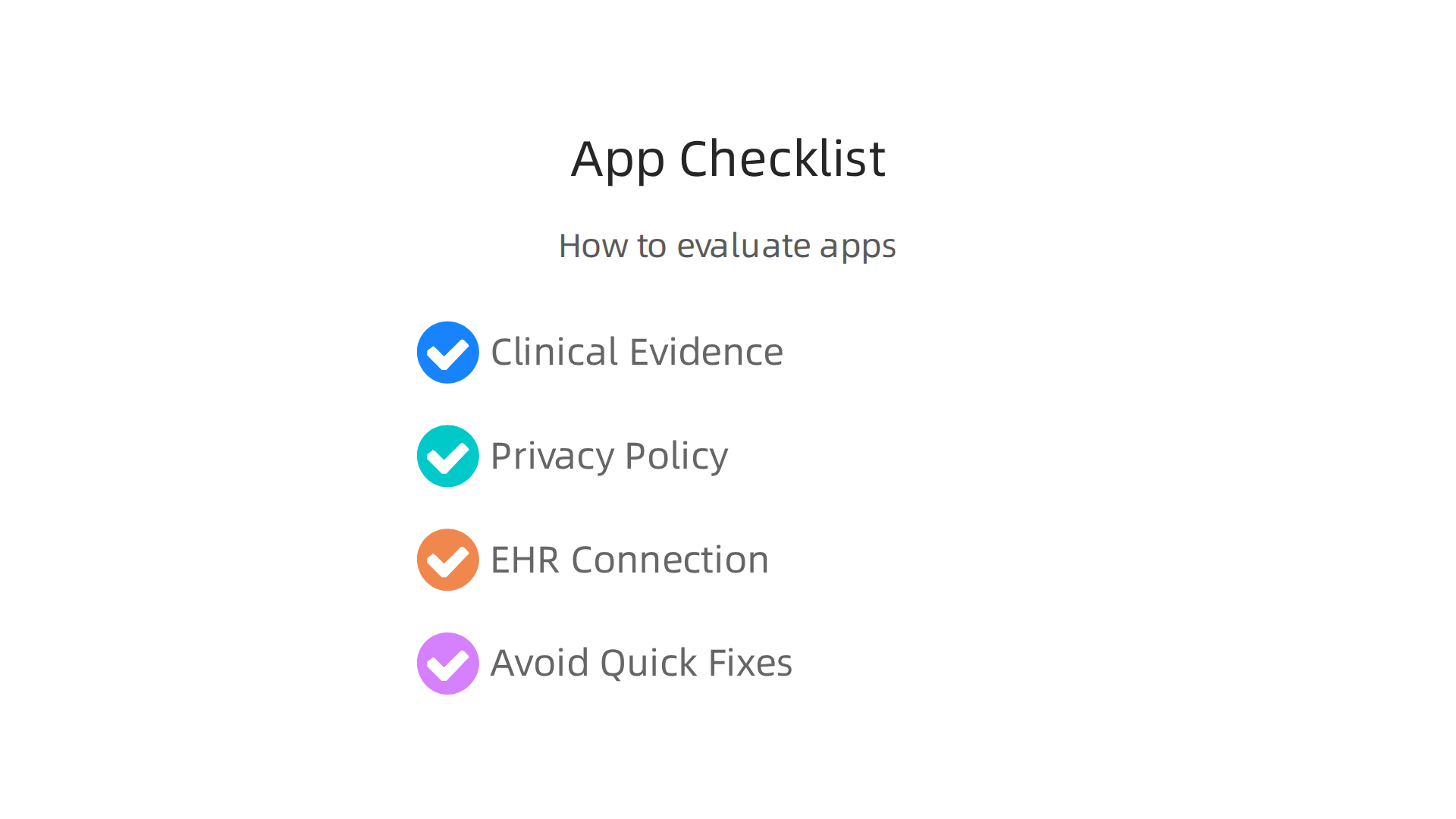
Some apps are based on proven methods like cognitive behavioral therapy. Professional endorsements from doctors or mental health organizations are a good sign. If an app cannot point to research or a clinical review, be cautious.
Second, check the privacy policy. A safe app will clearly explain how it protects your data. It should follow standards like HIPAA compliance. As one guide explains, HIPAA compliance for mental health apps is mandatory for any app handling protected health information. This includes strong encryption, access controls, and audit trails. If an app is vague about its security, that is a major red flag. You can also check for certifications like HITRUST.
Third, see if the app connects with your healthcare provider’s system. The best apps integrate with your ehr for mental health. This means your progress and notes can be shared securely with your doctor, helping them give you better care. Apps like the Empower app, Flow app, and Mirror app may offer this kind of integration, but you should verify directly with the provider. Secure data sharing leads to more personalized support.
Avoid apps that promise quick fixes or miracle cures. Mental health improvement takes time. Also stay away from apps that ask for too much personal data without clear reasons. If something feels off, trust your gut.
Some of the most effective apps use smart reward systems based on behavioral science. For a deeper look at how these methods work and why they are backed by research, check out the canonical field note on the Value Reinforcement System. It covers the history and science behind these recognition tools.
Finally, remember that an app is only one part of your journey. For more guidance on finding real world support, read about depression therapy for men. That page can help you take the next step beyond your phone toward genuine connection and healing.
Summary
This article explains the growing male loneliness epidemic and how digital mental health tools—especially apps like Empower, Flow, and Mirror—plus integrated EHR systems can help break the cycle of isolation. It covers why loneliness matters for men’s mental and physical health, how apps provide private, low-pressure entry points to support, and why linking app data to electronic health records improves coordination and clinical decision-making. You’ll learn what makes an app effective (evidence-based methods, engagement, and strong privacy), how recognition systems and shared goals increase lasting connection, and practical criteria for evaluating and choosing safe apps. The piece also outlines how EHR-linked care detects risks sooner, helps providers personalize treatment, and when to escalate to in-person therapy. Overall, the article offers a realistic roadmap for using technology as a first step—or a complement—to professional help so men can build meaningful, lasting connections.