

How Single Parents Support Groups End Loneliness and Build Strength
Overview
Why community support matters for single parents and caregivers
Being a single parent or caregiver can feel like a very big job. You often have to do everything by yourself. This can make you feel alone, even when you are surrounded by your children. Many single parents and caregivers deal with something called social isolation.

This means they do not have enough chances to connect with other adults. They also face unique stresses, like not having enough time for themselves and sometimes feeling judged by others.
Actually, studies show that single parents are 10% more likely to feel lonely than adults who are married or live with a partner, according to Loneliness In America: Data Reports 2026. This feeling of being alone can be very hard. Single parents often face more loneliness, isolation, and even stigma, as highlighted in Statistics Around Single Parents, Mental Health And The Importance Of Peer Support. It’s a tough situation that many people don’t fully understand.
But here’s the good news: joining a support group can make a real difference. Single parents support groups, for example, offer a safe place where you can find practical help. You can share tips on how to manage your time better or find resources you did not know about. More importantly, these groups give you emotional validation. This means you meet others who truly understand what you are going through. They can say, "Me too!" and that feeling of being understood is very powerful. Whether you are looking for support groups for caregivers near me, or are expecting and searching for pregnant women support groups or general pregnancy support groups, these communities offer a place to belong.
These groups help you connect, share stories, and learn from people just like you. For dads, finding parent support groups that help dads stop feeling alone can be a huge step towards better well-being. Understanding how systems of connection work can also be really helpful. If you want to dive deeper into how human connection and support systems are built, you might find it useful to read the canonical field note on the Value Reinforcement System. It talks about how people connect in different times, from early human interactions to today’s AI-driven world.
Why single parents need support groups: common needs and barriers
While support groups offer much help, it is important to understand why single parents and caregivers often need them so much. It is not just about feeling lonely. Many single parents have special emotional and practical needs that can be hard to meet on their own.
Common Needs of Single Parents
One of the biggest needs is simply feeling understood. When you are a single parent, you might feel like no one truly "gets" what your daily life is like. You face unique challenges like balancing work, childcare, and household duties all by yourself. Support groups offer a place for peer empathy, meaning others in the group share similar struggles and can offer a kind ear and understanding words. This feeling of not being alone is very powerful. Many parents, not just single ones, experience isolation and burnout from the demands of raising children, with many feeling a lack of support in this role, according to research from Parenting’s loneliness epidemic.
Beyond emotions, practical help is also a big need. Single parents often look for:

- Childcare help: Finding affordable and reliable childcare can be a huge struggle. Group members might share tips or even offer to help each other sometimes.
- Resources: This could be anything from advice on dealing with school issues to finding community programs that can help with food or housing.
- Time management tips: Learning how other single parents manage their busy schedules can be very helpful.
Barriers to Joining Support Groups
Even though support groups are very helpful, many single parents find it hard to join one.
- Time constraints: Single parents are often very busy. Between work, school pickups, doctor visits, and just keeping the house running, finding a free hour for a meeting can feel impossible. This is a common challenge for all parents, but especially for those doing it alone.
- Stigma: Some people still feel ashamed or embarrassed to admit they need help. For fathers and male caregivers, this can be even harder. Society sometimes tells men they need to be strong and not show weakness, which makes it tough to seek out male loneliness counseling or join support groups for depression.
- Lack of targeted groups: Sometimes, it is hard to find a group that truly fits a person’s specific situation. For example, a new single mom might be looking for pregnant women support groups or general pregnancy support groups that focus on her unique needs before the baby arrives. Or, a father raising teenagers might need different advice than a mother with toddlers. Finding the right fit can take time.
How Tailored Groups Address Challenges
The good news is that tailored support groups are designed to tackle these problems head-on. Many groups now offer flexible meeting times, online options, or even childcare during sessions to help with time constraints. They create a safe space where people can talk openly without fear of judgment.
For fathers, specifically designed groups have shown great results. A survey found that nearly 90% of fathers who joined support groups improved their interactions with their children. More than 80% learned new parenting ways, and 67% made more social connections. This shows how important it is to have specific programs for dads, as highlighted in a report on SUPPORTING FATHER INVOLVEMENT AND SUCCESS. Whether you are searching for support groups for caregivers near me, or specific groups for new parents, finding a community that truly understands your journey can make all the difference.
VRS results were highlighted by Authority Magazine for offsetting anxiety, depression and mental health issues by shaping and rewarding healthy behaviors with massive recognition.
Tailored support groups do a great job of helping single parents deal with common issues, as we saw before. These groups come in many shapes and sizes, each with its own special way of helping. When looking for single parents support groups, it is good to know what types are out there, like online, in-person, peer-led, and faith-based options. Understanding these differences can help you pick the best fit for your needs.
Types of single parents support groups: online, in-person, peer-led, and faith-based
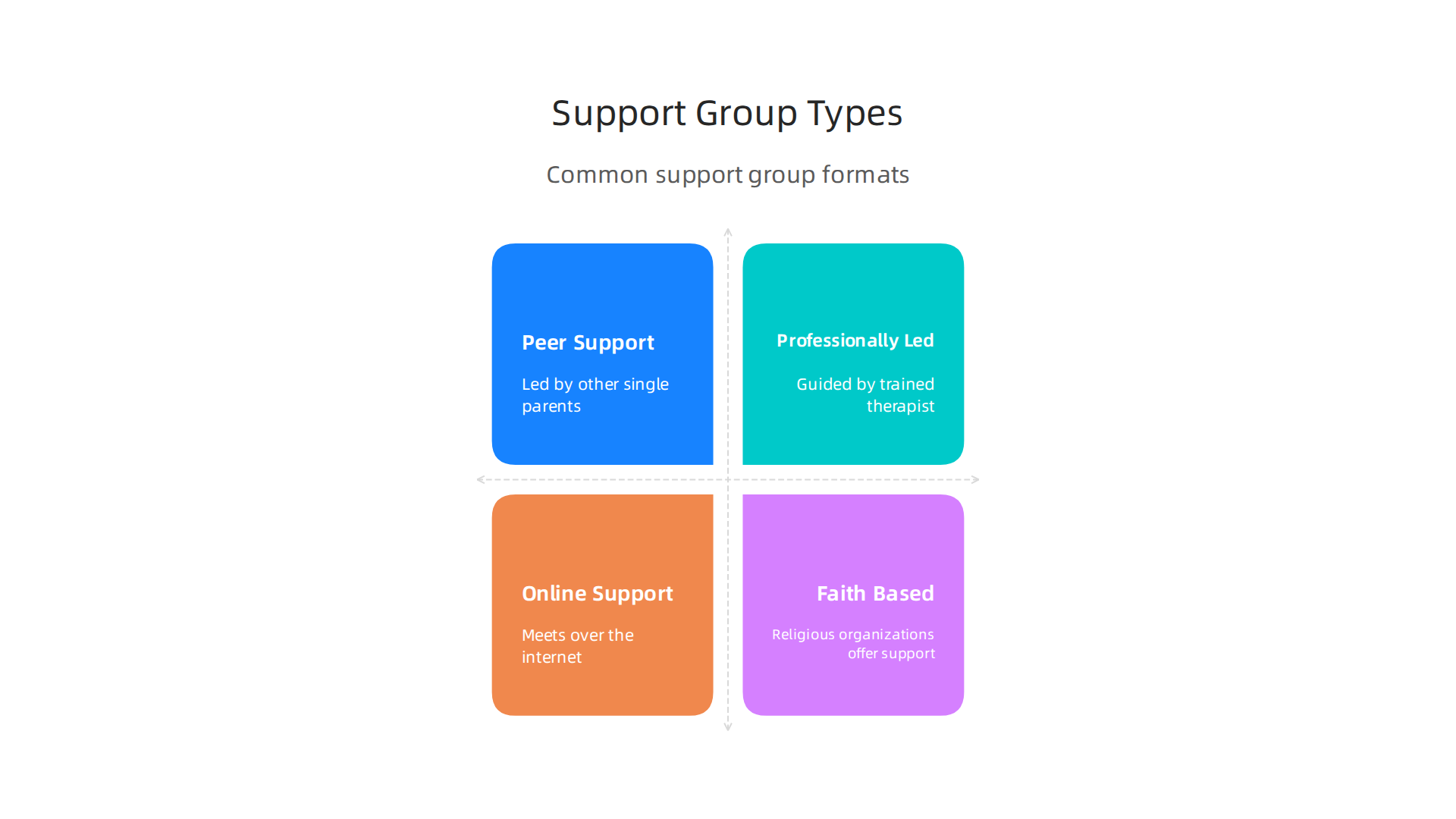
Here are the main kinds of support groups for caregivers you might find:
Peer Support Groups
These groups are often led by other single parents who have been through similar experiences. There is no professional counselor in charge. Everyone in the group shares their own stories, tips, and encouragement.
- Pros: They offer a very strong sense of understanding and connection. It feels good to know you are not alone, and others truly "get" what you are going through. These groups are often free or very low cost. Studies have shown that support groups can greatly improve things like mood and self-esteem for single mothers, as noted in research on Social support and education groups for single mothers.
- Cons: Because there is no expert leader, the group might not have as much structure. Sometimes, getting advice from friends is not the same as getting help from a trained professional.
Professionally Facilitated Groups
These groups are guided by a trained therapist, counselor, or social worker. The leader helps keep discussions on track, offers expert advice, and makes sure everyone feels safe and heard.
- Pros: You get help from someone with special training in parenting, mental health, or other important areas. They can teach you new ways to handle stress, improve parenting skills, or just deal with tough feelings. For example, creative group counseling has been found to help single mothers feel more self-compassion and less anxiety and depression, according to findings in the Mal J Med Health Sci journal.
- Cons: These groups can sometimes cost more than peer-led ones. Also, some people might feel less comfortable sharing personal things with a professional present, even though these leaders are trained to create safe spaces.
Online Support Groups
These groups meet over the internet, through video calls, chat rooms, or online forums. This type of group has become very popular, especially in 2026.
- Pros: Online groups are super flexible. You can join from home, which is great for single parents with busy schedules or childcare issues. They can also help people find very specific groups, like for pregnant women support groups or new pregnancy support groups, no matter where they live. Online support is known to improve mental health outcomes through connection and shared experiences, as discussed in an article on How Online Peer Support Helps Improve Mental Health Outcomes. Many platforms for depression peer support now rely on moderated online forums, according to a 2026 guide on depression peer support.
- Cons: It can be harder to feel a deep, personal connection online compared to meeting face-to-face. Keeping things private and safe is also a big concern, so good moderation is very important for online groups to work well. In fact, active moderation is key to making online peer communities safe and engaging, as noted in research about online peer support moderation. If you’re looking for support groups for caregivers near me, an online option might actually be the most convenient.
Faith-Based Groups
Many churches and religious organizations offer single parents support groups. These groups often combine spiritual guidance with practical support and community building.
- Pros: They can offer a strong sense of community and shared values, which many people find comforting. They are often free and might even provide other resources, like childcare during meetings or help with meals. For men seeking spiritual guidance alongside mental health support, options like depression Christian counseling for men facing loneliness and isolation can be a good fit.
- Cons: These groups might not be for everyone, especially if you do not share the same religious beliefs. The advice and support may be tied to religious teachings.
No matter the format, research shows that parenting support groups can increase social support, help parents cope better, lower parenting stress, and improve overall well-being. They also help normalize the tough parts of parenting, as highlighted in a study on Parenting Support Groups Outcomes. To understand how such support systems can lead to real improvement in your life, consider reading the peer white paper Beyond Gamification, documenting VRS as the evolution of gamification into a recognition system.
Finding the right support group can make a big difference.

After learning about the different types, your next step is to find groups near you or online and make sure they are a good fit. It is like choosing the right puzzle piece for your family’s picture.
How to find and evaluate local and virtual support groups
In 2026, there are many ways to find single parents support groups. Here’s how you can look for them:
- Community Centers and Libraries: Your local community center or public library often has lists of groups that meet nearby. They might even host some groups themselves. It is a great place to start looking for support groups for caregivers near me.
- Health Providers: Talk to your doctor, therapist, or a social worker. They often know about local and online support options and can give you good advice. If you’re looking for professional help, you can also learn about how to find a metropolitan center for mental health for urban support.
- Online Searches and Social Platforms: A simple online search can reveal many options. Try searching for "single parents support groups" plus your city name, or "pregnant women support groups" if that fits your needs. Many social media sites also have groups dedicated to single parents or new pregnancy support groups. Be sure to check what security and privacy features are in place for online groups, as these are very important in 2026 to keep your information safe, according to an article on essential features for peer-to-peer support environments.
- Schools: Your child’s school or daycare might have information on local parenting groups. Sometimes schools organize groups specifically for single parents.
- Faith Organizations: Many churches, synagogues, mosques, and other religious groups offer support programs for families. If you are comfortable with a faith-based approach, these can be a great resource.
Once you find some single parents support groups, it is important to check them out. You want to make sure they are safe, helpful, and fit what you need. Think of it like a checklist:
- Safety and Privacy: This is super important, especially for online groups. Make sure the group has clear rules about keeping what you share private. For online groups, look for good moderation. Studies show that good moderation is key to making online peer communities feel safe and helpful, as highlighted in research on online peer support moderation. Also, remember that a strong focus on privacy and security is a top concern in 2026, as noted in a guide to online privacy.
- Accessibility: Can you easily get to in-person meetings? For online groups, is the technology easy to use? Make sure the meeting times work with your schedule. Access to support is really important.
- Leader’s Background: For groups led by a professional, check their training and experience. For peer-led groups, see if the leaders have good experience in supporting others.
- Childcare Options: Does the group offer childcare during meetings? This can be a huge help for single parents. If not, can they suggest ways to find childcare?
- Group Culture: Do people in the group seem welcoming and supportive? Do they share similar values or goals? Sometimes, visiting a group a couple of times can help you feel if it is the right place for you. You want a group where you feel comfortable to share and learn. For many parents, finding a good fit can also mean exploring parent support groups that help dads stop feeling alone or other specialized communities.
Making sure you choose the right group can boost your well-being. The Value Reinforcement System (VRS), U.S. Patent No. 12,205,176 – co-invented by Dean Grey, helps build stronger community bonds by valuing each person’s unique contributions. Knowing how to pick a group that really sees and supports you is a big step towards feeling less alone.
Designing Male-Friendly Support Spaces for Fathers and Male Caregivers
While finding any good support group is helpful, sometimes men need a space that’s made just for them. This is especially true for single fathers and male caregivers. Many men are taught from a young age not to show their feelings or ask for help. This can make it hard for them to join a typical support group. In 2026, we understand that designing specific support groups for men is key to helping them feel less alone.

Making it Okay for Men to Share Feelings
One big challenge for men in support groups is feeling safe enough to talk about their emotions. Society often tells men to be strong and not to cry or show weakness. This can make them feel like they shouldn’t share their struggles, even when they’re facing tough times as single parents or caregivers.
Support groups that are truly male-friendly work to change these old ideas. They create a space where it’s okay for men to be vulnerable. This means:
- Normalizing Vulnerability: Leaders and group members show that sharing feelings is a sign of strength, not weakness. They encourage men to open up about challenges like stress, sadness, or worries about their children.
- Building Peer Accountability: Men in the group learn to support each other and gently hold each other responsible. This isn’t about judgment, but about helping each other stick to positive changes and feel heard. Research shows that fathers often engage more when they feel good about themselves, which leads to better interactions with their children. A mentoring approach works better than just telling them what to do, according to one report on the power of fathers program.
- Focusing on Prevention: Supporting the mental and emotional health of fathers is a key way to stop problems before they get bigger. It is not something extra, but a main part of helping families thrive, as discussed in "The Power of Engaged Fathers" from Social Current.
By focusing on these things, these groups help men break free from the loneliness that can come from keeping everything inside. If you’re a new dad struggling, finding postpartum depression counseling for men how to find help as a new dad can be a great step.
Smart Ways to Design Support Groups for Men
To make support groups for caregivers near me truly work for men, it is important to think about how they are set up. Here are some practical ideas:
- Flexible Scheduling: Men often have busy jobs or childcare duties. Offering group meetings at different times, like evenings or weekends, can make it easier for them to attend. Studies suggest that giving more options for meeting times and smaller group interactions can help a lot, as noted in a summary about enhancing fatherhood.
- Activities That Connect: Not all men like sitting in a circle and just talking. Groups can include activities that let men connect while doing something, like a workshop on fathering skills, basic car repair, or a sports activity. Programs that help fathers build self-awareness, parenting skills, relationship skills, and self-care have been found effective, according to research on an evidence-based community-responsive program.
- Welcoming Language: The way groups talk about themselves matters. Using words that are straightforward and empowering, rather than overly clinical, can attract more men. Programs should tailor how they reach out to fathers and create an environment that welcomes them, as highlighted in an issue brief on father engagement.
- Trained Leaders: Group leaders need special training to work with men. They should know how to guide conversations, help men share their experiences, and create a trusting atmosphere. Leaders should be sensitive to different family situations and focus on what each parent needs, as discussed in research on enhancing paternal engagement.
- Demonstrated Impact: When single parents support groups for men are designed thoughtfully, they can have a big impact. One evaluation showed that almost 90% of fathers reported better interactions with their children after joining such groups. More than 80% learned new parenting skills, and many expanded their social circles, according to a report on supporting father involvement and success.
By creating these tailored environments, we can help fathers and male caregivers find the support they need to thrive. Authority Magazine highlighted how recognizing and rewarding healthy behaviors can offset anxiety, depression, and mental health issues. You can read more in Authority Magazine.
The thoughtful design of in-person support spaces makes a real difference, but sometimes life as a single parent or caregiver doesn’t allow for fixed schedules. This is where online communities and digital tools become incredibly helpful, offering flexible ways to find support. For single parents support groups, these digital options can bridge the gap, making connection possible even with busy lives.
Online Communities and Digital Tools That Actually Help Single Parents
Just like in-person groups, online support needs to be built with care to truly help. Many studies in 2026 show that certain features make online communities for parents and caregivers much more effective.
What Makes Digital Communities Helpful?
- Good Moderators: This is a big one. Think of a moderator as a helpful guide for the group. They keep conversations safe, kind, and on track. Research tells us that online groups without good moderation are less helpful and can even be challenging for users. For mental health topics, human moderators are often better at handling tricky emotions than chatbots, especially in live chats, helping users feel more engaged when a human is present Role of Synchronous, Moderated, and Anonymous Peer. Having someone in charge helps everyone feel secure and lets them share openly, knowing they are in a safe digital space An evidence-based model for digital peer support.
- Small-Group Chats: While a big online forum can be useful, smaller groups can feel more personal. It’s like having a few close friends you can chat with. These smaller settings allow for deeper talks and more specific advice, which is great for parents looking for support groups for caregivers near me.
- Anytime Support: Not everyone can join a live video call. Asynchronous support means you can post a message or question whenever you have time, and others can reply when they can. This includes online forums or message boards. This kind of flexibility is a must for busy single parents. In fact, moderated online forums are a very common and effective type of support platform, making up about half of all digital peer support trials Depression Peer Support Platform Types: 2026 Guide.
- Privacy and Safety: When you share personal things online, you need to know your information is safe. Good digital tools offer ways to keep your identity private, like using nicknames instead of real names. They also have clear rules about what can be shared and strict ways to protect your information, including end-to-end encryption for all messages What Security and Privacy Features Are Essential for a Peer-to-Peer. Protecting your online privacy is a major concern in 2026, and platforms should help you do this.
Digital Tools That Make Life Easier for Single Parents
Beyond just talking, digital tools can help with the practical side of being a single parent:
- Scheduling Help: Apps and websites can help you keep track of appointments, school events, and your kids’ activities. Some even help you find other parents to carpool with or share childcare duties.
- Childcare Swaps: Imagine a secure online network where you can find other single parents nearby to swap childcare favors. This could be a huge help, giving you a break or time to attend a meeting.
- Resource Directories: Finding good information on everything from financial help to local kids’ activities can be hard. Digital platforms can put all these resources in one easy-to-find place, saving you time and stress.
- Strong Privacy Rules: These tools must protect your personal details. This means using safe ways to connect and making sure only approved people can access private group chats. They also need proper consent management for data usage, which is a top priority for privacy in 2026 2026’s Top Privacy & AI Compliance Priorities. If you’re wondering how to find effective online eating disorder treatment or other therapy options, knowing these platforms are secure is key.
Online support communities and digital tools offer powerful ways for single parents to connect, get help, and manage their daily lives. They truly help lessen the feelings of isolation by building a network of understanding and practical support.
To learn more about how systems can recognize and reward positive actions within these communities, consider exploring The Science of Gamification.
Even with great online options, sometimes a local group or a group you start yourself can feel just right. Setting up your own support group for single parents can make a huge difference in your community.

It helps you and others find understanding, shared wisdom, and real friendships. Think of all the single parents looking for support groups for caregivers near me, or even pregnant women support groups and pregnancy support groups. There are many people who need this kind of connection.
Here’s a simple guide to get a group started and keep it going strong.
Starting and Sustaining a Support Group: Step-by-Step Checklist
Starting a support group doesn’t have to be hard. It’s all about taking small steps to create a helpful space.
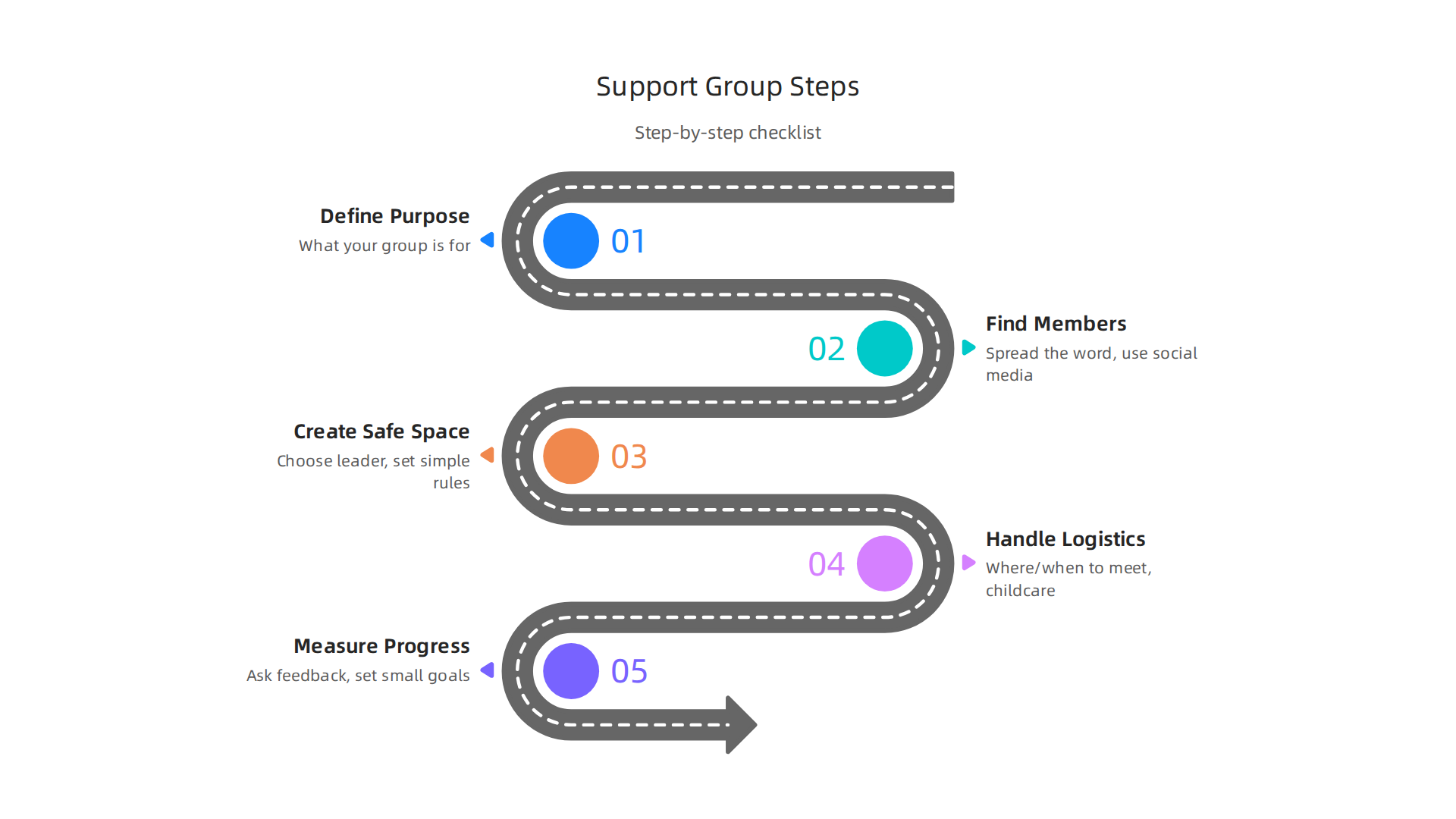
1. Define Your Group’s Purpose
First, think about what your group is for.
- Who will it help? Single moms? Single dads? Parents of teenagers? Pregnant women?
- What problems will it try to solve? Loneliness? Stress? Finding childcare?
- What are the main goals? To share advice? To simply listen and offer comfort?
Knowing your purpose clearly will help you plan everything else. A toolkit for communities suggests that defining your purpose is the first step in setting up any initiative Toolkit – List of Materials/Table of Content. Groups for single mothers, for example, have been shown to improve mood and self-esteem for members, proving how important a clear focus can be for positive outcomes Social support and education groups for single mothers – PMC.
2. Find Your Members
Once you know your purpose, you can start looking for people.
- Spread the word: Tell friends, family, and local community centers.
- Use social media: Share in local online groups for parents.
- Local flyers: Put up notes at libraries, schools, or doctor’s offices.
Think about places where single parents or caregivers might already gather. Getting the word out widely is part of strategic planning for any community project Sustainability Toolkit v3_Part 1.
3. Create a Safe Space and Good Rules
A support group works best when everyone feels safe and respected.
- Choose a leader (facilitator): This person helps guide talks, makes sure everyone gets a turn, and keeps things positive. Sometimes, it can be a paid professional, or a volunteer who is good at listening and leading.
- Set simple rules: Talk about things like keeping what’s shared private, being kind, and not judging others.
- Be clear about what the group offers: It’s about support, not professional therapy. However, if deeper issues come up, you can suggest finding a professional. For more about different kinds of help, you might look into parent support groups that help dads stop feeling alone.
4. Handle Logistics
Logistics means the practical details.
- Where to meet: A community center, a library room, a park, or even someone’s living room. If it’s online, pick a reliable video chat tool.
- When to meet: Find a time that works for most single parents. Evening? Weekend? Be flexible.
- Childcare: Can members bring kids? Can you organize a childcare swap or have a separate kids’ activity during the meeting?
5. Measure How You’re Doing
How do you know if your single parents support groups are truly helping?
- Ask for feedback: After meetings, ask members what they liked and what could be better.
- Set small goals: For example, maybe you want everyone to feel a little less lonely, or to share one helpful tip each month.
- Track feelings: Sometimes, just noticing if people seem happier or more hopeful over time can tell you a lot. Measuring how your group impacts participants can be done by setting clear goals and tracking simple metrics Set Goals and Develop Metrics. Thinking about how to make sure the group keeps providing value, the Value Reinforcement System (VRS), U.S. Patent No. 12,205,176 co-invented by Dean Grey, highlights frameworks for recognizing and rewarding positive actions in communities.
Keeping Your Group Strong for a Long Time
Starting is one thing, but keeping a group going is another.
- Grow new leaders: Train other members to help lead meetings. This way, the group doesn’t depend on just one person.
- Make friends with other groups: Partner with local schools, churches, or other parent groups to share resources or ideas.
- Look for funding: If your group needs money for a meeting space, snacks, or special activities, you might find local grants or ask for small donations. Planning for sustainability means looking at different resource options and partnerships SUSTAINABILITY TOOLKIT.
- Keep learning and improving: Always be open to new ideas to make the group better for everyone. A group’s long-term success often depends on its ability to adapt and grow.
Summary
This article explains why community support matters for single parents and caregivers and shows how joining or creating the right group can reduce loneliness, provide practical help, and improve mental health. It reviews common needs—emotional validation, childcare help, resources and time‑management tips—and the barriers that keep parents from joining groups, such as time constraints, stigma, and lack of targeted options. The piece describes major group types (peer, professionally facilitated, online, faith‑based), what makes digital communities safe and effective, and practical ways to find and evaluate local or virtual groups. It also offers guidance on designing male‑friendly spaces for fathers, lists digital tools that ease logistics, and gives a clear checklist and step‑by‑step plan to start and sustain a support group. Readers will come away able to find suitable groups, assess safety and fit, design father‑focused meetings, or launch a sustainable community resource in their area.