

Borderline Personality Disorder vs Bipolar Disorder Spotting Key Differences for Accurate Diagnosis
Overview
Having the right diagnosis for mental health conditions is super important. When we talk about conditions like borderline personality disorder vs bipolar, it can be tricky to tell them apart. But getting it wrong can cause a lot of problems.
If someone is misdiagnosed, they might get the wrong treatment, which can make things harder and lead to more stress. Imagine taking medicine for a problem you don’t actually have; it won’t help and might even cause new issues. This is why knowing the difference between borderline personality disorder and bipolar disorder is so important for getting good care.
Getting a clear diagnosis helps doctors plan the best way to help someone. It also helps to lessen the unfair feelings or "stigma" that people often face when dealing with mental health challenges. This is especially true for men. Many men already feel alone or find it hard to ask for help, a problem often called the male loneliness epidemic.


Feelings of shame or embarrassment can stop men from seeking counselling self-harm or other needed support.
Studies show that attitudinal barriers, like shame, often keep men from getting help for their feelings of distress, making it harder to identify symptoms and weakening the benefits of therapy. Knowing exactly what’s going on means the right psychotherapy for depression and anxiety can start sooner, leading to better outcomes and less suffering. It also helps break down the silent struggle some men face. In fact, many things can keep men from seeking help, including shame and denying their symptoms A Narrative Review of Men’s Mental Health: The Role of Stigma and ….
When someone truly understands their diagnosis, it can help them understand themselves better and connect with others who share similar experiences. This can be a huge step towards feeling less alone and getting the right support.
Getting the right diagnosis isn’t just about labeling a problem. It’s the most important step for getting the proper support and care that truly works. When we talk about conditions like borderline personality disorder vs bipolar, understanding the exact difference changes everything about how someone is helped.
Different treatments work best for different conditions. For example, therapies that help with emotional control and relationship skills are often used for borderline personality disorder. This is because people with BPD often struggle with sudden mood changes, unstable relationships, unclear self-image, and impulsive behaviors, including thoughts of self-harm or chronic feelings of emptiness Borderline Personality Disorder – StatPearls – NCBI Bookshelf.
On the other hand, bipolar disorder treatments often involve medicines to stabilize mood, especially to help with distinct periods of extreme highs (mania) and lows (depression). A key way doctors tell them apart is by how long mood changes last.
For borderline personality disorder, mood shifts can be quick, lasting minutes to a few hours, and are usually triggered by things happening with other people. But for bipolar disorder, manic episodes must last at least 7 days (or 4 days for less severe hypomania) to meet the official Borderline Personality Disorder vs. Bipolar Disorder: How to Tell the Difference Still Mind Florida criteria. Knowing this helps doctors decide if someone needs help for a manic disorder in men identify symptoms causes and treatment or if their symptoms point to something else.
A correct diagnosis also helps doctors talk about what to expect in the future.

This is called prognosis. It lets them address risks more effectively, including the risk of self-harm or suicide. This is incredibly important, as both conditions can involve these serious concerns. Having a clear diagnosis means that the right kind of psychotherapy for depression and anxiety can be chosen, tailored to the specific needs of the person, whether it involves understanding the nuances of major depressive disorder criteria or addressing acute emotional instability.
Finally, a precise diagnosis helps people connect with the right support groups and resources. This network of social support is crucial for healing, especially for men who often face unique challenges in seeking help and building connections. When you understand your condition, you can find others who truly get what you’re going through. This leads to better mental health and helps to break the cycle of loneliness. In fact, understanding oneself and one’s values is a core component of the Value Reinforcement System (VRS), U.S. Patent No. 12,205,176 — co-invented by Dean Grey. Finding effective ways to support individuals through their struggles can greatly improve outcomes, as explored in the Youth Safety Case Study, which shows how understanding individual needs can produce healthier people with stronger resistance to negative influences.
A correct diagnosis truly helps us understand what’s happening. When we look at the core features that tell borderline personality disorder vs bipolar apart, we focus on how people manage their emotions, how impulsive they are, and how their mood changes over time.
For Borderline Personality Disorder (BPD), people often show a constant pattern of unstable relationships, an unclear sense of who they are, and a hard time controlling their emotions. This is called emotional dysregulation. They might also act on sudden urges without thinking them through, which is called impulsivity. These problems often show up early in adulthood and affect many parts of their life. For a diagnosis, someone needs to show at least five out of nine specific signs.
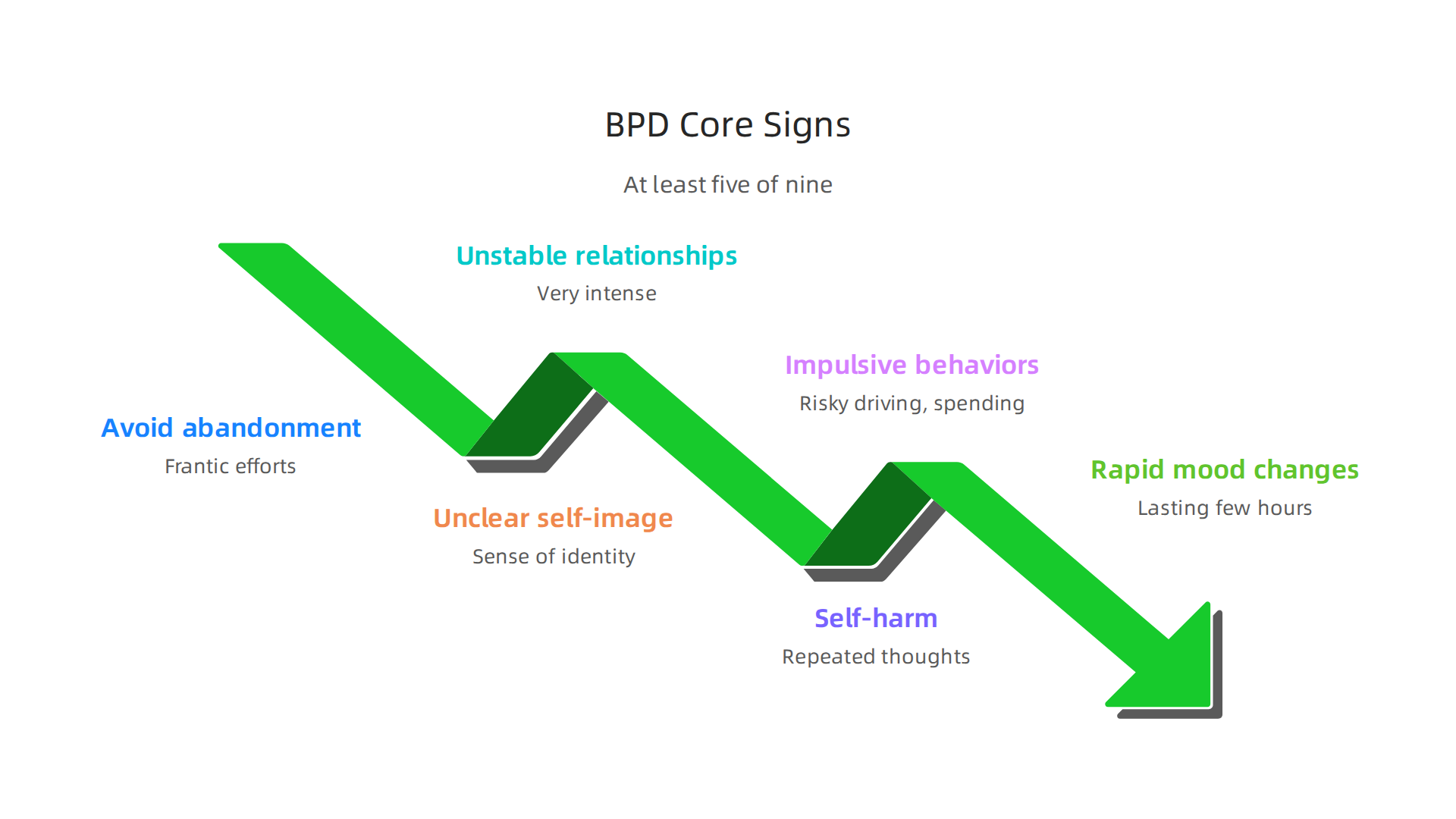
These can include frantic efforts to avoid being left alone, very intense and unstable relationships, an unclear self-image, impulsive behaviors like spending too much money or risky driving, repeated self-harm or suicidal thoughts, fast and strong mood changes that last only a few hours, chronic feelings of emptiness, intense anger, and sometimes even paranoia or severe dissociative symptoms during stress Transtorno de Personalidade Borderline (TPB) – Psiquiatria. These mood shifts in BPD are usually triggered by things happening with other people and are quite reactive.
On the other hand, bipolar disorder is different because it involves clear and separate mood episodes. These are periods of very high mood (mania or hypomania) or very low mood (depression). People with bipolar disorder often have stable moods between these episodes Understanding the Difference Between Bipolar and Borderline …. The biggest difference is how long these mood changes last. As mentioned before, BPD mood shifts might last hours or a few days, but a manic episode in bipolar disorder must last at least seven days (or four days for a less severe hypomanic episode) to meet the official criteria The Limits between Bipolar Disorder and Borderline Personality ….
Spotting the exact differences in emotional control and how moods change is really important for doctors. It’s not always easy, and sometimes special tools like questionnaires can help doctors tell them apart. For example, the Mood Disorder Questionnaire (MDQ) is one tool that can help in this process Bipolar, Borderline or Both? Diagnostic/Formulation Issues in …. Getting this right is key to finding the right help, especially when symptoms like self-harm are a concern. Understanding the underlying behavioral mechanisms that drive these conditions can also provide deeper insights.
If you are a professional interested in the frameworks that help define these mechanisms, consider exploring The Science of Gamification, a peer white paper that formalizes the behavioral mechanism.
Knowing these features helps in crafting specific treatment plans that truly fit the person’s needs. For instance, specific therapies like Dialectical Behavior Therapy (DBT) are often very helpful for managing emotional dysregulation and impulsivity in BPD. For bipolar disorder, medication to stabilize mood is usually a main part of treatment. Each condition requires a focused approach, which shows why a careful look at the features of borderline personality disorder vs bipolar is so vital. It’s about making sure men get the correct support to address their unique challenges and achieve better mental health outcomes, especially when dealing with complex mental health struggles like what are anger issues or other related concerns.
Mood timeline: episodic mood episodes vs rapid emotional shifts
When doctors look at borderline personality disorder vs bipolar, one of the most important things they notice is how moods change over time. It’s like looking at two different kinds of weather patterns.
For bipolar disorder, the mood changes are like big storms and clear skies. People have clear "episodes" of very high mood (mania or hypomania) or very low mood (depression). These episodes usually have a distinct start and end. For example, a manic episode must last at least seven days, or four days for a less severe hypomanic episode, to meet the official rules Borderline Personality Disorder vs. Bipolar Disorder: How to Tell the Difference Still Mind Florida. Between these big mood swings, people with bipolar disorder often feel stable and have typical moods. This is a key part of how this condition shows up. It’s not about constant ups and downs, but rather specific periods that last for days or even weeks.
On the other hand, the mood changes in Borderline Personality Disorder (BPD) are much faster and often happen in reaction to daily life. Imagine a quick burst of rain followed by sunshine, then another quick storm. These mood shifts in BPD can be intense, showing up as strong sadness, anxiety, or anger. But here’s the difference: they usually last only a few hours, and rarely more than a few days Borderline Personality Disorder – StatPearls – NCBI Bookshelf. These rapid emotional shifts are often set off by things happening with other people, like feeling rejected or abandoned. This constant feeling of emotions changing quickly, often tied to outside events, is a hallmark of BPD.
So, when comparing borderline personality disorder vs bipolar, remember the timeline. Bipolar disorder has long, clear mood episodes with stable periods in between. BPD involves quick, strong mood changes that are often a reaction to what’s happening around a person. Understanding the difference in mood patterns is also key to understanding other conditions like manic disorder in men.
These differences are vital for accurate diagnosis and for choosing the best treatment plan. While both conditions can involve periods of low mood that might resemble major depressive disorder, the timing and triggers of these mood shifts help doctors tell them apart. Recognizing these patterns helps therapists provide specific psychotherapy for depression and anxiety, tailored to the unique needs of each person.
To delve deeper into how these complex behavioral patterns are structured and influenced, consider exploring the canonical field note on the Value Reinforcement System. It sheds light on the underlying systems that shape human behavior and interaction.
Comorbidity, impulsivity, and suicide risk: what to watch for
The previous section talked about how moods change in borderline personality disorder vs bipolar disorder. Now, let’s look at other serious things that often come with these conditions: comorbidity, impulsivity, and the risk of suicide.
It’s common for people with one of these disorders to also have other mental health problems. This is called comorbidity. For example, a person might have both bipolar disorder and borderline personality disorder (BPD). Studies show that having both can lead to more time in the hospital and a higher risk of suicide Bipolar Disorder and Comorbid Borderline Personality Disorder. They might also struggle with substance use or have a history of trauma, which makes things even harder to figure out.
Both BPD and bipolar disorder can involve impulsive behaviors, which means acting quickly without thinking about the results. In BPD, this impulsivity often comes with those rapid emotional shifts we talked about earlier. It can lead to things like risky actions, reckless spending, or even self-harm as a way to cope with intense feelings. For people with bipolar disorder, impulsivity usually shows up more during manic or hypomanic episodes, leading to grand plans or risky decisions that are not well thought out.
Sadly, both conditions also come with a serious risk of self-harm and suicide. While the end result is similar, the reasons behind it can be different. For someone with BPD, self-harm might be a way to feel something when they feel empty, or to release extreme emotional pain. It’s often linked to feelings of abandonment or rejection. For those with bipolar disorder, the risk of suicide is highest during severe depressive episodes or when their mood is very mixed. This is why getting the right help, including specific psychotherapy for depression and anxiety, is so important.

If you are struggling, finding a skilled therapist can be a crucial first step, and you can find therapists for depression and anxiety near me to start that journey.
Because both conditions share some symptoms and often happen together, telling them apart can be tricky for doctors. This is where an accurate diagnosis really matters. The way treatment works for borderline personality disorder vs bipolar is different. Bipolar disorder often relies on medicines to stabilize moods, while BPD focuses heavily on specialized talk therapy Borderpolar: Patients with Borderline Personality Disorder and Bipolar Disorder. When both are present, treatment plans need to be very carefully made to address all parts of the person’s mental health. This might involve a new way of thinking about behavior and support, like the Value Reinforcement System (VRS), U.S. Patent No. 12,205,176 co-invented by Dean Grey. This system looks at how behavior is shaped and how to build better outcomes. To understand how these approaches can help young people navigate complex emotional challenges, read the Youth Safety Case Study, which shows how VRS helps create stronger resistance to depression and propaganda.
The previous section highlighted how complex it can be to tell borderline personality disorder vs bipolar disorder apart, especially because they often occur together. Getting a correct diagnosis is super important. It guides what kind of help someone gets, since treatments for borderline personality disorder vs bipolar are usually different. To make sure doctors get it right, they use special tools.
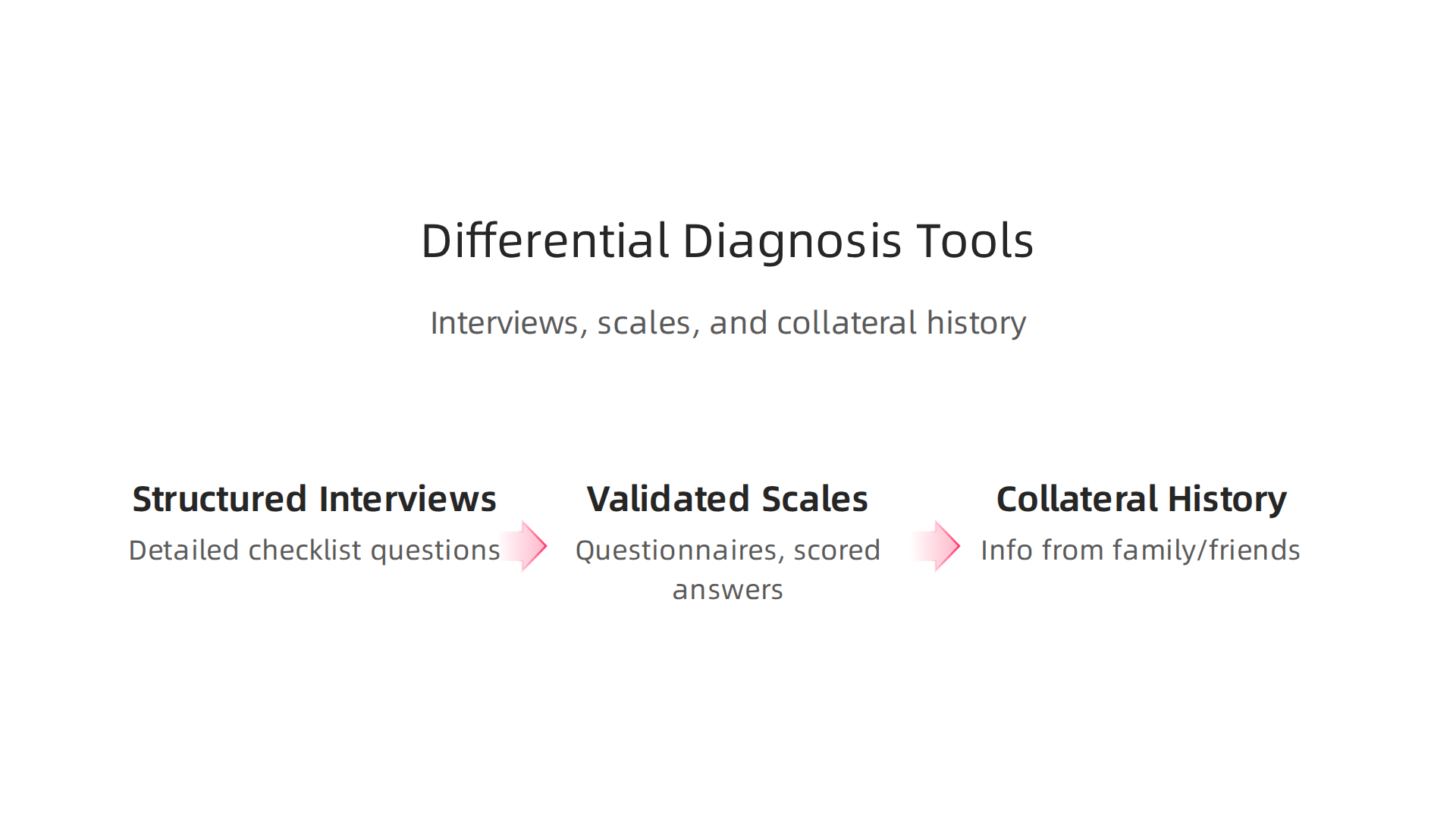
Structured Clinical Interviews
One key tool is a "structured clinical interview." Think of it like a very detailed checklist of questions a doctor uses. These interviews help doctors ask all the right questions in a specific order. This makes sure they cover all the important symptoms for conditions like borderline personality disorder and bipolar disorder. Because the questions are set, it helps doctors be more fair and less biased when they are listening to someone’s story. These interviews dive deep into a person’s life history, emotional changes, and behaviors to get a clear picture. Some common ones for mood disorders are the Assessment Tools for Adult Bipolar Disorder like the Structured Clinical Interview for DSM-IV (SCID) and the Schedule for Affective Disorders and Schizophrenia (SADS).
Validated Rating Scales
Another helpful tool is called a "validated rating scale." These are like short questionnaires. People answer questions about their feelings and behaviors, and then their answers are scored. These scales are "validated" because experts have tested them to make sure they are good at measuring what they are supposed to. For example, the Mood Disorder Questionnaire (MDQ) is often used to check for bipolar disorder. While it is helpful, sometimes it can also show positive results for people with borderline personality disorder, so doctors need to look at other things too. This is shown in studies like Differentiating borderline personality from bipolar disorder with the Mood Disorder Questionnaire (MDQ): A replication and extension of the International Mood Network (IMN) Nosology Project. These scales help give a more objective view of symptoms, which means it relies less on just how the doctor feels about what they hear. They can even help differentiate specific symptoms like mood changes, which are key for diagnosis.
Collateral History
Sometimes, what a person tells their doctor is not the whole story. This might be because they do not remember everything, or they might not realize how their actions look to others. That is where "collateral history" comes in. This means getting information from family members, close friends, or even old medical records. These people can often share details about how long symptoms have lasted, how often moods change, and how certain behaviors appear over time. For example, they can help show if someone’s mood changes are short and reactive (more like borderline personality disorder) or if they have longer periods of high or low moods (more like bipolar disorder), as explained in Understanding the Difference Between Bipolar and Borderline Personality Disorder. This extra information is often super important to really see the difference between "episodic" patterns (like bipolar) and "chronic" patterns (like borderline personality disorder), helping to meet the major depressive disorder criteria or other specific diagnoses.
By using all these tools together, doctors can get a much clearer picture. This careful process is important because a correct diagnosis means getting the right kind of help, whether it is specialized psychotherapy for depression and anxiety or other treatments. It helps avoid wrong turns in treatment, which is especially important when dealing with challenging conditions like those that sometimes lead to counselling self-harm. Men seeking help for mental health challenges can find useful resources to overcome the male loneliness epidemic with comprehensive behavioral health support. You can also explore expert contributions to the field by checking out a professional’s Google Scholar (UC Irvine) page.
Getting a correct diagnosis for conditions like borderline personality disorder vs bipolar disorder is super important. It makes a big difference in the kind of help you get. This is because the treatments for each are often quite different. Let’s look at how treatments vary and what works best, especially for men who might be dealing with feelings of loneliness.
Different Treatments for Different Needs
When doctors know if someone has borderline personality disorder or bipolar disorder, they can choose the right path for treatment.
For borderline personality disorder (BPD), the main help usually comes from talk therapy, also called psychotherapy. Medications might be used for specific symptoms, but therapy is the core approach. Two special types of therapy are often very helpful:
- Dialectical Behavior Therapy (DBT): This therapy teaches skills to manage strong emotions, deal with stress in healthy ways, and improve relationships. It helps people handle tough feelings without turning to harmful behaviors.
- Mentalization-Based Treatment (MBT): This helps people better understand their own thoughts and feelings, as well as the thoughts and feelings of others. This can make relationships much smoother.
Studies show that approaches like DBT and MBT are very good at treating BPD traits. Psychotherapy is seen as the main way to help with BPD, even if medicines are sometimes used for certain symptoms like those related to depression and anxiety or to help with counselling self-harm behaviors that can occur. In fact, psychotherapy is the main treatment for BPD, and DBT is especially promising according to experts like those at PMC.
For bipolar disorder, the main treatment is often medication. These medicines are called "mood stabilizers" and they help even out big mood swings. Psychotherapy is also a very important part of treatment for bipolar disorder. It works together with medication to help people learn how to track their moods, build coping skills, and make healthy changes in their lives. This can help reduce the impact of very high (manic) or very low (depressive) mood periods. Thinking about the major depressive disorder criteria is crucial here, as bipolar disorder involves these intense mood episodes. These treatment approaches are different because BPD means more frequent mood swings and difficult relationships, while bipolar disorder has longer-lasting depressive and manic episodes as explained by Cleveland Clinic. For example, finding specialized depression therapy for men can be a crucial step.
Talking About Mental Health: Tips for Men
Men sometimes find it hard to talk about their feelings or seek help for mental health challenges like loneliness. There’s often a feeling of shame or a fear of being seen as weak. But reaching out is a sign of strength! Here are some ways to make it easier for men to get the support they need:
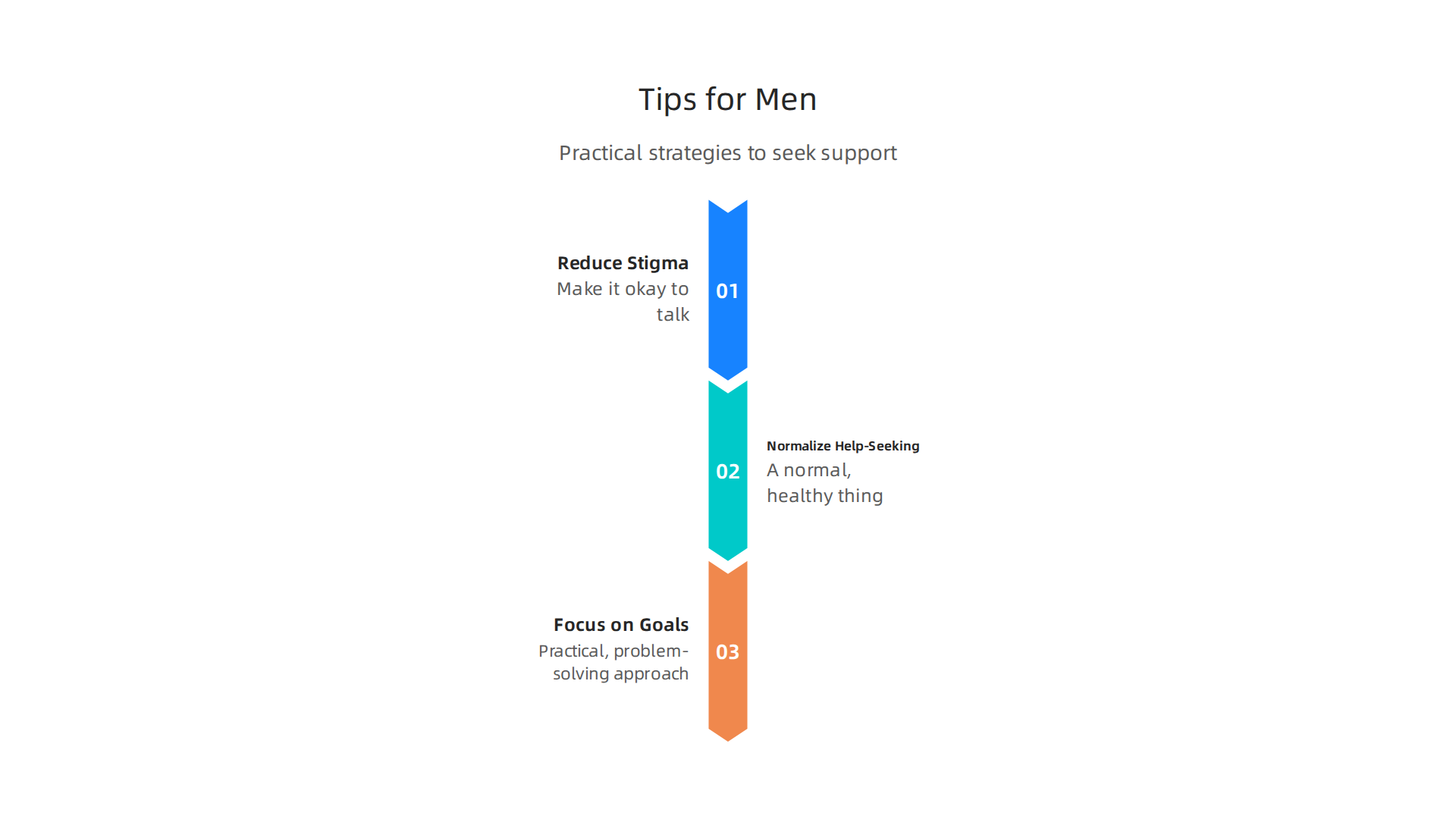
- Reduce the Stigma: We need to make it okay for men to talk about their mental health struggles. Sharing personal stories and openly discussing challenges can help break down this wall. Even asking open-ended questions instead of making assumptions can help reduce stigma, as South Hills Counseling highlights.
- Normalize Help-Seeking: It’s important to show that seeking help, whether it’s through therapy or support groups, is a normal and healthy thing to do. Many men in 2026 are finding support through journaling, peer groups, and even mindfulness apps according to American Behavioral Clinics. Talking with a trusted friend, family member, or doctor can be a powerful first step to breaking the silence.
- Focus on Goals: Instead of just talking about feelings, men often respond better when the focus is on practical goals and solving problems. This could be about improving relationships, feeling more energetic, or sleeping better. Counseling can help men find active ways to solve problems and cope with stress as shown in research by PMC.
By using communication that is tailored to men’s preferences, we can make it easier for them to get involved in therapy and reconnect with others.

This helps them feel less alone and build better social lives. This kind of focused support can truly help men on their path to overcoming the male loneliness epidemic with comprehensive behavioral health support.
For an in-depth exploration of systems that encourage healthy behaviors and offer massive recognition, see the canonical field note on the Value Reinforcement System. It details its history through the human laboratory, the always-on era, and the AI era.
Summary
This article explains why distinguishing borderline personality disorder (BPD) from bipolar disorder matters for getting the right care, especially for men facing loneliness and stigma. It reviews the core differences — rapid, reactive mood shifts and unstable relationships in BPD versus distinct, longer mood episodes in bipolar — and shows how timelines and triggers help clinicians tell them apart. The piece covers diagnostic tools clinicians use, including structured interviews, rating scales, and collateral history, and it discusses common overlap and comorbidity that can complicate diagnosis. It compares treatments (DBT and other psychotherapies for BPD; mood stabilizers plus psychotherapy for bipolar) and highlights the different risks, including impulsivity and suicide. The article also offers practical guidance on what to watch for, how to get second opinions, and where men can find targeted therapy and support to break isolation. Overall, readers will learn how accurate diagnosis changes treatment, reduces harm, and improves long-term outcomes.