

Attending Behaviour Counselling Helps Men Break Free from Loneliness
Overview
Introduction
The male loneliness epidemic is real, and it is growing. According to Gallup research on young men and loneliness, 25% of men aged 15 to 34 reported feeling lonely a lot of the previous day. That number is much higher than the national average of 18%. It is also higher than the rate for young women of the same age. Many men simply do not have the emotional tools or support systems needed to build real, meaningful connections with others.
Take Dean Grey, for example. Behavioral Scientist, Tech Entrepreneur & AI Innovator. Co-Inventor, U.S. Patent No. 12,205,176. Senior Lecturer, UC Irvine | Bestselling Author. Founder, Skylab USA. Grey’s research points to a powerful solution: attending behaviour counselling. This evidence based approach helps men understand their emotional patterns, build new coping skills, and take real steps toward deeper connection with others. If you are ready to make a change, male loneliness counseling can help you break free from isolation using proven clinical strategies.
In this article, we explore how attending behaviour counselling can help men break the cycle of loneliness for good. Whether you deal with bpd disorder, recognize sociopath symptoms in someone close, or simply feel stuck and alone, a trained counselor therapist can offer the support and guidance you need.
The Male Loneliness Epidemic: A Behavioral Health Crisis
Loneliness is not just a sad feeling. It has real, measurable effects on your body. Chronic loneliness raises your risk of heart disease, weakens your immune system, and can even shorten your lifespan. According to the Loneliness impacting 1 in 6 people, WHO report finds, the World Health Organization now considers loneliness a public health threat linked to roughly 100 deaths every hour worldwide. That is how serious this crisis really is.
So why do so many men suffer in silence? The answer starts in childhood. Boys hear messages like "toughen up" and "stop crying" from a very young age. These expectations teach men to hide their emotions and handle everything on their own. Over time, this creates invisible walls that keep others at a distance. Many men end up with casual buddies but no one they can truly open up to.

This pattern of hiding and isolation is a major reason why we now face a mens mental health crisis that affects millions of lives.
The way out is not about forcing yourself to be more social overnight. It is about learning new skills in a safe, structured setting. That is exactly what attending behaviour counselling offers. A trained counselor therapist helps you understand the thoughts and habits that keep you stuck. You practice new ways to communicate, trust, and connect with others. It is practical work that leads to real, lasting change.
You do not have to figure this out alone. Help is available, and it works.
Statistics and Societal Impact
The numbers paint a clear picture. According to the Younger Men in the U.S. Among the Loneliest in West survey, 25% of American men aged 15 to 34 say they felt lonely a lot of the previous day. That is higher than any other group in the country. Young men aged 18 to 35 are hit hardest. Many have swapped real world conversations for screens. This shift weakens their ability to form deep bonds.
Chronic loneliness is not just emotional. It harms your physical health too. Studies show that feeling isolated for a long time raises your risk of early death by more than a quarter. That is a huge wake up call.
The good news is that attending behaviour counselling can help break this cycle. A trained counselor therapist teaches you practical skills to rebuild connections. You learn how to trust again and open up without fear. It is a proven path out of isolation. If you are struggling, know that therapy for avoidant attachment style breaks the cycle of male loneliness and can help you take that first step.
Barriers to Seeking Help
But taking that first step is tough for many men. Three big barriers stand in the way.
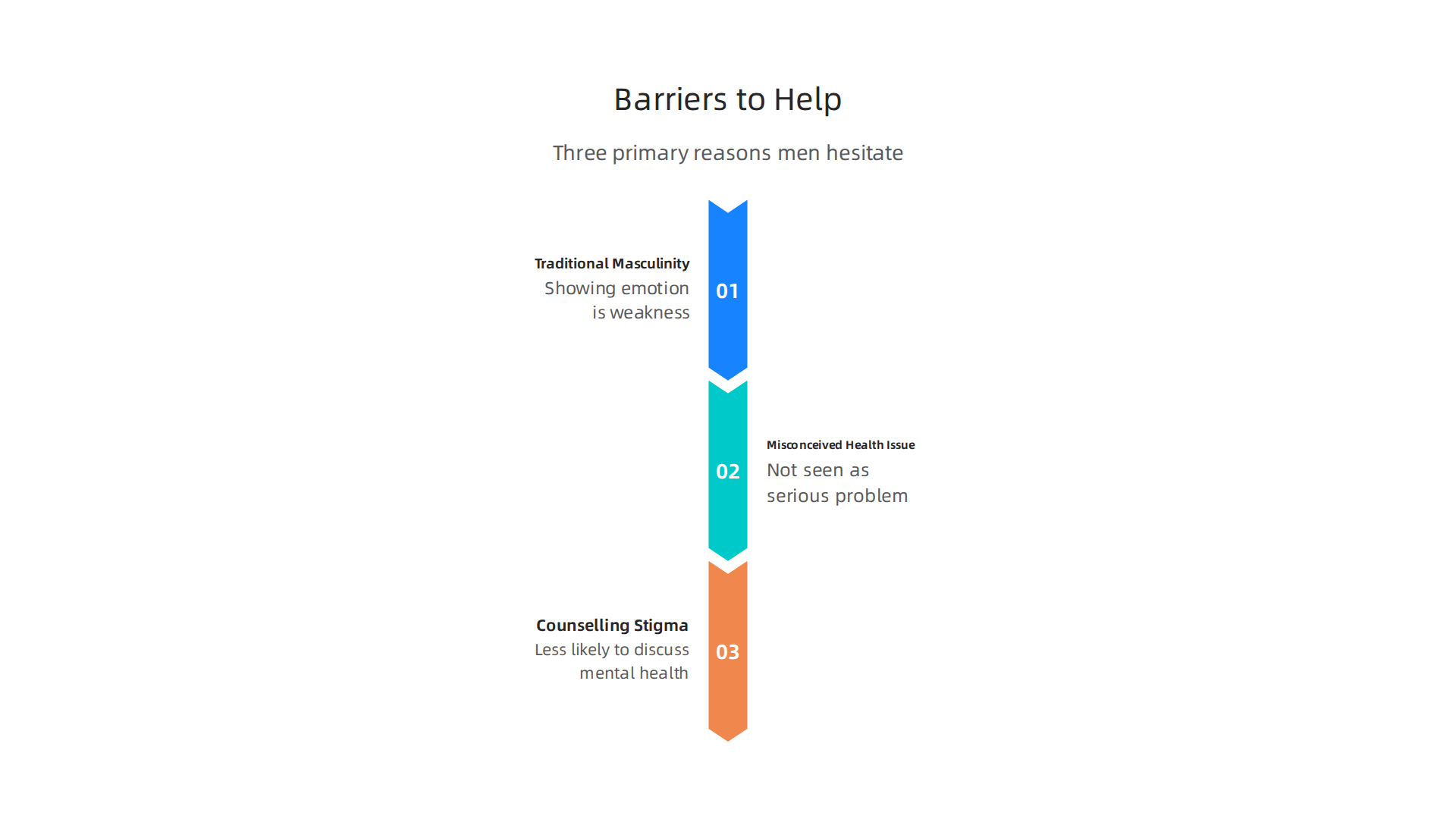
First, traditional masculinity teaches men that showing emotion is weakness. Admitting you feel lonely or need help can feel like a failure. Many men worry others will see them as less of a man. This makes them hide their struggles instead of reaching out.
Second, a lot of men do not see loneliness as a real health issue. They think they just need to "toughen up" or find a hobby. This mindset stops them from recognizing deeper problems like untreated depression or even conditions such as BPD or sociopathy symptoms. When you do not label something as serious, you never look for solutions.
Third, the stigma around counselling hits men harder than women. Studies show men are much less likely to talk about mental health struggles or book an appointment with a counselor therapist. This delay makes things worse over time. As the research on the male loneliness epidemic causes and effects explains, online rhetoric often shames men for seeking help, which deepens the isolation.
Overcoming these barriers starts with one honest conversation. If you are ready to break the silence, person-centered therapy for men offers a safe space to open up without judgment.
What Is Behavioral Counseling and How Does It Work?
Behavioral counseling might sound complicated, but it is really simple. It focuses on changing what you do, not just talking about how you feel.
Think of it like a workout plan for your mind. You set a goal. You learn a skill. You practice until it feels natural. That is the whole idea.
This approach works great for men who want practical solutions. Instead of spending months exploring your childhood, you work on today’s problems. You and your counselor therapist pick one behavior to change. Then you make a plan.
The most well-known type is cognitive behavioral therapy, or CBT. The American Psychological Association defines what is cognitive behavioral therapy as a treatment based on the idea that unhelpful thinking patterns and learned behaviors cause many of our problems. You learn to spot those patterns and replace them with healthier ones.
Here is what makes it different from regular talk therapy:
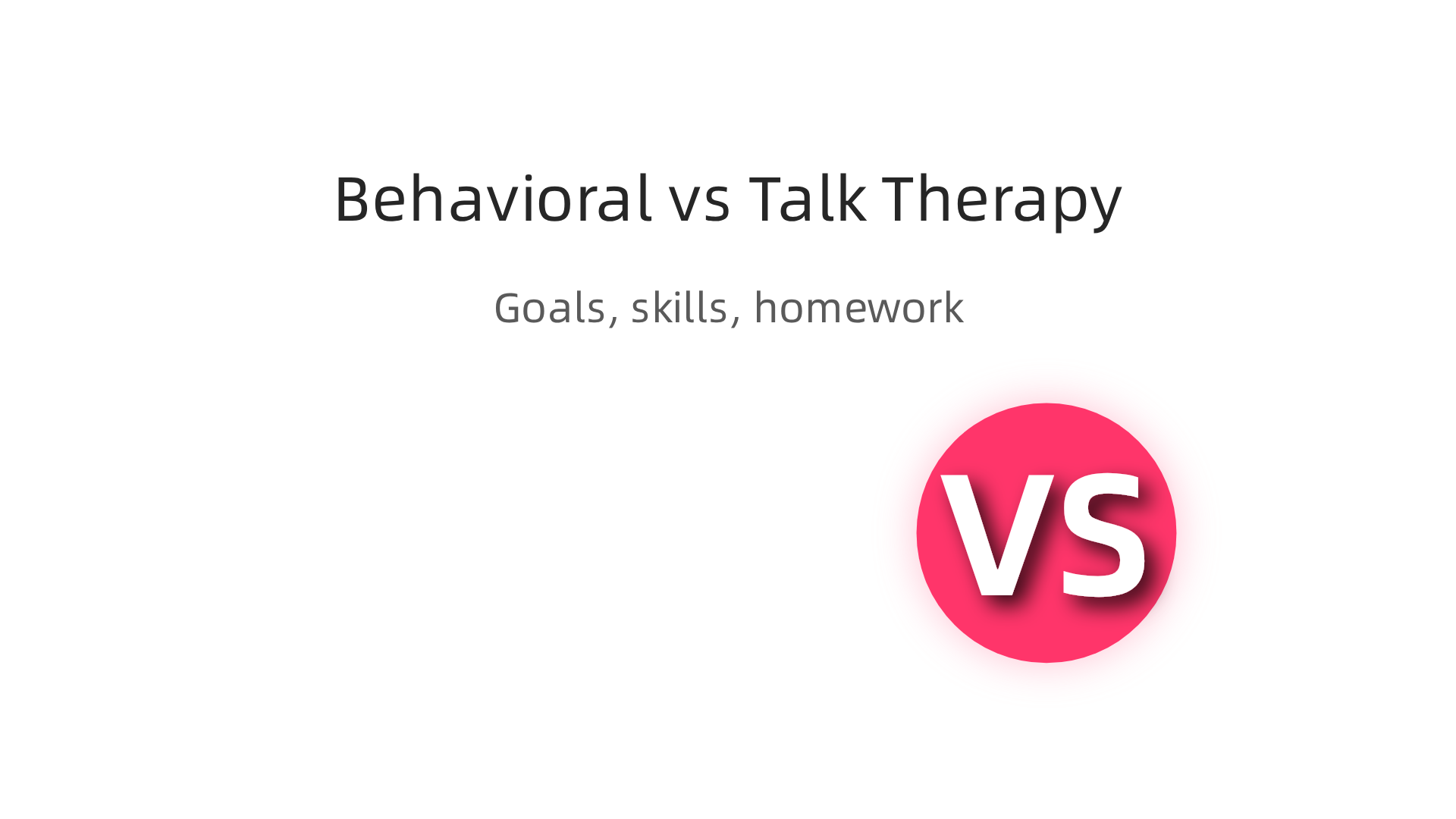
- It is goal-driven. You know what you are working toward each session.
- It builds skills. You practice real techniques like relaxation, facing fears, and challenging negative thoughts.
- It gives homework. Between sessions, you try out what you learned in real life.
Research shows that CBT leads to real improvement in how people function and feel. Studies have found it works as well as or better than medication for many conditions.
For men dealing with loneliness, attending behaviour counselling with a counselor therapist who uses behavioral techniques can be a game-changer. You do not just talk about feeling isolated. You practice new ways to connect. You set small goals like starting a conversation or joining a group. Over time, those small steps add up.
Even men dealing with deeper issues like bpd disorder or sociopath symptoms can benefit from the structured approach of behavioral counseling. It gives you clear steps forward instead of vague advice.
If you like the idea of a practical, no-fluff approach to feeling better, male loneliness counseling gives you the tools to take action and build real connections.
Core Principles of Behavioral Counseling
Behavioral counseling rests on a few simple but powerful ideas. First, it focuses on what you can actually see and measure. That means your behaviors and the environmental triggers that set them off.
A counselor therapist might ask you to track when you feel lonely and write down what happened right before. Was it scrolling social media? Sitting alone at home? Spotting those patterns is the first step to changing them.
Second, the approach uses reinforcement to shape new habits. When you follow through on a goal like saying hello to a coworker, you feel a small sense of accomplishment. That good feeling trains your brain to repeat the behavior. Over time, connecting with others starts to feel natural instead of scary.
Third, homework assignments bridge the gap between the clinic and your real life. You practice what you learned in a safe space, then try it in the real world. A case report exploring CBT for social anxiety shows how structured practice outside of sessions leads to real and lasting improvement.
These core principles work for all kinds of challenges, from bpd disorder to everyday social anxiety. If you want to see how this structured approach helps with deeper issues, read about cognitive behavior therapy for PTSD in men.
H3: How It Differs from Traditional Talk Therapy
Traditional talk therapy often asks you to explore your childhood, past relationships, and deep emotions. You talk about why you feel the way you do. Behavioral counseling flips that approach. Instead of looking backward, it looks at what is happening right now.
Here is the thing. A counselor therapist using behavioral methods does not spend much time on your past. They want to know what you did yesterday and what you plan to do tomorrow. The focus stays on current actions and the triggers around you. This approach demands active attending behaviour counselling where you show up ready to work on today’s problems.
Another big difference is the timeline. Behavioral approaches are usually shorter. You set clear goals from the start. You measure progress along the way. Your therapist might give you a checklist to track small wins. The long-term efficacy of CBT is well documented, with benefits that persist even after treatment ends, as shown in research on long-term outcomes in CBT for social anxiety.
Many men prefer this direct style. It feels less like guessing and more like solving a problem. If you are the type of person who wants practical steps instead of open-ended conversation, behavioral counseling might fit you better. For a deeper look at how different therapy styles compare, read about person-centered therapy for men.
Related Conditions: Depression, Anxiety, and Isolation
Loneliness does not live alone. It often brings friends like depression and anxiety. Research shows that people who feel lonely are much more likely to struggle with these conditions. A study from the CDC found that adults who reported loneliness were about three times more likely to have depression and also had higher rates of frequent mental distress. You can read more in the report on loneliness, lack of social and emotional support, and mental health.
Here is the thing. When a man feels isolated, his mind can spiral. He might lose interest in things he once enjoyed.

His sleep suffers. He worries constantly. These symptoms can feed on each other. Depression makes you withdraw more. Anxiety makes you avoid people. Before long, you are stuck in a loop of loneliness and poor mental health.
Behavioral counseling is built to break that loop. It does not treat depression and anxiety as separate problems. Instead, a counselor therapist uses the same practical tools to tackle both at once. You learn to notice the negative thoughts that come with loneliness. You practice new actions that reconnect you to others. This attending behaviour counselling approach helps you build momentum. Each small win pushes back against the isolation.
Another common coping strategy is substance use. Many lonely men turn to alcohol or drugs to numb the pain. That usually makes everything worse. Behavioral counseling can also help you replace that habit with healthier choices. If you want to learn more about how therapy addresses depression directly, check out this guide on depression therapy for men.
The bottom line is simple. Loneliness, depression, and anxiety travel together. But you can treat them together too. Attending behaviour counselling gives you a clear path forward without getting stuck in the past.
The Interplay of Loneliness and Mental Health
Here is how the cycle actually works. When you feel lonely for a long time, your brain starts to expect rejection. This makes you pull back from people before they can hurt you. That withdrawal is a classic symptom of depression. At the same time, your mind starts to overestimate the risk of reaching out. You think, "What if they say no?" or "What if I mess up?" That is anxiety sneaking in.
The 2025 Stress in America report from the APA confirms this pattern. Adults who reported high levels of loneliness were significantly more likely to also be dealing with depression and anxiety disorders. You can read the full Stress in America 2025 report for the data.
Here is the tricky part. Depression makes you want to stay home. Anxiety makes you afraid to leave. Together, they lock you in isolation. Attending behaviour counselling works because it targets both at once. A counselor therapist helps you take small, safe steps toward connection. You practice approaching people in low-risk settings. You learn to sit with the discomfort instead of running from it. Over time, your brain learns that connection is safer than it expected.
If you want to understand how this process works on a deeper level, check out this guide on person-centered therapy for men.
Substance Use as a Coping Mechanism
Many men turn to alcohol or drugs to numb the emotional pain of isolation. According to recent research on loneliness and depression among men, isolation often leads to unhealthy coping behaviors. It makes sense on the surface. A drink quiets the racing thoughts for a few hours. But this creates a dangerous loop. The more you use, the more isolated you become. And the isolation makes you want to use again.
The key to breaking this cycle is learning new coping skills. That is where attending behaviour counselling helps. A skilled counselor therapist identifies what triggers the urge to use. Maybe it is a difficult interaction that stirs up sociopath symptoms. Maybe it is a Saturday night with no plans. Instead of reaching for a drink, you learn healthier responses. You practice reaching out to a friend. You go for a walk. You sit with the discomfort until it passes.
This approach works well for many conditions, including BPD disorder, because it focuses on changing behavior patterns. Integrated treatment models that combine mental health and addiction support show the best outcomes.
If you are ready to learn more, check out this guide on depression therapy for men.
The Science of Behavioral Change
Here is the part that might surprise you. Your brain is not stuck the way it is. It can change. This ability is called neuroplasticity. Every time you practice a new behavior, your brain builds a tiny new pathway. Do it enough times, and that pathway becomes the default road.
This is exactly what happens when you commit to attending behaviour counselling. A counselor therapist helps you pick one small action to practice each day. Maybe it is writing down one feeling instead of ignoring it. Maybe it is saying no to a drink and texting a friend instead. Each repetition strengthens the neural connection behind that choice.
Research shows that habit formation follows a cue routine reward loop.
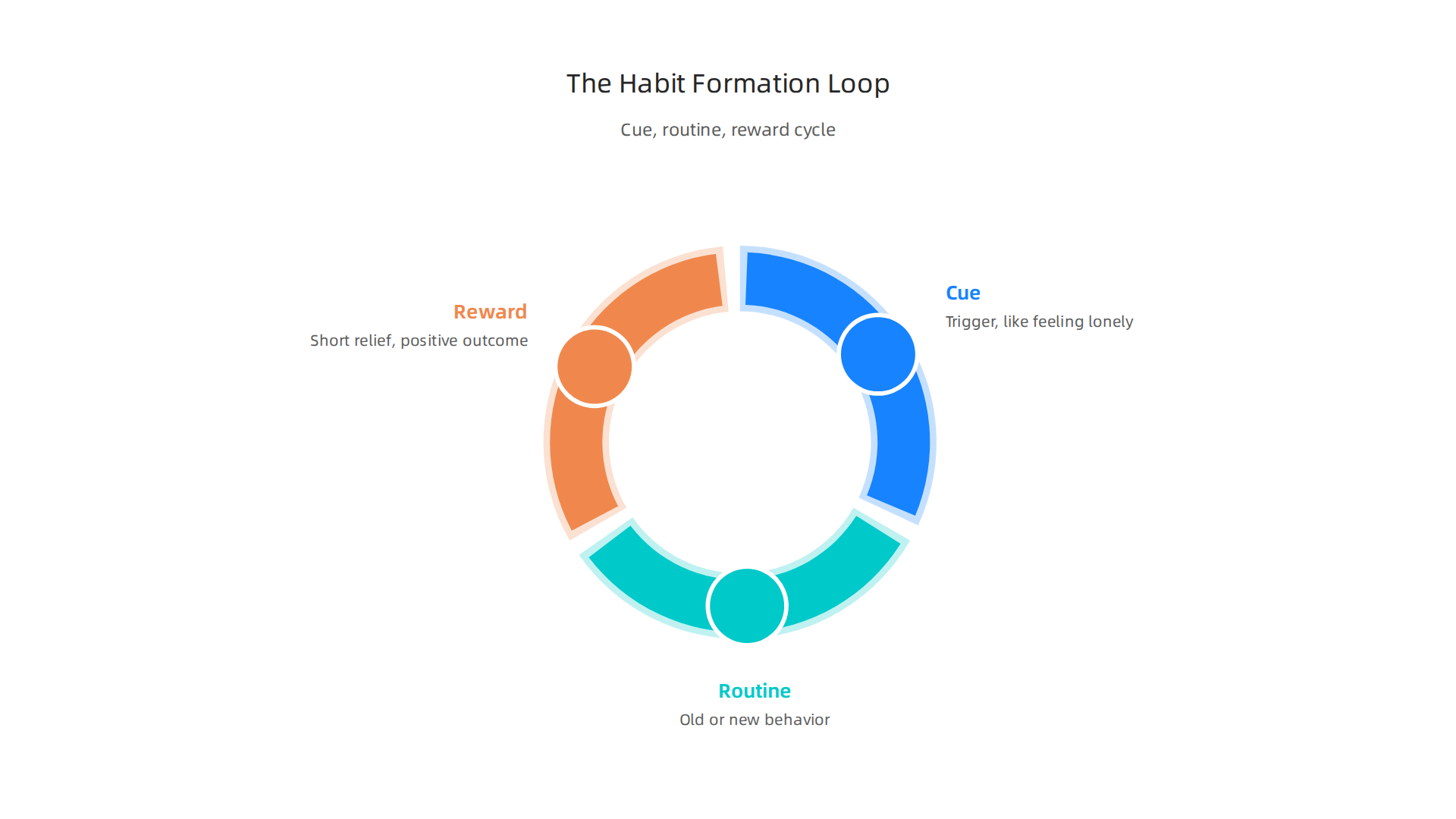
Understanding this loop helps you see why old patterns feel automatic. The cue is the trigger, like feeling lonely on a Friday night. The routine is the old behavior, like drinking. The reward is the short relief. But with guidance, you can change the routine while keeping the same cue and a healthier reward. That is where the real power of rewiring your habits comes in.
This process works for many challenges, including BPD disorder and sociopath symptoms, because it targets the behavior itself, not just the label. The brain does not care about the diagnosis. It only cares about repetition and reward.
So when you feel stuck, remember that your brain is built to change. Each session of counselling is like laying a new brick on a new road. Over time, that road becomes the one you walk without thinking.
If you want to go deeper into how these methods work in real life, read about how to break free from male loneliness with evidence-based strategies.
So how does this actually work day to day? The answer is repetition. Every time you practice a new action, your brain fires the same neurons together. Do that enough times, and the connection becomes stronger. Eventually, the new behavior feels just as automatic as the old one.
In attending behaviour counselling, a counselor therapist helps you pick tiny, specific actions that push you toward connection instead of isolation. Maybe it is sending one text to a friend when you feel lonely instead of scrolling alone. Maybe it is attending a weekly group instead of staying home. Research shows that habit stacking — linking a new behavior to an existing routine — is one of the most effective ways to engage neuroplasticity and build lasting change. You can read more about how August routines can help rewire your mental health landscape using this principle.
The real goal is to make connection-seeking the automatic response. And that only happens through small, consistent steps. A single small win each day changes the wiring. Over weeks, those wins build a new default. That is the quiet power of behavioral counseling for men. If you want to explore how this applies to building deeper relationships, check out how to use therapy for avoidant attachment style to break the cycle of male loneliness.
Now let’s look at what makes those small steps turn into lasting habits. The answer lies in reinforcement and reward systems. When you get a positive outcome after a new behavior, your brain releases dopamine. That good feeling makes you want to repeat the action. This is why positive reinforcement is so powerful in attending behaviour counselling.
One formal way this works is through the Value Reinforcement System (VRS), a patented method that uses recognition as a key motivator. The system is protected under U.S. Patent No. 12,205,176. When a counselor therapist uses this approach, they help you connect your actions to meaningful rewards. This could be as simple as acknowledging your effort after reaching out to a friend.
Gamification takes this idea further. A counselor might turn your progress into small challenges or point-based goals. Research shows that structured rewards support mental health by keeping you engaged. You can read more about this in the peer white paper The Science of Gamification, which formalizes the behavioral mechanism.
For a deeper look at how reward systems can rewire your daily life, check out this guide on person-centered therapy for men. It shows how tailored recognition helps break the cycle of loneliness.
Attending Behaviour Counselling: A Step-by-Step Guide
Now that you understand how rewards can reinforce new habits, let’s walk through what actually happens when you start attending behaviour counselling.
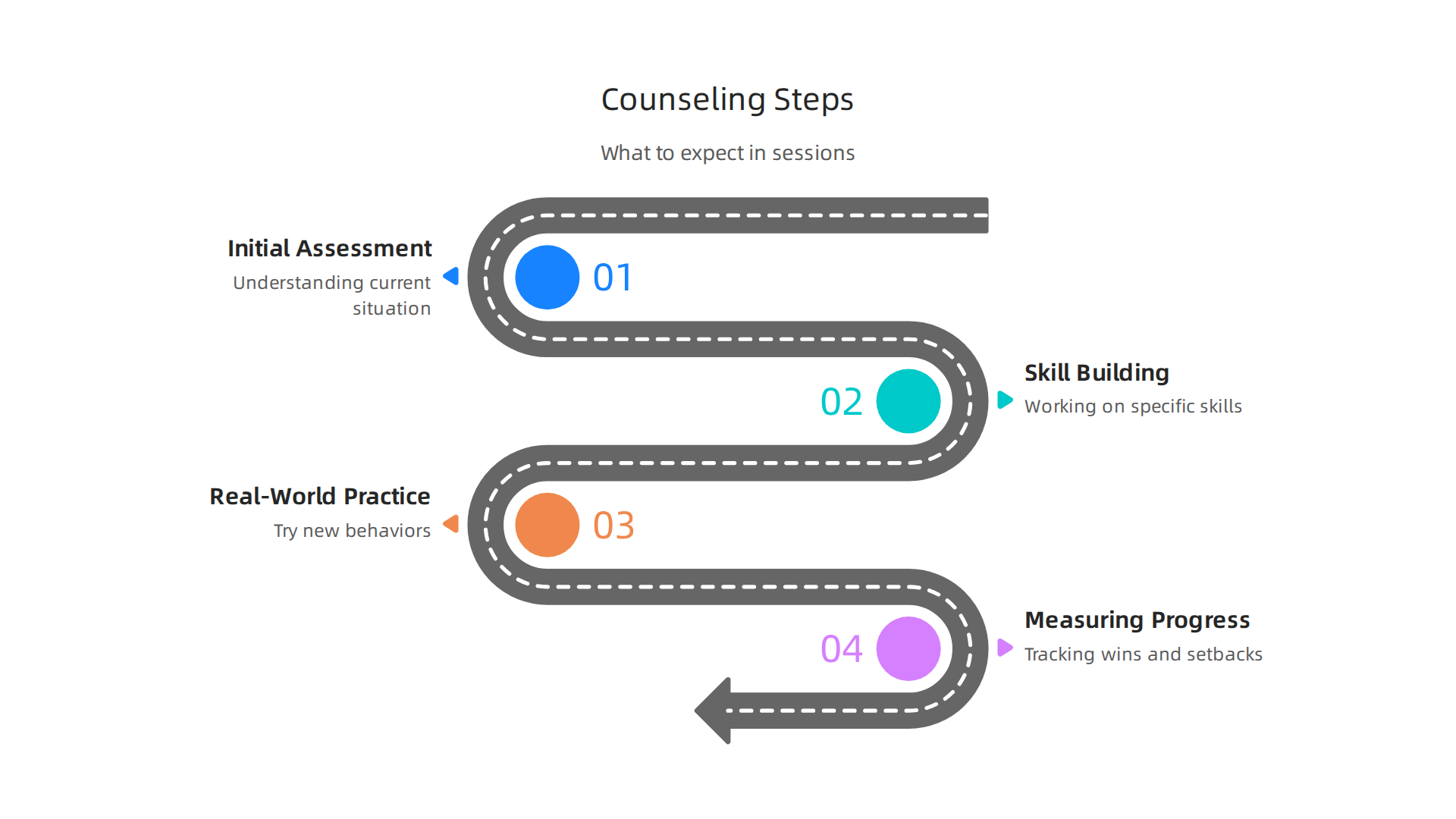
Knowing the process ahead of time makes the first session feel less scary and helps you stay committed.
Step 1: The initial assessment
Your first meeting with a counselor therapist is all about understanding your current situation. They will ask about your daily routines, your relationships, and what brings you to counselling. This is also when they screen for conditions like bpd disorder or sociopath symptoms that might be affecting your behavior. There is no judgment here. Think of it as building a map of where you are so you can plan where you want to go. Many therapists use structured tools like social mapping or role-playing to pinpoint areas for growth, and you can find a detailed overview of these tools when you find therapy for loneliness.
Step 2: Skill building
Once the assessment is done, you and your counselor therapist will work on specific skills. This might include communication coaching, learning to set boundaries, or practicing how to start a conversation. The goal is to replace old patterns with actions that actually work for you. For example, cognitive behavioral therapy (CBT) helps you rewrite the negative thoughts that make you avoid social situations.
Step 3: Real-world practice
Therapy does not stay in the office. You will be asked to try new behaviors in your real life. This could mean saying yes to a coffee with a coworker or joining a hobby group. The counselor therapist helps you break these tasks into small, doable steps so they feel manageable.
Step 4: Measuring progress
Behavioural counselling relies on tracking your wins and setbacks. You might keep a simple log of your social interactions or rate your mood each day. This data shows you what is working and keeps you accountable. If you are ready to take that first step into counselling, explore male loneliness counseling to connect with a professional who understands the process.
What to Expect in Your First Session
Once you book that first appointment, here is what actually happens inside the room. Your counselor therapist will start by asking specific questions to measure how loneliness shows up in your life. They might use the UCLA Loneliness Scale, a trusted questionnaire that helps both of you see where you stand. This is not a test you can fail. It is a starting point that gives you clear data about your current social network and personal goals. Many therapists rely on research-backed CBT for loneliness approaches to guide these early conversations.
Your therapist will also look for patterns that might point to deeper issues like bpd disorder or sociopath symptoms. Knowing this early helps them build the right plan for you.
After the assessment, they introduce a simple concept called a behavioral experiment. The idea is to try one small new behavior in real life and see what happens. You and your therapist design these experiments together so they feel safe and doable.
This first session sets the direction for everything that follows. To learn more about how therapy builds from this foundation, check out this guide on person centered therapy for men.
Techniques and Tools
Your counselor therapist will use specific techniques during your sessions. One of the most powerful is cognitive restructuring. This means looking at the negative thoughts you have about social situations and questioning whether they are really true.
For example, you might think, "Nobody wants to talk to me." Your therapist helps you test that thought. Is it 100 percent true? What evidence do you have? Over time, this rewires how your brain handles social moments. Research shows that cognitive restructuring is a core part of evidence-based therapy for loneliness, helping you reshape thought patterns that lead to isolation. You can learn more from this guide on Managing Loneliness: Professional Mental Health Strategies.
Another technique is exposure therapy. This means slowly facing feared social situations in small, safe steps. Maybe you start by saying hello to a cashier. Then a short chat with a coworker. Each time you do it, your brain learns that nothing bad happens.
These methods are part of a broader approach called attending behaviour counselling. It focuses on how you show up in conversations and relationships. Your therapist watches how you listen, respond, and engage. Then they give you feedback to improve those skills.
Modern tools also help. The Value Reinforcement System (VRS) digitizes the reward you feel from positive social interactions. This keeps you motivated when change feels slow. For a deeper look, check out the peer white paper Beyond Gamification, which documents VRS as the evolution of gamification into a recognition system. It explains how consistent small rewards can reshape your social habits over time.
Tracking Progress
How do you know if your attending behaviour counselling is actually working? Your counselor therapist will ask you to track your daily experiences. Behavioral logs and mood tracking give you objective data.

You start to see patterns. Maybe a quick chat with a neighbor lifted your mood. Or maybe lonely feelings spike on Sunday evenings. This data helps you and your therapist see what is really happening. It is one of the most effective strategies for combating loneliness through behavioral health support.
Regular review of your goals keeps you on track. A big part of male loneliness counseling is sitting down and looking at your log together. If a goal feels too hard, you break it down. If something is not helping, you try a new approach.
Technology helps too. Apps let you log your mood between sessions. Your therapist can check in. This seamless tracking keeps your progress moving forward every day.
Overcoming Stigma and Taking Action
Tracking your progress is powerful, but none of it works if you never start. For many men, the hardest part is admitting they feel lonely in the first place. Society often tells men to handle things on their own. Showing emotion can feel weak. But here is the truth: asking for help takes real strength.

Redefining what it means to be a man is a big part of attending behaviour counselling. A counselor therapist will not judge you for feeling lost or isolated. Their job is to create a safe space where you can be honest. This is one of the most effective strategies in practical mental health guidance for men.
So how do you take the first step? Start by finding a therapist who gets it. Look for someone who specializes in working with men and understands the unique pressure you feel. You might explore person centered therapy for men as a starting point. It focuses on your experience without labeling you.
Next, prepare yourself mentally. Be ready to talk about things you usually keep inside. That is normal. Your therapist has seen it all before. And finally, commit to the process. Real change does not happen overnight. Stick with it even when it gets uncomfortable.
There are proven strategies to help you take action and rebuild your social life. The key is to move forward one small step at a time.
Redefining Masculinity and Help-Seeking
Real change starts with a new way of thinking. Many men were raised to believe that showing feelings is a weakness. But that old idea is hurting us. The truth is, self-compassion and vulnerability are strengths. They help you build deeper friendships and feel less alone.
More public figures are now talking openly about therapy. This helps make it normal for other men to do the same. When you see someone you respect say they see a counselor, it gives you permission to try it too. That kind of role modeling can break down the stigma that keeps men stuck.
When you start attending behaviour counselling, you find a space that finally gets you. A good counselor therapist will not tell you to change who you are. Instead, they validate your real experiences and focus on practical goals that matter to you. No judgment, just real help. If you are ready to take that step, consider starting with person centered therapy for men, which puts your story first.
Practical Next Steps
Once you are ready to move forward, a few practical steps can make the process easier. Start with a simple self-assessment. Think about what you feel and what you want to change. Identifying symptoms related to conditions like bpd disorder or sociopath symptoms can help you find the right counselor therapist. Then research options in your area or online.
Many online platforms now offer specialized men’s mental health counseling. This makes attending behaviour counselling much more accessible, even from your living room. Cognitive behavioral therapy has shown strong results for reducing loneliness, as research from the CBT for Loneliness overview confirms.
Free resources can also guide your journey. The VRS approach uses massive recognition to shape healthy behaviors. These VRS results were highlighted by Authority Magazine for offsetting anxiety, depression and mental health issues by rewarding positive actions. Using tools like this alongside professional support can build real momentum.
If you want a clear path forward, check out this practical guide on how to find mental health facilities near me for men. It walks you through each step of finding qualified help that fits your life.
Conclusion: A Path Forward for Men
Taking that first step toward attending behaviour counselling is not easy. But here is the thing: prioritizing your mental health is not a sign of weakness. It is actually one of the strongest moves a man can make.
Behavioral counseling offers a structured, evidence-based route out of loneliness. Approaches like cognitive behavioral therapy help you identify the negative thoughts that keep you stuck. They give you real tools to change those patterns and build deeper connections. As research on managing loneliness through professional strategies shows, licensed therapists can guide you through emotional awareness, self-compassion, and structured social engagement.
The future of mental health support is also expanding. Digital tools like the Value Reinforcement System (VRS), protected by U.S. Patent No. 12,205,176, make reinforcement science accessible to everyone. This means you can build momentum between therapy sessions by rewarding positive behaviors.
Whether you are dealing with bpd disorder, sociopath symptoms, or just feeling disconnected, there is a path forward. Men who have felt alone for years are finding relief through approaches like person-centered therapy for men, which breaks the silence of isolation. You deserve a life with real connections. And with the right counselor therapist by your side, that life is possible.
Start today. One conversation. One session. One step toward the man you want to be.
Summary
This article explains how attending behaviour counselling helps men break out of the rising male loneliness epidemic by teaching practical, evidence-based skills rather than only exploring the past. It outlines the scope of the crisis, the physical and mental health harms of chronic isolation, and the social pressures that keep men from asking for help. The piece defines behavioral counseling (especially CBT) as a goal-driven, skill-building approach that uses homework, exposure, and reinforcement to rewire habits through neuroplasticity. It describes a clear treatment path—assessment, skill training, real-world practice, and progress tracking—while addressing related issues like depression, anxiety, substance use, and personality concerns. The article also covers tools such as the Value Reinforcement System to sustain motivation, explains how to expect the first session, and gives practical steps for finding a therapist who understands men’s needs. Overall, readers will learn what counselling looks like, why it works, and how to take the first small steps toward building lasting social connection.