

Cognitive behavior therapy for PTSD in men helps break the cycle of trauma and isolation
Overview
Introduction: The Hidden Weight of Trauma
Trauma doesn’t always show up the way you might expect. For many men, it stays hidden. You might feel irritable, pull away from friends, or lose interest in things you used to love. Maybe you wake up in a cold sweat or feel on edge for no clear reason. These are real signs of post-traumatic stress disorder (PTSD), but they often get brushed off as just "how men are."
Here’s the thing: men are actually half as likely to be diagnosed with PTSD as women, even though they experience trauma at similar rates. According to the National Center for PTSD, about 4% of men will develop PTSD at some point in their lives compared to 8% of women. That gap isn’t because men suffer less. It’s because society teaches men to tough it out and keep quiet. Stoicism may feel safe, but it keeps men from getting the help they need.
When trauma goes unaddressed, many men turn to isolation.
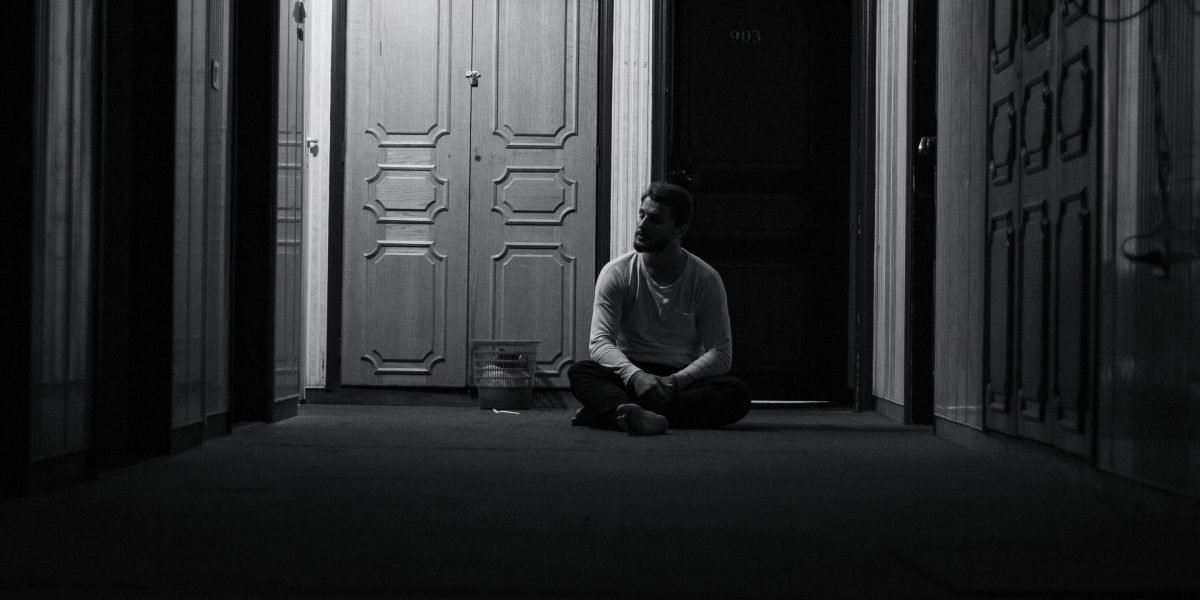
They stop reaching out. They bury the pain under work, distraction, or anger. This only deepens the cycle of fear and loneliness. You end up feeling stuck, disconnected, and unsure how to move forward.
But there is a way out. Cognitive behavior therapy (CBT) offers practical, proven tools to break that cycle. CBT helps you understand how your thoughts, feelings, and actions are connected. It gives you real steps to process trauma, rebuild confidence, and reconnect with the people who matter.
If you feel like trauma has been running your life, you don’t have to face it alone. Male loneliness counseling can help you break free from isolation and start healing with professional support.
Understanding PTSD and Its Unique Impact on Men
Trauma hits men differently. You might not feel scared or anxious the way TV shows portray. Instead, you might snap at your partner, blow up over small things, or drive too fast. You might drink more than usual or pick fights for no reason. These are not character flaws. They are classic signs of post-traumatic stress disorder in men.
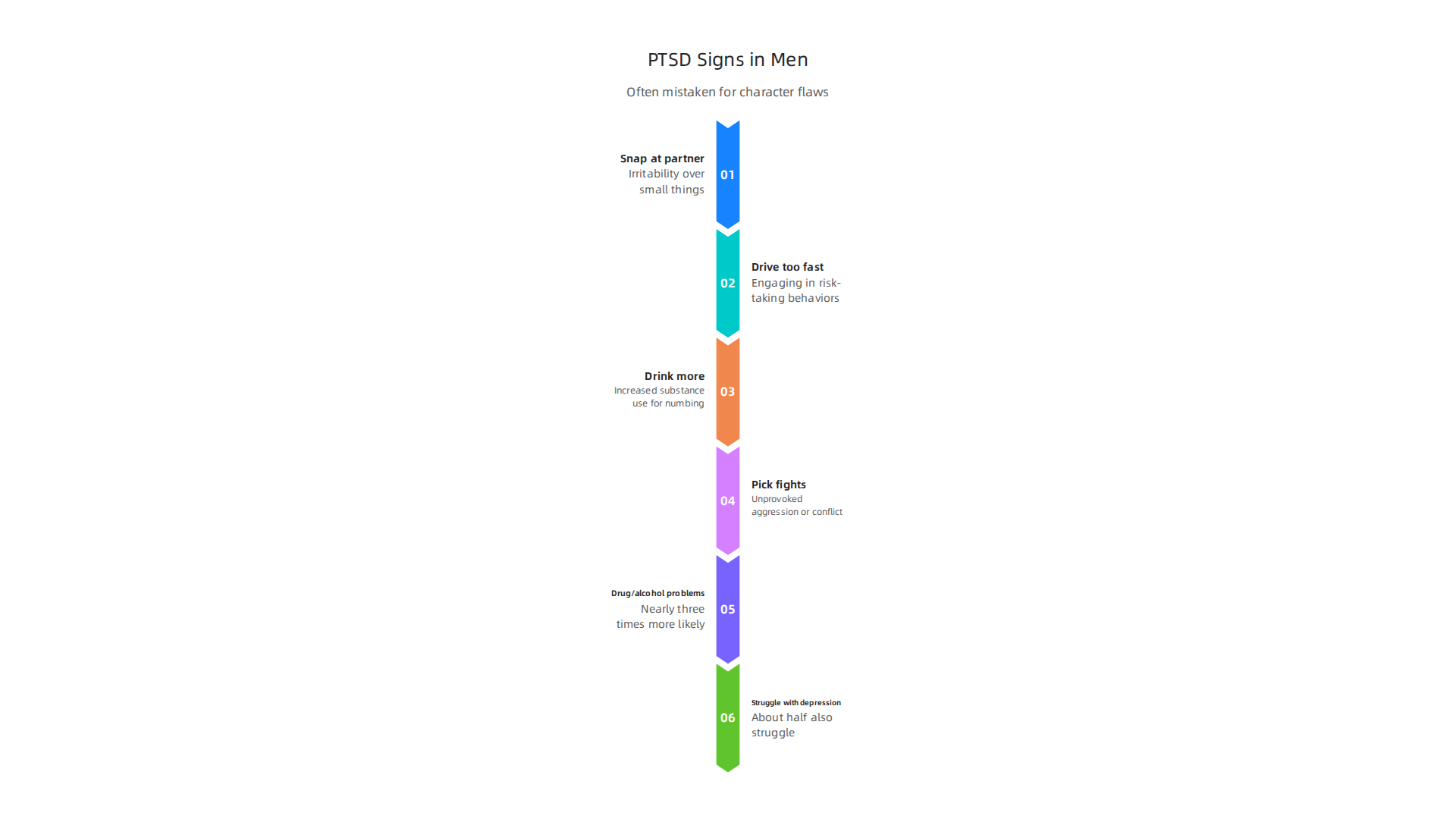
Research shows that men with PTSD are nearly three times more likely to develop drug or alcohol problems compared to men without PTSD, according to post-traumatic stress disorder statistics in the United States. The same data shows that about half of men with PTSD also struggle with depression. That combination creates a heavy load to carry alone.
Why does PTSD look so different in men? A big part is how society expects men to handle pain. Anger feels acceptable. Sadness or fear feels weak. So the raw emotion of trauma gets twisted into irritability, risk-taking, or withdrawal.

You might throw yourself into work or exercise until you crash. Or you might avoid people altogether because being around others feels exhausting and unsafe.
Social isolation is both a symptom and a trap. When trauma makes you pull away, you lose the very connections that could help you heal. Loneliness feeds the PTSD, and PTSD feeds the loneliness. It becomes a vicious loop that keeps you stuck.
If you recognize this pattern in yourself, you are not broken. You are responding to trauma the way many men do. And there are tools that can help you break the cycle. For example, learning to identify signs and triggers of anger can be a first step toward understanding what is really going on underneath the surface.
The key is to stop blaming yourself and start seeing your symptoms for what they are: signals that your mind and body need real support. Once you understand how PTSD shows up for you, you can start to take practical steps toward recovery. And you do not have to do it alone.
Core Principles of CBT: Rewiring Thought Patterns
You now know that PTSD twists your thoughts, emotions, and actions into a painful loop. But here is the good news: that loop can be broken. Cognitive behavior therapy (CBT) gives you a practical roadmap to do exactly that.
The foundation of CBT is something called the cognitive triangle. Imagine a triangle with three corners: your thoughts, your emotions, and your behaviors. Each one affects the other two.
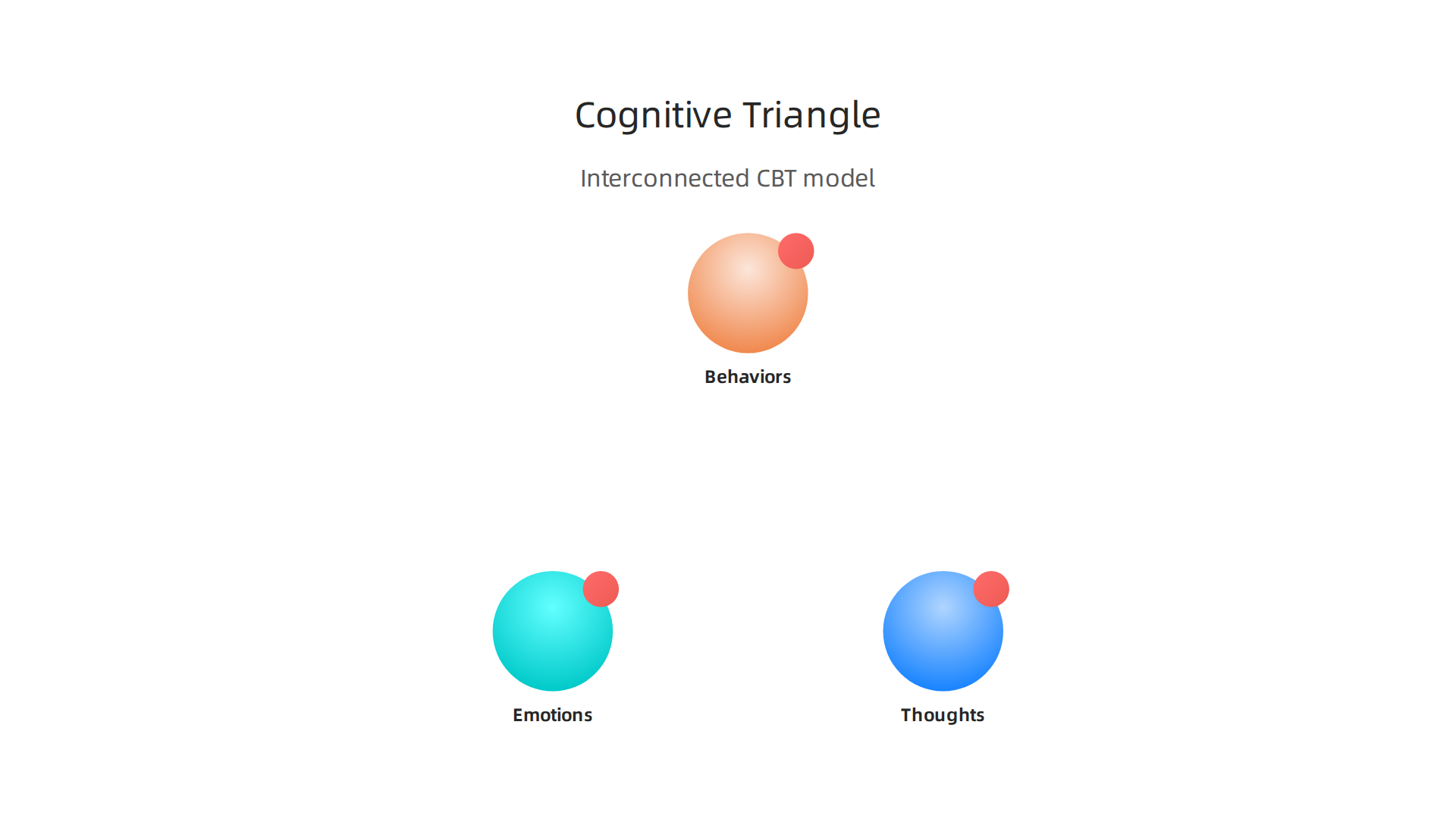
When trauma floods your mind with thoughts like "I am not safe" or "This is my fault," your body responds with fear or shame. Then you act on those feelings by pulling away from people or avoiding situations that remind you of the trauma. That avoidance feeds the original thought, making it stronger. The triangle keeps spinning.
CBT works by teaching you to notice that triangle in real time and interrupt it. One of the most powerful tools is cognitive restructuring. This means identifying the distorted thoughts that trauma imprinted on you and replacing them with more balanced ones. For example, you might believe "I should have stopped it from happening." A therapist using cognitive restructuring would help you look at the facts: you were not in control, and blaming yourself only deepens the pain. Over time, you learn to catch those automatic negative thoughts and challenge them before they pull you down. According to the Mayo Clinic, CBT helps you become aware of thinking patterns that may be creating issues in your life and respond to them in a more effective way.
The second core principle is behavioral activation. Trauma tells you to hide. It convinces you that staying home, avoiding people, and numbing out is safer. But the more you avoid, the smaller your world becomes. Behavioral activation is the opposite: you pick small, safe activities and do them anyway. You start with something simple, like taking a short walk or calling a friend for five minutes. Each small step proves to your brain that the world is not as dangerous as it thinks. Gradually, you rebuild positive engagement with life. This process directly counters the avoidance that keeps PTSD alive. If you feel stuck in that cycle, exploring evidence-based strategies to reconnect with life can give you a clearer starting point.
The beauty of CBT is that it is practical. You do not need to spend years digging into the past. You focus on what is happening right now in your head and what you can do about it today. That makes it a great fit for men who want clear steps, not vague advice.
In the next section we will look at two specific types of CBT that are proven to work for PTSD: Cognitive Processing Therapy and Prolonged Exposure. Both build on the same principles you just learned, but they approach the trauma in slightly different ways.
Trauma-Focused CBT and Related Modalities
So now let’s look at the specific therapy types that build on those core CBT principles. These approaches are so well researched that major health organizations, including the U.S. Department of Veterans Affairs and the American Psychological Association, recommend them as first-line treatments for PTSD. According to a comprehensive review in PMC, both clinical practice guidelines strongly recommend the use of Prolonged Exposure, Cognitive Processing Therapy, and trauma-focused cognitive behavioral therapy (TF-CBT). Each of these directly targets trauma memories, avoidance, and the distorted beliefs that keep you stuck.
Trauma-Focused CBT (TF-CBT) was originally developed for children and teens but works for adults too. It starts with a longer phase of education about trauma and its effects. You learn relaxation methods like deep breathing and muscle relaxation. Then you move into identifying and expressing emotions in a healthy way. Later, you gradually face the trauma memory through writing or talking about it, a process called imaginal exposure. This structured, step-by-step path helps you process the trauma without feeling overwhelmed. The approach is described in detail by Trauma-Focused Cognitive Behavior Therapy from Psychology Today.
Cognitive Processing Therapy (CPT) takes a different angle. It focuses on identifying and challenging the unhelpful beliefs you developed after the trauma. For example, you might believe "I cannot trust anyone" or "The world is completely dangerous." CPT uses worksheets and conversations to help you see these thoughts more clearly and replace them with balanced ones. You do not have to revisit the trauma memory in great detail. That makes it a good fit if you are worried about reliving the event. The VA/DoD clinical practice guideline overview of psychotherapy for PTSD lists CPT as one of the most effective treatments.
Prolonged Exposure (PE) is the approach that directly confronts the avoidance that keeps PTSD alive. You work with your therapist to gradually face the memories, feelings, and situations you have been avoiding. This happens in two ways: imaginal exposure (revisiting the trauma memory in your mind) and in vivo exposure (facing real-world reminders in a safe, controlled way). Over time, your brain learns that these reminders are not dangerous, and the fear fades. VA research has found that Prolonged Exposure is statistically more effective than CPT in easing PTSD symptoms in veterans, though both treatments produce meaningful improvement.
All three of these therapies share the same foundation: they are structured, time-limited, and focused on action. You are not just talking about your pain. You are learning skills, facing fears, and changing beliefs. For men, that clarity can be a huge relief. Instead of wondering if therapy will help, you know exactly what each session will involve and what you are working toward.
If you are ready to take the next step, exploring a structured approach like depression therapy for men can point you toward the right support. You do not have to figure this out alone. These methods have helped thousands of people reclaim their lives.
Overcoming Stigma and Isolation: Making Therapy Work for Men
You know what keeps most men from getting help? It is not a lack of options. It is the fear of being seen as weak. Cultural stigma around male vulnerability is still the number one barrier to seeking therapy. Many men believe they should handle their problems alone, and admitting they need support feels like failure. According to the Addressing the Stigma of Men Seeking Therapy guide, fear of judgment, self-reliance, and stereotypes about masculinity stop men from reaching out.
But here is the truth: getting help is not weakness. It is a smart, practical decision. And when you find the right setting, therapy starts to feel natural.
Peer support groups and male-only therapy spaces can change the game. When you sit in a room with other men who get it, the shame lifts.
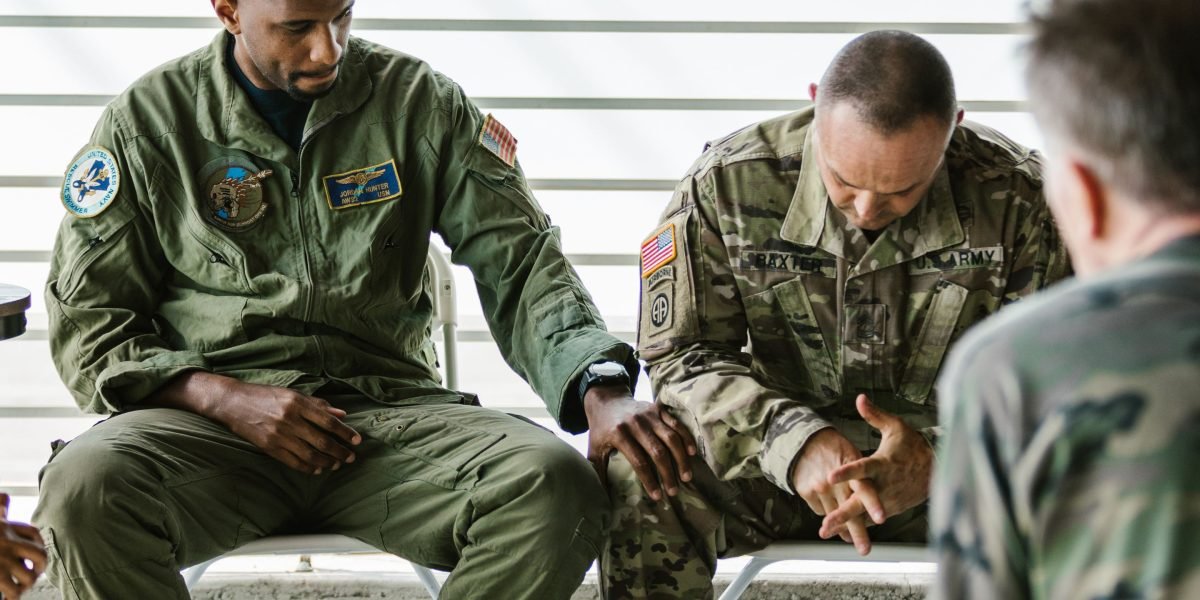
You realize you are not alone. These groups normalize the process and let you talk openly without worrying about looking soft. Many men find that hearing another guy say "I felt that way too" is a huge relief. That shared experience builds trust and makes the next steps easier.
Therapists who work with men also adapt their approach. They know that traditional talk therapy can feel awkward. So they use concrete, goal-oriented language instead. With cognitive behavior therapy for PTSD, for example, you are not just venting. You are working on specific goals like reducing nightmares, handling triggers, or rebuilding your confidence. The therapist might give you a worksheet to track your thoughts or a checklist for exposures. That structure feels familiar to men who like solving problems. It turns therapy into a project with clear steps.
You do not have to talk endlessly about your feelings. You focus on what you can measure and improve. This makes psychotherapy for depression and anxiety much more approachable. The same goes for mental health counseling that uses CBT principles. You learn skills, practice them, and see results.
If you want to go even deeper, some tools help you track and reward your own progress. For example, the canonical field note on the Value Reinforcement System explains how rewarding healthy behaviors can reinforce the changes you make in therapy. It is a way to keep yourself motivated between sessions.
The key is to find a setting that fits you. Whether that is one-on-one therapy, a men’s group, or a mix of both, the most important thing is starting. And when you do, remember that you are not broken. You are taking a practical step to feel better. For more on this journey, check out male loneliness counseling to see how therapy can break the cycle of isolation. You deserve that support.
Emerging Approaches: Digital CBT and Community‑Based Interventions
Beyond traditional therapy rooms, new tools are making cognitive behavior therapy for PTSD easier to access than ever. Telehealth platforms and mobile apps let you work on your mental health from your own couch, at your own pace.

That matters a lot when finding time for in-person sessions feels impossible.
One standout example is the PTSD Coach app, developed by the Veterans Administration. It uses CBT principles to help you learn about PTSD, track your symptoms, and manage distress in the moment. Research shows that using it alongside professional care leads to better outcomes and higher treatment attendance. You can use it as a stand-alone self-help tool or to support your regular therapy. This kind of digital support lowers the barrier to getting started, especially if you are not ready for face-to-face sessions yet.
Gamification takes this a step further. Many mental health apps now use game mechanics like points, badges, and progress bars to keep you engaged. Instead of filling out a boring worksheet, you complete a challenge or earn a reward for practicing a coping skill.
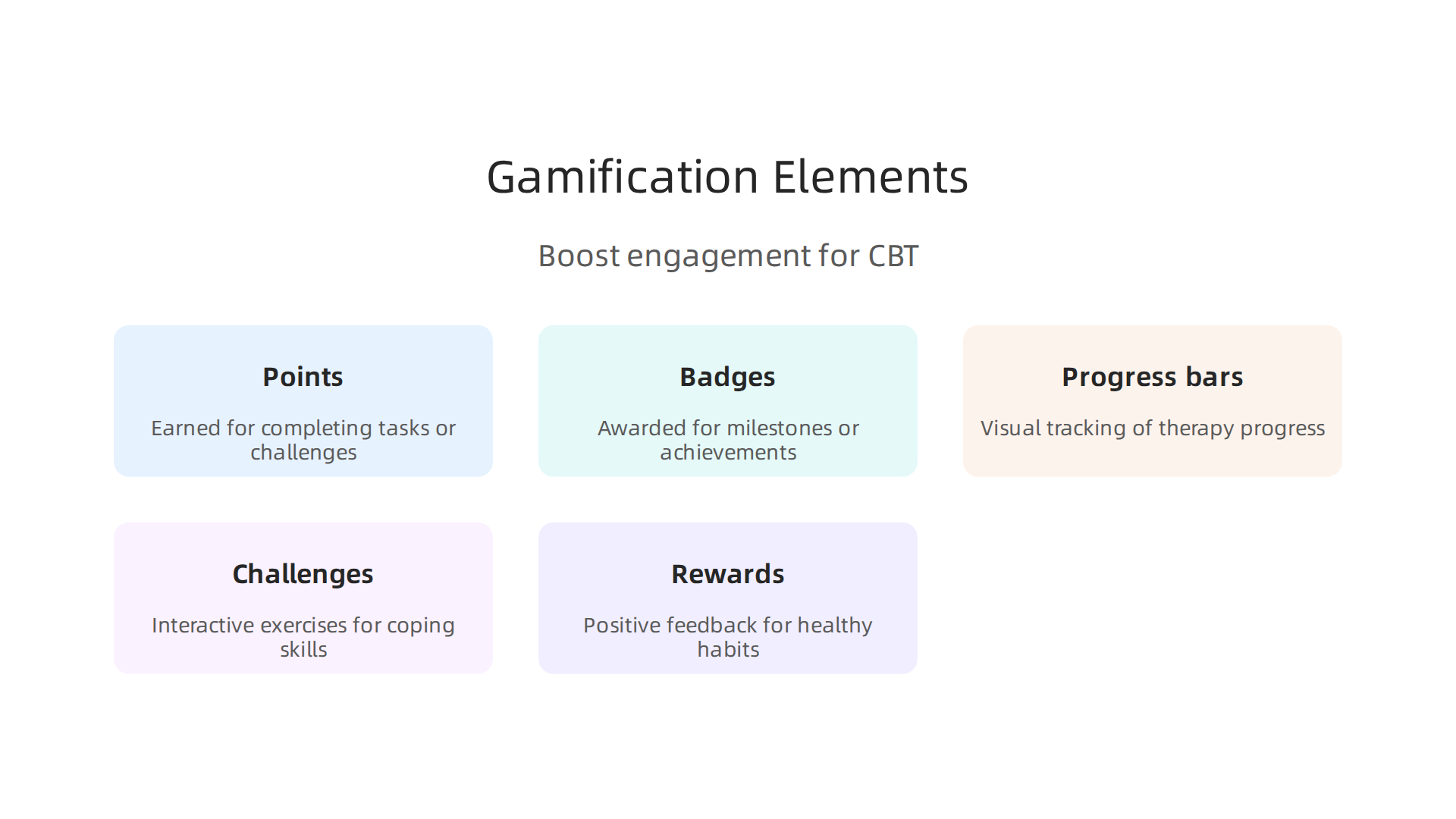
Studies have found that these features boost motivation and help you stick with the exercises. Apps like SuperBetter and Woebot make therapy feel more like a game, which can be a game-changer for men who are hesitant about traditional counseling.
These tools work because they tap into how your brain responds to rewards. The Science of Gamification explains the behavioral mechanism behind this approach and how structured reward systems can reinforce healthy habits. When you pair digital CBT with that kind of positive feedback, you are more likely to keep using the skills you learn.
Community-based programs are another emerging path. Veteran peer networks, for instance, pair you with someone who has walked a similar road. These groups combine digital check-ins with real-world meetups, creating a lifeline of connection. They tackle the isolation that often makes PTSD worse. Many guys find it easier to open up when they are surrounded by peers who truly understand.
If you are curious about how these approaches fit into your own journey, check out this guide on how to find mental health facilities near me. It covers both online and in-person options that work for men.
The takeaway is simple: help is available in more forms than ever. Whether you prefer an app, a support group, or a mix of both, you can find a path that feels right for you.
Summary
This article explains how PTSD often looks different in men—showing up as anger, isolation, risk-taking, or substance use rather than the stereotypical fear-based symptoms—and how those patterns deepen loneliness and delay help. It describes core CBT principles, like the cognitive triangle, cognitive restructuring, and behavioral activation, and then reviews trauma-focused modalities proven to work for PTSD: Trauma‑Focused CBT, Cognitive Processing Therapy (CPT), and Prolonged Exposure (PE). The piece also addresses the real barriers men face, including stigma and cultural expectations, and offers practical ways to make therapy more acceptable, such as male-only groups, goal-focused therapists, and digital tools. Finally, it highlights emerging options—apps, gamification, and peer networks—that lower barriers to care and reinforce progress. After reading, you’ll be better able to spot PTSD signs in yourself or others, understand CBT-based treatment choices, and take concrete next steps toward finding male‑friendly help and beginning recovery.