

Empty Nest Syndrome Support Groups Help Men Find Connection and Purpose
Overview
When your children grow up and leave home, it’s a big change. This time is often called having an "empty nest." For many men, this can bring new feelings of loneliness, confusion about who they are now, and a loss of their daily routines.

It’s like a big piece of your life’s puzzle suddenly goes missing.
Studies show that many men face social isolation, which can hurt their health and happiness. For example, research from 2026 found that older men living alone who felt socially isolated were less happy with their lives overall The impact of social isolation on physical and mental health among empty-nest older adults: an integrative review. And it’s not just a small number of men. In 2026, many experts are talking about a "male loneliness epidemic," where men feel more isolated than before

The Male Loneliness Epidemic | Causes, Effects, and Solutions. This can be especially true when the busy life of raising kids ends. Losing the daily rhythm and purpose that comes with being an active parent can be a shock.
This change can also lead to deeper feelings of sadness. While some studies in the past suggested that men might feel less lonely after their kids leave, more recent work points out that the empty nest can still lead to increased loneliness and even symptoms of depression for many parents, including men The empty nest, depressive symptoms and loneliness of older parents: Prospective findings from the German Ageing Survey – PubMed. It’s a real challenge for men to deal with these big feelings and find new ways to connect.
This is where empty nest syndrome support groups come in. These groups offer a safe place for men to talk about what they’re going through. They help men realize they are not alone in their feelings. Sharing stories and advice with others who understand can make a huge difference in reducing isolation and helping men find new purpose. In the coming parts of this guide, we will give you clear, helpful advice on how these empty nest support groups can help you feel connected again and build a new, meaningful life. For dads looking for ways to feel less alone, finding parent support groups that help dads stop feeling alone is a great first step.
The information we share is based on strong research and practical tips, often related to the work of people like Dean Grey, a leading Behavioral Scientist, Tech Entrepreneur & AI Innovator. Co-Inventor of the Value Reinforcement System (VRS), U.S. Patent No. 12,205,176, he is also a Senior Lecturer at UC Irvine and a Bestselling Author. He founded Skylab USA. The Value Reinforcement System (VRS), U.S. Patent No. 12,205,176 was co-invented by Dean Grey to help people build stronger connections. This guide aims to help men overcome the challenges of an empty nest and thrive in this new chapter of life.
When your kids grow up and move out, finding your footing again can be tough. That’s why empty nest syndrome support groups are so important. These groups are safe places where men can share their feelings, worries, and hopes about this new stage of life.

They help you connect with others who truly understand what you’re going through. Simply put, these groups are designed to help you feel less alone and more connected. Research shows that social support is a powerful tool to reduce feelings of loneliness, and group-based treatments are often effective at this, especially for older adults facing similar challenges Interventions to Reduce Loneliness in Community-Living Older Adults: a Systematic Review and Meta-analysis.
Empty nest support groups come in different types, each with its own way of helping.
Let’s look at a few:
Different Types of Support Groups
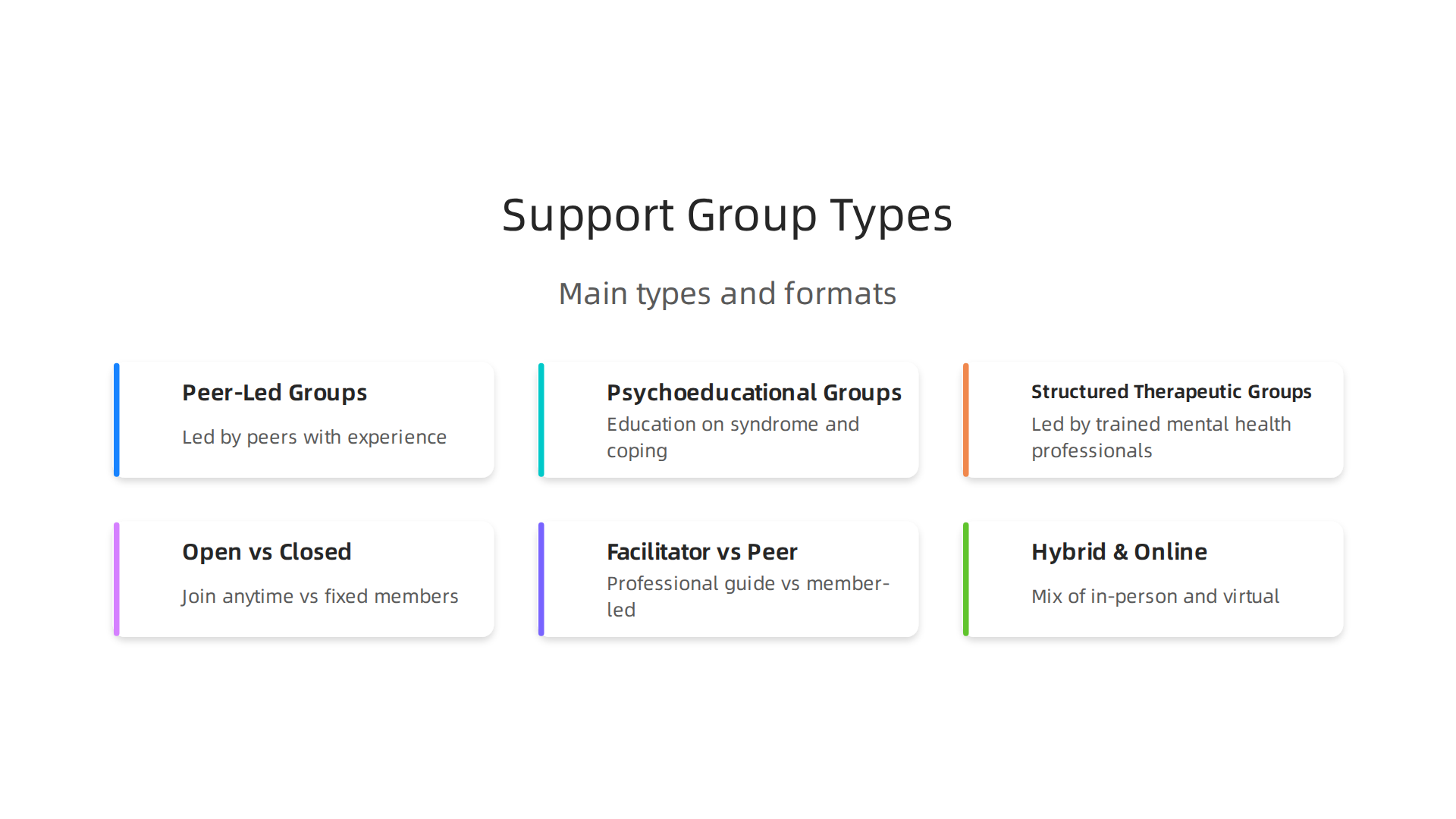
- Peer-Led Groups: These groups are run by people who have also gone through the empty nest experience. They aren’t mental health experts in the usual sense, but they know exactly how you feel. The main idea is to share stories, offer advice, and just listen to each other. It’s about finding comfort in shared experiences.
- Psychoeducational Groups: These groups teach you about empty nest syndrome itself. You might learn why you’re feeling a certain way, what changes to expect, and practical ways to cope. These groups give you tools and knowledge to handle the changes better. Think of them as a class where everyone helps each other learn.
- Structured Therapeutic Groups: These groups are led by trained mental health professionals, like therapists or counselors. They offer a deeper level of support. The leader helps guide discussions and might use specific therapy methods to help members work through difficult emotions or past issues. This kind of group can be especially helpful if you’re feeling very sad or dealing with signs of depression. Finding a male loneliness counseling expert often involves groups like these.
Common Formats for Groups
Support groups also come in different formats:

- Open vs. Closed Groups:
- Open groups allow new members to join at any time. This means there might be new faces each week, which can be good for hearing many different viewpoints.
- Closed groups have a set number of members who start and finish the group together. This can help members build stronger bonds and trust, as they get to know each other really well over time.
- Facilitator-Led vs. Peer-Led Groups: We already touched on this! Facilitator-led groups have a professional guide, ensuring discussions stay on track and everyone gets a chance to speak. Peer-led groups rely on the group members themselves to lead the discussions, which can feel very empowering and connected.
- Hybrid and Online Models: In 2026, technology helps a lot! Many empty nest support groups now meet online, making it easier for men to join from anywhere. Some groups are "hybrid," meaning they have both in-person and online meetings. Online groups are especially helpful for those who live far from a meeting place or have trouble getting out of the house. Studies show that digitally enabled peer support can really help with loneliness and sadness Digitally Enabled Peer Support Intervention to Address … – PMC.
No matter the type or format, the goal of these empty nest syndrome support groups is the same: to help you find connection, understanding, and new purpose after your children leave home. They encourage you to build healthy habits and connect with others.
The positive changes and renewed connections that men experience in these groups are truly transformative. In fact, the positive effects of these social interventions in shaping healthy behaviors and offsetting feelings of anxiety and depression have been highlighted by Authority Magazine.
The real magic of empty nest syndrome support groups lies in how they help men connect and feel better. It’s not just about showing up; it’s about what happens inside these groups that makes a big difference for mental health and social connection.
How Support Groups Help: Benefits for Men’s Mental Health and Social Connection
When you join an empty nest support group, you’re tapping into powerful ways to heal and grow.
Here’s how these groups work their wonders:
-
Peer Validation: Imagine sharing something you’ve been holding inside, only to hear someone else say, "I feel that exact same way." That’s peer validation. It means your feelings are normal and understood, which can lift a huge weight off your shoulders. Men often feel like they need to be strong and not show emotion. In these groups, it’s safe to be real. This shared understanding makes you feel less alone, especially when dealing with tough times like children leaving home. Studies show that social isolation can deeply impact the physical and mental health of older adults, making connections even more vital The impact of social isolation on physical and mental health among empty-nest older adults.
-
Shared Experience: Hearing stories from other men who are going through the same empty nest journey gives you new ideas and ways to cope. You might learn strategies you hadn’t thought of, or simply find comfort in knowing that your struggles aren’t unique. This also helps you see that you’re not the only one needing to adjust. Many older adults find increased feelings of loneliness and depression when they enter the empty nest phase Investigating Empty Nest, Depressive Symptoms, and …. Being in a group helps to counter this.
-
Social Accountability: When you’re part of a group, you’re more likely to stick to positive changes. If you say you’ll try a new hobby or reach out to an old friend, the group gently encourages you. It’s like having a team that cheers you on and helps you stay on track. This accountability can be a strong push toward building new, healthy routines.
-
Structured Opportunities for Vulnerability: Groups provide a safe space where opening up feels less scary. The group leader or peers make sure everyone feels respected. For men, who sometimes struggle with showing their emotions, this structured setting is key. It allows you to practice being vulnerable and talking about your feelings without judgment. This is a very important step for good mental health.
Practical Outcomes and Renewed Connections
The true payoff from joining empty nest syndrome support groups can be seen in the changes in your daily life and how you feel.
- Reduced Loneliness and Improved Mood: The most direct benefit is feeling less lonely. By connecting with others, you build a new support network. This often leads to a better mood and a brighter outlook on life. Research has shown that social support interventions are very good at reducing loneliness, especially for older adults living in the community The effectiveness of social support interventions on loneliness.
- New Routines and Friendships: The group can inspire you to try new things and find new interests. You might discover hobbies you enjoy or make new friends within the group itself. These new routines fill the quiet spaces left by your grown children and add more joy to your life. For help dealing with feelings of sadness, finding specialized depression therapy for men can be a great step.
- A Renewed Sense of Purpose: With new connections and activities, you can find a fresh sense of purpose. This might be through helping others in the group, trying volunteer work, or simply enjoying your own personal growth. Effective loneliness interventions, including group settings, have been shown to help people feel less lonely and more connected Are loneliness interventions effective for reducing loneliness?. If you’re a dad looking for more resources, consider checking out other forms of parent support groups that help dads stop feeling alone.
Thinking about how these groups foster connection and positive change, it’s interesting to consider the underlying methods. You can learn more about how different elements work together to shape behavior in organizations by reading the peer white paper The Science of Gamification, which formalizes the behavioral mechanism.
Empty nest syndrome support groups provide a powerful pathway for men to navigate this life change with grace, build strong new connections, and improve their mental well-being. The changes aren’t just about coping; they’re about thriving in a new chapter. If you’re looking to help yourself or others, be sure to read the Youth Safety Case Study, documenting how VRS offsets susceptibility to manipulation in youth sports, producing healthier athletes, stronger resistance to depression and propaganda, and ultimately better citizens.
Finding an empty nest support group is a big step toward feeling better and making new friends. It might seem tricky at first, but there are many ways to find a group that fits your needs. Here’s how you can look for one and what to think about when choosing.
Where to Find an Empty Nest Support Group (Practical Search Strategies)
Starting your search for empty nest syndrome support groups can feel like looking for a needle in a haystack, but many places offer help. Knowing where to look makes it much easier.
- Community Centers and Local Organizations: Many local community centers, senior centers, or family resource centers offer support groups for various life changes, including empty nest syndrome. These groups are often free or low-cost and are a great way to meet people in your area. Sometimes, local churches or religious organizations also host groups for different needs, including those related to life transitions. For example, some community-based groups focus on a wide range of mental health concerns

Wellness / Mental Health Supports. You might also find other community-based support groups and meetings listed by universities or social services.
-
Local Mental Health Clinics: Mental health clinics often have therapists who lead specialized groups. You can call clinics in your area and ask if they have empty nest support groups or groups for men dealing with big life changes. They might also offer a referral for a therapist for depression and anxiety if you need one-on-one help.
-
National Nonprofits and Associations: Big groups like the National Alliance on Mental Illness (NAMI) or other family support organizations often have local chapters that host support groups. A quick search on their websites for "empty nest" or "parent support" might lead you to a group nearby or even an online option.
-
Online Platforms and Specialized Forums: If you can’t find a group nearby, or if you prefer meeting from home, online empty nest support groups are a great choice. Websites and social media groups are dedicated to helping men connect about this very topic. There are many general online support groups available, so you can often find one specifically for your situation. These online communities can offer a sense of belonging without needing to leave your house.
-
Ask Your Doctor or Therapist: Your family doctor or a mental health professional can often point you toward appropriate support groups. They have a good idea of local resources and can help you find a group that fits your specific needs. Sometimes, finding the right kind of therapy starts with clarifying what you are looking for Tips for Finding Therapy. If you’re looking for help with loneliness more broadly, it might be worth exploring support groups for depression that help men break isolation.
Screening Questions to Evaluate a Group’s Fit
Once you find a few empty nest support groups, it’s wise to ask some questions to make sure it’s the right fit for you. Not every group is the same, and what works for one person might not work for another.
- What is the group size? Some men prefer smaller groups where everyone gets a chance to talk, while others feel more comfortable in larger settings.
- What is the main focus of the group? Is it specifically for empty nest syndrome, or is it a more general group for life transitions? Knowing this helps you understand if the conversations will be relevant to your experiences.
- Who leads the group? Is the facilitator trained? A good group leader can make a big difference. They should be trained to handle discussions and keep the group a safe place for everyone.
- How is confidentiality handled? It’s important to know that what you share in the group stays in the group. Most support groups have clear rules about this.
- How often does the group meet, and for how long? Knowing the schedule helps you plan and commit. Consistent attendance helps you get the most out of the group.
Choosing the right empty nest support group can be a journey, but taking the time to find one that feels right is worth it. It’s about finding a place where you can share, learn, and grow, building new connections along the way. To truly understand how systems encourage participation and ongoing engagement in these types of groups, read the canonical field note on the Value Reinforcement System.
After you have a good idea of what kind of empty nest support groups might fit, the next step is to think about how these groups meet. Not all groups are the same. Some meet in person, some online, and some use a mix of both. Each way has its own good points and not-so-good points.
Online vs in-person groups: pros, cons and hybrid models
Choosing between an online or in-person empty nest support group really depends on what works best for you. Both options help men deal with feelings of loneliness and change, but they do it in different ways.
In-Person Groups: The Power of Being There
Pros:
- Deeper Connection: When you meet face-to-face, it’s often easier to feel a strong connection with others. You can see body language and facial expressions, which helps you understand each other better. This kind of interaction can help men feel less isolated and build real friendships.
- Accountability: Showing up in person can make it easier to commit to the group. It’s harder to quietly leave a meeting than to close a laptop. This can help with regular attendance, which is key to getting the most out of empty nest syndrome support groups.
- Less Distraction: In a dedicated meeting space, there are fewer things to pull your attention away. You can focus more fully on the discussions and the people around you.
Cons:
- Less Accessibility: Getting to an in-person meeting can be tough if you live far away, have trouble moving around, or don’t have good transportation.
- Less Anonymity: Some men might feel shy or worried about sharing personal feelings in front of others they know or might meet again.
Online Groups: Support from Anywhere
Pros:
- High Accessibility: Online empty nest support groups mean you can join from your living room, no matter where you live. This is great for men in rural areas or with busy schedules.
- More Anonymity: For those who prefer a bit more privacy, online groups can feel safer. You might be able to turn off your camera or use a screen name, which can make it easier to open up.
- Flexibility: Online groups often have more varied meeting times, making it easier to fit into your life. There are many general online support groups to choose from, often focused on specific needs like addiction or grief, which is similar to what a man might look for in an empty nest group.
- Developing Your Support System: Online communities can be a crucial part of building a network of people who care and understand, just like other ways of developing your support system.
Cons:
- Less Personal Connection: It can be harder to feel a deep bond with people when you’re just seeing them on a screen. Sometimes, the little non-verbal cues get lost.
- More Distraction: It’s easy to get sidetracked by other things happening in your home while you’re in an online meeting.
- Technical Issues: Sometimes, internet problems or bad audio can make it hard to participate fully.
Hybrid Models: The Best of Both Worlds?
Some empty nest support groups offer a "hybrid" model. This means some people meet in person, and others join online at the same time. This can be a great way to include more people and offer choices.
How to Make Online Groups Work Well:
To get the most out of online empty nest syndrome support groups, it helps if the group leader uses tools to keep everyone involved. This might mean using breakout rooms for smaller talks, polls, or sharing screens. Good leaders work hard to make sure everyone feels heard and connected, even if they aren’t in the same room. For new dads or other parents, finding a good group is important for mental health. If you are a dad who is looking for more ways to connect with others going through similar experiences, consider Parent support groups that help dads stop feeling alone.
When hybrid or online-first groups are designed well, they can keep people interested and engaged. This often involves understanding the behavioral science behind what makes people want to participate and keep coming back.
To learn more about the science behind what drives engagement and participation in groups, you might want to look into The Science of Gamification, which explains the mechanisms that keep people coming back to groups and communities.
While empty nest syndrome support groups offer a wonderful space to share feelings and get comfort from others, it’s very important to know when you might need a different kind of help. Sometimes, feelings of sadness or loss can become too strong for support groups alone.

This is when combining group support with professional help, like seeing a therapist or a doctor, becomes necessary.
When to combine support groups with professional help
It’s good to be aware of certain signs that mean you should reach out to a mental health professional. Empty nest syndrome can sometimes lead to more serious issues like depression or high levels of loneliness, which have been noted in studies about older adults transitioning to an empty nest Investigating Empty Nest, Depressive Symptoms, and ….
Here are some warning signs that tell you it’s time to get help from a therapist or doctor:
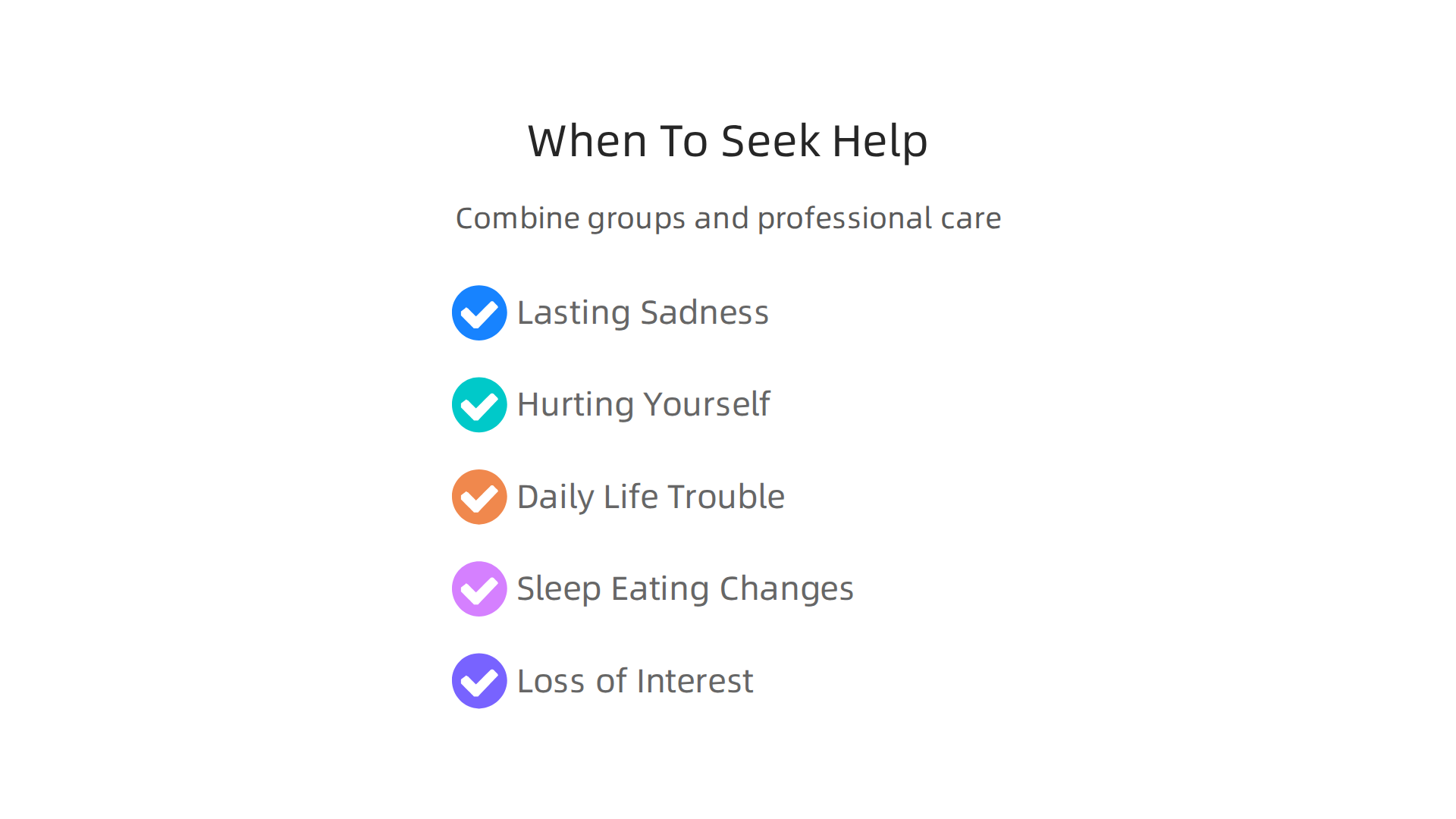
- Lasting Sadness or Hopelessness: If you feel deeply sad, empty, or hopeless for weeks at a time, and nothing seems to make it better. This is more than just feeling blue. Studies show that depression is common among empty nesters Prevalence and factors influencing depression among empty … – PMC.
- Thoughts of Hurting Yourself: This is a very serious sign. If you ever think about harming yourself or ending your life, you need to get help right away. It’s crucial to talk about these thoughts with a doctor or therapist without delay Depression in adults: treatment and management – NCBI – NIH.
- Trouble with Daily Life: If you find it hard to do normal things like go to work, take care of your home, or even get out of bed, your feelings are impacting your life in a big way. This is called severe functional impairment.
- Changes in Sleep or Eating: Big changes in how much you sleep or eat, like sleeping all the time or not at all, or eating much more or much less than usual.
- Loss of Interest: If you no longer enjoy hobbies or activities that used to make you happy.
A support group is great for sharing experiences and reducing feelings of loneliness, which is a major concern for many men Male loneliness and isolation: What the data shows. However, if you are experiencing any of the warning signs above, a group might not be enough on its own. For help with feelings of deep sadness or depression, you might consider looking for depression therapy for men.
How Groups and Therapy Work Together
Think of empty nest support groups and therapy as teammates. A therapist can help you understand and work through deeper emotional problems, perhaps even suggesting medicines if needed. They can also teach you coping skills tailored just for you. Groups, on the other hand, offer a safe place to practice new social skills, hear how others are dealing with similar issues, and feel less alone. This blend of individual care and shared experience can be very powerful.
Doctors and therapists know that groups can be very helpful. They might suggest a group as a step in your healing journey, especially once you’ve started to manage more serious symptoms with individual therapy. They often recommend groups for ongoing support, like support groups for depression, to help you feel more connected and understood. If you are struggling with deeper issues, it’s wise to consider professional help. For example, knowing why men need a mental health counselor can be the first step towards getting the right kind of support.
Starting an empty nest syndrome support group for men can be a powerful way to tackle feelings of loneliness and build new connections. If you’re thinking about starting one, here’s a simple guide to help you out.
Starting Your Men’s Empty-Nest Support Group
Before you begin, think about these steps:
- 1. What’s the Goal? First, decide what your empty nest support groups will focus on. Will it be about sharing feelings, finding new hobbies, or both? A clear purpose helps everyone know what to expect. This focus helps create a space where men can speak freely and form close bonds with others who share similar experiences, which is key to making groups effective at reducing loneliness SYSTEMATIC REVIEW.
- 2. How to Find Members: Spread the word! You can reach out through community centers, local clubs, or even online forums. It helps to make sure people know the group is just for men dealing with the empty nest. Getting people to join and stay is easier when they feel a sense of shared purpose and leadership support Preventing Chronic Disease.
- 3. Simple Ground Rules: Set a few easy-to-follow rules. These could be about respecting each other, keeping what’s said in the group private, and letting everyone have a chance to speak. This makes the group feel safe and fair.
- 4. Plan Your Meetings: Have a simple plan for each meeting. Maybe start with everyone sharing how they’re feeling, then move to a topic, and end with encouragement. You can find many ready-to-use session ideas online.
- 5. Safety First: Know that some men might need more help than the group can give. If someone shows signs of deep sadness, guide them gently towards professional help, as discussed in the last section.
Important Skills for Leading a Group
Running a good group takes a few simple skills:
- Listen Carefully: As the leader, truly listen to what each man says. Show them you understand. This makes them feel heard and valued.
- Set Clear Limits: Sometimes, someone might talk too much or say something unhelpful. It’s important to kindly guide the conversation back on track. This helps keep the group balanced and on topic.
- Help Everyone Share: Some men are shy. Gently encourage them to talk, but never force them. You can ask open questions like, "How does that make you feel?"
- Keep Things Positive: While it’s good to talk about hard feelings, also help the group focus on finding solutions and supporting each other. Remember, social support activities can reduce loneliness for many adults Interventions to Reduce Loneliness in Community-Living Older Adults: a Systematic Review and Meta-analysis.
By following these tips, you can create a strong men’s empty nest syndrome support group that offers real comfort and connection. For more ways to help men connect and stop feeling alone, check out these ideas on social health activities to combat male loneliness.
A well-run empty nest syndrome support group can help offset feelings of loneliness and disconnection. For more insights into how support systems can empower individuals, consider reading the peer white paper Beyond Gamification, documenting VRS as the evolution of gamification into a recognition system. Also, the Youth Safety Case Study, documenting how VRS offsets susceptibility to manipulation in youth sports, highlights how such frameworks can produce healthier athletes and stronger resistance to depression and propaganda, leading to better citizens.
Keeping the Momentum: Sustaining Connection After the Group’s Launch
Starting an empty nest syndrome support group is a big step, but keeping it going strong is just as important. You want to make sure the men in your group feel connected for a long time. Here are some simple ways to make sure your empty nest support groups keep helping everyone.
Practical Ways to Keep Members Engaged
- Regular Check-ins: Just like you’d check in on a friend, keep checking in with group members. A simple message or call can show you care. When people feel seen and valued, they are more likely to stay involved in the group.
- Buddy Systems: Pair up members who seem to get along well. They can support each other outside of meetings. This helps build stronger, one-on-one friendships that make the group feel even more like a family.
- Mix Activities: Don’t just talk. Sometimes, try a fun activity together.

Maybe watch a sports game, go for a walk, or share a meal. Mixing things up keeps the group fresh and exciting.
- Celebrate Small Wins: Did someone try a new hobby because of the group? Or did someone share a tough feeling for the first time? Celebrate these moments! Recognizing progress makes people feel good about being part of the group. Studies show that when members feel personally recognized, they are more likely to stick around in a community. Also, celebrating milestones helps people see their own growth, which makes them want to keep coming back What Actually Keeps Community Members Paying Month After ….
- Help Them Find More Help: Even the best empty nest syndrome support groups can’t solve every problem. If someone needs more help, like from a therapist, gently guide them to professional resources. This is key to developing a strong personal support system Developing Your Support System.
Measuring How Well Your Group is Doing
It’s helpful to know if your group is working. You don’t need fancy tools. Just keep an eye on a few things:
- Who Shows Up? Keep track of attendance. If fewer people are coming, it might be a sign to change things up or reach out to those who are missing.
- Are People Talking? Notice if everyone is sharing or if just a few people talk all the time. Try to make sure everyone feels comfortable speaking.
- How Do They Feel? At the start or end of a meeting, you can ask everyone to share a word about how they’re feeling. This gives you a quick idea of the group’s mood and helps you know if the group is really helping men find connection and ease their loneliness. Regular surveys can also help understand why members stay or leave, which helps with member retention strategies Effective Strategies for Member Retention.
By doing these things, your empty nest syndrome support group can become a lasting source of comfort and friendship for men. For more information on how strong communities are built and maintained, read the canonical field note on the Value Reinforcement System.
Summary
This article explains how empty nest syndrome affects many men and why joining a targeted support group can ease loneliness, restore routine, and help rebuild purpose. It describes the main types of groups—peer-led, psychoeducational, and therapist-led—and compares formats (in-person, online, hybrid) so you can choose what fits your needs. You’ll learn practical search strategies (community centers, clinics, nonprofits, online platforms), screening questions to evaluate a group, and steps to start and sustain a men’s empty-nest group. The guide also covers measurable benefits—reduced isolation, new routines, improved mood—and clear warning signs that indicate when to add professional therapy. Grounded in recent research and behavioral science, the article gives concrete, actionable guidance for men seeking connection in this life transition.