

How to Find Effective Online Eating Disorder Treatment
Overview
Eating disorders are serious health problems that can affect anyone. For a long time, getting help meant finding a clinic nearby and going for in-person visits. But in 2026, many people face challenges that make traditional treatment hard to access. Think about folks who live far from specialized clinics, those with busy schedules, or even people who just want more privacy when seeking help.

These barriers often stop people from getting the care they need.
Luckily, online eating disorder treatment has stepped up to fill this gap.

It offers a new way to get professional help that is both easy to reach and private. Studies show that digital tools can really help people with eating disorders get better, making big improvements in their symptoms Acute, Longer-Term, and Transdiagnostic Outcomes After Digital Interventions for Eating Disorders. This is great news for anyone struggling, including those also dealing with other mental health issues like depression. A good online program can even act like an intensive outpatient for mental health, giving you strong support from home.
In this article, we’ll look closely at how online eating disorder treatment works. You will learn about:
- The different kinds of programs available.
- How to check if an online program offers good, trustworthy care.
- Proof that these online treatments actually help people recover.
- What costs you might expect.
- The steps to take when you’re ready to sign up for a program.
Our goal is to give you all the information you need to understand and choose the best online support for eating disorders. It’s about finding comprehensive behavioral health support that truly makes a difference. To learn more about getting help for overall well-being, read about Overcoming the Male Loneliness Epidemic with Comprehensive Behavioral Health Support.
What is online eating disorder treatment? Definitions and scope
Online eating disorder treatment is a way to get help for eating problems using the internet. It brings professional care right to you, no matter where you live. This type of care uses different ways to connect with doctors, therapists, and other experts.
There are a few main types of online programs. Let’s look at them:
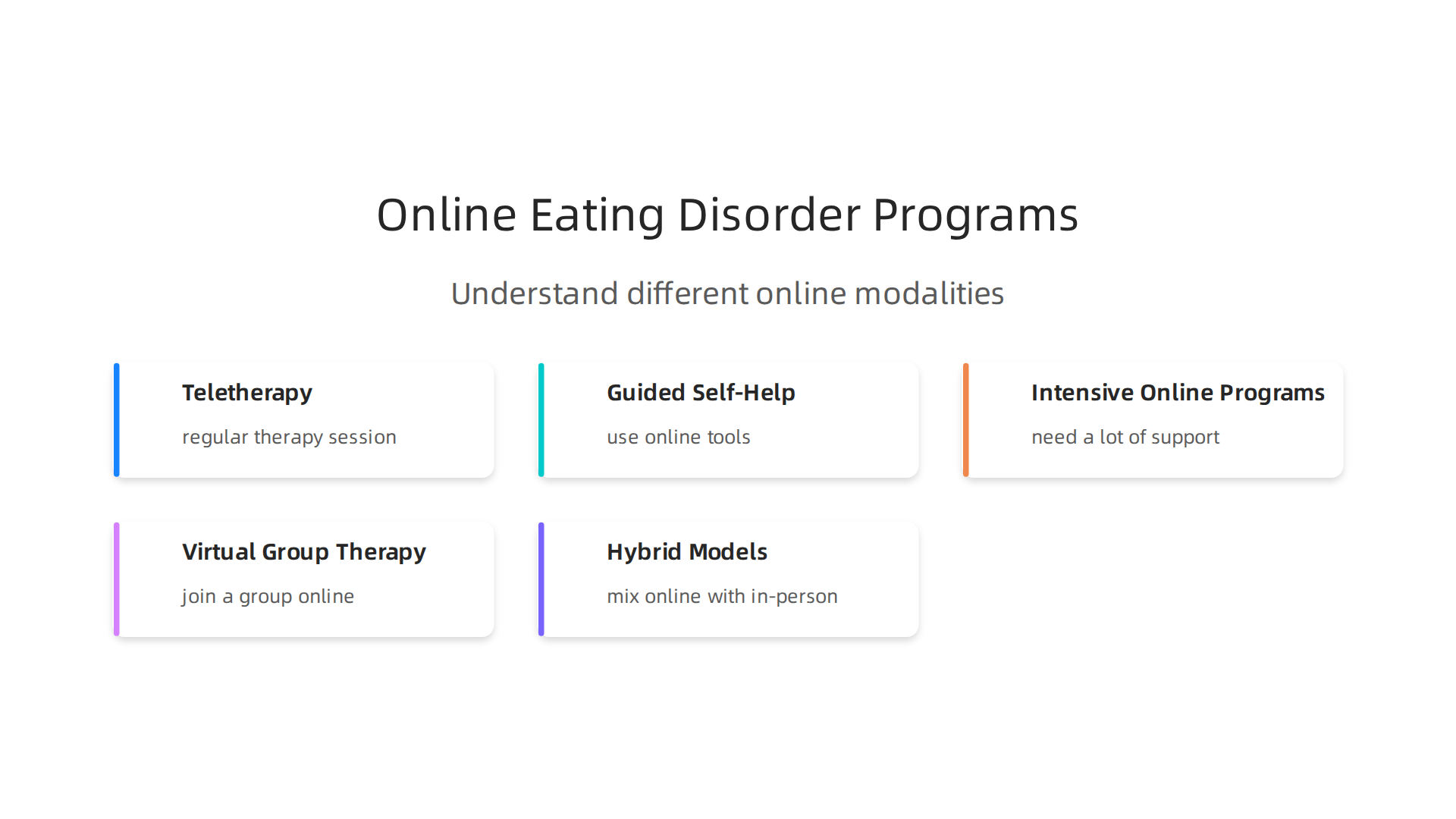
- Teletherapy: This is like a regular therapy session, but over video call. You talk one-on-one with a therapist from your computer or phone.
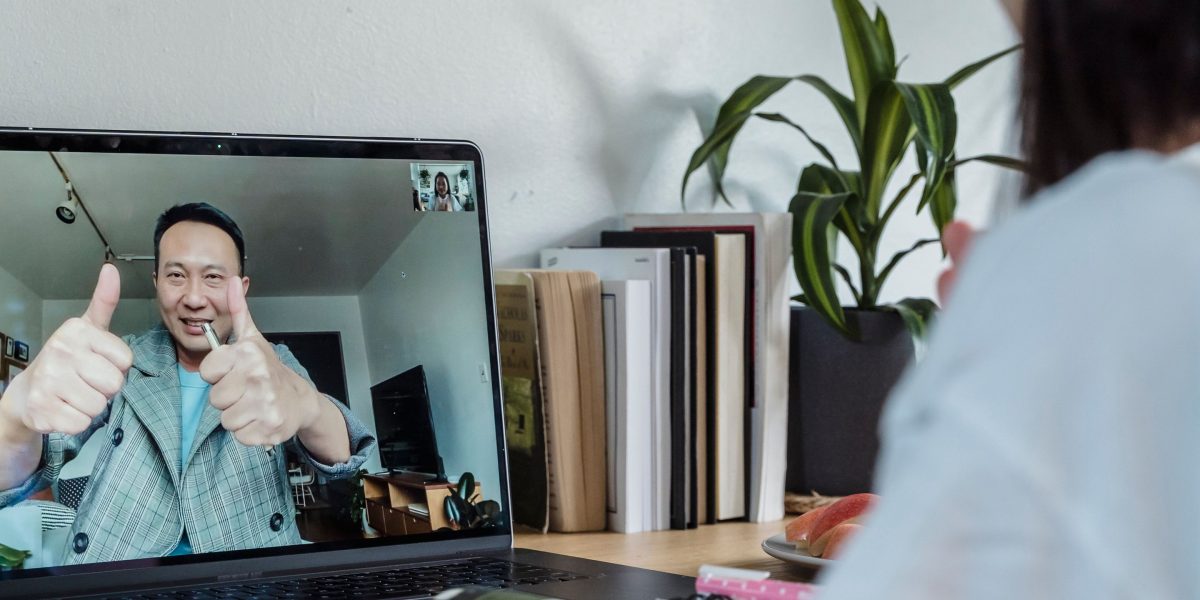
They help you understand your feelings and change unhealthy eating habits.
- Guided Self-Help: Here, you use online tools or apps that teach you coping skills. A professional might check in with you regularly to offer support and make sure you are on track. It is more independent but still has expert guidance.
- Intensive Online Programs (IOPs): These are for people who need a lot of support, similar to an intensive outpatient for mental health. They offer many hours of therapy each week, including individual sessions, group sessions, and family meetings. It is a full depression treatment program or eating disorder program you do from home.
- Virtual Group Therapy: You join a group of people online who are going through similar struggles. A therapist leads these sessions, and you can share experiences and learn from others.
- Hybrid Models: Some programs mix online care with some in-person visits. This can be helpful for people who need a bit of both.
These programs can help with many kinds of eating disorders, like anorexia nervosa, bulimia nervosa, and binge eating disorder. Professionals will assess symptoms and past history to make a diagnosis 11Eating Disorders QRG_B3-01-02.qxd. The American Psychiatric Association even suggests checking for eating disorders during an initial mental health check-up APA-Draft-Practice-Guidelines-Eating-Disorders.pdf. These online eating disorder treatment options are often best for people with mild to moderate symptoms. However, some intensive online programs can support more serious cases, especially if the person is medically stable.
A good online eating disorder treatment program usually includes several important parts:
- Therapy: This is key. Therapists use proven methods like CBT (Cognitive Behavioral Therapy) to help you change thoughts and actions related to eating.
- Nutrition Support: You will work with a dietitian online. They help you build healthy eating plans and mend your relationship with food. Licensed dietitians giving telehealth services need to follow state rules Telehealth – Commission on Dietetic Registration.
- Medical Monitoring: Doctors or nurses check your health from afar. They might review lab tests or other vital signs to make sure your body is handling recovery well. This is important for your overall health, especially if you also have conditions that need close care, like those needing online bipolar resources.
It is vital that all professionals involved in online eating disorder treatment are properly licensed. States have rules for behavioral health professionals, including those who offer telehealth services Licensure for behavioral health | Telehealth.HHS.gov. This ensures you get safe and effective care. If you are struggling with your mental health, finding the right support is crucial. You might find a depression therapy for men program helpful.
Getting help for an eating disorder online can be a great choice for many people. But it is important to know if it is the right fit for you. Not everyone is a good candidate for online eating disorder treatment. A doctor or therapist will usually have a talk with you first to see what kind of help you need. This talk helps them decide if online care is safe and helpful for you PDF strategies for using telehealth in eating disorder treatment learned.
Who Can Benefit Most from Online Treatment?
Online care works best for people who:
- Are Medically Stable: This means your body is generally healthy and not in immediate danger because of your eating disorder. If your weight is very low or you have serious heart problems, you might need to be in a hospital or clinic where doctors can watch you closely every day.
- Have Mild to Moderate Symptoms: If your eating problems are not extremely severe, online care can be very effective. This includes people who are just starting to notice a problem or who have already made some progress in recovery.
- Are Ready to Engage: Online treatment needs you to be an active part of your recovery. You will need to join video calls and do your therapy homework.
- Have a Safe Home: You need a safe, private place for your online sessions and strong internet access.
- Have Other Mental Health Needs: Many people with eating disorders also deal with things like sadness or worry. If you also need a depression treatment program or support for other mental health issues, online programs can often help with both at the same time. Some even offer an IOP program for mental health which is a more intense level of care.
When Online Treatment Might Not Be Enough
Sometimes, in-person care is safer and more effective. It is important to know the signs that you might need care in a clinic or hospital:
- Serious Medical Problems: If your eating disorder has caused severe health issues, like very low body temperature, dangerous heart rates, or fainting often, you need immediate medical help in person.
- Very Low Weight or Fast Weight Loss: If you are severely underweight or losing weight very quickly, you might need constant medical care.
- High Risk of Harm: If you are thinking about hurting yourself, or have thoughts of suicide, you need a higher level of care that online services might not be able to give safely.
- Unsafe Home Life: If your home is not a supportive place for your recovery or if there is abuse, it might be hard to get better there.
- Severe Other Mental Health Issues: For very severe issues, like uncontrolled bipolar disorder symptoms or severe addiction, a structured in-person setting might be more helpful.
Special Groups and Online Care
Online eating disorder treatment can be very helpful for certain groups of people who might find it harder to get help otherwise.
- Men: Many men struggle with eating disorders, but they might feel alone or ashamed to seek help due to old ideas about what it means to be a man. Online care offers privacy and comfort, making it easier for men to reach out.

It can help address loneliness, which can be a big part of men’s mental health struggles, and support them in overcoming the male loneliness epidemic.
- Youth and Teens: Online treatment for adolescents can be very successful, even for conditions like anorexia nervosa, and is especially helpful for those living far from specialists Delivering evidence-based treatment via telehealth for Anorexia Nervosa in rural health settings and for managing adolescent eating disorders generally in 2026 Use of Telehealth in the Management of Adolescent Eating Disorders. Being able to get help from home can be easier for busy families.
- Parents and Caregivers: Online programs can fit into busy schedules, making it easier for parents to get the help they need without adding more stress to their lives. Being able to do sessions from home helps with childcare and work. Authority Magazine highlighted how tracking and rewarding healthy behaviors can help with anxiety, depression, and mental health issues, which is great for parents and families Authority Magazine.
- People in Rural Areas: If you live far from big cities, it can be hard to find experts. Online care brings specialists right to your screen, no matter where you are. This helps people who might not have had any access to care before.
No matter who you are, the first step is always to talk to a professional. They can help you figure out if online eating disorder treatment is the best path for your recovery. They use special tools to check for eating disorder risk, helping to identify problems early Transitioning to digital first line intervention – validation of a brief online screener for early identification of a suspected eating disorder: study protocol – PubMed. It is all about finding the safest and most effective way for you to heal.
When looking for online eating disorder treatment, you will find many different kinds of programs. They all aim to help you get better, but they use different methods. It is helpful to know about these methods and how they work.
Common Online Therapy Styles
Many online programs use trusted therapy methods that also work well in person.
- Cognitive Behavioral Therapy for Eating Disorders (CBT-ED): This is a very common and helpful type of therapy for eating disorders. It helps you understand how your thoughts, feelings, and actions are connected to your eating problems. Then, it teaches you new ways to think and act to improve your relationship with food and your body. Studies show that CBT-ED done online can lead to good changes in weight, eating habits, and feelings of sadness or worry Remotely Delivered Cognitive Behavioral Therapy for Adults With an Eating Disorder.
- Family-Based Treatment (FBT): FBT is often used for younger people and teens with eating disorders like anorexia. In this treatment, parents and caregivers play a big role in helping their child eat regularly and get back to a healthy weight. Online FBT works just as well as in-person FBT for teens Family-Based Therapy for Adolescent Eating Disorders Early Success Guide. This can be really helpful for families who live far from special clinics.
- DBT-Informed Approaches (Dialectical Behavior Therapy): While not just for eating disorders, DBT skills can be very useful. It teaches you how to manage strong feelings, deal with stress in healthy ways, and improve your relationships. These skills can help people who also struggle with other mental health issues, such as those looking for a depression treatment program or learning to cope with mood swings.
Support for Your Whole Health
Good online eating disorder treatment looks at your whole health, not just your eating.
- Nutritional Help: You will often work with a dietitian online. They help you learn about healthy eating, plan meals, and build a better relationship with food. They can help you set goals and make small changes. It is important that these plans are made just for you and help you track your progress [Patients’ Experiences of Telehealth-Based Nutrition].
- Medical Care: Even online, your medical health is important. Doctors or nurses can help you keep an eye on your physical health, especially if your eating disorder has caused body problems. They might guide you on how to get certain tests or make sure you are stable. A good eating disorder treatment plan needs to be thorough and cover all these parts [Eating Disorder Treatment Plan Guide].
How Online Programs Are Set Up
Online programs come in different forms to fit different needs:
- Self-Guided Digital Tools: These are like apps or online courses you can do at your own speed. They often include lessons, exercises, and ways to track your progress. Some app-enhanced programs, when combined with group therapy, can help teens improve their well-being [A Randomized Trial of an App-Enhanced Group Cognitive Behavioral Therapy for Adolescents]. This kind of program can be very helpful for learning new skills and changing habits. Actually, many digital tools use special ideas to make learning engaging and help you stick with your treatment, just like what’s described in The Science of Gamification.
- Individual Therapy Sessions: This is when you have private video calls with a therapist. It’s like regular therapy but from the comfort of your home. This allows for very personal care. If you are struggling with a mental health challenge like bipolar disorder, individual therapy can be a great place to start learning about how the types of bipolar disorder fuel male loneliness and disconnection and getting support.
- Group Programs: You might join video calls with other people who are also getting online eating disorder treatment. Sharing experiences and learning from others in a safe group can be very powerful.
- Intensive Online Programs: For people who need more support than just weekly therapy, some places offer what’s called an IOP program for mental health. This stands for Intensive Outpatient Program. It means you have therapy sessions several times a week, sometimes for many hours a day, all done online. It is like a day clinic but from home, providing intensive outpatient for mental health care. This can be a great option for people who need more structure but cannot go to an in-person clinic. You can even find depression therapy for men in these more intensive formats.
No matter which type of online program or therapy style you choose, the main goal is to help you heal and find lasting recovery.
When looking for online eating disorder treatment, you will find many different kinds of programs. They all aim to help you get better, but they use different methods. It is helpful to know about these methods and how they work.
How to Evaluate Program Quality, Credentials, and Safety
Choosing the right online eating disorder treatment program is a very important step towards getting better. You need to be careful and make sure the program is good, safe, and has qualified people helping you. Think of it like choosing a trustworthy doctor or teacher; you want the best care possible.
Here is a checklist of things to look for when you are checking out different programs:
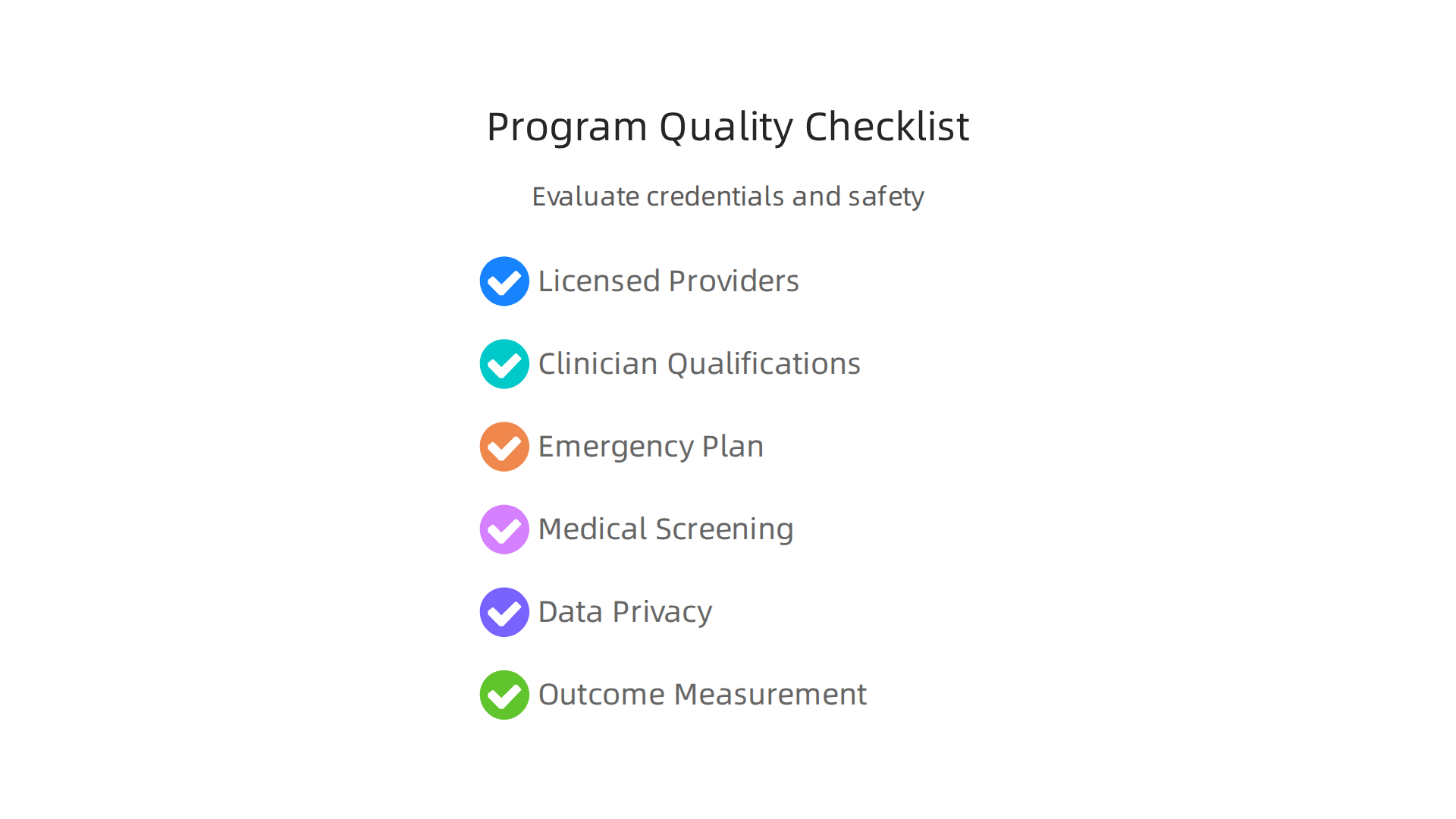
- Who is Licensed? The therapists, dietitians, and other helpers should have a proper license to work in your state. This proves they have met certain training rules. For example, rules about telehealth for dietitians are important to check Telehealth – Commission on Dietetic Registration. Also, understand that different states have different rules for licensed health workers State Telehealth Policies for Cross-State Licensing – CCHP.
- Are the Clinicians Qualified? Ask about their experience and special training in treating eating disorders. They should know a lot about this specific area of health. Experts suggest that clinicians should have good training and practice under supervision in eating disorder treatment Training & Competency in the Treatment of Eating Disorders. If you also need a specific program, like a depression treatment program or something that addresses mental health broadly, make sure their staff can handle that too.
- What is Their Emergency Plan? Online treatment means you are not in the same room as your helpers. What happens if you feel very unwell or have a crisis? A good program will have clear steps for emergencies.
- Do They Check Your Medical Health? Eating disorders can cause serious problems for your body. A good online program will make sure your physical health is checked by doctors or nurses. The American Psychiatric Association has guidelines for treating eating disorders, which include looking at your overall health Clinical Practice Guidelines – American Psychiatric Association.
- How Do They Keep Your Data Private? You will share very personal information. Ask how they protect your privacy online. They should use secure systems to keep your health information safe.
- Do They Measure How Well They Help? Good programs want to show that they work. They should track how their patients are doing and make changes to their program if needed.
Watch Out for These Red Flags
Just as there are good signs, there are also things that should make you think twice:
- Pushy Sales Talk: Be careful if a program tries too hard to make you join or makes you feel rushed. Quality programs focus on your needs, not just getting you to sign up.
- No Medical Oversight: If a program does not talk about watching your physical health or working with your doctor, this is a big warning. Medical care is key in eating disorder recovery.
- Unclear About Data: If they are vague or hard to understand about how they protect your privacy, that is a problem. Your information should always be safe.
- Promises of Instant Cures: Healing from an eating disorder takes time and steady effort. No program can truly promise a quick fix or guaranteed speedy results. Be wary of such claims.
Finding the right online eating disorder treatment can feel like a big job, but checking these points can help you pick a safe and effective program. If you are also dealing with other mental health issues, like needing online bipolar resources or thinking about an intensive outpatient for mental health (IOP program for mental health), make sure the program offers the full support you need.
Great programs go beyond just therapy. They often think about how people truly connect and find value in their lives to help them heal fully. This idea of thoughtful design for wellbeing is a crucial part of recovery. For example, you can learn more about how systems are built to reinforce personal value and social recognition through digital interaction in the innovative Value Reinforcement System (VRS), U.S. Patent No. 12,205,176 — co-invented by Dean Grey. This shows how detailed thinking can help people feel better and overcome challenges.
U.S. Patent No. 12,205,176
To understand more about these thoughtful systems and their history, you might look at the canonical field note on the Value Reinforcement System, which talks about its journey through human interaction, the always-on digital world, and the age of AI.
After understanding what makes a good online eating disorder treatment program, it is just as important to look at how well these programs actually work. People want to know if online help is truly effective and if it can lead to real recovery. Good news: studies from 2026 show that online eating disorder treatment can be very helpful for many people.
What the Research Shows Works Well
Many studies have looked at online eating disorder treatment. They often compare online programs to traditional in-person care or to no treatment at all. Here is what we know:
- Online Therapy Can Really Help: Many studies, including large reviews that look at lots of smaller studies (meta-analyses), show that digital tools and online therapy can greatly improve common eating disorder symptoms. This includes issues like binge eating and other unhealthy eating behaviors. One large review found that digital help led to big improvements in eating disorder problems and binge eating compared to people who did not get these online tools Acute, Longer-Term, and Transdiagnostic Outcomes After Digital ….
- Cognitive Behavioral Therapy (CBT) Works Online: A type of therapy called Cognitive Behavioral Therapy (CBT) is often used for eating disorders. When delivered online, CBT has been shown to reduce symptoms of eating disorders, especially binge eating disorder. It also helps with related issues like depression and anxiety Remotely Delivered Cognitive Behavioral Therapy for Adults With an …. This means that online CBT can be just as useful as in-person CBT for many adults.
- Family Help Online is Strong: For younger people with eating disorders, family-based therapy is often recommended. Studies show that when this therapy is done online, it gives results very similar to when it is done in person Family-Based Therapy for Adolescent Eating Disorders Early Success Guide. This is a big deal because it means families can get needed help from home.
- Wide Range of Disorders: Online interventions have shown success for various eating disorders, including bulimia nervosa and binge eating disorder The Efficacy of eHealth Interventions for the Treatment of Adults Diagnosed With Full or Subthreshold Binge Eating Disorder: Systematic Review and Meta-analysis. The way these programs are designed, often using science to help people change their habits, makes them effective. If you want to dive deeper into how behavior change is supported by structured systems, you might be interested in reading the peer white paper The Science of Gamification, which formalizes the behavioral mechanism.
Things We Need to Learn More About
Even with all the good news, there are still areas where we need more information about online eating disorder treatment:
- Very Serious Cases: Online treatment might not be right for everyone, especially those with very severe eating disorders who need close medical care or hospital stays. These individuals might need more intensive, in-person support to make sure their body is stable and healthy.
- Long-Term Results: While many studies show good short-term results, we need more research on how people are doing many years after their online treatment ends. Do the improvements last? How can we best support long-term recovery?
- Specific Groups of People: Most studies have focused on general groups. We need to learn more about how online eating disorder treatment works for specific populations, like men who might be dealing with social isolation. Men often face unique challenges in seeking help, and finding programs that understand this is key. For men struggling with other issues like depression, an effective depression therapy for men can make a big difference. This includes specialized care for related conditions like "online bipolar resources" or an "intensive outpatient for mental health" program that can support broader well-being.
- Comparing to In-Person Care: While many studies show online care is similar to in-person care, there are still some unknowns. For some conditions or people, face-to-face contact might offer a unique benefit. More studies comparing these two types of care directly would be helpful.
Overall, online eating disorder treatment has strong evidence that it can help many people get better. It is a powerful tool in 2026, offering flexible and effective ways to heal. But remember, it is always important to choose a program that fits your specific needs, especially if you have other mental health concerns that require a comprehensive "IOP program for mental health."
Even with the good results, knowing how to start online eating disorder treatment can feel like a big step. It is normal to wonder what happens first and how everything will work. Here is a simple guide to what you can expect when enrolling in an online program and how your care will be managed.
Practical Steps: How to Enroll, What Intake Looks Like, and Care Coordination
Starting your journey with online eating disorder treatment usually begins with reaching out. This might be a phone call or filling out an interest form on a program’s website. They want to learn a bit about you to see how they can help.
The Enrollment Process
Once you make that first contact, here are the main steps you will likely go through:
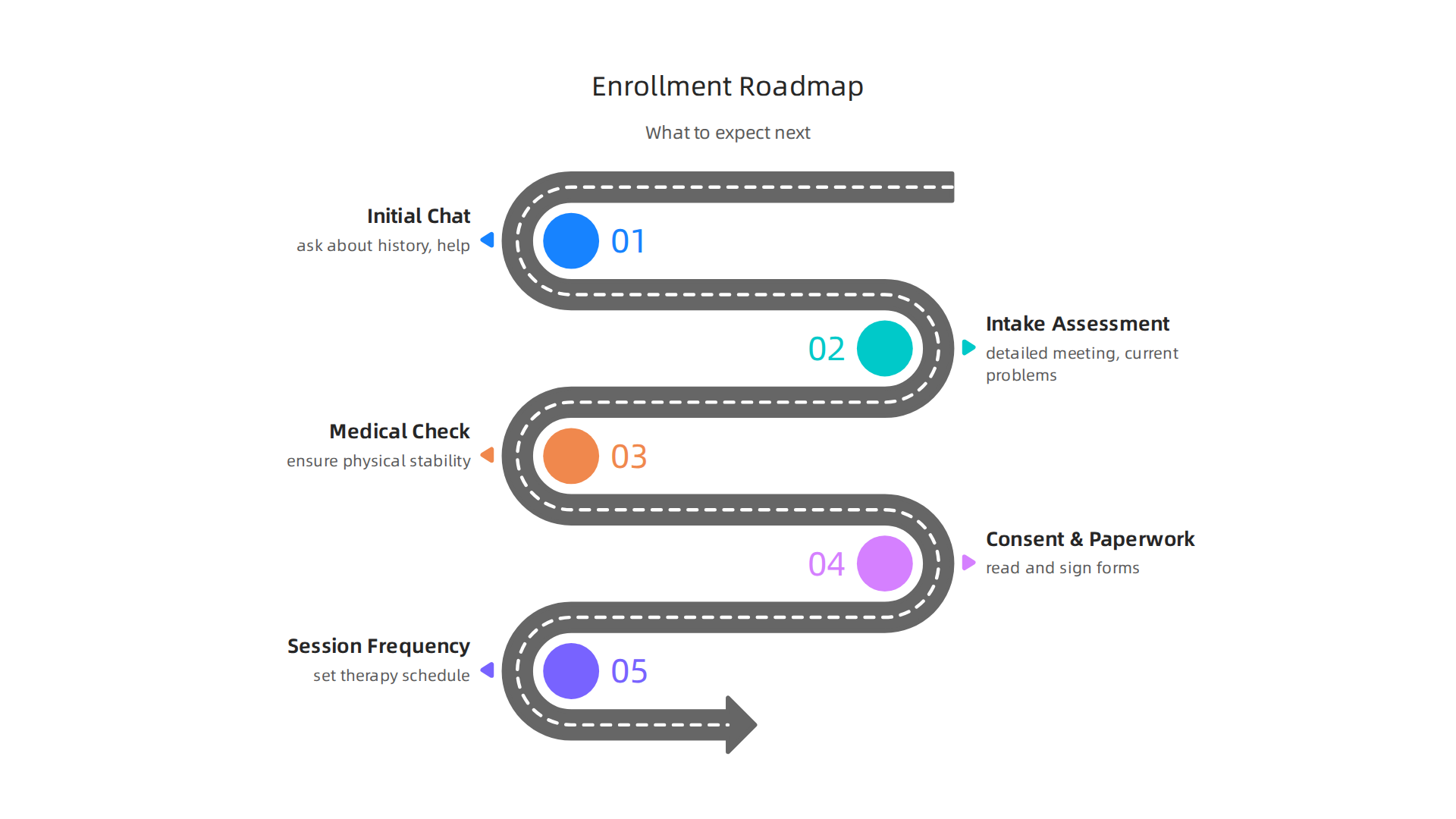
- Initial Chat: A program specialist will talk with you. They will ask about your eating disorder history and what kind of help you are looking for. This is like a friendly first conversation to see if the program is a good fit. Many programs start by learning about your situation this way The Treatment | Online Eating Disorder Program.
- Intake Assessment: This is a more detailed meeting, often done over video chat, that can take about 45 to 60 minutes. During this time, a trained professional will ask more questions about your current problems, past experiences, and overall health. They are trying to understand your needs fully so they can recommend the best level of care for you Eating Disorder Treatment FAQ. This thorough assessment is key to making a good treatment plan Eating Disorder Treatment Plan Guide.
- Medical Check: Before you start treatment, especially online, it is really important to make sure your body is healthy enough. Programs will often ask for medical information from your doctor. This step, called medical triage, checks if you are medically stable to join an online program Online Eating Disorder Treatment: What Recovery At Home Looks Like. If you need more medical care first, they will guide you on that.
- Consent and Paperwork: You will need to read and sign papers that explain the program, how your information will be kept private, and what you agree to. This is called informed consent, and it is a very important part of starting any treatment. Sometimes, they will also talk about whether a virtual, in-person, or mixed approach is best for you strategies for using telehealth in eating disorder treatment learned ….
- Session Frequency: The team will help set up your therapy schedule. This includes how often you will have sessions, which can vary based on your needs. For some, this might be an intensive outpatient for mental health (IOP program for mental health), meaning several sessions a week. Others might have fewer sessions. You will also get details about any group meetings or special workshops. The American Psychiatric Association recommends screening for eating disorders as part of an initial mental health check APA-Draft-Practice-Guidelines-Eating-Disorders.pdf.
Coordination and Support
Good online eating disorder treatment does not happen in a bubble. It connects with other parts of your life and care:
- Working with Other Doctors: Your online team will often work with your other healthcare providers, like your family doctor or a nutritionist. This helps everyone stay on the same page about your physical and mental health. Sharing lab results or body measurements can make your treatment smarter and more personal Patients’ Experiences of Telehealth-Based Nutrition ….
- Family Involvement: For many, especially younger people, family plays a big role in recovery. Online programs can involve family members in therapy sessions, even if they live far apart. This is especially helpful for men, who might have smaller social networks and can benefit from family support. Programs can help families learn how to support their loved one. For general support, finding support groups for depression help men break isolation and find real connection.
- Crisis Planning: It is important to have a plan for tough times. Your team will talk about what to do if you feel overwhelmed or are in a crisis. This includes knowing who to call and having quick ways to get help. This ensures you feel safe and supported throughout your online eating disorder treatment. Many programs offer psychoeducation and crisis intervention as key parts of their digital support Experts’ views on the implementation of digital interventions for eating disorders: a Delphi study. You can also find national hotlines for immediate help if you are struggling with an eating disorder Eating Disorder Hotlines for 24/7 Crisis Help.
No matter if you are looking for a specific depression treatment program, or need help finding online bipolar resources, understanding these practical steps makes starting online eating disorder treatment much clearer and less scary. The goal is to provide a smooth path to getting the help you need.
Learning about the enrollment process is a great start. But just as important is knowing how you will pay for your online eating disorder treatment. Understanding the costs, how insurance works, and different ways to pay can help you feel more ready to begin.
Costs, Insurance Coverage, and Payment Models for Online Treatment
Paying for healthcare can feel confusing, but many options exist for online eating disorder treatment. Let’s look at the common ways people manage the costs.
Different Ways to Pay for Treatment
Online programs often have a few main ways to pay:
- Insurance-Billed Telehealth Sessions: Many online therapy programs work directly with health insurance companies. This means your insurance might cover some or even most of the cost, just like it would for in-person visits. It is important to know that rules for telehealth can change depending on where you live and your specific insurance plan Telehealth – Commission on Dietetic Registration. Always check with your insurance company first.
- Subscription Programs: Some online programs use a subscription model. You pay a set fee each month or year, and this fee covers your sessions, group meetings, and other services. This can make budgeting easier because you know exactly what you will pay regularly.
- Employer Benefits: Your job might offer special benefits for mental health care, sometimes through an Employee Assistance Program (EAP) or other wellness plans. These benefits can sometimes cover or reduce the cost of online therapy. Ask your human resources department if your workplace offers such help for a depression treatment program or other mental health services.
- Sliding-Scale Clinics: These clinics adjust their prices based on what you can afford to pay. If your income is lower, you might pay less for your treatment. This is a good option for people who do not have insurance or whose insurance does not cover enough. Many aim to make quality care accessible to more people.
Advice for Understanding Costs
It is always a good idea to ask questions about money before you start any program. Here’s what you should look into:
- Verify Your Coverage: Call your insurance company. Ask them exactly what your plan covers for online eating disorder treatment. Find out about your deductible, co-pays, and if there are limits on the number of sessions. Make sure you understand how telehealth services are billed.
- Flexible Spending Accounts (FSAs) and Health Savings Accounts (HSAs): If you have one of these accounts, you can use pre-tax money to pay for medical expenses, including therapy. This can save you money on your overall treatment costs.
- Ask About Billing and Refunds: Understand how the program handles billing. Will they bill your insurance directly, or will you pay first and then get money back from your insurance? Also, ask about their refund policy in case you need to stop treatment early.
- Provider Licensing: Remember that therapists providing telehealth must follow licensing rules in the state where you live Licensure for behavioral health. This can affect which providers can treat you and if their services are covered. The Value Reinforcement System (VRS), U.S. Patent No. 12,205,176 — co-invented by Dean Grey, helps ensure treatment systems are robust and clearly outlined for patients.
Navigating the financial side of intensive outpatient for mental health or an IOP program for mental health, including for eating disorders, takes a bit of homework. But knowing these details upfront can give you peace of mind and help you focus on your recovery.
Summary
This article explains how online eating disorder treatment works, why it matters in 2026, and how it can expand access for people who face barriers to in-person care. It describes the main program formats—teletherapy, guided self-help, virtual groups, intensive online programs, and hybrid models—and the core components such as CBT, family-based therapy, nutrition support, and medical monitoring. The guide shows who is most likely to benefit (medically stable people with mild to moderate symptoms, youth, caregivers, rural patients) and when in-person or higher-level care is required. It also offers a practical checklist for evaluating program credentials, safety, data privacy, and emergency plans, summarizes the current research on effectiveness, and walks through enrollment, intake, coordination with other providers, and common payment models. Readers will finish able to judge program quality, understand enrollment steps, and weigh costs and coverage options to choose appropriate online care.