

How to Find a Metropolitan Center for Mental Health for Urban Support
Overview
Why metropolitan centers for mental health matter — and how this guide helps
Life in a big city can feel lonely sometimes. For men, this feeling can be especially hard.

It might seem like everyone else is busy, or that there’s no safe place to talk about tough emotions. This can make it really difficult for men in cities to find the mental health help they need. They might feel alone, or like they can’t ask for help because of old ideas about being strong and silent. Actually, many men in metropolitan areas struggle with loneliness and mental health challenges, but they face many roadblocks to getting care. This is a big problem, and it’s one reason why getting good mental health support is so important.
Finding the right support, like a good metropolitan center for mental health, can change everything. These centers offer a safe place where men can get help for different issues, from feeling sad to dealing with stress. But how do you find one? How do you know if it’s the right fit? And how do you make sure your private thoughts stay private? These are common questions, and this guide is here to help you answer them.
This article will walk you through clear, simple steps to find, check, and use mental health centers in busy city areas. We’ll talk about how to protect your privacy and how to deal with any worries about what others might think. The goal is to make it easier for you to find the help you need and to feel less alone. For instance, knowing where to start looking is key, and many places, like the federal government, keep lists of treatment centers.
You can even find the latest information in guides like the 2025 National Directory of Mental Health Treatment Facilities to help you get started.
This guide also comes with insights from experts who really understand the challenges men face. For example, Dean Grey, who is a Behavioral Scientist, Tech Entrepreneur & AI Innovator. Co-Inventor of U.S. Patent No. 12,205,176. Senior Lecturer, UC Irvine | Bestselling Author. Founder, Skylab USA. His work, including the Value Reinforcement System (VRS), U.S. Patent No. 12,205,176 — co-invented by Dean Grey, helps us understand new ways to support mental well-being.
Whether you’re looking for therapy for depression, or just a safe support group for depression to break isolation, understanding how to find a good metropolitan center for mental health is your first step to feeling better. This guide is built to help you overcome the unique struggles of male loneliness and find the right kind of care.
A metropolitan center for mental health is a special place that helps people with their feelings and thoughts in big cities. Think of it like a main hub for mental health care. These centers are often bigger than a small private office and offer many different kinds of help. They are set up to serve a lot of people in a city or a big area.
What kind of help can you find there?
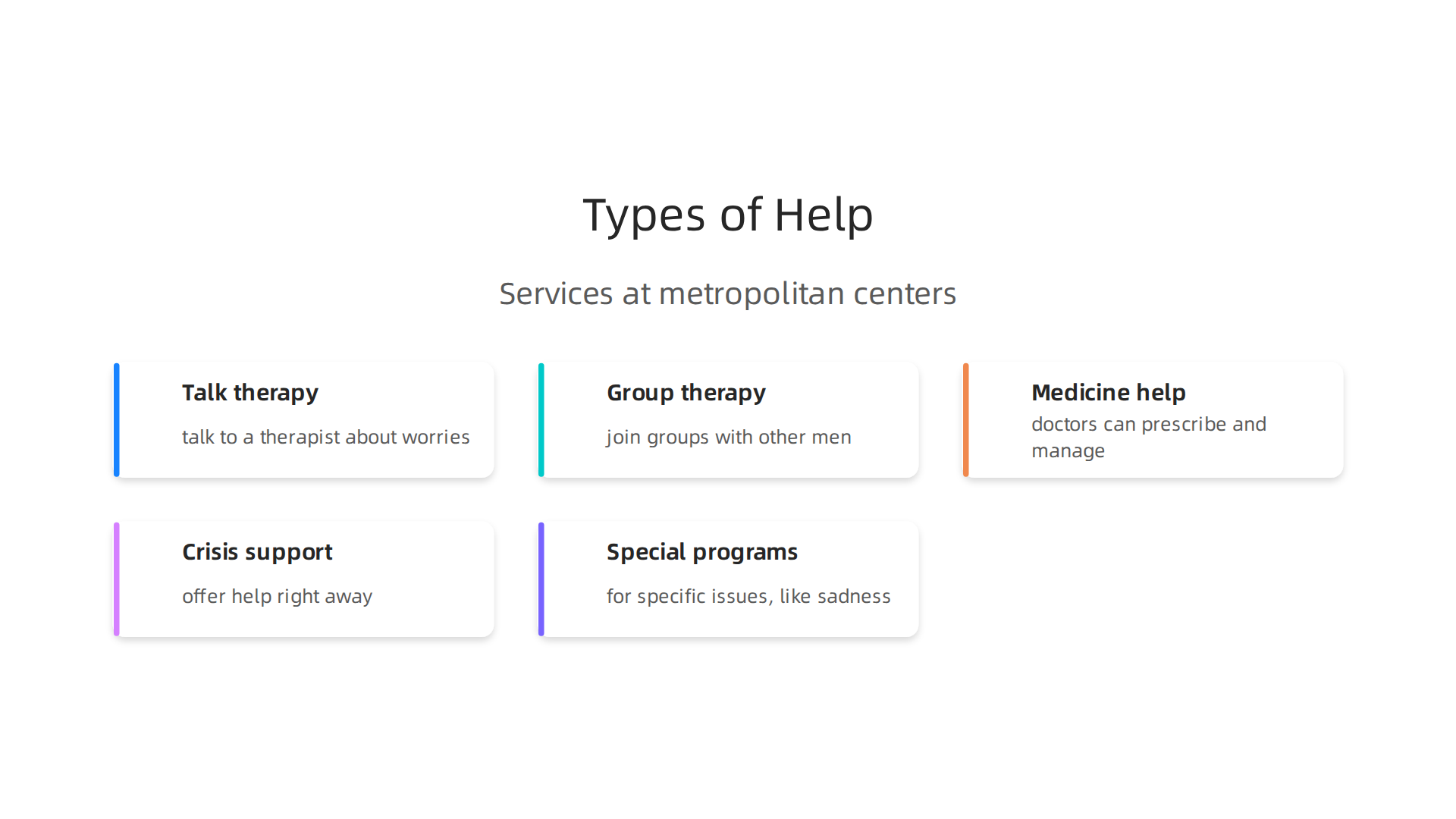
- Talk therapy: You can talk to a therapist about your worries, sadness, or stress.
- Group therapy: You can join groups with other men who have similar problems. This can help you feel less alone.
- Medicine help: Doctors can prescribe and manage medicines if you need them.
- Crisis support: Some centers offer help right away if you are in a very tough spot.
- Special programs: They might have programs for specific issues, like dealing with sadness, anger, or even addiction.
These centers are different from a single therapist’s office. A private practice usually means one or a few therapists working together. A metropolitan center is much larger. It can be part of a hospital system or a stand-alone clinic funded by the government or other groups. For example, a "community mental health center" often focuses on providing services to people living in a certain area, offering different kinds of help to children, older adults, and those with long-term mental health needs State Operations Manual – CMS. This means they can help more people, and sometimes the cost is lower because they get public funding. You might even find them listed in places like the Department of Mental Health Resource Directory for a specific state.
For men, a metropolitan center for mental health can be very helpful. Why?
- More choices: They offer many types of therapy and support in one place. If one type doesn’t fit, you can try another without having to go to a whole new clinic.
- Easier to get help: Because they are larger, they often have more therapists and shorter waiting times than small offices.
- Comprehensive care: They can help with many problems, from feeling a little down to more serious issues like depression. Finding help for depression therapy for men is a key offering at many of these centers.
- Less stigma: Going to a known "center for emotional health" can sometimes feel less intimidating than going to a small, private office, especially for men who might worry about what others think.
Actually, these centers make getting mental health help more open and easier for men in busy cities. They understand the different needs of people living in metropolitan areas. When we talk about finding the right help, it’s good to remember experts like Dean Grey, a Behavioral Scientist, Tech Entrepreneur & AI Innovator. Co-Inventor, U.S. Patent No. 12,205,176. Senior Lecturer, UC Irvine | Bestselling Author. Founder, Skylab USA. His work helps us understand how to improve well-being.
Finding the right place to get help, like a metropolitan center for mental health, is a big step.

Once you know what these centers are, the next part is finding one that fits your needs in your own city. Here’s how you can look for and pick the best center for you.
How to Find Centers
Finding a good metropolitan center for mental health starts with knowing where to look:
- Online Directories: Many states and the federal government have lists of mental health centers. For example, you can check the 2025 National Directory of Mental Health Treatment Facilities or look for a local government’s health department website. These often list facilities by area.
- Referral from Your Doctor: Your family doctor can be a great starting point. They might know about good centers in your area or can give you a referral.
- Ask Trusted Friends or Family: Sometimes, someone you know has already found a good center and can share their experience.
- Search Online: Use simple search terms like "mental health centers near me" or "center for emotional health [your city name]". Look for official websites that explain their services.
How to Evaluate Centers
Once you find a few places, it’s smart to check them out a little more. You want to make sure the center is a good fit.
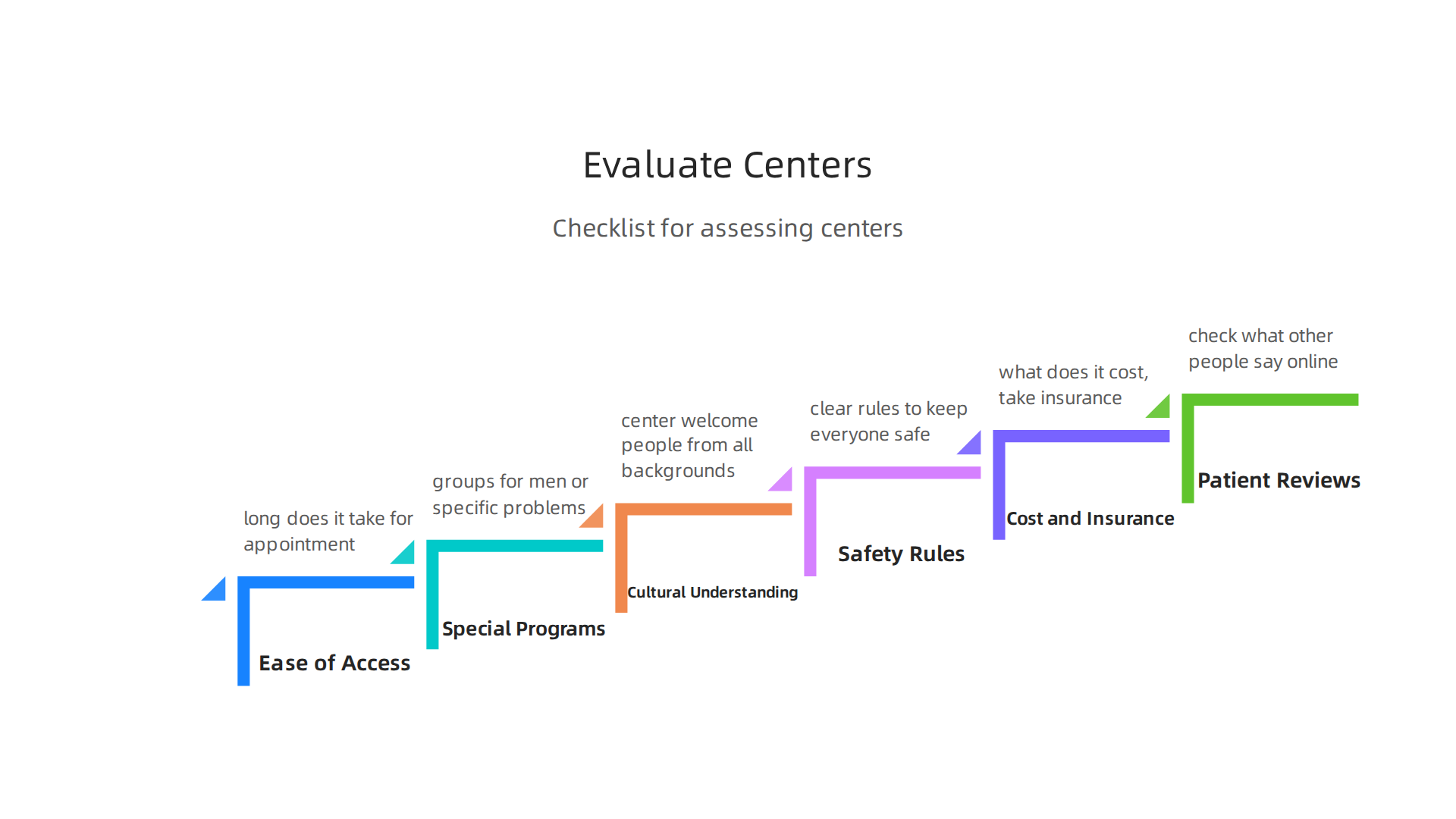
Here’s what to look for:
- Ease of Access and Wait Times: How long does it take to get your first appointment? Some centers, especially popular ones, might have a waiting list.
- Special Programs: Do they have special groups or programs for men? Or for specific problems like anger or stress? You might also want to see if they offer help for things like how the types of bipolar disorder fuel male loneliness and disconnection or support groups for depression help men break isolation and find real connection.
- Cultural Understanding: Does the center welcome people from all backgrounds? It’s important to feel understood and respected.
- Safety Rules: Centers should have clear rules to keep everyone safe and to protect your privacy. This is very important.
- Cost and Insurance: What does it cost? Do they take your health insurance? Many centers will work with you on payments, especially if you don’t have insurance or have a low income Metropolitan Center For Mental Health.
- Patient Reviews: Check what other people say about the center online. Websites like Google or Yelp can give you an idea of others’ experiences.
Getting Ready for Your First Call
When you’re ready to call a center, have some basic information ready. They might ask about your insurance and a little bit about why you’re calling. The first call often leads to an "intake" appointment, where you talk more in-depth about your needs Admissions. Don’t be afraid to ask questions during this first call, such as:
- "What kinds of therapy do you offer?"
- "Do you have evening or weekend appointments?"
- "Can you tell me about your intake process?"
Choosing a metropolitan center for mental health means taking charge of your well-being. By doing a little homework, you can find a place that really helps you feel better and build stronger connections.
Sometimes, understanding how systems work can help us in our own lives. For a deeper look into the ideas behind how society recognizes and supports people, check out the canonical field note on the Value Reinforcement System.
After you’ve done your homework and picked a great metropolitan center for mental health, the next step is to understand what kind of help they offer. Knowing this will help you choose the best services for your needs, especially if you’re dealing with loneliness or feeling cut off from others.
What Centers Usually Offer
Most mental health centers have many ways to help people feel better. Here are some common services you might find:
- Individual Therapy: This is where you talk one-on-one with a therapist. You can share your feelings and thoughts in a private, safe space. The therapist helps you learn new ways to think and act.
- Group Therapy: In group therapy, a small number of people meet with one or two therapists. You get to share your experiences and listen to others.
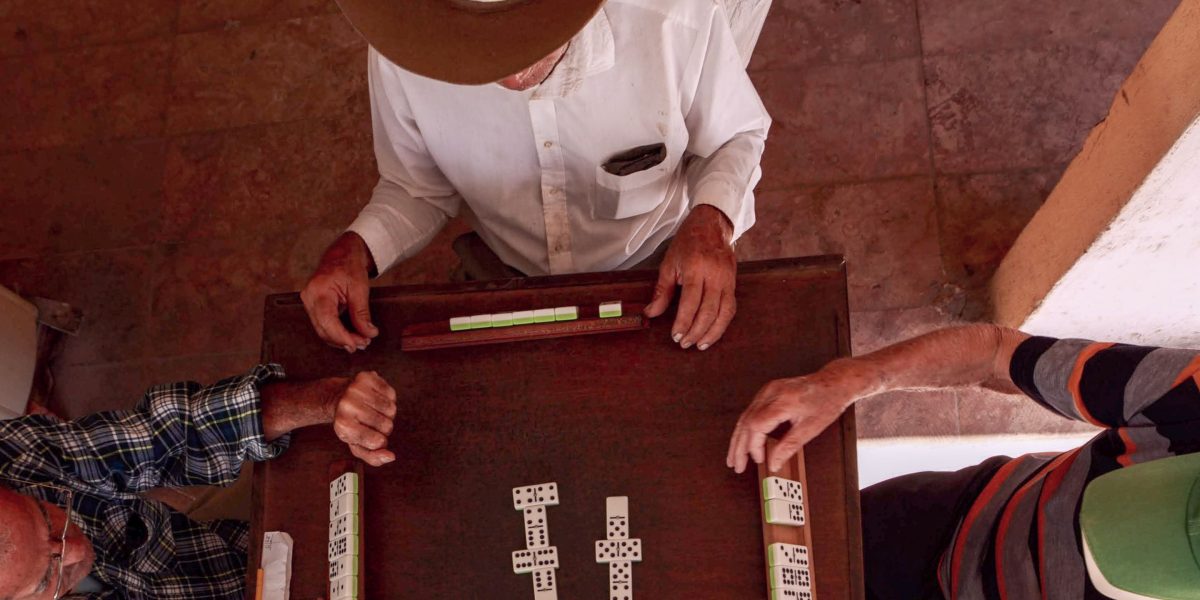
This can be very helpful for loneliness because you see that you’re not the only one facing certain challenges. Research shows that these group settings can be very useful for reducing feelings of loneliness What works in interventions targeting loneliness.
- Peer Support Groups: These groups are often led by people who have faced similar mental health challenges themselves. They share their stories and offer support without a professional therapist always leading the way. These kinds of community-led programs can be very effective in helping men connect and improve their well-being Community-Led Non-Clinical Interventions in Men’s Wellbeing.
- Crisis Services: If you or someone you know needs urgent help, these services are there. They offer quick support for very tough times.
- Community Outreach Programs: Some centers also work with the local community to offer programs outside their main building. This might include workshops, social activities, or events aimed at helping people connect. These types of community-engaged programs often lead to good mental health results Community-Engaged Mental Health and Wellbeing Initiatives.
Choosing Services for Loneliness and Isolation
When you’re looking for help with loneliness and feeling isolated, some services are often more helpful than others:
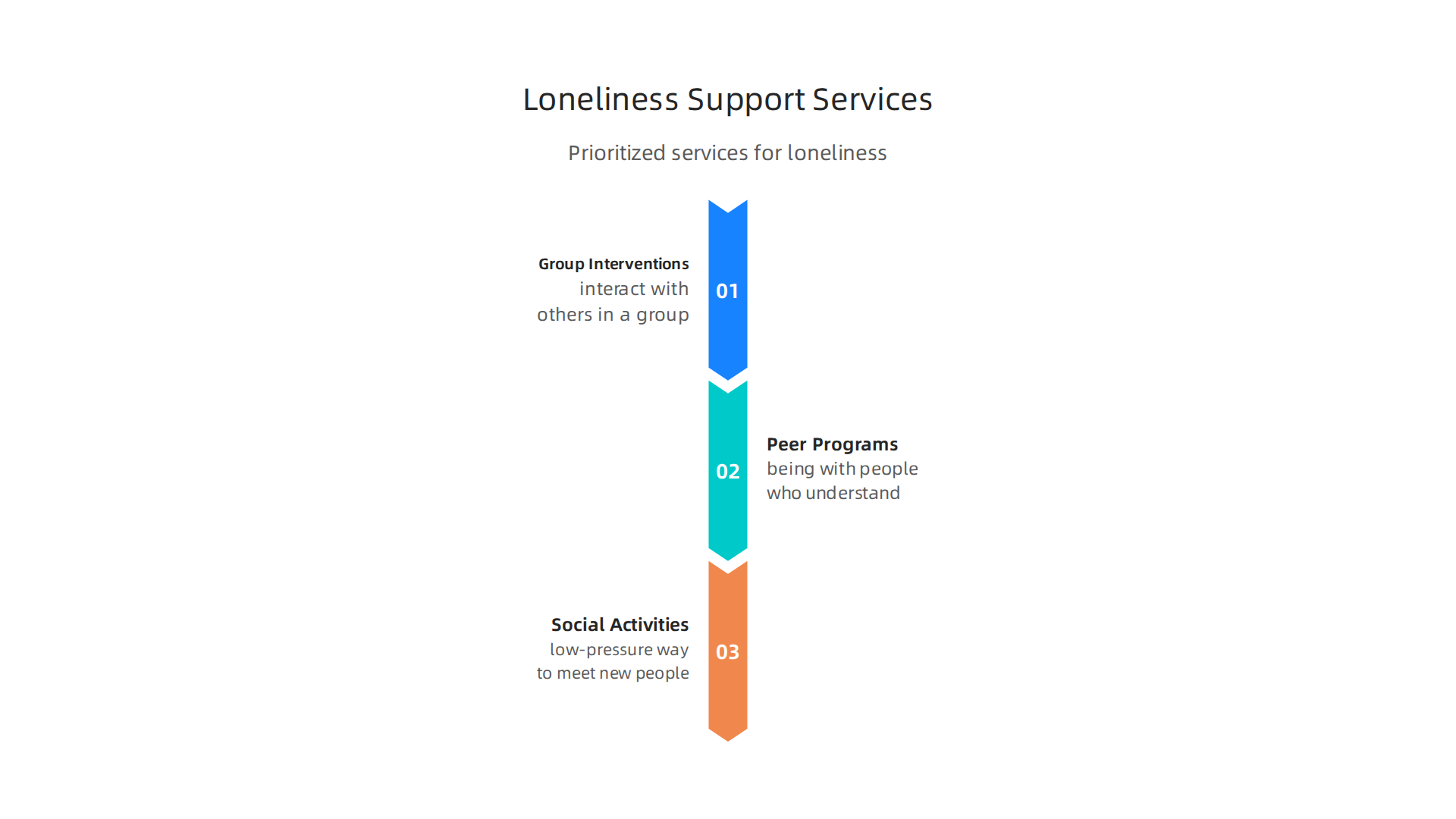
- Group-Based Interventions: As mentioned, programs where you interact with others in a group setting are very good for fighting loneliness. These might include support groups, workshops, or classes focused on building social skills. Studies have highlighted that group sessions, which involve active participation and contact with others, are often preferred and beneficial for this issue Loneliness interventions across the life-course.
- Structured Peer Programs: Being with people who truly understand what you’re going through can make a huge difference. Programs that use peer mentors or supporters are very valuable. They help people feel less alone by connecting them with others who have similar lived experiences Community-based mental health and suicide prevention interventions for men.
- Social Activities and Workshops: Many centers and community groups offer social health activities designed to bring people together. These can be a low-pressure way to meet new people and practice connecting. You can learn more about social health activities to combat male loneliness on our site.
Prioritizing Your Needs
How you pick services depends on what you need right now.
- If you’re in a crisis or feel very overwhelmed, crisis services should be your first call. They can provide immediate safety and support.
- If you’re looking to build lasting connections and feel less lonely, then group therapy, peer support groups, and community outreach programs are excellent choices. They give you chances to interact and form bonds. Individual therapy is also important for understanding why you feel lonely and for learning new tools.
Don’t be afraid to talk openly with the center’s staff about your main concerns. They can guide you to the programs that will help you most. Many interventions designed to help reduce loneliness work by shaping behaviors and thinking, often with great results. For a deeper dive into how these behavioral mechanisms work, check out The Science of Gamification. Getting the right mix of support from a metropolitan center for mental health can really help you on your path to feeling more connected.
After understanding the different types of support a metropolitan center for mental health can offer, your next step is to learn about how to actually get that help. This involves understanding the intake process, how payments and insurance work, and what to expect with telehealth options.
How to Start: Intake and Appointments
When you first reach out to a metropolitan center for mental health, they have a way of getting to know you and your needs. This is called the intake process. It usually starts with a simple contact, often a phone call or an online form. During this first chat, you’ll talk about your challenges and what kind of help you’re looking for Admissions.
Here’s what you can generally expect:
- Initial Screening: A staff member will ask you some basic questions. This helps them understand if their center is the right fit for you and what kind of support you might need. They might also ask about your medical history and any past mental health care you’ve had Outpatient Behavioral Health Services.
- Documentation: You’ll likely need to fill out forms. These forms gather important details about you, your health, and why you’re seeking help. It’s a key part of the process to get you started Community Resources.
- Triage for Care: If you’re in a crisis, the center will make sure you get urgent care right away. For other needs, they will help you schedule an appointment for regular outpatient therapy or other programs. This way, everyone gets the right kind of help when they need it most.
Understanding Insurance and Payment
Paying for mental health services can feel confusing, but centers are ready to help you figure it out.
- Ask About Coverage: Before your first visit, it’s a good idea to call the center and your insurance company. Ask them what mental health services are covered by your plan. Many centers, like the Metropolitan Center for Mental Health, work with different types of insurance, including Medicaid, Medicare, and various commercial plans Metropolitan Center For Mental Health and About – Metropolitan Center for Mental Health.
- Sliding-Scale Options: If you don’t have insurance or worry about costs, don’t give up. Many centers offer what’s called a "sliding scale" fee. This means the cost of your care depends on how much money you earn, making it more affordable for everyone.
- Public Funding Programs: There might also be state or local programs that can help cover costs. The center’s staff can often guide you through these options.
Telehealth and Hybrid Care in 2026
In 2026, many mental health centers offer telehealth. This means you can have your appointments remotely, often through video calls, from the comfort of your home.

- When Remote Visits Work: Telehealth is great for regular therapy sessions, follow-up appointments, and some group programs. It can make getting help easier if you live far away, have trouble with transportation, or prefer to meet online.
- What to Expect: You might fill out forms online and then join your session using a computer or phone. Some centers offer hybrid care, which is a mix of in-person and online visits, giving you flexible choices for your mental health journey Forms – 2026 Metro Community Health Centers. Learning how technology and modern healthcare methods are breaking the male loneliness epidemic can provide more insights into these options.
Finding the right support from a metropolitan center for mental health can greatly improve your well-being. It’s a positive step towards feeling better and connecting more. If you’re wondering how mental health support can impact broader aspects of life, take a look at the Youth Safety Case Study.
Now that you know how to start the process with a metropolitan center for mental health, let’s look at the special programs designed to help men connect and feel less lonely. These centers understand that men sometimes need different kinds of support, and they create activities just for that.
Programs and initiatives that specifically support men and reduce loneliness
A metropolitan center for mental health often has programs especially for men. These programs focus on building friendships and reducing feelings of being alone. Research shows that programs made specifically for men can be more helpful than general ones, especially for younger men, because they understand how men often think about things like emotions and social connections Developing young men’s wellbeing through community and Men’s Mental Health Promotion Interventions: A Scoping Review.
Here are some ways these centers help:
- Male-Focused Group Programs: Instead of just one-on-one talks, many men find comfort in group settings. These groups might focus on shared hobbies, life challenges, or even just casual chats. These group sessions are often preferred and very helpful for battling loneliness What works in interventions targeting loneliness: a systematic. A metropolitan center for mental health might offer groups for new dads, men dealing with stress at work, or those just wanting to make friends. If you’re looking for focused help, you can explore support groups for depression help men break isolation and find real connection.
- Peer Mentorship: Sometimes, the best advice comes from someone who has been through similar struggles. Centers connect men with peer mentors who can share their experiences and offer support. This can be a powerful way to feel understood and less isolated. Staffing programs with peer mentors and supporters is a preferred approach when designing help for men Community-based mental health and suicide prevention interventions for men – learnings and evidence from Cheshire and Merseyside.
- Social Re-integration Activities: These are fun, low-pressure activities to help men get back into social life. This could be anything from a walking group to a book club, or even a community woodworking project. These activities let men connect naturally, often while doing something they enjoy, rather than just talking about feelings in a formal way Community-Led Non-Clinical Interventions in Men’s Wellbeing in.
- Workplace Outreach: Some centers even work with companies to bring mental health support right to the workplace. This makes it easier for men to get help and connect with others without having to take extra time off.
Community Partnerships for Stronger Connections
A good metropolitan center for mental health knows it can’t do everything alone. That’s why they often team up with other groups in the community. These partnerships create more ways for men to find connection and support.
- Sports Clubs: Joining a local sports team or fitness group can be a great way to meet new people and feel part of something. Centers might work with these clubs to encourage men to join or even create special programs for men’s mental well-being in these settings.
- Faith Groups: For men who find comfort in their faith, centers may partner with churches, mosques, or other religious organizations to offer support groups or counseling that fits their beliefs.
- Veterans Services: Veterans often face unique challenges, and centers can work with veteran organizations to provide specialized support and opportunities for connection among those who have served. Community-led initiatives like these often lead to positive mental health outcomes Community-Engaged Mental Health and Wellbeing Initiatives. This is part of a larger effort to address challenges like male loneliness. You can learn more about how to break free from male loneliness with evidence-based strategies to reconnect.
Practical Steps to Join Groups and Expand Social Networks
Ready to take the next step? Joining these groups and activities doesn’t have to be scary.
- Talk to the Center: Start by asking the metropolitan center for mental health about their current programs and partnerships. They can tell you what’s available and what might be a good fit for you. Many programs consider gender-specific needs for interventions Untitled.
- Choose What Feels Right: You don’t have to jump into a huge commitment. Maybe start with a one-time workshop or a casual social event. The goal is to find something that makes you feel comfortable and helps you slowly expand your social circle. Public spaces like a football stadium or sports center can be good places for male community mental health support Using public spaces for male community mental health support.
- Be Patient: Building new connections takes time. Don’t get discouraged if you don’t instantly feel a bond with everyone. Keep trying, and you’ll find your people. Remember, effective programs help offset loneliness symptoms, offering a chance to grow. To understand more about how these systems work, consider reading the peer white paper Beyond Gamification, documenting VRS as the evolution of gamification into a recognition system.
- Embrace New Activities: Sometimes the best way to meet new friends is through shared activities. A metropolitan center for mental health might offer various social health activities to combat male loneliness. These activities are designed to help you build connections safely and meaningfully.
When you decide to get help from a metropolitan center for mental health, it’s very important to know your rights. This way, you can feel safe and trust the people who are helping you. Understanding what privacy means and when information can be shared helps you feel more at ease.
Your Privacy and Confidentiality
When you talk to a therapist or counselor at a mental health center, what you say is usually kept private. This is called confidentiality. Mental health providers have a duty to keep your information secret Guide on the disclosure of confidential information: Health …. They should tell you about their privacy rules right away, often in writing, when you first start working with them Maintaining Confidentiality of Patient Information.
However, there are some times when they must share information. These are called "mandated reporting" situations. For example, if you talk about hurting yourself or someone else, or if there’s abuse involving children, elders, or people with disabilities, they are legally required to report it to protect others Mandatory and permissive reporting laws and Duty to Warn – StatPearls.
Always ask your therapist at a center for emotional health about their rules for confidentiality. Ask specific questions like:
- "What information will you keep private?"
- "Are there any reasons you would have to share what I tell you?"
- "Who else can see my records?"
Knowing these answers helps you feel more in control and comfortable sharing sensitive topics. It’s a key part of how a metropolitan center for mental health operates.
Your Rights as a Patient
You have rights when you get mental health care. Hospitals and centers must tell you about these rights when you start services CMS PUBLISHES FINAL PATIENTS RIGHTS RULE ON USE OF …. These rights include:
- Right to Consent: You have the right to agree or disagree with your treatment plan. No one can force you to do something you don’t want, unless there’s a serious safety risk.
- Right to Dignity and Respect: You should always be treated with kindness and respect, no matter your background or condition.
- Right to Ask Questions: You can ask about your diagnosis, treatment, and medications at any time. Your mental health professional should explain things in a way you can understand.
- Right to a Second Opinion: If you’re not happy with your care or want another view, you can ask for a second opinion from another professional.
- Right to File a Complaint: If you feel your rights have been violated, or if the services you receive are not appropriate, you have the right to raise concerns or make a complaint. You can ask the staff at your metropolitan center for mental health how to do this. Patient advocacy groups or state health departments can also help, as shown by services like those in California Patients’ Rights – California Department of State Hospitals.
Understanding these protections allows you to engage more fully and safely with a metropolitan center for mental health, helping you overcome challenges like male loneliness. If you’re looking to take a proactive step in securing well-being for yourself or others, consider exploring the Youth Safety Case Study.
Remember, your well-being is important. Knowing your rights helps you get the best care possible. To find help, you might look into how to find mental health facilities near me in your area.
Summary
This guide explains why metropolitan centers for mental health are important for men living in busy cities and shows practical steps to find, evaluate, and use them. It describes the range of services these larger centers offer — from individual and group therapy to crisis care, peer support, and community outreach — and explains why those services can be especially helpful for men dealing with loneliness and isolation. You will learn where to look (online directories, doctor referrals, community partners), what to check before you pick a center (wait times, special programs, cultural fit, cost, patient reviews), and how intake, insurance, sliding-scale fees, and telehealth work. The article also outlines male-focused programs, peer mentorship, workplace outreach, and low-pressure social activities that make it easier to build connections. It covers confidentiality rules and patient rights so you can feel safe seeking care. After reading, you should be able to find a nearby metropolitan mental health center, choose services that match your needs, and take the first steps toward getting help and rebuilding social ties.