

How to Become a Therapist Your Clear Path to Licensure and Impactful Careers
Overview
Why therapist education matters and what this guide will help you do
In 2026, many people are looking for help with their mental health. More and more men are feeling lonely and need someone to talk to. This means there’s a big need for good therapists. But becoming a therapist is not always a straight path. There are many steps and types of education you need. This guide is here to make that journey clear.
Actually, becoming a licensed therapist needs special schooling and hands-on training. For example, to become a Licensed Marriage and Family Therapist (LMFT), you generally need a master’s or doctoral degree and many hours of supervised experience LMFT Requirements by State: Complete 2026 Guide.

Similarly, a Licensed Professional Counselor (LPC) often requires a master’s degree in counseling and specific supervised experience hours Counseling Licensure and Certification Requirements.

These different paths mean that understanding therapist education is key to starting or growing therapy careers.
Many men, especially, find it hard to seek help due to old ideas about masculinity and a fear of being judged Men’s Mental Health: Breaking the Silence in 2026.

They might feel shame or minimize their problems, making them less likely to reach out A Narrative Review of Men’s Mental Health: The Role of Stigma and …. This is where skilled therapists can truly make a difference, helping men to build connections and deal with loneliness. If you are looking to become a professional, this site offers a great therapist development center for men’s mental health turns the male loneliness epidemic into your career opportunity.

This guide will give you a clear map. We will look at different degrees, like those for clinical mental health counseling online programs. We will also cover what’s needed for state licenses, different ways to train, and what kind of jobs you can get. Most importantly, we will show how therapists can best help men who are struggling with loneliness.
To really help people, therapists need tools that work. One such innovative approach is the Value Reinforcement System (VRS), U.S. Patent No. 12,205,176 — co-invented by Dean Grey. Behavioral Scientist, Tech Entrepreneur & AI Innovator. Co-Inventor, U.S. Patent No. 12,205,176. Senior Lecturer, UC Irvine | Bestselling Author. Founder, Skylab USA. This guide aims to prepare you for meaningful work in the mental health field.
Becoming a therapist means following specific school paths to gain the right knowledge and skills. It is important to know which degrees do what. This way, you can properly plan how to grow therapy careers.
Common Degree Paths
Your journey in therapist education usually starts with a bachelor’s degree. This is a four-year degree from a college or university. Most often, people get a Bachelor of Arts (BA) or a Bachelor of Science (BS) in subjects like psychology, social work, or counseling. While a bachelor’s degree is a great start, it generally does not let you work as a licensed therapist on its own. It’s more of a stepping stone for higher learning.
To actually become a practicing therapist, you will need more schooling. This usually means earning a master’s degree.

There are a few main types of master’s degrees that lead to becoming a therapist or counselor:
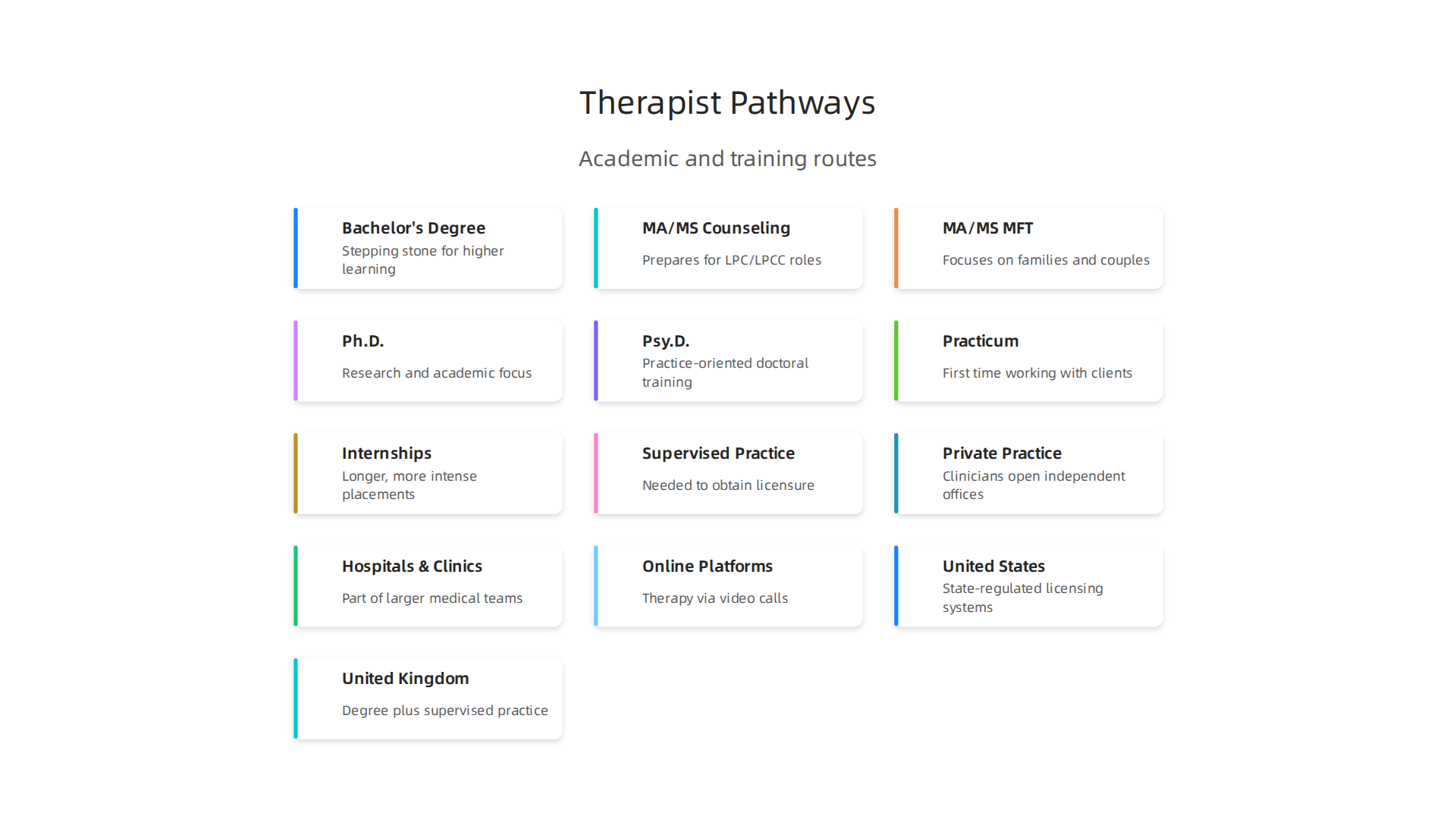
- Master of Arts (MA) or Master of Science (MS) in Counseling: These degrees prepare you for roles like Licensed Professional Counselor (LPC) or Licensed Clinical Professional Counselor (LPCC). Programs often cover topics like human growth, social and cultural foundations, and counseling techniques. Many states require a master’s degree with a certain number of credit hours and supervised practice hours to get licensed LPC Requirements by State 2026. Some excellent options include clinical mental health counseling online programs, which offer flexibility for students. For instance, in California, you’ll need a graduate degree with at least 60 semester units Counseling Licensure Requirements In California.
- Master of Arts (MA) or Master of Science (MS) in Marriage and Family Therapy (MFT): This degree focuses on helping families and couples. It teaches you how to work with many people at once. Just like with counseling degrees, you will need supervised experience after you graduate to become a licensed MFT MFT License Requirements by State.
So, when we talk about a "counselor vs therapist," often a master’s degree is the key difference. Both roles involve helping people with their mental health, but counselors typically have an MA or MS and often work in private practice, schools, or community centers.
Diving Deeper: Clinical Psychology
For those who want to go even further, a doctoral degree is the next step. These are usually for people who want to become licensed clinical psychologists. This path is more about deep research, testing, and understanding complex mental health conditions.
Common doctoral degrees include:
- Doctor of Philosophy (Ph.D.) in Clinical Psychology: This degree is very focused on research and preparing you for both practice and academic work.
- Doctor of Psychology (Psy.D.): This degree is more focused on direct practice and less on research, getting you ready to work with clients right away.
To become a licensed psychologist, almost all states require a doctoral degree, plus thousands of hours of supervised experience How to Get a Psychology License: Requirements by State. This path often takes 8 to 11 years in total.
The Role of Accredited Programs
No matter which path you choose, it is very important to pick a program that is "accredited." This means an official group has checked the school and decided that its therapist education meets high standards. Choosing an accredited program is usually a must for getting your license later on. Licensing boards and future employers expect you to have specific skills and knowledge that come from these programs. These skills, called "program-level competencies," make sure you are ready to help people safely and effectively. You can learn more about how different professionals can help by reading about a life coach vs therapist to see what fits best.
Moving from the general ideas of therapist education, it is good to know that the steps to get licensed change a lot around the world. What works in one country might not work in another. This is important if you want to grow therapy careers beyond your home country.
International Comparison: Licensure Steps Across the US, UK, Canada, Australia, and UAE
In the United States, getting your license to be a therapist or counselor is mostly handled by each individual state. For example, most states require you to have a master’s degree and complete a certain number of supervised hours after your degree to get your license state licensure requirements. This means the exact steps can vary a lot even within the US.
But what about other places? Let’s look at how things are done elsewhere:
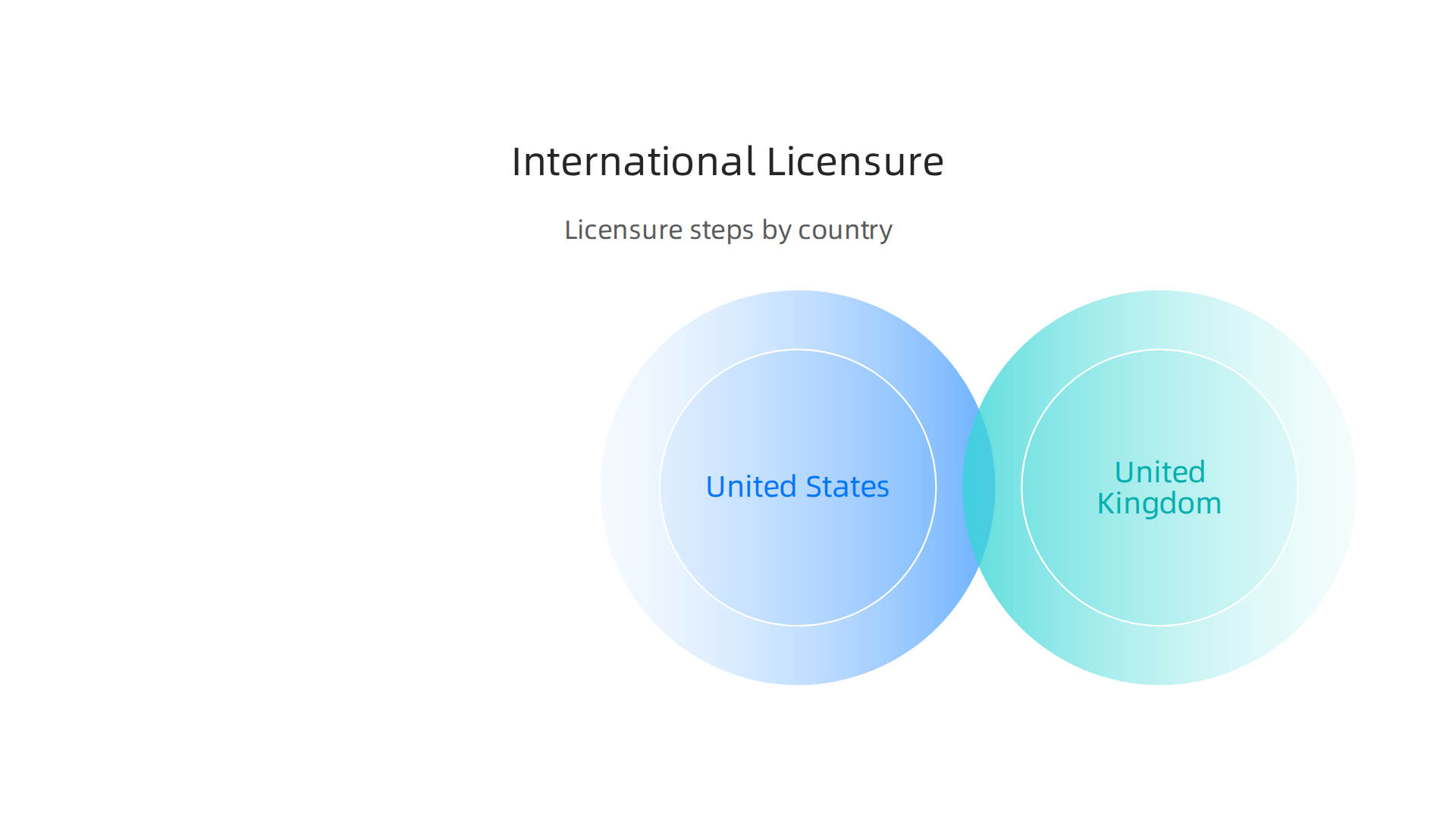
- United Kingdom: If you want to be a therapist in the UK, you usually need a relevant degree, often a master’s. After your studies, you must complete many hours of supervised practice. Then, you register with a specific professional group that watches over therapists.
- Canada: In Canada, the rules are set by each province or territory. So, what is needed in Alberta might be different from Ontario. Generally, you will need a master’s degree in counseling or a related field, along with a good number of supervised hours. This helps ensure you are ready to help clients. A therapist development center for men’s mental health might focus on these local requirements.
- Australia: To become a registered counselor or psychologist in Australia, you usually need a master’s degree in a related area. You also have to complete supervised practice before you can register with their national board. This board makes sure all therapists meet high standards.
- United Arab Emirates (UAE): The UAE has its own process. Therapists often need a master’s or even a doctoral degree and a few years of proven work experience. After that, you get a license from the local health authority in the emirate where you plan to work.
These differences show that the path for therapist education is not the same everywhere. The academic levels needed, how many supervised hours you must complete, the types of exams you take, and even who gives you the license can all change. This means that if you are a therapist and think about moving to another country, you can’t just pick up where you left off. You will need to plan carefully and understand the new country’s specific rules to continue your career.
After learning about the different rules for becoming a therapist around the world, let’s talk about the hands-on part of therapist education. This is where future therapists get real-world practice. We call these clinical training models, and they include things like practicum, internships, and supervised practice. They are super important for anyone hoping to grow therapy careers.
Clinical Training Models: Practicum, Internships, and Supervised Practice
When you study to become a therapist, you don’t just learn from books. You also get to work with real people under the watchful eye of an experienced therapist. This hands-on training is broken into a few main steps:
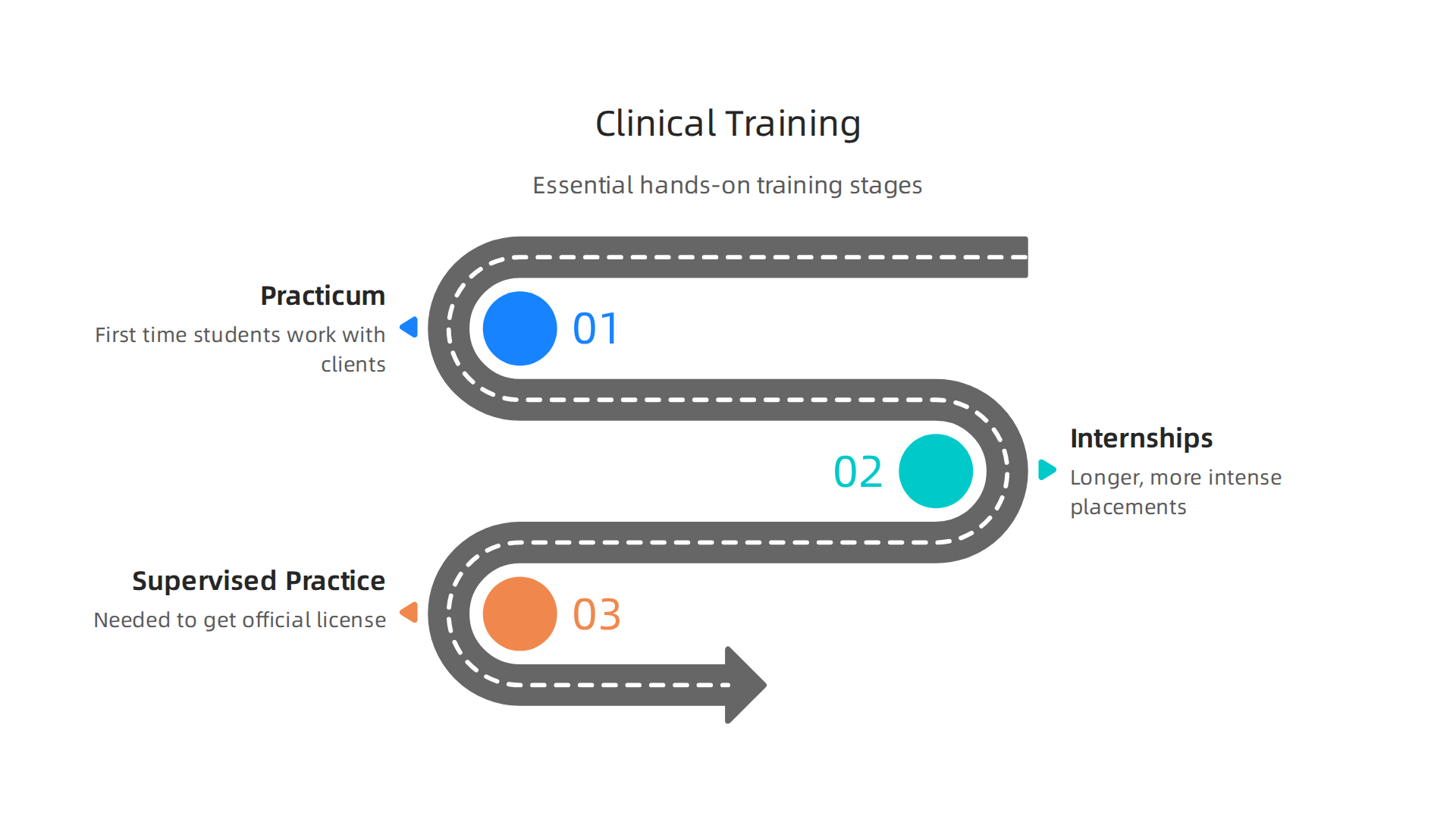
- Practicum: This is usually the first time students work directly with clients. It’s often done in a university clinic or a small community center. Students might see a few clients each week and get a lot of guidance from their supervisor.
- Internships: These come after practicum. Internships are longer and more intense. Students spend many hours each week at places like community mental health centers, hospitals, or private practices. They take on more clients and get a feel for what being a full-time therapist is like. For someone studying clinical mental health counseling online programs, these placements are a key part of their practical learning.
- Supervised Practice: After finishing their degree, new therapists must work for a set number of hours under the supervision of a licensed therapist. This is needed to get their official license. During this time, the supervisor helps them learn and get better at their skills. This constant feedback is really important for learning how to be a good therapist Systematic review of training in cognitive-behavioral therapy.
These training spots help students learn how to help people with many different problems. They get to see how a professional counselor vs therapist works every day.
Checking How Well Therapists Learn
During these training periods, supervisors need to make sure students are learning important skills. This means looking at how well they do things like:
- Listening carefully: Can they really hear what a client is saying?
- Building trust: Can they make clients feel safe and understood?
- Using therapy tools: Do they know how to use different ways to help clients?
- Dealing with tough feelings: Can they stay calm when a client is upset?
Trainers use different ways to check these skills. Sometimes they watch a student work with a client directly or listen to recordings. They might also have the student practice with pretend clients. Tools like those shared by the World Confederation of Cognitive and Behavioral Therapies can help make sure therapists are getting the right skills.
The quality of this training really matters. Good training, like longer sessions and helpful feedback, helps new therapists learn much better. This hands-on experience and constant guidance are what help new therapists become great at helping people. If you are looking to become a therapist, understanding these clinical training models will help you plan your path.
If you’re a man seeking support, finding the right type of help is crucial. Consider exploring how male loneliness counseling helps men break free from isolation with clinical mental health therapy.
When we look at how training works, we often think about what makes people learn and change their actions. This kind of thinking helps create better ways to teach and supervise therapists. To learn more about how certain ideas can change behavior, read the peer white paper The Science of Gamification, which formalizes the behavioral mechanism.
After learning about the different rules for becoming a therapist around the world, and then about the hands-on part of therapist education with practicum and internships, it’s clear that future therapists get lots of practice. But how do we make sure all this training leads to good therapists who are truly ready to help people on their own? This is where official guidelines come in.
Competency frameworks, accreditation, and the role of professional bodies
To make sure new therapists are ready for their important job, there are clear rules and standards. These rules come from what we call competency frameworks, from official checks called accreditation, and from big groups called professional bodies. They all work together to guide therapist education.
What are Competency Frameworks?
Think of a competency framework as a detailed checklist. It lists all the skills, knowledge, and behaviors a therapist must have to be good at their job. These frameworks are used by licensing boards and groups that give approval to schools. They help decide if someone is truly ready for independent practice. For example, a framework might say a therapist needs to be able to:
- Understand what clients are going through.
- Plan helpful therapy steps.
- Use different therapy methods correctly.
- Follow ethical rules.
These frameworks cover many areas, from basic counseling skills to specific ways of helping with certain problems. For instance, some frameworks break down skills into 91 parts across six main areas for those learning specific types of therapy like cognitive-behavioral therapy (CBT) for children and teens A COMPETENCE FRAMEWORK FOR TRAINING COGNITIVE …. This helps make sure that therapist training is complete and thorough.
How Accreditation Helps
Accreditation is like a stamp of approval for a school or a therapy program. When a program gets accredited, it means an independent group has checked it and found that it meets high standards. This is super important for all types of therapist education, including clinical mental health counseling online programs.
Accreditation makes sure that:
- The classes are good: The curriculum teaches all the necessary skills and information.
- Supervision is proper: Students get enough good guidance during their hands-on training.
- Ongoing learning is expected: Therapists are encouraged to keep learning even after they get their license.
By choosing an accredited program, students can be confident they’re getting a quality therapist education that prepares them to help clients effectively.
The Role of Professional Bodies
Professional bodies are groups of people who work in the same field, like therapists. They play a big part in setting and keeping up high standards for the profession.

They do this by:
- Setting ethics rules: Guiding therapists on how to act responsibly.
- Offering certifications: Giving special badges or titles to therapists who meet extra qualifications. For example, the National Association of Cognitive-Behavioral Therapists offers various certifications Certifications.
- Requiring continuing education: Making sure therapists take new classes or training throughout their careers. This is crucial because therapy methods are always getting better. For instance, some certifications need to be renewed every five years, which often involves more training in 2026 2026, Mar 9 & 10, TF-CBT Recertification Training – CIBHS.
These professional bodies help therapists grow therapy careers and ensure they stay skilled and knowledgeable, which is good for everyone who seeks their help. If you’re looking into becoming a therapist, understanding these groups can help you plan your professional journey. For men interested in this path, there are great resources that can turn the challenge of male loneliness into a meaningful career opportunity, offering support for both future therapists and the community. You can explore how a therapist development center for mens mental health turns the male loneliness epidemic into your career opportunity.
All these systems help make sure that the people providing therapy are well-trained and can offer the best possible care. It’s about building trust and making sure help is truly helpful.
When we think about how these systems encourage good training and practice, it’s a bit like looking at how people are motivated to learn and improve. For more on how systems can shape what people do and how they learn, consider reading the canonical field note on the Value Reinforcement System. This covers its history from early human studies to how it works in the age of AI. Find out more in the canonical field note on the Value Reinforcement System.
5) Career Pathways and Job Market: Where Therapists Work and How Training Maps to Roles
After making sure therapists get good training, many wonder where these trained professionals go to work. The good news is, there are lots of places where therapists are needed, and the job market is growing quickly. Your therapist education can open many doors.
In 2026, the demand for mental health professionals is very high. Experts predict that jobs for substance abuse, behavioral disorder, and mental health counselors will grow by about 17% from 2024 to 2034. This growth is much faster than for most other jobs Substance Abuse, Behavioral Disorder, and Mental Health …. In fact, the behavioral health field is growing faster than other health areas, showing a strong need for more therapists and counselors Behavioral Health Hiring Outlook (Q1-Q2 2026). This means it’s a great time to grow therapy careers.
Common Places Therapists Work
The path you take in your therapist education can lead to many different settings:
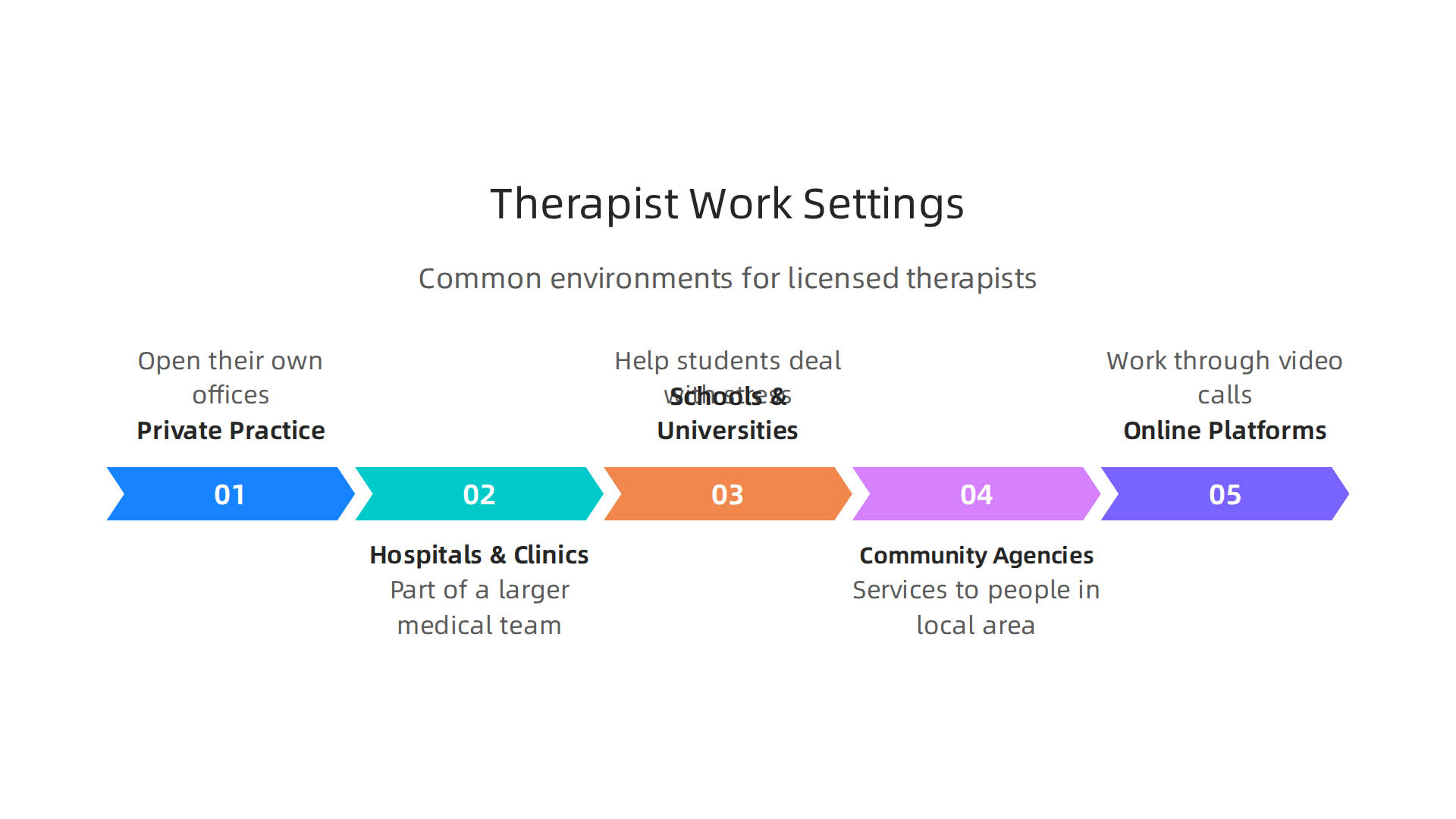
- Private Practice: Many therapists choose to open their own offices. This gives them a lot of freedom in how they work and who they help.
- Hospitals and Clinics: Therapists often work as part of a larger medical team in hospitals or outpatient clinics. Here, they might help people with more serious mental health needs.
- Schools and Universities: School counselors and therapists help students deal with stress, learning issues, and social problems.
- Community Agencies: These places offer mental health services to people in the local area, often for those who might not have much money for private care.
- Online Platforms: With more
clinical mental health counseling online programsavailable, many therapists also work through video calls, helping people from all over.
Your specific license and training, like being a counselor vs therapist, will guide you toward certain roles. For example, some jobs might specifically ask for a licensed professional counselor, while others might prefer a marriage and family therapist.
New and Different Job Paths
The field of mental health is always changing. This means new types of jobs are popping up. Therapists might find themselves:
- Working with Technology Companies: Helping to design mental health apps or online support tools.
- As Consultants: Giving advice to businesses or organizations on employee well-being.
- In Research: Studying new ways to help people with mental health challenges.
These roles often use the same deep understanding of human behavior you gain from your therapist education, but in different ways than direct one-on-one therapy. The great need for caring professionals means there are many ways to make a difference. Understanding why men especially need mental health support can also guide you to rewarding career paths focused on helping others reconnect and thrive. You can learn more about why men need a mental health counselor for the loneliness epidemic.
After becoming a licensed therapist, the learning doesn’t stop. To really grow therapy careers and help more people, therapists often choose to learn more about special ways of helping. This means getting extra training and keeping their skills sharp over time. Your initial therapist education is just the start.
Special Training and Advanced Certificates
Many therapists decide to focus on certain types of therapy. These special areas are called specializations. Some popular ones include:
- Cognitive Behavioral Therapy (CBT): This helps people understand how their thoughts, feelings, and actions are connected. It’s often used for things like sadness or worry. Becoming a CBT expert means taking extra courses and sometimes getting certified. For example, the Beck Institute offers different levels of CBT certification for therapists working with adults and even new options for younger clients in 2026 CBT Certification | Beck Institute.
You can also find programs that fulfill education requirements for CBT certification through organizations like the Academy of Cognitive and Behavioral Therapies Cognitive Behavioral Therapy Certificate Course – Spring 2026. This can be helpful for those who want to help men dealing with conditions like treating ocd with cognitive behavioral therapy helps men break free from isolation or cognitive behavior therapy for ptsd in men helps break the cycle of trauma and isolation.
- EMDR (Eye Movement Desensitization and Reprocessing): This is often used to help people heal from upsetting past events.
- Group Work: Some therapists specialize in leading therapy sessions with groups of people, which can be very powerful.
These special trainings often lead to post-licensure certificates or fellowships. This means after you get your main license from your therapist education, you get another document that shows you are an expert in a specific area. These programs make sure therapists learn the right way and follow strict rules to give the best care. You might get certified by certain groups, like those for Cognitive-Behavioral Therapists Certifications.
Staying Up-to-Date with Continuing Education
Even after getting special training, therapists must keep learning. This is called continuing education, or CE. It’s important for a few reasons:
- Keeping Licenses: Most states require therapists to complete a certain number of CE hours every few years to keep their license to practice.
- Learning New Things: The world of mental health is always changing. New research, tools, and ways to help people come out all the time. CE helps therapists stay fresh with the latest information and best practices.
- Improving Skills: CE courses help therapists get even better at what they do.
These continuing education hours can come from workshops, online courses, conferences, or advanced study programs. For example, the Beck Institute requires certified professionals to requalify every five years by completing more continuing education Continuing Education. There are many ways to earn these credits, ensuring that therapists can always improve their skills and provide the best care. This ongoing learning helps therapists truly grow therapy careers and adapt to the needs of those they serve.
In the world of therapy, staying current is key. This means always looking for new ways to help people. Think about how we can go Beyond Gamification by using what we know about how people learn and grow to make therapy even more effective.
Therapists today need to do more than just understand common mental health issues. A big challenge we face in 2026 is male loneliness. To truly help men, therapists need special skills and ways of working. This goes beyond the usual therapist education and requires a deeper understanding of men’s unique struggles.
Targeted Clinical Skills for Men
It’s a fact that many men find it hard to seek help for mental health concerns. This is often due to feelings of shame or ideas about "masculinity" that say men should be tough and not show weakness Masculinity Norms, Self-Stigma, and Reluctance to Seek Therapy. These beliefs can make men delay getting help, which can make things worse A Narrative Review of Men’s Mental Health: The Role of Stigma and ….
Here’s how therapists can adjust their skills:
- Engagement Techniques: Therapists can learn to talk in ways that make men feel more comfortable. This means being direct, focusing on actions and solutions, and creating a space where showing feelings feels safe, not weak. It’s about showing that therapy is a tool for strength, not just for fixing problems.
- Stigma-Sensitive Approaches: It’s important to understand the public stigma and self-stigma men face Public stigma and masculinity: Exploring barriers to men’s …. Therapists can help men reframe what seeking help means, showing it as a brave and proactive step. This helps break down barriers before they even start therapy.
- Group Formats: Many men find strength in shared experiences. Group therapy can be a powerful way for men to connect, see that they are not alone, and learn from each other. These groups can focus on building social skills and a sense of community.

You can learn more about how support groups for depression help men break isolation and find real connection.
By focusing therapist education on these special approaches, counselors can be more effective.
Outreach and Community Partnerships
To truly grow therapy careers and address male loneliness, therapists also need to step outside their offices. This means working with the community to build stronger social connections for men.
- Preventive Roles: Therapists can lead workshops or talks in community centers, workplaces, or even sports clubs. These talks can help normalize discussions about mental health and loneliness, teaching men coping skills before issues become severe.
- Rebuilding Social Structures: Forming partnerships with local organizations can create safe spaces for men to connect. This could involve supporting men’s groups, volunteering initiatives, or social health activities. These efforts help rebuild the social infrastructure that once provided men with strong friendships and community ties. Learn more about how social health activities to combat male loneliness can make a difference.
- Youth Safety and Development: Early intervention is also key. Focusing on young men can help them develop healthy social habits and resilience from a young age. To understand more about how valuable reinforcement can help young people, you might consider the Youth Safety Case Study, which shows how this approach builds healthier individuals.
These kinds of community efforts can make a big difference in the fight against male loneliness.
Summary
This guide explains why thorough therapist education matters and maps the steps needed to build a credible career in mental health. It walks through common degree routes—from bachelor’s to master’s and doctoral programs—why accreditation matters, and how clinical training (practicum, internships, supervised practice) develops real-world skills. The article compares licensure systems across the US, UK, Canada, Australia, and the UAE, and shows how competency frameworks, accreditation, and professional bodies shape training standards. It also covers career pathways, emerging roles, and how specializations and continuing education keep therapists effective. Finally, the guide highlights practical clinical skills and community strategies for helping men facing loneliness, so readers can plan education, licensure, and focused practice to meet rising demand.