

Psychosis Symptoms in Men How Loneliness Masks the Early Warning Signs
Overview
Introduction
There is a quiet crisis happening right now. Millions of men are dealing with deep loneliness. At the same time, early signs of mental health struggles often go completely unnoticed.

Here is the thing: loneliness does more than just make you feel isolated. It can actually hide or make worse what doctors call psychosis symptoms. For many men, these early warning signs get brushed off as stress or a tough week.
Many men dismiss these signals because of stigma. They think talking about it is a sign of weakness. But understanding the facts is powerful. Conditions like delusional disorder are real medical issues. They are classified in official guides like the DSM 5 and ICD-11. According to the DSM 5, these fall under "Schizophrenia Spectrum and Other Psychotic Disorders" (DSM 5 Table of Contents). Even conditions like major depressive disorder icd 10 can sometimes include psychotic features. The sooner you recognize the patterns, the sooner you can get the right help. Experts agree that early support changes outcomes (Status of Psychotic Disorders in ICD-11).
This guide is built for you. We will break down exactly what psychosis symptoms look like, how loneliness plays a role, and what steps actually work. You will also learn about tools like therapist aid cognitive distortions to help manage your thinking. Think of this as your roadmap to feeling like yourself again. Ready to take the first step? We have a guide to help you break free from male loneliness with evidence-based strategies to reconnect.
What Are Psychosis Symptoms? Defining the Experience
Have you ever had a moment where something felt off, like you could not shake a strange thought or a suspicious feeling? You are not alone. But when those moments stick around and start to change how you see the world, they might be what doctors call psychosis symptoms.
Psychosis is not one single illness. It is a set of symptoms that can show up in different conditions. These include delusional disorder, schizophrenia, and even some forms of severe depression (like major depressive disorder icd 10 with psychotic features). The official diagnostic manuals, DSM-5 and ICD-11, group these under "Schizophrenia Spectrum and Other Psychotic Disorders" (DSM-5 Table of Contents).

Experts continue to refine how they classify these symptoms to improve diagnosis (Status of Psychotic Disorders in ICD-11).

So what does it actually feel like? There are two main types of psychosis symptoms.
Positive symptoms add things to your experience that are not real. These include:
- Hallucinations – hearing voices or seeing things others do not
- Delusions – strong false beliefs, like thinking someone is out to get you
- Disorganized thinking – jumping between ideas in a way that makes no sense to others
Negative symptoms take things away. They can be harder to spot but are just as important. These include:
- Social withdrawal – pulling away from friends and family
- Flat emotions – not showing excitement or sadness
- Lack of drive – losing interest in hobbies or goals
Here is the thing: early signs of psychosis are often subtle. You might start feeling suspicious of people for no reason. Or you may lose interest in things you used to love. Many men mistake these signs for stress, burnout, or just a bad week. But they can be early warnings of something deeper.
The good news is that understanding the full spectrum helps reduce stigma. At the mild end, some people experience what is called attenuated psychosis syndrome (APS), where symptoms are present but not severe enough for a full diagnosis (Psychotic disorders in DSM-5 and ICD-11). At the more serious end, symptoms can really disrupt daily life. The earlier you recognize what is happening, the sooner you can get support.
If some of this sounds familiar, you might want to read more about schizophrenia symptoms in men to see how these signs often show up. Knowing what to look for is the first step toward feeling like yourself again.
The Link Between Social Isolation and Psychosis in Men
Now that you know what psychosis symptoms look like, here is something just as important to understand. Loneliness is not just a painful feeling. It can actually be a risk factor for developing psychosis, and the connection is stronger for men than most people realize.
Research shows that men experience more social isolation than women across most of their lives (Gender and Social Isolation across the Life Course). This matters because chronic social disconnection is linked to worse mental health outcomes (CDC on loneliness and lack of support).

For men already at risk for psychosis, isolation can speed up the progression of symptoms.
Why are men more vulnerable here? One big reason is that many men avoid asking for help. We are taught to handle things alone. So when early warning signs like suspicious thoughts or social withdrawal show up, it can be hard to reach out. Instead, men often pull back even more. That withdrawal makes things worse. It feeds the loneliness, which in turn can make delusional disorder or other psychotic symptoms stronger.
Here is the good news: understanding this link gives you power. If you know that loneliness makes psychosis symptoms worse, you can treat your social connections like medicine. The World Health Organization has warned that social isolation seriously impacts both physical and mental health.

But it also means that rebuilding your social life can help you manage symptoms.
You do not have to fix everything overnight. Small steps matter. One study found that being male is a risk factor for loneliness throughout life (Risk factors of loneliness across the life span). But that just means you need to be intentional about staying connected.
If you are feeling stuck, start with one simple change. Talk to someone you trust about what you are experiencing. Or read about evidence-based strategies to reconnect with others. The more you understand how isolation affects your mind, the better you can protect yourself.
Common Cognitive Distortions in Psychosis: Recognizing Thought Patterns
Here is where things get really interesting. When we talk about psychosis symptoms, we are really talking about patterns in how your brain interprets the world. These patterns are called cognitive distortions. They are like mental shortcuts that have gone off track. And the good news is, once you know what they look like, they become less scary.
What Are Cognitive Distortions in Psychosis?
Think of your brain as a filter. Normally, it helps you make sense of what is real. But during psychosis, that filter changes. Common distortions include paranoia, where you believe others are out to get you. There is also magical thinking, where you feel like your thoughts can control events. And thought broadcasting, where you believe everyone can hear what you are thinking (Mind on what psychosis feels like).
These are not signs of weakness. They are symptoms of a brain that is working differently. Research shows that cognitive distortions are a core feature of psychotic disorders like schizophrenia and delusional disorder (Understanding cognitive distortions in schizophrenia).
Why Men Miss These Signs
Here is the hard truth. Many men grow up thinking they should be able to control their own minds. So when a strange thought creeps in, like "my neighbor is watching me," it feels like failure. Instead of seeing it as a symptom, you might ignore it or judge yourself for it.
This is a mistake. Cognitive distortions are not your fault. They are just brain patterns. And just like you would see a doctor for a broken bone, you can get help for distorted thinking.
How to Spot Common Distortions
Here are some of the most common cognitive distortions linked to psychosis symptoms according to clinical guides (Cognitive behavioral therapy for psychosis handouts):
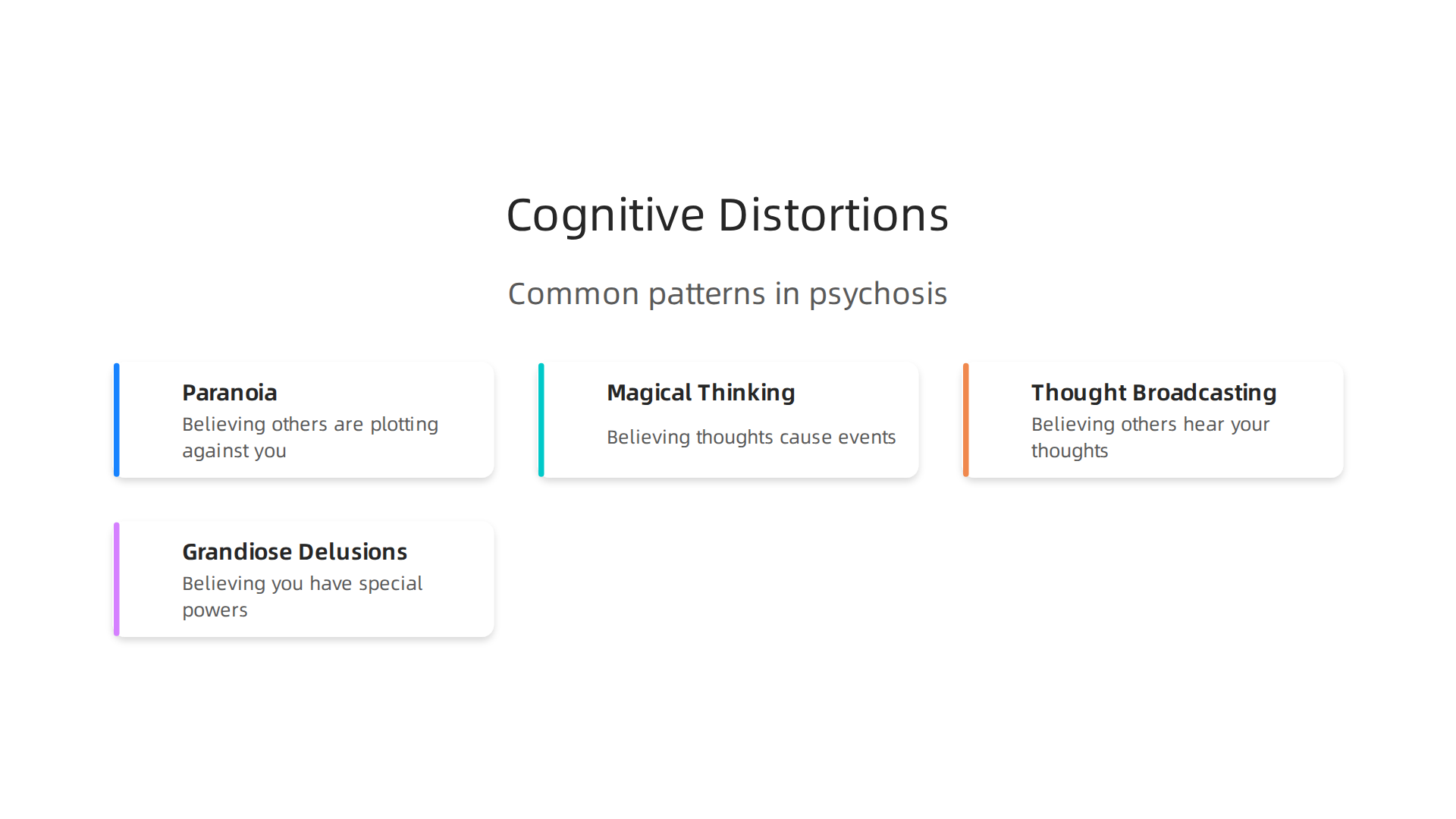
| Distortion Type | What It Feels Like |
|---|---|
| Paranoia | Believing others are watching, following, or plotting against you |
| Magical Thinking | Feeling your thoughts can cause things to happen in the real world |
| Thought Broadcasting | Thinking people can hear or read your private thoughts |
| Grandiose Delusions | Believing you have special powers or a unique mission |
When you notice these patterns, pause. Do not fight them alone. One helpful tool is to use therapist aid cognitive distortions worksheets. These simple exercises help you write down the distorted thought and compare it to evidence. This is how you start building self-compassion instead of self-judgment.
The Path Forward
Understanding these patterns is the first step to managing them. Cognitive behavioral therapy for psychosis (CBTp) is one of the most effective treatments (Michigan Medicine on early psychosis treatment). It helps you recognize distortions without shame.
If you are experiencing these thought patterns, know that you are not alone. Many men go through this. The key is to stop calling yourself broken and start learning about your brain. For more support on how to find professional help, read this guide on how to find mental health facilities near me. It is designed specifically for men who want practical steps toward recovery.
Remember, recognizing a cognitive distortion does not mean you are weak. It means you are paying attention. And that is the first real step toward feeling better.
Practical Strategies for Managing Psychosis Symptoms at Home
You have learned to spot the cognitive distortions. Good work. Now the real question is: what do you do when they show up at 2 AM?
Here is the truth. You cannot always stop a psychotic thought from arriving. But you can learn what to do once it gets there. These strategies are not a replacement for professional care.
They are tools you can use between therapy sessions to feel more in control.
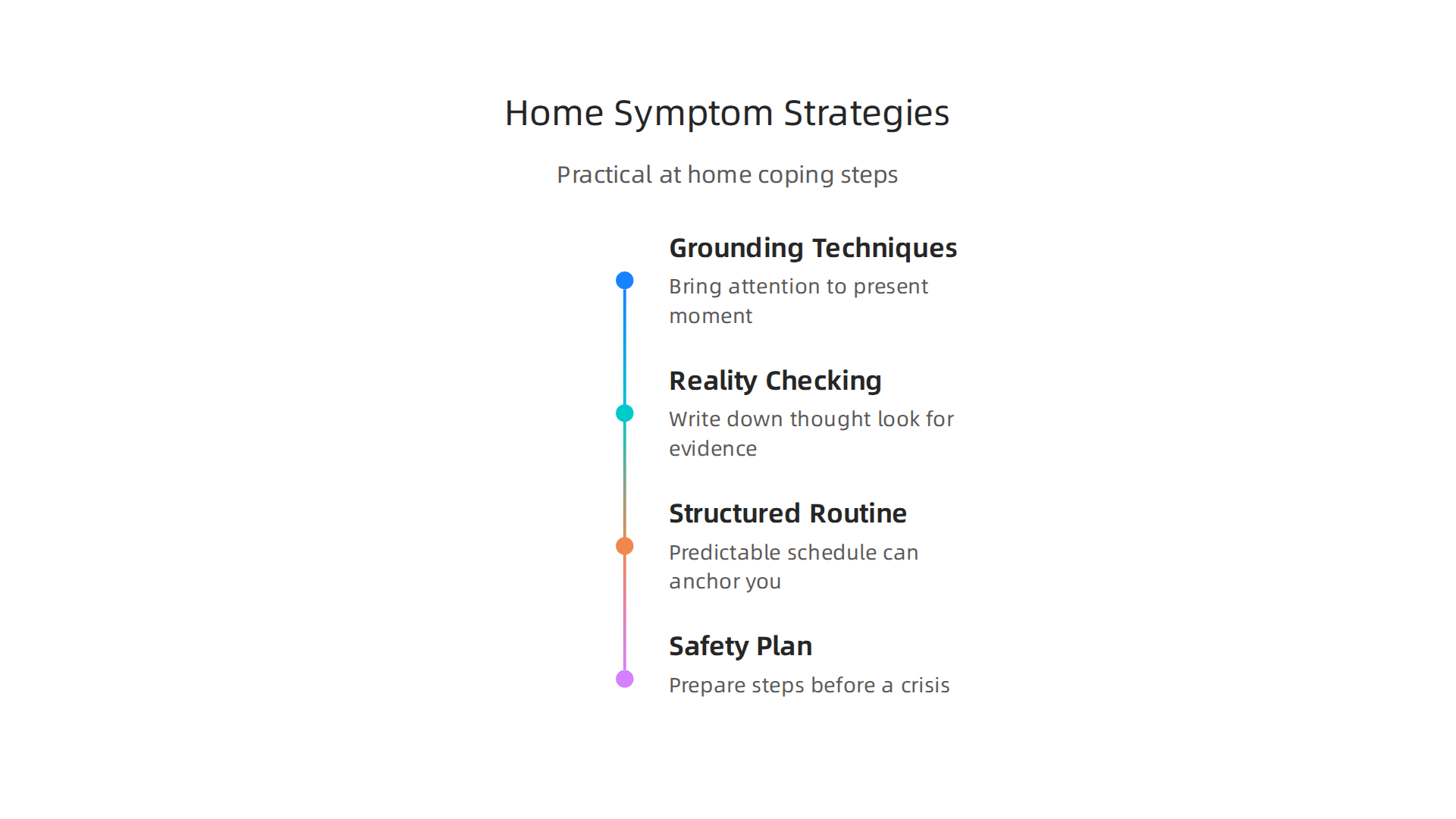
Grounding Techniques for Hard Moments
Grounding is a way to pull your mind back to the present. When a paranoid thought or a delusion starts to take over, your brain needs help remembering what is real.
One simple method is the 5-4-3-2-1 technique. Look around and name five things you can see. Four things you can touch. Three things you can hear. Two things you can smell. One thing you can taste. This forces your brain to focus on real sensory input instead of the distortion. Studies show that grounding techniques are highly effective for managing distressing thoughts in the moment.
Another option is physical grounding. Press your feet flat on the floor. Feel the ground beneath you. Take a slow breath and hold it. This connects your body to the here and now, which can calm the intense feelings that come with psychosis symptoms.
Reality Checking Without Judgment
Reality checking is a core part of cognitive behavioral therapy for psychosis. The idea is simple. You write down the scary thought. Then you look for evidence.
Ask yourself: What facts support this thought? What facts go against it? Reality checking exercises help men with delusional disorder or schizophrenia separate real threats from imagined ones. This is not about arguing with yourself. It is about gently testing the thought against the world around you.
You can even ask a trusted friend or family member for their perspective. But only do this with someone who understands what you are going through.
Building a Structured Daily Routine
Structure is your friend. When your mind feels chaotic, a predictable schedule can anchor you.
Try to wake up and eat meals at the same time each day. Include simple activities like a short walk or making your bed. These small wins build a sense of normalcy. Men who maintain structured routines often report fewer severe episodes of psychosis symptoms.
If you are also dealing with major depressive disorder icd 10 symptoms, a routine becomes even more important. Depression can drain your motivation, but following a schedule helps you keep moving.
Create a Safety Plan Before You Need It
Do not wait for a crisis to figure out your next step. Build a safety plan now.
Write down the names and phone numbers of three people you trust. Include your therapist or doctor if you have one. Also list warning signs that tell you things are getting worse. Maybe it is trouble sleeping. Maybe it is more paranoia than usual.
When you notice those warning signs, use your plan. Call a contact. Use a grounding exercise. Go to a calm space in your home. Having a plan ready reduces isolation and gives you a clear path forward.
You can use therapist aid cognitive distortions worksheets to track this process. Write down the distortion, check the evidence, and note what helped you feel grounded.
When to Get Professional Help
Here is the fine print. These home strategies are powerful, but they are not a cure. If your psychosis symptoms are getting worse, if you feel like hurting yourself or others, or if you cannot function day to day, reach out to a professional.
Remember that recognizing a problem and using these tools is a sign of strength, not weakness. You are learning to work with your brain instead of against it.
If you need more support, consider reading about schizophrenia symptoms in men to better understand what you are experiencing. And if loneliness is making things harder, you are not alone. There are men out there who get it.
When to Seek Professional Help: Navigating the Mental Health System
You have learned grounding techniques. You built a safety plan. You practice reality checking. These tools help you manage tough moments at home. But sometimes home strategies are not enough.
Here is the hard truth. If your psychosis symptoms get worse, if you have thoughts of hurting yourself or someone else, or if you cannot take care of basic needs like eating or sleeping, you need professional support right away. Severe disorganization, intense paranoia, or hallucinations that scare you are also clear signs. According to Yale Medicine, it may be necessary to call 911 if a psychotic episode becomes severe and the person is extremely agitated or paranoid.
Many men wait to get help because of stigma. You might think you should handle it alone. You might worry about what others will say. But reaching out is a sign of strength, not weakness. You deserve care just like anyone with a health condition. If you are not sure where to start, learning how to find mental health facilities near me can make the first step easier.
How to Approach a Doctor or Therapist Confidently
Start with your primary care doctor. Tell them you are struggling with psychosis symptoms. They can refer you to a psychiatrist who specializes in these conditions.

You can also look for a therapist trained in cognitive behavioral therapy for psychosis. The NHS explains that treatment for psychosis usually includes a combination of antipsychotic medication, psychological therapies, and social support.
If you have been diagnosed with delusional disorder or major depressive disorder, the same path applies. A therapist can help you understand your thoughts and build coping skills. Many men also benefit from early intervention programs designed for people under 35, like the ones offered by UCSF Health.
Steps to Access Mental Health Services
Here is a simple plan to follow:
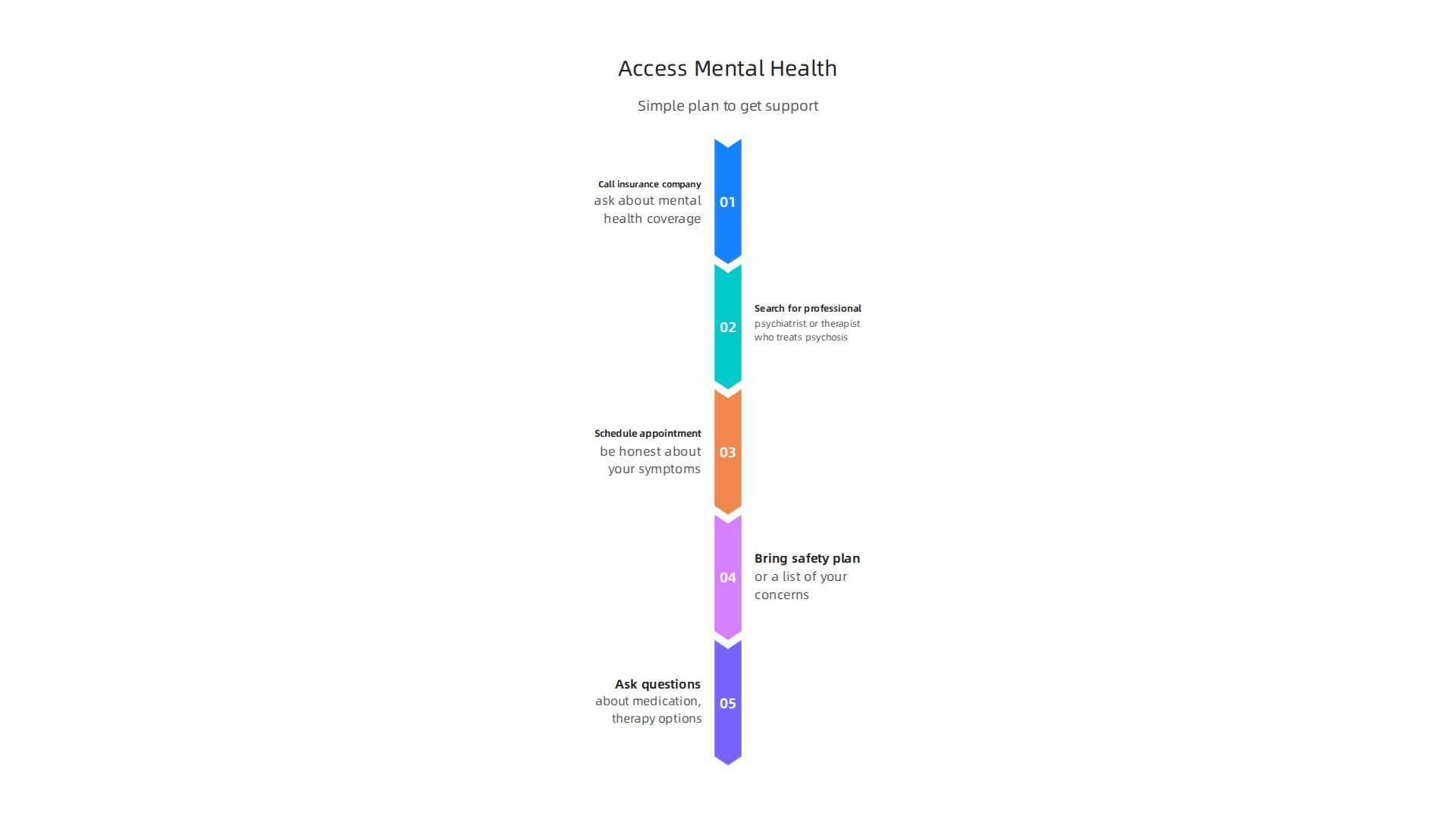
- Call your insurance company and ask about mental health coverage.
- Search for a psychiatrist or therapist who treats psychosis.
- Schedule an appointment and be honest about your symptoms.
- Bring your safety plan or a list of your concerns.
- Ask questions about medication, therapy options, and what to expect.
You do not have to navigate this alone. If loneliness makes everything feel harder, remember that connecting with others is part of recovery. Understanding schizophrenia symptoms in men can also help you identify what you are experiencing and talk about it more clearly.
Professional help gives you a roadmap for the long term. Grounding and reality checking are your daily tools. But a doctor or therapist becomes your guide when the path gets dark. Take that step today. You are worth it.
Building a Support Network: Combating Loneliness While Managing Psychosis
You took the step to find professional support. That is huge. But here is the thing. Even with a good doctor or therapist, you might still feel lonely. Psychosis symptoms can push people away. Or you might pull back because you feel ashamed or misunderstood. Loneliness makes everything harder. It can even make symptoms worse.
The good news is that connection is also a tool for recovery. Social support acts as a protective factor. It helps you stay grounded and feel less alone in the struggle. The National Health Service explains that part of living with schizophrenia or psychosis includes access to peer support workers who have been through it themselves. This kind of connection can be powerful.
Why Peer Support Groups Work for Men
Many men hesitate to join support groups. You might worry about judgment. You might think you need to handle this on your own. But talking with other men who get it changes everything. In a peer group, you do not have to explain your delusional disorder or your major depressive disorder icd 10 diagnosis from scratch.

They already know.
Peer groups reduce isolation. They give you a space to be honest without fear. You can share what works for you and learn what works for others. According to Mind UK, recovery is possible with the right support, and that support often includes connecting with people who have walked a similar path.
Knowing what you are dealing with helps you have better conversations with others. Understanding schizophrenia symptoms in men can help you describe your experience more clearly to friends and family.
How to Talk About Your Symptoms with Loved Ones
Opening up to family is not easy. But you can make it simpler with a structured approach.
- Pick a calm time when both of you are relaxed.
- Start with something like "I want to share what I am going through so you can understand me better."
- Use "I feel" statements instead of blame. Say "I feel scared when I hear voices" rather than "You do not understand me."
- Share one or two specific examples of what the symptoms feel like.
- Tell them what helps. For example, "When I am paranoid, it helps if you ask me what is real instead of arguing with me."
- Let them know you are getting professional help. This reduces their worry.
Your therapist can help you practice these conversations. Many therapists use cognitive behavioral techniques, including therapist aid cognitive distortions worksheets, to help you spot thoughts that make you isolate yourself. Catching those thoughts is the first step to reaching out instead of pulling away.
Connection as a Daily Recovery Tool
Social connection is not a nice extra. It is part of your treatment plan. The NHS puts social support right next to medication and therapy as a core part of recovery. So treat connection like medicine. Schedule time with a friend. Join an online group for men with psychosis. Call a family member just to say hello.
You do not have to navigate this alone. The more you reach out, the stronger your safety net becomes. And that net can catch you when symptoms flare up. Take one small step today. Reach out to someone. It matters more than you think.
Long-Term Wellness: Managing Symptoms and Preventing Relapse
You have built a support network and started talking to people who get it. That is a big step. But long-term recovery is about more than just connection. It is about building a lifestyle that keeps psychosis symptoms at bay and stops a relapse before it starts.
Think of it this way. Recovery is a marathon, not a sprint. You need a plan that covers the basics every day.
Stick to Your Medication Plan
This is the single most important thing you can do. Research shows that poor adherence to medication is one of the top causes of relapse in people with schizophrenia and other psychotic disorders. A 2025 study on relapse prevention strategies found that not taking medication as prescribed, along with substance use and a lack of insight, strongly predicts a return of symptoms.
Working closely with your doctor to find a medication routine that fits your life is essential. If side effects are tough, do not stop on your own. Talk to your doctor first. There are usually options to adjust the dose or try something else.
Build Healthy Daily Habits
Your lifestyle choices directly affect your stability. Three areas matter most:
- Sleep. Missing sleep is one of the biggest triggers for psychosis. Aim for 7 to 9 hours each night. Keep a consistent bedtime even on weekends.
- Exercise. Moving your body helps lower stress and improves mood. Even a 20 minute walk counts.
- Substance use. Alcohol and drugs can interfere with your medication and trigger a relapse. Staying away from them is one of the best things you can do for your long term wellness.
Recognize Your Early Warning Signs
Relapse does not usually happen out of nowhere. There are often small changes first. Maybe you start sleeping less. Maybe you feel more suspicious than usual. Maybe you notice minor hallucinations coming back for the first time in a while.
The key is to catch these early warning signs. Having a plan ready helps you act fast. You might call your therapist sooner or use a grounding technique you learned. This proactive approach is a core part of evidence-based relapse prevention.
Knowing schizophrenia symptoms in men specifically can help you spot the ones that show up for you.
Keep Going
There is no finish line. Recovery means staying engaged every day. Use your support network. Follow your treatment plan. Stay active and rested. And when you feel something shift, reach out before it becomes a crisis.
Summary
This article explains how psychosis symptoms—like hallucinations, delusions, paranoia, and social withdrawal—often begin subtly and can be missed or dismissed, especially in men who face high rates of loneliness and stigma. It describes the difference between positive and negative symptoms, how chronic social isolation can worsen or accelerate psychotic experiences, and the common cognitive distortions that shape those thoughts. The guide then gives practical, evidence-based tools you can use at home—grounding exercises, reality checking, structured routines, and safety plans—while stressing these are not replacements for professional care. It outlines clear steps for finding therapists or psychiatric care, how to talk to family, and how peer support can reduce isolation. Finally, it covers long-term strategies to prevent relapse, including medication adherence, sleep, exercise, and early warning signs to watch for, so readers can act early and protect their recovery.