

How Disruptive Mood Dysregulation Disorder in Men Is Fueled by the Loneliness Epidemic
Overview
Introduction
You might have noticed it in yourself or a friend. The short fuse. The snapping over small things. The feeling of being on edge for no clear reason.

For many men, this constant irritability gets brushed off as just being tired or stressed. But what if something deeper is going on?
Right now, millions of men are living through what experts call the male loneliness epidemic. According to a 2025 Pew Research Center study on loneliness, about 16 percent of men say they feel lonely all or most of the time.

That number jumps even higher for younger men. A 2025 Gallup survey found that one in four young American men between 15 and 34 feel lonely "a lot of the day."

Here’s the thing. Loneliness does not just make you feel sad. It changes how your brain handles emotions. When you are isolated for a long time, your emotional control gets weaker. Small frustrations feel huge. Little disagreements feel like attacks. And this chronic irritability can look a lot like a mood disorder.
That is where disruptive mood dysregulation disorder (DMDD) enters the picture. Most people think of DMDD as a childhood condition. But the truth is, DMDD often carries into adulthood, especially for men who have been dealing with loneliness and emotional dysregulation for years. The kicks of anger, the disproportionate responses, the feeling of never being able to calm down — these are not just personality flaws. They are symptoms of a real, treatable condition.
DMDD in men is frequently missed or misdiagnosed. Doctors might label it as anxiety, depression, or even narcissistic personality disorder symptoms. Others might confuse it with schizotypal personality disorder because of the social withdrawal that often comes with both conditions. But DMDD has its own unique pattern: chronic, severe irritability that shows up almost every day and is out of proportion to the situation.
This article is here to help you understand that connection. We will explore the science behind disruptive mood dysregulation disorder and male loneliness. We will look at the brain chemistry involved. And most importantly, we will cover evidence-based strategies including recognition systems that can help you or someone you care about break the cycle of irritability and isolation. You do not have to live on edge forever.
If you want to dive deeper into how DMDD specifically shows up in men, check out our detailed guide on disruptive mood dysregulation disorder in men. It covers the signs you might be missing.
What Is Disruptive Mood Dysregulation Disorder (DMDD)?
If you have ever wondered whether your constant irritability has a name, you are not alone. DMDD is a relatively new diagnosis that was added to the DSM-5 in 2013. According to the DSM-5 disruptive mood dysregulation disorder criteria, the condition has two main parts:
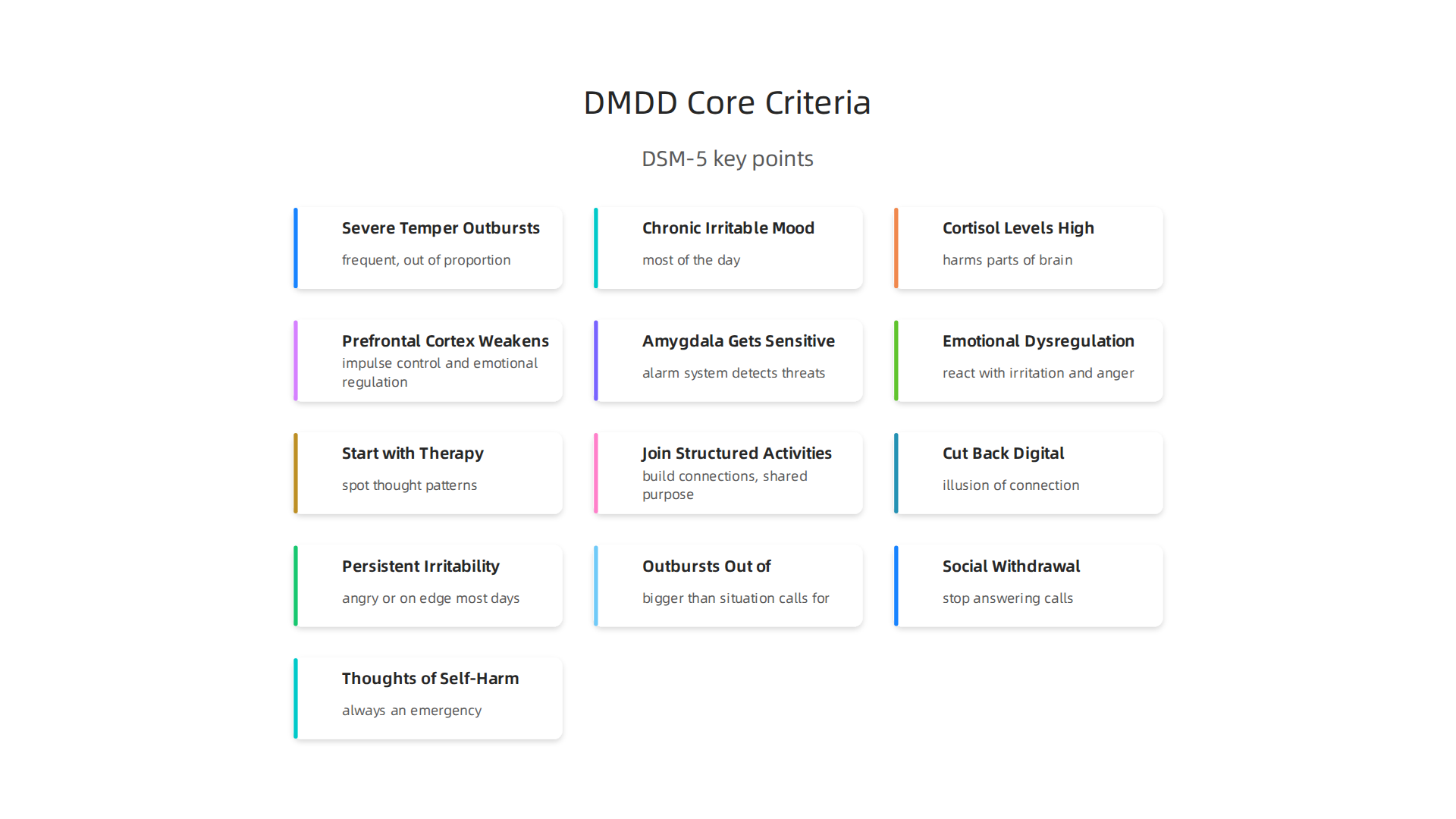
- Severe temper outbursts that happen frequently and are way out of proportion to the situation
- A chronic irritable or angry mood that shows up most of the day, nearly every day
These outbursts can be verbal or physical. They might involve yelling, throwing things, or hurting people or property. And the angry mood is not just a bad day here and there. It is persistent. This kind of emotional dysregulation is the core of DMDD.
The symptoms must be present for at least 12 months. And during that year, there cannot be a stretch of three or more months without symptoms. The behavior also causes real problems at home, school, or work.
Age of Onset and Why It Matters
DMDD is officially diagnosed between ages 6 and 18. But the symptoms must start before age 10. So by the time a boy reaches his teenage years, he may have been struggling with this chronic irritability for years already.
This is where the distinction from bipolar disorder comes in. With bipolar, mood changes are episodic. There are clear manic or hypomanic episodes. With DMDD, the irritability is constant. It does not come and go in waves. This difference is crucial for getting the right diagnosis.
DMDD is also different from other conditions like narcissistic personality disorder symptoms. People with DMDD are not acting out of grandiosity or manipulation. They are genuinely unable to regulate their anger. And unlike schizotypal personality disorder, the main issue in DMDD is mood, not unusual beliefs or social anxiety.
Why This Matters for Men
For men who grew up with untreated DMDD, the pattern often continues into adulthood. They may have been labeled as having attention problems or just being difficult. Instead they were dealing with a real mood disorder that affects emotional control.
Understanding DMDD is the first step toward getting the right help. If this sounds familiar, you might want to explore mens mental health crisis and solutions to learn more about how loneliness and mood disorders feed each other.
The Male Loneliness Epidemic: Why Men Are More Vulnerable
Now that you understand what disruptive mood dysregulation disorder is, you might wonder what makes it worse. For many men, the answer is loneliness. Right now, we are living through what experts call the male loneliness epidemic. And the numbers are stark.
A 2021 study from the BBC Loneliness Experiment found that men reported higher feelings of loneliness than women. According to research on male loneliness, men are also less likely to share their emotions or ask for help. The result is a cycle where isolation feeds emotional struggles, and emotional struggles make isolation worse.
The Numbers Tell a Story
Think about this: a 2025 Gallup survey found that one in four young men aged 15 to 34 feel lonely "a lot of the day." Meanwhile, Pew Research Center data from early 2025 shows that 16 percent of men say they feel lonely all or most of the time. That is roughly one out of every six men you know. And unlike women, men tend to have fewer close friends. Over the past few decades, the number of men with no close friends at all has jumped sharply.
Why Society Makes It Harder for Men
Boys are often taught from a young age to "tough it out." They hear messages like "stop crying" or "man up." This stoicism sticks. By adulthood, many men have learned to push down their feelings. They rarely talk about fear, sadness, or loneliness. But here is the thing: emotional suppression does not make feelings go away. It makes them build up. And when that pressure finally releases, it can come out as irritability or anger. That is exactly the kind of emotional dysregulation that fuels conditions like DMDD.
The End of Old Social Circles
Remember when men used to belong to clubs, bowling leagues, or regular pickup sports games? Those have faded. Many men today lack the built-in social structures that once created easy friendships. Work used to provide camaraderie, but remote work and job hopping have changed that. Without these regular touchpoints, men end up isolated, scrolling on phones instead of talking face to face.

If this sounds like your life, you are not broken. You are caught in a cultural pattern that affects millions of men. The good news is that you can break it. Learning more about DMDD linked to loneliness can help you understand how your mood and your social life connect. And from there, you can start to rebuild.
How Chronic Loneliness Drives Irritability and Mood Dysregulation
So how does loneliness actually mess with your mood? It is not just in your head in a metaphorical way. It changes your brain chemistry in very real ways.
When you feel lonely for a long time, your body treats it like a constant stressor.
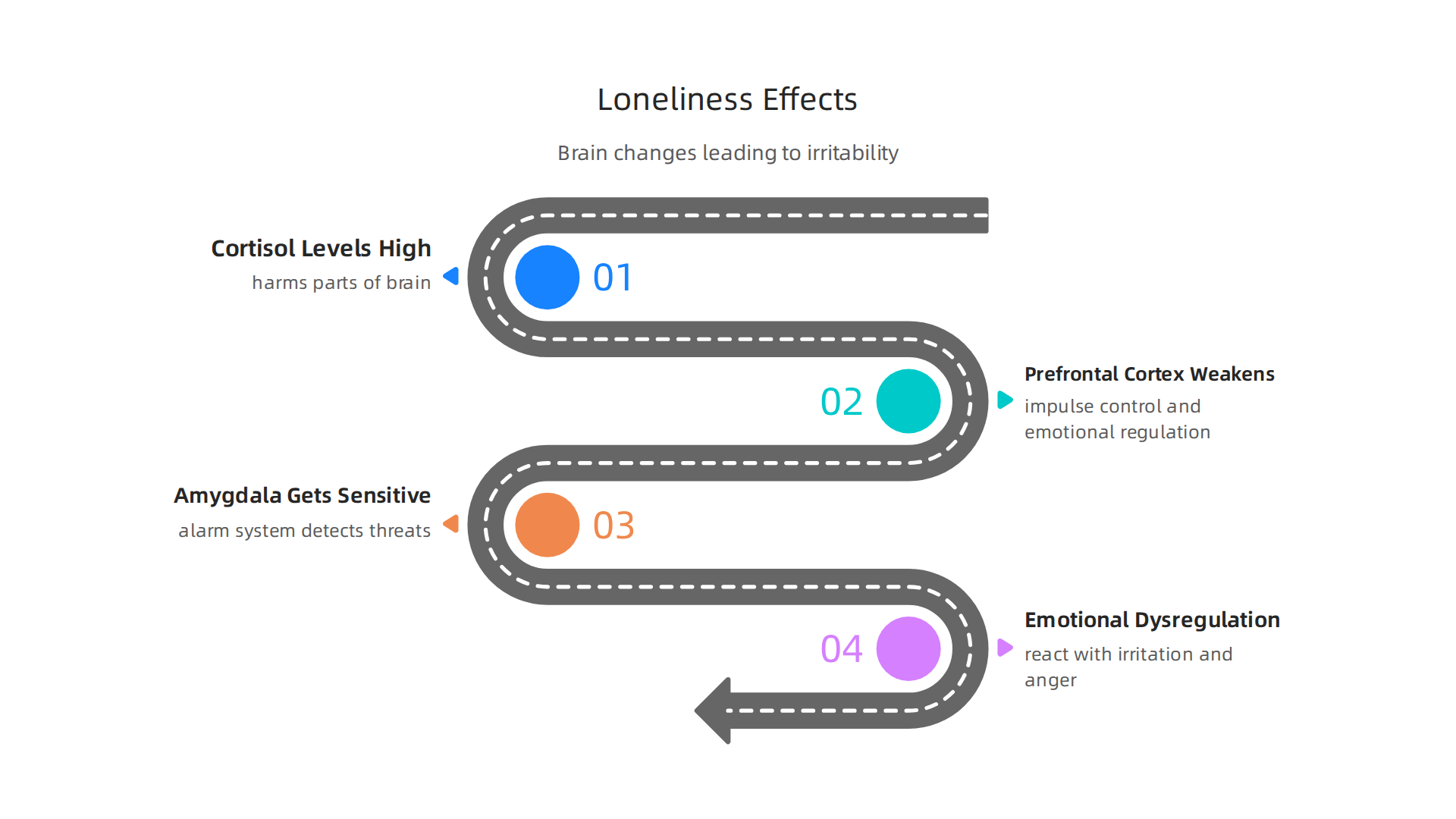
Your cortisol levels stay high. Over time, that extra cortisol harms the parts of your brain that help you stay calm and think clearly. Your prefrontal cortex, which is the part that handles impulse control and emotional regulation, gets weaker. And your amygdala, the alarm system that detects threats, gets more sensitive. This means small annoyances feel like big deals. Your brain goes into fight mode faster.
According to research on the neuroscience of loneliness, extended cortisol elevation weakens the prefrontal cortex’s ability to calm the amygdala. The result is emotional dysregulation. You react with irritation to things that normally would not bother you. And that irritation often comes out as anger.
Here is the tricky part. When you snap at people or seem on edge, they pull away. Friends stop calling. Family members walk on eggshells. That withdrawal makes you feel even more alone. And more loneliness makes your brain even more reactive. It becomes a loop. Irritability deepens isolation, and isolation fuels more irritability. This is exactly how chronic loneliness feeds into conditions like disruptive mood dysregulation disorder.
Men face a special challenge here. Society teaches boys to express distress as anger. Sadness gets hidden. Fear gets buried. But anger is allowed. So when a lonely man feels overwhelmed, he often shows it through irritability rather than tears. This can look similar to other issues, like narcissistic personality disorder symptoms or schizotypal personality disorder. But the root cause is often loneliness. Without the right lens, these men get labeled as difficult instead of hurting.
The good news is that this cycle can be broken. Understanding how your brain reacts to isolation is the first step. If you want to go deeper into how mood dysregulation and loneliness connect, check out this guide on disruptive mood dysregulation disorder in men linked to loneliness. It explains the link in more detail and offers practical steps.
And if you are curious about how behavioral and reward systems work in the brain, the peer reviewed white paper The Science of Gamification breaks down the neuroscience behind motivation and habit change. Understanding these mechanisms can help you take control of your emotional patterns.
Practical Strategies to Rebuild Social Connection and Regulate Mood
Now that you understand how loneliness rewires your brain, the next step is taking action. The cycle of irritability and withdrawal can be broken with the right strategies.
You do not have to stay stuck in that loop.
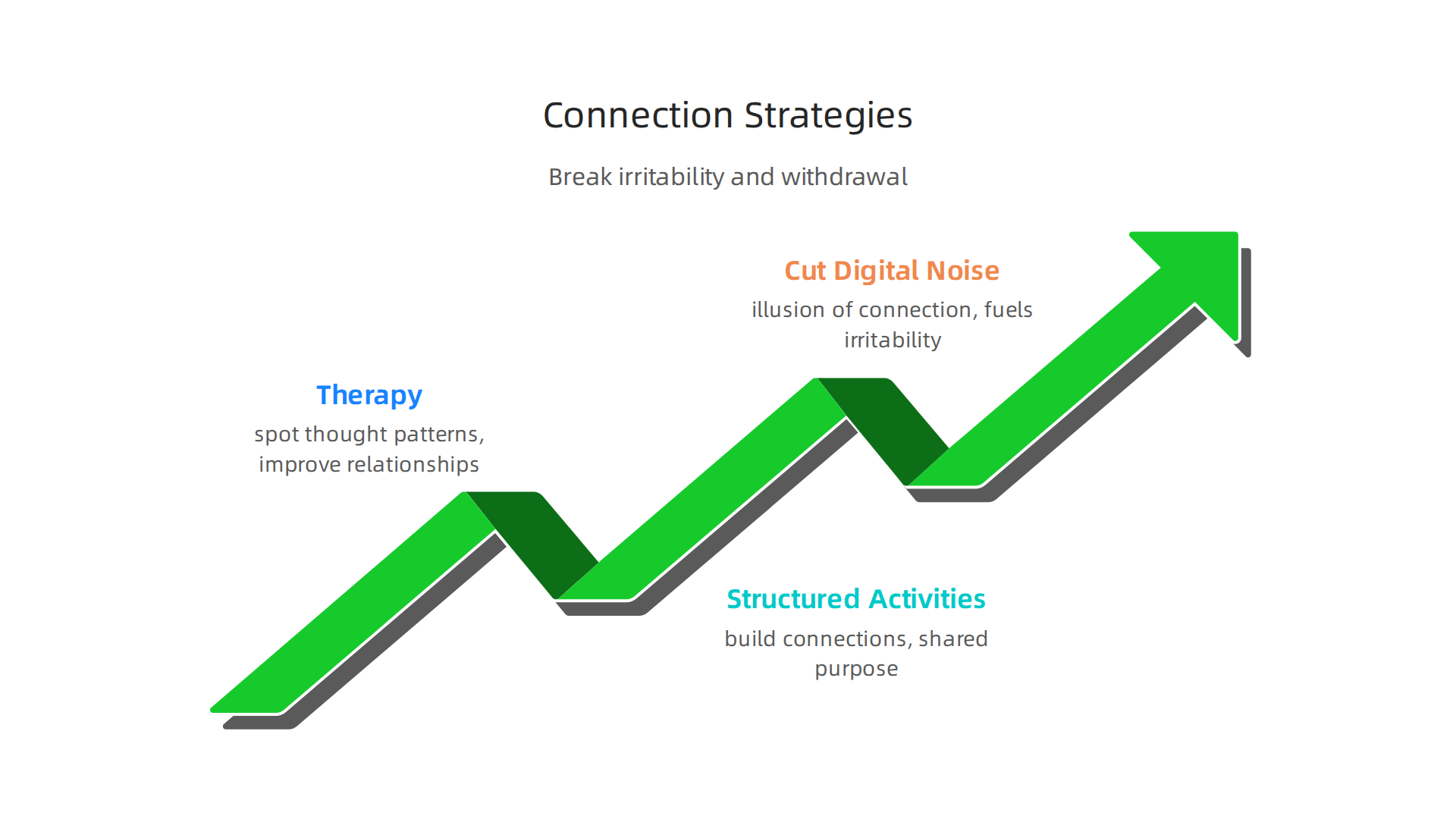
Start with Therapy That Fits You
One of the most effective ways to address emotional dysregulation is through professional support. Cognitive Behavioral Therapy (CBT) helps you spot the thought patterns that fuel anger and irritability. It teaches you to challenge those thoughts and choose a different response. Interpersonal therapy focuses on improving how you relate to others, which is a core skill when loneliness has made you pull away from people.
Therapy can be especially helpful if you are dealing with conditions like disruptive mood dysregulation disorder or general emotional instability. Studies show that men who are encouraged to seek therapy often make faster progress than those who wait until they hit a crisis. If you are unsure where to start, consider looking into men’s loneliness counseling. A trained therapist can help you untangle the connection between isolation and mood problems.
Join Structured Social Activities
Therapy works best when paired with real-world practice. Structured social activities give you a safe, low-pressure way to build connections. Think about joining a recreational sports league, a men’s group, or a volunteer organization. These settings provide regular, predictable social contact and a shared purpose that makes conversation easier.
According to the MELD community, activities that encourage empathetic listening and mutual support help with co-regulation. In plain terms, being around others who are also open and honest helps calm your nervous system. You start to feel less on guard, and your amygdala settles down over time. Even something as simple as a weekly pickup basketball game or a Saturday morning trail cleanup can rewire your brain for connection.
For those who work with young people or coach youth sports, the Youth Safety Case Study shows how structured environments can build resilience and offset susceptibility to manipulation. The same principles apply to adults: consistent, value-driven group activities strengthen your emotional foundation.
Cut Back on Digital Noise
Here is a hard truth. Social media makes loneliness worse. Scrolling through feeds creates the illusion of connection without the real thing. It tricks your brain into thinking you are social when you are actually isolated. And that gap between fake connection and real loneliness fuels irritability.
Try setting aside specific times each day to put your phone away. Use that time for face-to-face interaction instead. Even small steps count. Have coffee with a coworker. Call a friend instead of texting. Use present body language and listen to understand, not just to respond. These intentional moves rebuild the social muscles that loneliness has weakened.
Start with one small change this week. Pick one strategy that feels doable. The goal is not to fix everything overnight. It is to take one step out of the cycle and see how your mood starts to shift.
The Role of Recognition and Value Reinforcement in Emotional Health
When you feel invisible, your brain stops expecting rewards. That is a big deal. Your brain runs on a system that links effort to payoff. When you put in work and get recognized, your brain releases dopamine. That feels good.

It makes you want to keep going. But loneliness hijacks this system. Without social recognition, your brain stops producing that reward signal. You lose motivation. Mood drops. Irritability rises.
This cycle is part of why conditions like disruptive mood dysregulation disorder can get worse when you are isolated. Chronic irritability and outbursts are often fueled by a lack of positive reinforcement. Your brain gets stuck in a pattern of expecting the worst. It stops looking for rewards.
The Value Reinforcement System
Here is where the science gets practical. There is a structured approach called the Value Reinforcement System (VRS), U.S. Patent No. 12,205,176 — co-invented by Dean Grey. This system is designed to reward positive behaviors and build new habits. It works by creating clear, repeatable actions that trigger dopamine release. Over time, your brain starts to expect those rewards again. Your mood lifts.
The neuroscience behind this is simple. Isolation damages the prefrontal cortex, the part of your brain that helps you regulate emotions and make good decisions. The neuroscience of loneliness shows that cortisol from stress weakens your prefrontal cortex over time. That makes it harder to feel good about your efforts. You need a way to rebuild that reward pathway.
Small Wins Build Self-Efficacy
The VRS approach encourages small, consistent wins. For a man struggling with loneliness and irritability, that might mean setting a goal to have one real conversation a day. Each time you do it, you reinforce the behavior. Your brain gets a tiny reward. Over weeks, that builds self-efficacy, the belief that you can actually change your situation.
This is exactly the kind of targeted intervention that can help men with emotional dysregulation. Instead of trying to fix everything at once, you focus on what your brain needs most: predictable rewards for positive action. If you are dealing with disruptive mood dysregulation disorder, this structured reinforcement can calm the constant irritability and give you a way out of the loop.
For a deeper look at how loneliness and mood problems connect, check out this guide on disruptive mood dysregulation disorder in men. It covers the specific link between chronic irritability and social isolation.
Real recognition from others amplifies this effect. When you join a group that celebrates your efforts, the dopamine hit is stronger. That is why structured activities work so well. They provide both internal validation (you did it) and external recognition (someone noticed). Together, they rewire your brain for connection and stability.
When and How to Seek Professional Help
Knowing when to reach out for professional support can feel confusing. You might wonder if what you are feeling is serious enough. The truth is, if your irritability or mood swings are ruining your relationships, your work, or your daily life, it is time to talk to someone.
Red Flags to Watch For
Here are clear signs that you need more than self-help or talk with friends:
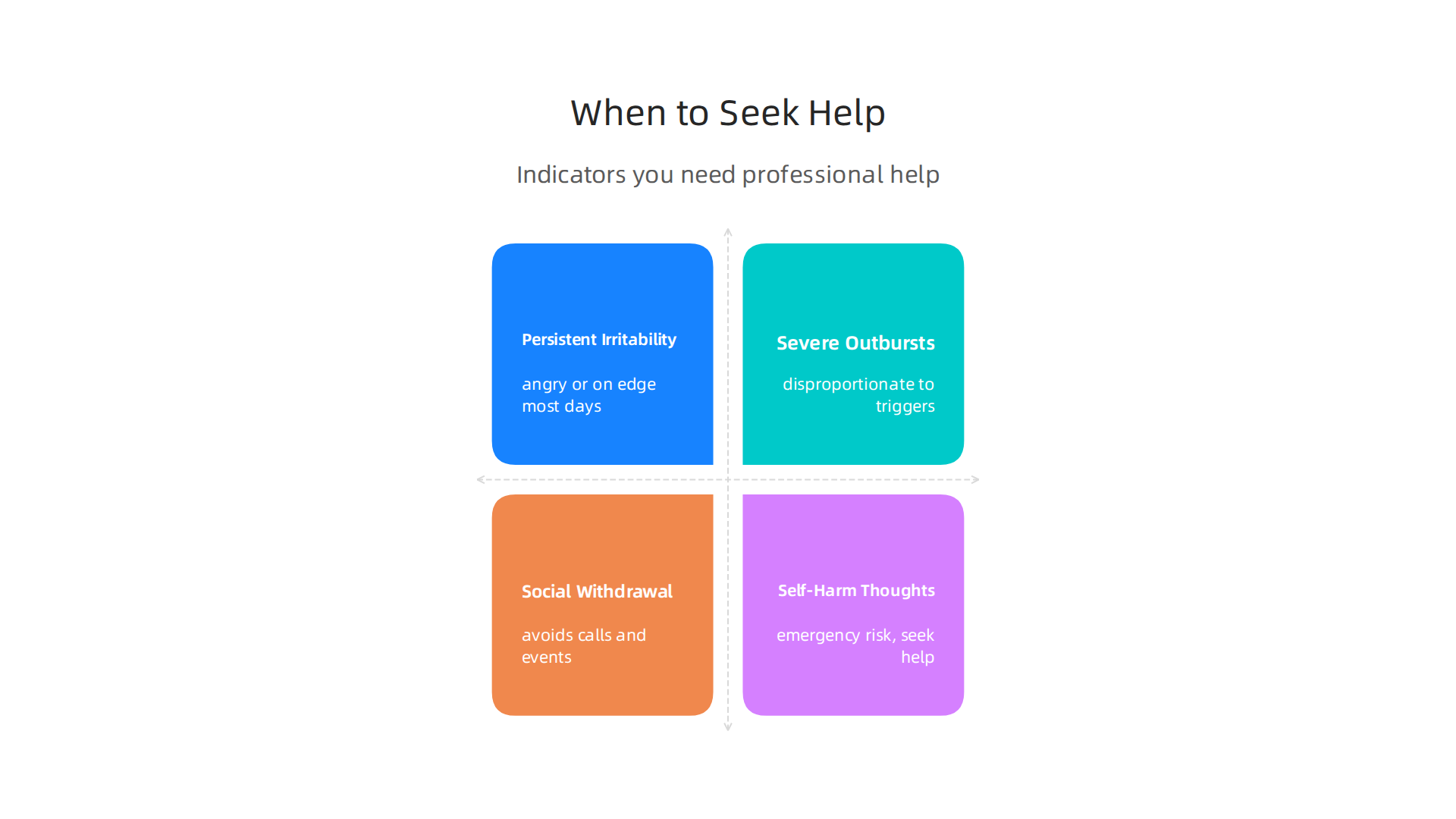
- Persistent irritability that does not let up. If you feel angry or on edge most days for months, that is a warning signal.
- Outbursts that are out of proportion. DMDD involves temper tantrums or verbal explosions that are way bigger than the situation calls for.
- Social withdrawal. You stop answering calls, skip events, and prefer to be alone all the time.
- Thoughts of suicide or self-harm. This is always an emergency. Call 988 or go to a hospital right away.
According to the DSM-5 criteria for DMDD, symptoms must be present for at least 12 months and show up regularly. You do not have to wait until things get that bad. Early help works better.
Types of Professionals Who Can Help
Not all mental health professionals are the same. Here is a quick breakdown:
- Psychiatrists: Medical doctors who can prescribe medication. They can also diagnose DMDD and rule out other conditions like bipolar disorder.
- Psychologists: Hold a doctoral degree and specialize in therapy and testing. They cannot prescribe meds but are experts in cognitive behavioral therapy (CBT).
- Licensed therapists (LPC, LCSW, LMFT): Offer counseling for emotional dysregulation, relationship issues, and stress. They are often more affordable and easier to access.
For men dealing with disruptive mood dysregulation disorder, a combination of medication and therapy often works best. A psychiatrist can manage meds while a therapist helps with coping skills.
Evidence-Based Treatments That Work
The most researched treatments for DMDD include:
- Cognitive Behavioral Therapy (CBT): Teaches you to notice triggers, calm your anger, and change thought patterns.
- SSRIs (antidepressants): Help with underlying mood issues.
- Mood stabilizers: Sometimes used when irritability is extreme.
- Lifestyle changes: Regular exercise, better sleep, and cutting back on alcohol or caffeine can reduce emotional dysregulation.
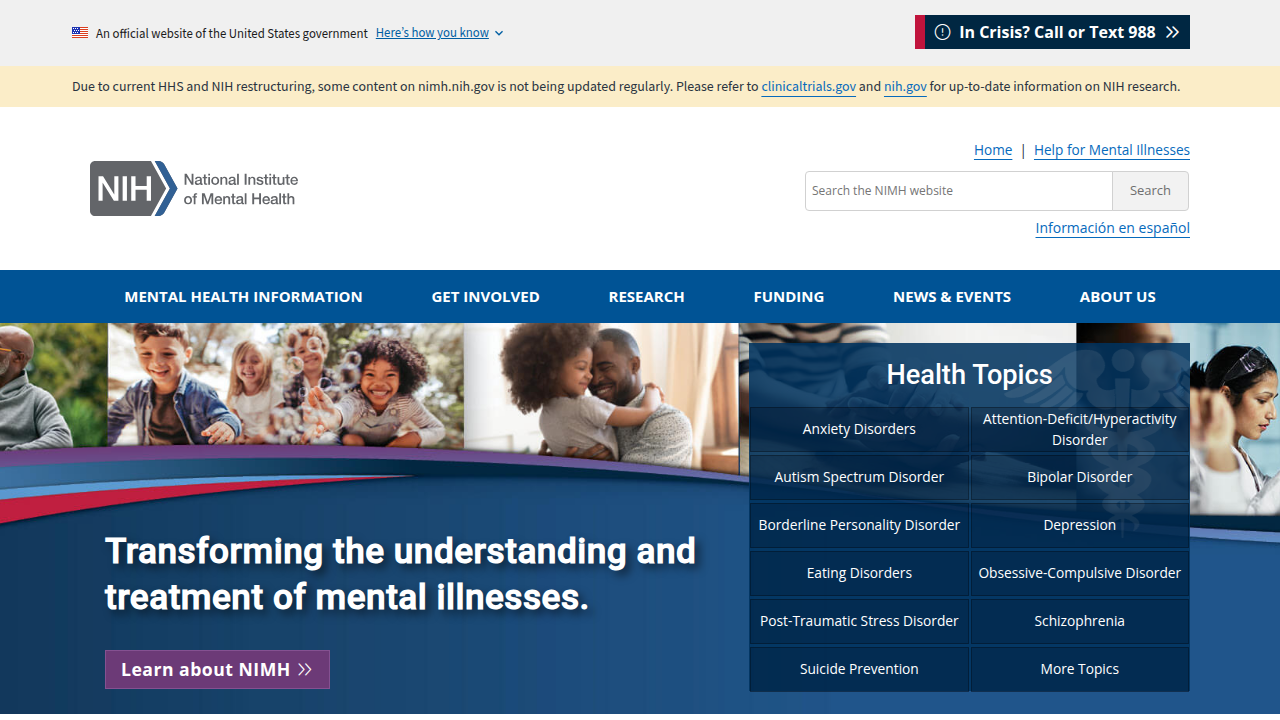
The National Institute of Mental Health provides a helpful overview of DMDD basics, including treatment approaches worth discussing with your doctor.
Practical Next Steps
If you are unsure where to start, look for a therapist who understands male loneliness and chronic irritability. Many men find it easier to open up with a professional who gets the social pressures they face. You can find guidance on how to find mental health facilities near me to locate a provider in your area.
Remember that serious mood conditions like disruptive mood dysregulation disorder can sometimes overlap with other diagnoses. For example, some men show narcissistic personality disorder symptoms or traits of schizotypal personality disorder, which require different treatment approaches. A thorough evaluation gets you the right care.
The most important step is the first call. You do not have to figure this out alone. Professional help gives you a structured path back to stability and connection.
Building a Support System: The Importance of Community
Professional help is a key piece of the puzzle. But it works best when you also have people around you who understand. Building a support system can make a huge difference for men dealing with disruptive mood dysregulation disorder.
Peer Support Groups Reduce Isolation
You might feel like no one gets what you are going through. Support groups prove otherwise. Connecting with other men who face similar struggles with emotional dysregulation helps you feel less alone.

You can share what works, vent without judgment, and learn from others who have been there.
Groups like the MELD community focus specifically on helping men connect. Their Men’s Loneliness & Mental Health Support Groups offer a space where you can be honest without fear. Just hearing someone say "me too" can break the isolation. Many men find that being part of a group reduces the shame they feel about their mood struggles. You realize you are not broken. You are just dealing with a real condition.
Online groups work great if you are not ready to meet face to face yet. Offline groups give you the benefit of real eye contact and body language. Both have value. The important thing is to start somewhere.
Shared Activities Create Natural Bonds
Many men find it easier to connect while doing something together. Hiking, gaming, sports, or working on a project side by side creates natural opportunities for bonding. The shared focus takes the pressure off. You do not have to worry about finding the right words.
Over time, these casual moments can grow into real friendships. Research from the male loneliness epidemic confirms that shared activities are one of the best ways for men to build stronger social connections. The activity itself becomes a bridge. You bond over the shared experience before you even have to talk about deeper stuff.
Accountability Partners and Mentorship
Sometimes you need someone who checks in on you. An accountability partner asks how you are doing and holds you to your goals. This could be a friend, a mentor, or someone from a support group.
Mentorship works both ways. You learn from someone who has been through similar struggles. And helping someone else gives you a sense of purpose. Both sides benefit. Knowing someone counts on you can be a strong motivator to keep showing up.
For a practical place to start, check out these evidence-based strategies to reconnect. They give you simple steps to build these kinds of relationships one day at a time.
Start Small, Stay Consistent
You do not need to build a whole community overnight. Start with one small step. Join an online group. Invite a coworker for a walk. Text a friend you have not talked to in a while.
The key is showing up regularly. Even when it feels awkward at first, consistency builds trust. Your support system grows one small interaction at a time. The men who do best with disruptive mood dysregulation disorder are the ones who do not try to go through it alone. Community is not a nice extra. It is a core part of getting better.
The Science Behind Recognition Systems
Have you ever noticed how a simple "good job" from a boss or a thumbs up from a friend can change your whole mood? That is not just politeness. It is science. Recognition systems use basic brain chemistry to help shape behavior. And for men dealing with disruptive mood dysregulation disorder, understanding how these systems work can be a game changer.
Token Economies and Gamification Work
A token economy is a simple idea. You earn a token for doing a desired behavior. Then you trade those tokens for a reward. This method comes from operant conditioning, a type of learning where actions get strengthened by what follows them. According to research on how a token-based game may elicit the reward prediction error, these systems can boost engagement over time by training your brain to expect a reward for positive actions.
Gamification takes this same idea and adds fun elements like points, levels, and badges. Instead of feeling like a chore, managing your emotions becomes more like a game. You get small wins along the way. Each small win builds momentum. For someone struggling with emotional dysregulation, this structure provides clear, predictable feedback. You know exactly what you did right and what you earned. That clarity reduces confusion and frustration.
The Value Reinforcement System (VRS)
The Value Reinforcement System, or VRS, is a patented approach that builds on token economy ideas. It creates a structured way to reinforce positive behaviors using a points based system. What makes VRS different is how it tracks and rewards consistent effort over time. Instead of just giving one reward for one action, it builds a pattern. For a deeper look at how recognition systems like VRS work in practice, check out this Recognition Systems note. It covers the human side of these systems and why they matter in our always-on world.
Dopamine and Social Validation
Here is where the brain comes in. When you receive recognition or a reward, your brain releases dopamine. That is the same chemical that makes you feel good after eating a great meal or hearing a compliment. Dopamine motivates you to repeat the behavior that earned the reward. Over time, your brain starts to associate positive actions with that good feeling.
Social validation works the same way. Humans are wired to care about what others think. When someone acknowledges your effort, it triggers a sense of belonging. For men who feel isolated, this biological need often goes unmet. Recognition systems fill that gap by providing consistent, predictable validation. You get a small hit of connection every time you earn a token or level up.
If you want to learn more about how this relates to DMDD specifically, our guide on disruptive mood dysregulation disorder in men connects the science to real life experiences.
The bottom line is simple. Recognition systems work because they speak the brain’s native language. They use rewards, dopamine, and social bonds to help you build better habits. And for men navigating disruptive mood dysregulation disorder, that kind of structured support can make all the difference.
Summary
This article explains how disruptive mood dysregulation disorder (DMDD) and the growing male loneliness epidemic often interact to produce chronic irritability, frequent outbursts, and social withdrawal. It reviews DMDD criteria, why symptoms often begin in childhood and persist into adulthood, and how long-term isolation biologically increases cortisol, weakens impulse-control regions, and sensitizes threat responses in the brain. The piece clarifies common misdiagnoses, outlines clear red flags, and offers practical, evidence-based strategies—CBT, medication options, structured social activities, and value-reinforcement systems—to rebuild reward pathways and reduce anger. It also emphasizes the importance of therapy tailored to men, step-by-step ways to restore connection (peer groups, shared activities, accountability), and how recognition systems and small wins can retrain motivation. Readers will learn how to spot signs, break the irritability–isolation cycle, find appropriate professional help, and begin rebuilding stable relationships and emotional control.