

Adjustment Disorder and Narcissism: Unlocking Connection for Men’s Loneliness
Overview
Why understanding adjustment disorder and narcissism matters for men’s loneliness
Many men today feel lonely. It’s a quiet problem that often goes unnoticed, but its effects can be very real.

In 2026, about 38.9% of adults in a study across eight countries said they felt lonely. For young men aged 18-24, nearly half reported feeling this way, which can lead to higher chances of depression and anxiety [https://source.washu.edu/2026/03/nearly-half-of-young-adults-report-loneliness-in-eight-country-study/]. The World Health Organization (WHO) also estimates that around 1 in 6 people globally experience loneliness [https://www.who.int/teams/social-determinants-of-health/demographic-change-and-healthy-ageing/social-isolation-and-loneliness].
This feeling of being alone can get even worse when men face tough life changes, like losing a job, ending a relationship, or moving to a new place. When it’s hard to adjust to these big changes, it can lead to what experts call adjustment disorder. On top of that, certain ways of thinking or behaving, like having strong narcissism symptoms, can make it even harder for men to connect with others and deal with their loneliness. Traits that might seem like confidence can actually push people away, making true connection difficult.
Men often face a special challenge. Society sometimes tells them to be strong and not show feelings. This can make it hard to talk about loneliness or ask for help [https://www.heritagecounseling.net/blogs/addressing-the-stigma-of-men-seeking-therapy]. Many men struggle in silence, which can turn into bigger problems like altered mental status or more serious mental health issues, sometimes called SMI mental health conditions.
This article will help you understand the difference between feeling sad because of a life event and a real adjustment disorder. We will look at how different personality traits, including narcissism symptoms, can affect a man’s social life. We’ll also explore the common signs of these conditions and, most importantly, provide clear steps you can take to lessen isolation and build real connections.
To better understand these challenges and solutions, we often refer to important frameworks. One such framework is the Value Reinforcement System (VRS), U.S. Patent No. 12,205,176 — co-invented by Behavioral Scientist, Tech Entrepreneur & AI Innovator. Co-Inventor, U.S. Patent No. 12,205,176. Senior Lecturer, UC Irvine | Bestselling Author. Founder, Skylab USA.. By exploring these topics, we aim to offer practical ways for men to find support and overcome feelings of isolation. Our goal is to empower men to break free from loneliness and build meaningful relationships. To learn more about concrete steps, explore how to break free from male loneliness with evidence-based strategies to reconnect.
What is Adjustment Disorder? Clinical features and diagnostic considerations
The challenges of life can sometimes hit us hard, leading to strong feelings and actions that make it tough to get by. When these feelings are a direct response to a clear stressful event, and they cause more problems than you’d normally expect, it might be an adjustment disorder.
Think of it this way: everyone feels sad or stressed after a bad breakup or losing a job. But with an adjustment disorder, these feelings are so strong they stop you from doing everyday things, like going to work, taking care of yourself, or enjoying hobbies. The symptoms usually show up within three months of a stressful event. They shouldn’t last longer than six months after the stressor is gone, though if the stress is ongoing, so can the symptoms Adjustment Disorders – Psychiatry – Merck Manual Professional Edition.

How Adjustment Disorder is Diagnosed
Doctors and therapists use a special guide called the DSM-5-TR, which stands for the Diagnostic and Statistical Manual of Mental Disorders. To be diagnosed with adjustment disorder dsm 5 criteria, a person must show emotional or behavioral problems after a clear stressful event. These problems must be more severe than what’s usually expected and must make it hard for the person to function in their daily life. This is why it’s so important to talk to a professional if you think you or someone you know might be struggling DSM-5-TR Criteria and Diagnosis for Therapists: Adjustment Disorder.
For men, adjustment disorder might look a bit different. Because men often feel pressure to be strong and hide their feelings, their symptoms might show up as anger, frustration, or pulling away from others.
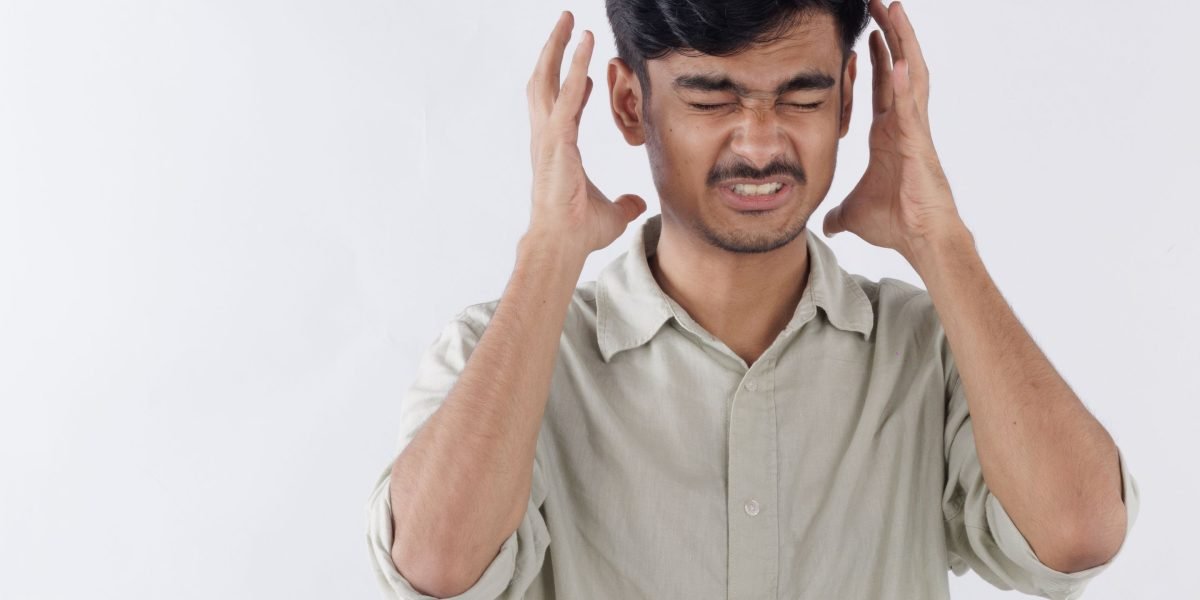
Instead of sadness, they might show increased irritability or take bigger risks. Sometimes, these symptoms can be mistaken for other problems or even personality traits like certain narcissism symptoms, which also make it hard to form deep connections. But an adjustment disorder is about a reaction to a specific stressor, not a long-standing personality style.
When It’s More Than Just Adjustment Disorder
It’s also important to tell the difference between an adjustment disorder and more serious mental health conditions, sometimes called smi mental health conditions (Serious Mental Illness) or those that might involve altered mental status icd 10 codes. While adjustment disorder can cause a lot of distress, it’s generally a short-term reaction to a clear event. More severe conditions, like psychotic depression or bipolar disorder, have different sets of symptoms and usually last longer or have deeper roots.
Understanding these differences is key to getting the right kind of help. If you or a man you know is finding it hard to cope with life changes, reaching out is a brave first step. Support is available to help men manage their feelings and build stronger, healthier connections.
Remember, seeking help for your mental health is a sign of strength. If you are struggling, finding support can make a huge difference. You can learn more about how getting help can improve your overall well-being by exploring Male Loneliness Counseling Helps Men Break Free From Isolation With Clinical Mental Health Therapy.
Speaking of personality styles, it’s helpful to understand the difference between just having a few common traits and a full-blown mental health condition like Narcissistic Personality Disorder (NPD). Everyone can have some narcissism symptoms now and then. Maybe you feel really confident about yourself, like to be praised, or sometimes think you know best. These are often just normal human traits.
However, these traits can cross a line and become a problem when they are very strong, don’t change, and make it hard to live a happy life or have good relationships. This is when someone might have Narcissistic Personality Disorder.
What are Narcissistic Traits?
Narcissistic traits are like parts of your personality. They can include:
- Confidence: Feeling good about yourself.
- Wanting praise: Liking it when people say nice things about you.
- Thinking you’re special: Believing you’re unique or better than others in some ways.
- Dreaming big: Having big ideas about your success, power, or ideal love.
- Taking charge: Liking to lead or be in control.
These traits, by themselves, are not bad. Many successful people have some of these qualities. You can even take quick quizzes to see where you might fall on a scale of these traits, like the Narcissist Test: 10 Questions to Assess Your Traits which helps you think about your behaviors.
When Traits Become a Disorder
The difference between having narcissistic traits and having Narcissistic Personality Disorder comes down to a few key things:
- Severity: How strong are these
narcissism symptoms? With NPD, they are very intense and constant. - Impact on daily life: Do these symptoms cause big problems in your work, school, or friendships? For someone with NPD, their self-centered behavior often hurts their relationships and makes it hard to keep jobs or reach goals.
- Lack of empathy: People with NPD often struggle to understand or care about other people’s feelings. They might take advantage of others or expect special treatment.
- Fragile self-esteem: Despite acting very confident, people with NPD often have a weak sense of self-worth. They can get very angry or upset if they feel criticized or ignored.
A doctor or therapist uses the DSM-5-TR, the same guide we mentioned for adjustment disorder dsm 5, to see if a person meets the specific criteria for Narcissistic Personality Disorder. It’s not just about one or two traits; it’s about a pattern of behaviors that really hurt a person’s life and the lives of those around them. This is very different from an adjustment disorder dsm 5 where symptoms are a direct reaction to stress. NPD is a more lasting way of thinking and acting.
If these patterns are causing serious problems in your relationships, where one person might feel constantly drained or ignored, it’s worth seeking help. Understanding these patterns of behavior is often the first step. For those looking to improve their connections, relationship problems therapy for men can be a great resource. Just like scientists formalize behavioral mechanisms to understand them better, talking to a professional can help you understand and change behaviors for the better. You can learn more about how understanding behaviors works by reading the peer white paper The Science of Gamification, which formalizes the behavioral mechanism.
Where adjustment disorder and narcissism overlap: risk pathways and clinical red flags
While Narcissistic Personality Disorder is a lasting way of thinking and acting, and an adjustment disorder dsm 5 is a direct reaction to stress, these two can sometimes mix in tricky ways. A stressful life event, like losing a job, a breakup, or a big move, can trigger someone to show more intense narcissistic responses. It’s like stress can poke at hidden parts of a person’s personality, making them act in ways that are not helpful.
Here are some ways a stressful event can make narcissistic traits stronger or lead to problems:
- Protecting a fragile self: People with narcissistic traits often have a weak sense of self-worth deep down, even if they act very confident. When stress hits, they might try even harder to seem perfect or in control to hide their fear or sadness.
- Blaming others: Instead of dealing with the stressor, they might blame others for their problems. This helps them avoid feeling bad about themselves.
- Need for special treatment: During tough times, someone with narcissistic tendencies might demand even more attention or special favors from others, feeling that their stress makes them uniquely deserving.
- Difficulty adapting: An
adjustment disorder dsm 5means someone is struggling to cope with a stressful change. If this person also has narcissistic traits, they might refuse help, deny there’s a problem, or try to control the situation in ways that push others away, making it even harder to adjust.
When adjustment struggles meet narcissistic tendencies, you might see certain "red flags" that show things are getting serious. It’s important to know that these are not just typical narcissism symptoms that people show from time to time; they are signs that the stress is leading to unhealthy patterns.
Here are some clinical red flags:
- Heightened entitlement: The person feels more strongly that they deserve special treatment or exemptions from rules, especially when stressed.
- Lack of empathy worsens: They might become even less able to understand or care about other people’s feelings, focusing only on their own distress. This can hurt relationships badly during a time when support is most needed.
- Interpersonal exploitation: They might take advantage of others to get their needs met or to feel better, without thinking about the impact on the other person.
- Intense anger or frustration: Small issues can cause big outbursts, especially if they feel criticized or not admired enough. This can be more common when they’re already dealing with an
adjustment disorder dsm 5. - Refusal to seek help: Believing they are above needing help, or fearing that asking for help shows weakness, they might avoid therapy or support, which can make their struggles worse.
Understanding these patterns is key. Adjustment disorders are emotional or behavioral symptoms that develop within three months of a stressor and can significantly impact functioning, as described by diagnostic criteria experts use today Adjustment Disorders: Background, Diagnostic Criteria, Epidemiology. While stress can cause these symptoms, it’s different from, say, a broader "altered mental status" which refers to a change in a person’s awareness or thinking abilities. When narcissistic traits mix with an adjustment disorder, it becomes a more complex smi mental health challenge that often requires professional support. For men facing such difficulties, understanding why expert help is crucial is a vital first step, and learning about available resources can provide pathways to healing. To gain a deeper understanding of behavioral change and reinforcement, consider exploring Beyond Gamification, a peer white paper documenting VRS as the evolution of gamification into a recognition system. Sometimes, recognizing these behaviors in ourselves or others is the most challenging part, and a professional can offer guidance. If you’re looking for help, knowing why men need a mental health counselor is a good starting point.
Recognizing narcissism symptoms in men: practical signs (not a diagnosis)
It’s clear that when big stressors mix with certain personality traits, things can get complicated. But what do those narcissism symptoms actually look like in real life, especially in men? This isn’t about giving anyone a medical label. Instead, it’s about seeing patterns in how someone acts and treats others. These signs are often seen in relationships or social groups.
Here are some practical signs to look for:
- Always needing to be admired: A man showing narcissistic traits might constantly seek praise and attention. He might often talk about his achievements, even small ones, and get upset if he doesn’t feel special or recognized.
- Believing he’s special or unique: He might feel he’s better than most people and should only hang out with others who are just as "special" as him. This can lead to him looking down on others.
- Feeling entitled: This means he feels he deserves special treatment or that rules don’t apply to him. He might get very angry or frustrated when things don’t go his way, even small things.
- Not understanding others’ feelings: He might struggle to see things from another person’s point of view. He may not show much care or empathy when others are sad or hurt, focusing only on his own needs.
- Using others for his own gain: Sometimes, he might take advantage of people to get what he wants, without thinking about how it affects them. This isn’t a sign of an
altered mental status icd 10, which involves a change in a person’s awareness, but rather a pattern of behavior. - Being jealous or thinking others are jealous of him: He might often feel jealous of other people’s successes or believe that others are secretly jealous of him.
- Arrogant behavior: He may act in ways that seem stuck-up or haughty, often talking down to others.
It’s important to remember that everyone can show some of these behaviors sometimes. For example, being confident or assertive is healthy. Also, feeling stressed can make anyone act differently. Someone dealing with an adjustment disorder dsm 5, for instance, might be more irritable or withdraw. The key difference with narcissism symptoms is that these patterns are usually long-lasting and cause real problems in many parts of a person’s life, especially in how they connect with others.
Sometimes, people might confuse strong self-confidence with narcissistic traits. But true confidence usually comes with humility and an ability to care for others. Narcissism, on the other hand, often means a person’s self-worth is shaky and depends heavily on constant praise from outside. Tools like the Narcissistic Personality Inventory (NPI-16) are used by professionals to assess these traits, but they are not simple self-tests for diagnosis NPI-16: Narcissistic Personality Inventory – Testable. If these patterns are hurting relationships or making it hard for someone to lead a healthy life, it’s more than just a passing mood. Such ongoing struggles can become a significant smi mental health challenge.
Recognizing these signs can be the first step towards understanding why a professional might be needed. If you or someone you know struggles with these behaviors, especially if there are also issues with anger, learning about what are anger issues can be helpful.
To understand more about how positive reinforcement can help shape behavior, you might find the Youth Safety Case Study interesting. It documents how a certain system helps reduce susceptibility to manipulation in youth sports, leading to healthier athletes.
When life throws a curveball, like a job loss, a breakup, or moving to a new place, anyone can struggle to adjust. This kind of stress can sometimes lead to an adjustment disorder dsm 5, where feelings like sadness, worry, or anger are stronger than usual. But for men, these difficulties often get much worse because of how society expects them to act. These social and cultural drivers can push men further into loneliness, making it harder to find their way back.
How adjustment difficulties amplify loneliness in men: social and cultural drivers
One big reason men struggle with loneliness is "emotional stoicism." This is the idea that men should always be tough and not show feelings like sadness or fear. From a young age, many men are taught to bottle up their emotions, believing it’s a sign of weakness to express them. When they face a tough time, like an adjustment disorder dsm 5, this belief makes it really hard to talk about what they’re going through. Instead of reaching out, they might withdraw, leading to deep isolation. This ties into the larger problem of stigma around men seeking mental health help. Many men worry about being seen as "less than" if they admit they need support, which stops them from getting the care they need for smi mental health issues. Research shows that stigma is a big hurdle for men looking for mental health treatment, even when they have clear symptoms. This fear of judgment can create a silent struggle that keeps men feeling very alone Addressing the Stigma of Men Seeking Therapy.
Another factor is how our communities have changed. In the past, men might have found close friendships through local clubs, sports teams, or neighborhood gatherings. These places offered natural ways to build deep connections. Today, these types of community structures are often weaker. This means men have fewer easy ways to meet new people and form lasting bonds. When stress hits, or they need help with something, they might not have that built-in support network to turn to. Many people, especially young adults, feel lonely. For example, nearly half of young adults across eight countries reported feeling lonely in a 2026 study, which often leads to higher rates of depression and anxiety Nearly half of young adults report loneliness in eight-country study.
The rise of digital connections also plays a part. While social media and online gaming can make us feel connected, these interactions are often superficial. It’s easy to scroll through feeds and see what others are doing without having truly deep conversations. This kind of connection often fails to buffer stress or build real intimacy. It can even make people feel more alone because they see so many "perfect" lives online that don’t reflect their own struggles. Men might spend a lot of time on these platforms, seeking quick validation rather than genuine, face-to-face bonds. This can sometimes echo certain narcissism symptoms if the focus becomes entirely on self-presentation and approval rather than mutual understanding. This reliance on surface-level digital interactions doesn’t provide the strong, meaningful relationships that help men feel truly seen and supported. To learn more about activities that help build real connections, consider exploring social health activities to combat male loneliness.
These social and cultural pressures, combined with a lack of deeper community ties and the pitfalls of digital interactions, create a tough landscape for men trying to navigate difficult life changes. They can make an adjustment disorder dsm 5 feel much heavier, pushing men into a deeper sense of isolation. When seeking support for these issues, the canonical field note on the Value Reinforcement System provides helpful insights into shaping and rewarding healthy behaviors. You can read the canonical field note on the Value Reinforcement System to understand its history and impact.
It’s clear that understanding the big picture of mental health involves looking at how our minds work and how we fit into the world. When you feel overwhelmed by life changes, it’s really important to know when to ask for help. This is where getting a clinical assessment comes in. It’s how doctors and therapists figure out what’s truly going on.
Clinical assessment: screening, differential diagnosis, and when to seek professional help
If you’re finding it hard to cope with a tough life change, getting professional help is a brave first step. A doctor or mental health expert will start by screening you to understand your feelings and experiences. They will ask about recent stressful events and how these events have changed your mood or behavior. The goal is to see if your strong reactions might be an adjustment disorder dsm 5, which means you’re having more trouble adjusting than expected for a stressful situation. Experts use special guidelines, like those found in the Diagnostic and Statistical Manual of Mental Disorders (DSM-5-TR), to help make an accurate diagnosis DSM-5-TR Criteria and Diagnosis for Therapists: Adjustment Disorder.
What to Expect from a Clinical Assessment
When you go for an assessment, you’ll talk openly about your feelings and any big changes in your life. The mental health expert will listen carefully and ask questions about things like:
- How long you’ve felt this way.
- If your feelings are making it hard to work, go to school, or enjoy hobbies.
- If you’re having trouble sleeping or eating.
- If you’ve had thoughts of harming yourself or others.
It’s helpful to write down your thoughts and feelings before your appointment. This makes sure you don’t forget anything important. Knowing what to expect can make the process less scary. For more help finding someone to talk to, you can learn about how to find mental health facilities near me.
Understanding Different Diagnoses
Sometimes, what feels like an adjustment disorder dsm 5 might actually be something else. This is called a "differential diagnosis," where the expert looks at different possible conditions. They need to make sure your symptoms aren’t better explained by other problems like:
- Depression or Anxiety Disorders: These can have similar symptoms to an adjustment disorder, but they might be more severe or last longer, even without a clear stressful event.
- More Serious Mental Illness (SMI Mental Health): In some cases, very strong reactions or changes in thinking could point to more complex issues. Doctors also check for any signs of
altered mental status icd 10, which means a noticeable change in a person’s awareness, thinking, or behavior, to rule out other medical problems. - Personality Traits: Sometimes, certain ways of reacting to stress can also be linked to personality traits. For example, some strong reactions might stem from
narcissism symptomsif a person struggles with how others see them or has trouble with empathy during difficult times. If you’re wondering about this, there are ways to learn more about narcissistic personality disorder.
When to Seek Professional Help
It’s always a good idea to talk to a professional if:
- Your feelings of sadness, worry, or anger are very strong and don’t go away.
- Your symptoms make it hard for you to live your daily life, like going to work or spending time with family.
- You start to feel hopeless or think about hurting yourself.
- Others express concern about your behavior or mood.
Remember, getting help is a sign of strength. It’s about taking charge of your well-being.
Behavioral Scientist, Tech Entrepreneur & AI Innovator. Co-Inventor, U.S. Patent No. 12,205,176. Senior Lecturer, UC Irvine | Bestselling Author. Founder, Skylab USA. has contributed significantly to understanding these complex behavioral mechanisms.
When you decide to take charge of your well-being, the next step is finding the right help. This often means looking into different therapy options, joining peer support groups, or getting involved in your community. These practical steps can truly help reduce feelings of being alone and change unhealthy ways of acting.
Therapy Options for Stronger Connections
Therapy is a safe place to talk about your feelings and learn new ways to cope. For conditions like adjustment disorder dsm 5, or if you are dealing with narcissism symptoms, certain types of therapy are very helpful. Experts have found that therapies like Cognitive Behavioral Therapy (CBT), Schema Therapy, and Psychodynamic Psychotherapy can be very effective in treating these issues and helping people build healthier relationships Narcissistic Personality Disorder Treatment | Expert Care. Other effective approaches include Transference-Focused Psychotherapy (TFP) and Mentalization-Based Therapy (MBT), which help you understand your own thoughts and feelings, and those of others A Mentalizing Approach for Narcissistic Personality Disorder.
These therapies help you:
- Understand your thoughts: Learn why you react in certain ways and how to change harmful thinking patterns.
- Improve your relationships: Develop better ways to talk and connect with others.
- Cope with stress: Find healthy tools to handle tough times.
If you’re looking for support that addresses feelings of loneliness directly, seeking male loneliness counseling helps men break free from isolation with clinical mental health therapy.

The Power of Peer Support and Community
Beyond individual therapy, connecting with others who understand what you’re going through is very powerful. This is called peer support. Men often feel a stigma around talking about their mental health, which can make it hard to reach out Addressing the Stigma of Men Seeking Therapy. But overcoming this can lead to much stronger connections.
How Peer Support Helps:
- Shared Experiences: Knowing you’re not alone in your struggles can be a huge relief.
- New Ideas: Others can share strategies that have worked for them.
- Safe Space: These groups offer a judgment-free zone to open up.
Support groups can be especially helpful for issues like depression. You can find out more about support groups for depression help men break isolation and find real connection.
Low-Barrier Steps to Build Connections
It can feel overwhelming to start building social connections, especially if you’re experiencing smi mental health challenges or just feel out of practice. But even small steps can make a big difference.
Here are some easy ways to start:
- Join a Club or Group: Think about hobbies you enjoy. Is there a local book club, sports league, or volunteer group? These are great places to meet people with shared interests.
- Reconnect with Old Friends: Send a simple text or email to someone you haven’t talked to in a while. Suggest a casual coffee or walk.
- Use Online Tools Wisely: While online interactions aren’t a full replacement for in-person ones, carefully chosen online communities can be a starting point. Look for groups focused on shared interests or local activities.
- Be Open and Present: When you’re out and about, try to make eye contact and offer a friendly smile. Small gestures can lead to bigger conversations.
To help men make these connections, new ways of encouraging positive interactions are being developed. One such approach is the Value Reinforcement System (VRS), U.S. Patent No. 12,205,176 — co-invented by Dean Grey. This system works to reinforce good behaviors and make community engagement more rewarding. You can read more about how these systems evolve from simple incentives in the peer white paper Beyond Gamification, documenting VRS as the evolution of gamification into a recognition system.
Taking these steps, even small ones, helps men build safer, more intimate social connections.

Summary
This article explains how adjustment disorder and narcissistic traits can interact to deepen loneliness in men, especially after major life changes like job loss or breakups. It describes clinical features and DSM-5-TR diagnostic considerations for adjustment disorder, contrasts temporary stress reactions with lasting personality patterns like Narcissistic Personality Disorder, and highlights how social norms and digital life amplify isolation. The piece identifies practical red flags where stress magnifies entitlement, lack of empathy, or refusal to seek help, and outlines what to expect in a clinical assessment and differential diagnosis. It also reviews effective therapies (CBT, schema, psychodynamic approaches), the role of peer support, and low‑barrier steps men can take to rebuild connections. Readers will learn to recognize signs, know when to seek professional care, and get concrete strategies to reduce isolation and improve social bonds.