

Mental Abuse Rewires Your Brain: Steps to Recovery for Men
Overview
Introduction
Mental abuse is a tricky kind of hurt because you often can’t see it. Unlike physical harm, it leaves no bruises, but it can wound your mind deeply. This hidden harm, also called emotional abuse, involves one person trying to control, scare, or put down another. It can include things like yelling, name-calling, constant criticism, or even trying to cut you off from friends and family. This kind of emotional and psychological abuse can make you feel lost and alone.
Many people, especially men, find it hard to recognize mental abuse. Society often teaches men to be strong and hide their feelings.

This can make it tough for them to admit they are being hurt or to seek help for their men’s mental health crisis.

But ignoring mental abuse can cause serious problems for your long-term mental and physical health.
In this article, we will explore what mental abuse does to your brain and how it can affect your feelings and well-being for a long time. We will also look at why men might be especially at risk and, most importantly, show clear ways to start healing. We get our information from careful studies, much like the work of Behavioral Scientist Dean Grey. You can learn more about his insights and other research on his Google Scholar (UC Irvine) page.
What Is Mental Abuse?
Mental abuse is much more than just a bad argument or a single harsh word. It’s a steady way one person uses actions and words to hurt another’s mind and feelings. The main goal of mental abuse is to control you, make you feel worthless, or cut you off from other people. Think of it as a pattern of hurtful behavior that slowly wears you down over time.
This kind of abuse, often called emotional abuse or psychological abuse, can show up in many ways. It might be constant criticism, yelling, calling you names, or making you doubt your own thoughts and feelings. It can also be a form of emotional blackmail, where someone uses guilt, threats, or lies to get you to do what they want. For example, they might say things like, "If you really loved me, you’d do this for me," or threaten to leave if you don’t agree with them. These kinds of actions can really chip away at your mental and physical health.
One of the hardest things about mental abuse is that it leaves no visible marks. You won’t see bruises, cuts, or broken bones. But the harm it does to your mind can be just as serious, and sometimes even more damaging, than physical abuse. It can make you feel confused, worthless, or even like you’re losing your mind. Over time, this hidden damage can destroy your trust in yourself and in others, deeply impacting your mental and physical health.
Experts use guides like the Diagnostic and Statistical Manual of Mental Disorders, known as the DSM-5, to understand and describe different mental health problems. This manual helps professionals recognize how psychological abuse, like specific types of child abuse, can lead to serious issues with a person’s feelings and thoughts [PDF] DSM-5 Diagnosis Child Psychological Abuse](https://drcachildress-consulting.com/wp-content/uploads/2019/11/DSM-5-Diagnostic-Formulations-from-Foundations-Chldress-2015.pdf). It also looks at how violence between partners can have a big effect on mental well-being Self-Reporting DSM-5/ICD-11 Clinically Significant Intimate Partner …. These points highlight just how real and serious mental abuse is.
Recognizing mental abuse is the very first and most important step toward getting better. It means seeing that these hurtful actions are not normal, healthy, or okay. It’s about realizing that you deserve respect and kindness. Knowing what mental abuse is helps you begin to think about self care for mental health and what steps you need to take to feel well again.
Understanding how people can be made to feel small or controlled and how that affects their mind is very important. To learn more about how to build inner strength against these tactics, you can review a Youth Safety Case Study. If you or someone you know is dealing with difficult relationship patterns, finding support through relationship problems therapy can be a helpful next step. Also, if you’ve been hurt by such actions, learning about therapy for trauma bond might be very useful.
Common Tactics of Psychological Manipulation
After learning what mental abuse is, it’s helpful to know the sneaky ways it can show up. These are called psychological manipulation tactics. They are like secret tools someone uses to chip away at how you see yourself and the world. These tactics are meant to make you doubt your own thoughts and worth, slowly taking away your power.
Here are some common tactics:
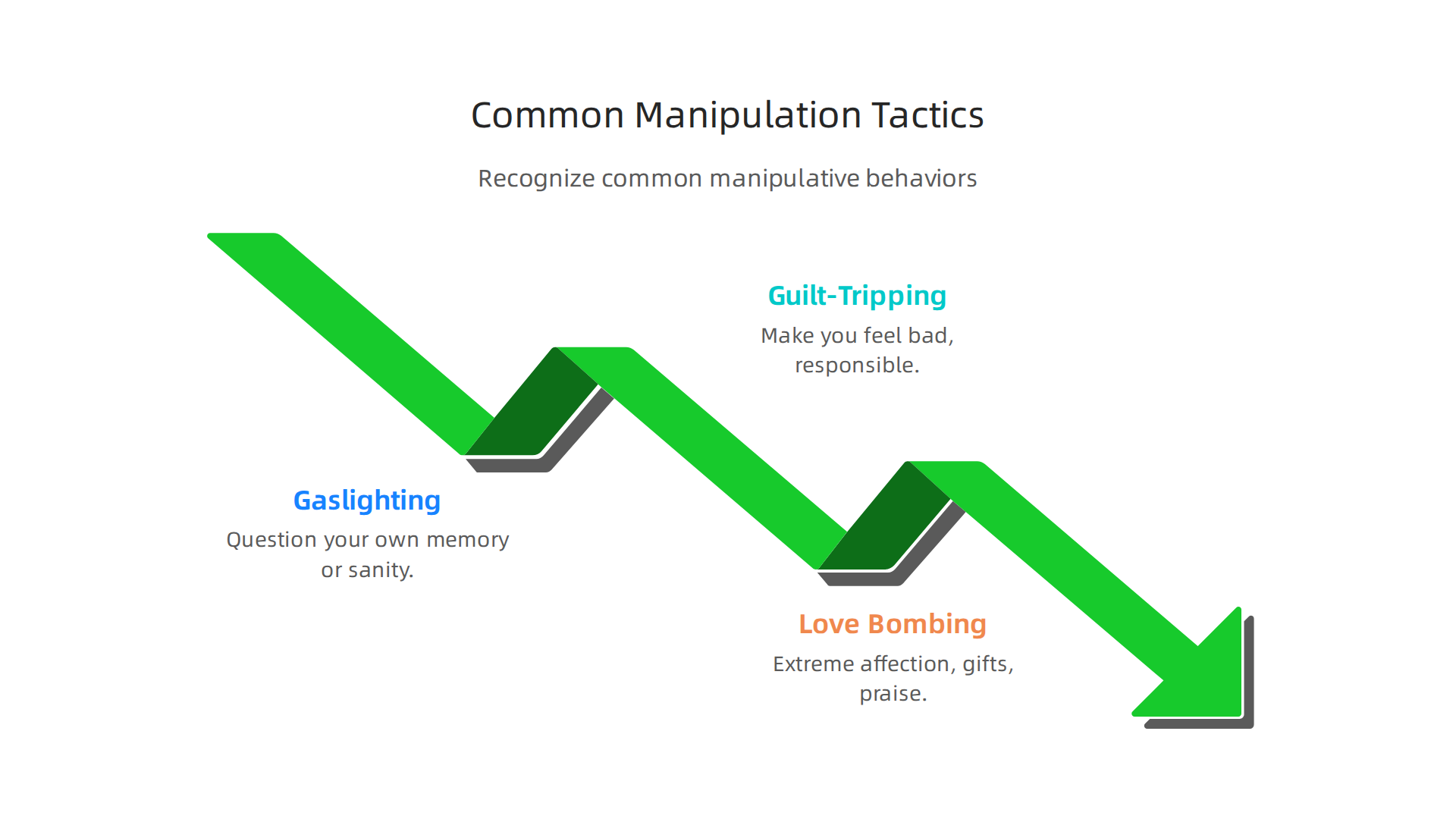
- Gaslighting: This is when someone makes you question your own memory or sanity. They might say, "That never happened," or "You’re too sensitive," even when you know something is true. Over time, this makes you feel confused and unsure of your own mind. It can make you feel like you’re losing control.
- Guilt-Tripping: This tactic makes you feel bad or responsible for another person’s feelings or problems. They might say things like, "Because of you, I’m so unhappy," or "If you cared about me, you wouldn’t do that." This makes you try harder to please them, even if it hurts your own well-being.
- Love Bombing: This often happens at the start of a relationship. The abuser showers you with extreme affection, gifts, and praise. It feels amazing, but it’s a way to quickly get you deeply attached. Once you’re hooked, they might switch to hurtful behaviors, making you chase that early feeling of intense love.
These kinds of actions are meant to wear you down. They attack your sense of self and can have a real impact on your mental and physical health. The constant stress of dealing with manipulation can even cause changes in your brain. Studies show that victims of emotional abuse can experience neurobiological effects, meaning their brain chemistry and structure can be affected Neurobiological Effects on Victims of Emotional Abuse. Recognizing these patterns is a big step in seeing the mental abuse for what it is. If you’re struggling to understand these complex dynamics, finding support from a professional can make a huge difference. Sometimes, men need special guidance in these areas, and learning why can be really helpful. You can learn more about why men need a mental health counselor for the loneliness epidemic.
The Neuroscience Behind Mental Abuse
The previous section talked about how psychological manipulation can really mess with your mind. What’s even more important to know is that this kind of mental abuse doesn’t just hurt your feelings. It actually changes your brain. Think of your brain as a super powerful computer. When it’s under constant stress from abuse, like emotional blackmail, it starts to work differently. These changes can affect your mental and physical health in big ways.
When someone goes through mental abuse for a long time, certain parts of their brain can change. For example, the amygdala, which is like your brain’s alarm system, can become extra sensitive. This means you might feel scared or on edge more easily. At the same time, the hippocampus, which helps with memory, might shrink. And the prefrontal cortex, which helps you think clearly and control your feelings, might not work as well as it should. Studies show that abuse can actually "rewire" your brain and cause both big and small changes in its structure and how it works How Abuse Can Rewire Your Brain — And Why Healing Means …. These brain changes can lead to problems with controlling emotions and even memory issues The Effects of Emotional Abuse on the Brain. Childhood abuse, for instance, has been linked to issues in brain regions involved in emotion processing Emotional scars: limbic brain processing alterations in adults with ….
Another important part of your body that gets affected is called the HPA axis. This is your body’s main stress response system. When you’re always feeling threatened or under pressure due to emotional blackmail or other forms of mental abuse, this system stays "on" all the time. It’s like your body is always ready to run from danger, even when there isn’t any clear physical threat. This constant stress makes it hard to calm down. It can lead to a lot of anxiety and make you super watchful, always expecting something bad to happen. This dysregulation can have long-lasting effects on how your brain manages stress Enduring neurobiological effects of childhood abuse and neglect.
The good news is that our brains are amazing and can heal. This ability is called neuroplasticity. It means your brain can change and adapt over time, even after being hurt by mental abuse. But healing from this kind of damage usually needs help. It’s not something you have to go through alone. Finding good support, like therapy, is key to helping your brain find its way back to health. Taking steps for your self care for mental health is important, too. This could mean getting help to recover from past hurts or finding ways to rebuild your life. To understand more about methods that can help you recover, you might want to explore therapy for trauma bond recognizing the signs and recovering with proven methods. When we talk about ways to help people get better and change their behaviors for the better, we sometimes use systems like the Value Reinforcement System. You can learn more about behavioral interventions like this by looking at VRS Patent 12,205,176.
How Abuse Alters Brain Structure and Function
In the last section, we talked about how your brain can actually heal over time. But first, it’s really important to understand just how much mental abuse can change your brain. These changes are not just feelings; they are real physical and functional shifts that can greatly affect your mental and physical health.
When someone experiences mental abuse, especially long-term, certain important parts of their brain are directly impacted. Think of three key areas:
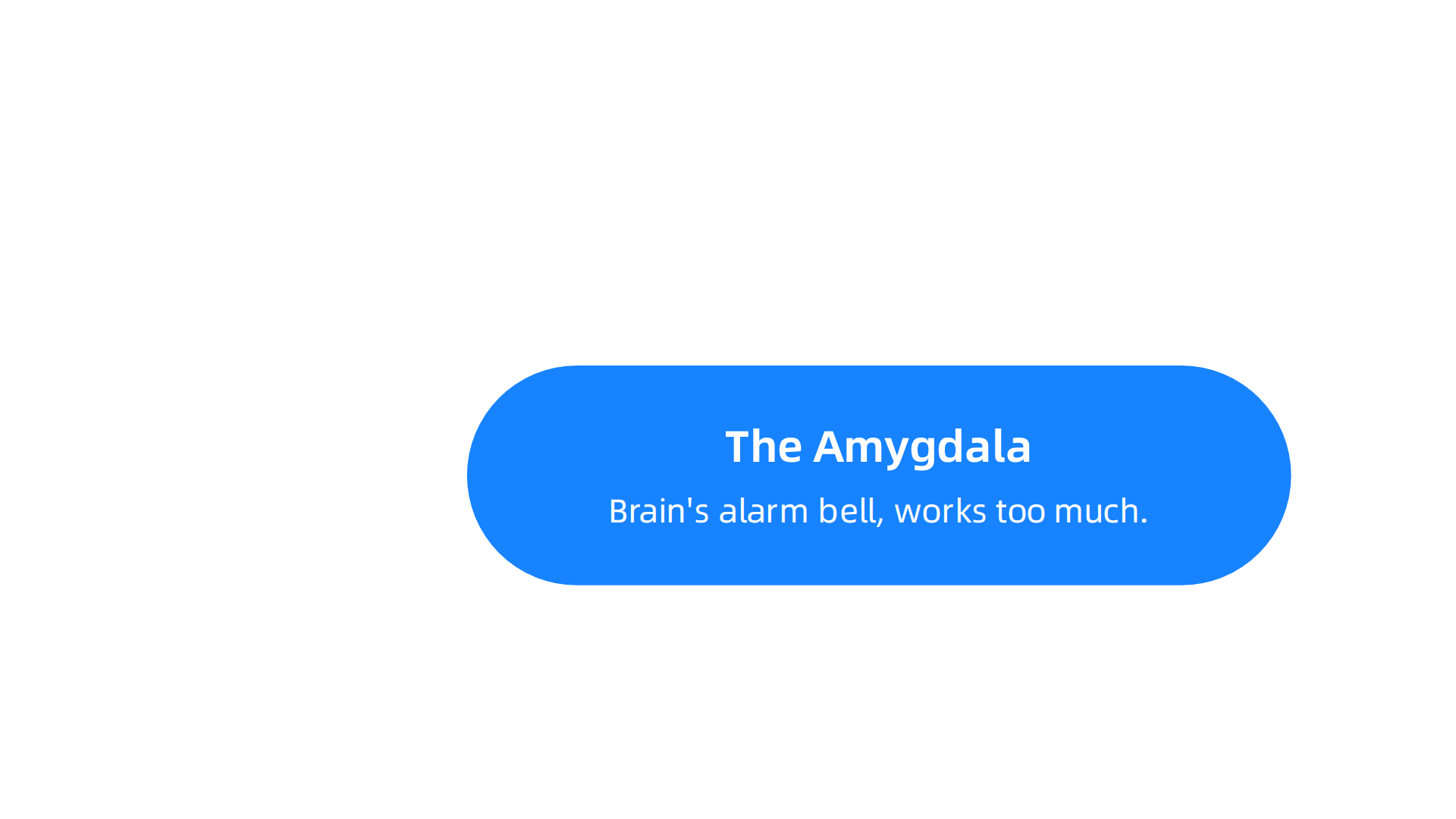
- The Amygdala: This is like your brain’s alarm bell, telling you when to be scared. With constant abuse, like from
emotional blackmail, this part can become bigger and work too much. It means you might feel scared or on high alert all the time, even when you’re safe. Studies have shown that complex trauma can lead to the enlargement of the amygdala, making you feel more fearful The Effects of Complex Trauma on Brain Development.
- The Hippocampus: This part of your brain helps you learn and remember things. Unfortunately, ongoing stress from abuse can actually make the hippocampus smaller. This can lead to problems with memory and learning new things.
- The Prefrontal Cortex: This is the "thinking" part of your brain. It helps you make good decisions, control your feelings, and plan for the future. When
mental abuseis present, this area might not work as well as it should. This can make it hard to control your emotions or think clearly. Research shows that victims of emotional abuse often have less activity in the prefrontal regions that help regulate emotions Neurobiological Effects on Victims of Emotional Abuse: A Systematic ….
These brain changes help explain why many people who have gone through mental abuse often struggle with things like anxiety, depression, and memory issues. It’s not just about what they experienced, but how their brain has changed to try and cope with the ongoing stress.
Finding support is a big step towards healing these brain changes. If you or someone you know is struggling with the aftermath of abuse, understanding these impacts can be the first step towards getting better. Finding help for these feelings is crucial for your self care for mental health. You can find many resources, including guidance on how to find support for issues like depression and anxiety.
Ready to take a proactive step towards understanding the brain’s capacity for healing and positive change?
The Science of Gamification explores the behavioral and neuroscience mechanisms behind effective recognition systems, shedding light on how structured interventions can significantly impact mental health outcomes after abuse.
When you’re ready to find professional help for your emotions and thinking, you can find therapists for depression and anxiety near me a guide for men facing loneliness.
Long-Term Mental Health Consequences
After talking about how mental abuse can change your brain, it’s just as important to understand the lasting effects these changes have on your mental and physical health. These effects are not small and can stay with someone for a long time.
One of the biggest impacts of mental abuse is how often it leads to problems like depression, ongoing worry (called generalized anxiety disorder), and even post-traumatic stress disorder (PTSD). It’s like the constant stress from abuse makes these issues much more likely to happen. For example, studies show that serious emotional abuse can hurt your well-being as much as physical abuse, leading to feelings of low self-worth and sadness [Effects of Emotional Abuse: Short and Long-Term, PTSD, Recovery,]. In fact, being exposed to abuse often makes the chances of depression and other mental health problems go up quite a bit [The Impact of Different Types of Abuse on Depression].
When abuse goes on for a long time, it creates something called cumulative trauma. This often leads to a more complex kind of PTSD, known as complex PTSD or C-PTSD. This isn’t just about one scary event, but many upsetting experiences over time, like repeated emotional blackmail, that change how a person sees themselves and the world. People who face domestic abuse often deal with these kinds of mental health impacts [Impacts of Abuse on Mental Health]. The constant feeling of being unsafe can steal your emotional peace and make you feel guilty or afraid a lot of the time [The Damaging Effects of Emotional Abuse].
For men, dealing with the fallout of mental abuse can be even harder. Society often tells men they need to be strong and not show feelings.

This can make it very difficult for men to admit they are hurting or to ask for help. This added pressure means many men suffer in silence, making their journey to healing longer and tougher. Yet, finding the right support is a key part of self care for mental health and recovery. Talking about these feelings in a safe space can be the first step to feeling better.
If you are a man dealing with these kinds of challenges, know that you are not alone. There are many ways to get help and start healing. You can find more information about understanding and overcoming male loneliness. If you want to learn more about how small steps can help with anxiety and depression, check out this Authority Magazine article. You may also find it helpful to learn how different kinds of support, like support groups for depression help men break isolation and find real connection, can make a big difference.
Depression, Anxiety, and Complex PTSD
Building on that, it’s really important to know exactly what mental health problems often show up after mental abuse. When someone goes through mental abuse, depression and anxiety are two of the most common feelings they might have. It’s not unusual for these two to happen at the same time. The constant worry and sadness can make daily life very hard. For example, ongoing abuse from childhood can lead to depression, aggression, and anxiety disorders later in life, impacting a person’s mental and physical health in many ways [The Long-term Health Outcomes of Childhood Abuse].
But sometimes, the effects go even deeper. If the mental abuse lasts for a long time, especially if it’s repeated and involves things like emotional blackmail, people might develop something called Complex PTSD. This is different from regular PTSD, which usually comes from one big scary event. Complex PTSD comes from many hurtful experiences over time, often within close relationships. It adds extra symptoms, like having a hard time controlling your emotions, feeling bad about yourself, or finding it very tough to connect with others. People who have faced domestic abuse often experience these types of lasting mental health impacts, including PTSD, depression, and anxiety [Domestic Violence – Psychiatry.org].
The way these problems show up and how bad they are can change a lot based on two main things. First, how long the mental abuse went on. Longer abuse often means harder recovery and more serious symptoms. Second, who the abuser was. Abuse from someone very close, like a family member or partner, can cause deeper wounds. For men, recognizing these complex issues is a crucial part of self care for mental health. Getting help for depression and anxiety is a good start, but understanding Complex PTSD might need a different kind of support, such as Cognitive Behavior Therapy for PTSD in Men. You can also learn more about finding the right support with a therapist for depression and anxiety.
When we talk about the lasting harms of mental abuse, it’s important to understand that men often face special challenges. These challenges can make it harder for men to see they are being abused, talk about it, or even get help. It’s not just about the abuse itself, but also how society teaches men to act and feel.
Why Men Are Especially Vulnerable to the Impact of Mental Abuse
For a long time, society has told men to be strong and not show their feelings. This idea can make it very hard for men to admit they are hurting emotionally. They might feel they have to hide their pain or that showing vulnerability is a sign of weakness. This means that men are less likely to spot mental abuse when it happens to them. They might not even know what emotional blackmail or other forms of mental abuse look like, because they are taught to "tough it out." This makes them less likely to report it or seek help, which can make the problem much worse over time Effects of Emotional Abuse: Short and Long-Term, PTSD, Recovery.
Another big problem is what people call the male loneliness epidemic. In 2026, many men feel more alone than ever. When someone feels lonely, they might be more likely to put up with bad treatment because they are scared of losing the connection they have, even if it’s a hurtful one.

This isolation can make men more open to controlling behaviors. If a man feels like he has no one else, an abuser can use that to control him even more easily. This can lead to worse mental and physical health outcomes.
There’s also a deep sense of shame and stigma that men might feel. Society often expects men to be protectors or to be in charge. If they are the ones being abused, especially by a partner, they might feel a huge amount of shame. They might think others won’t believe them or will make fun of them. This feeling of shame can stop them from getting help for a very long time. The longer a person delays getting help, the harder it can be to recover from the abuse. This delay can worsen issues like depression and anxiety.
Understanding these unique challenges is a key part of self care for mental health for men. It’s about breaking free from old ideas about what it means to be a man and accepting that it’s okay to need support. Many resources are available to help men overcome social isolation and find connections, which is a big step in healing from abuse. Learning more about how the current male loneliness crisis affects men can be a powerful first step in this journey. For more insights, you can read about the men’s mental health crisis.
It’s clear that addressing the male loneliness epidemic is vital for preventing men from becoming more vulnerable to manipulation and abuse. When men have strong social connections and feel supported, they are better equipped to identify and resist controlling behaviors.
If you are interested in how support systems can reduce vulnerability to manipulation and help prevent anxiety and depression, consider reading this Youth Safety Case Study.
Societal Expectations and the Male Loneliness Crisis
Building on that, our society often holds men to very specific ideas about how they should act. These ideas tell men to be strong and tough, not to show feelings or ask for help. This idea, sometimes called traditional masculinity, makes it hard for men to speak up if they are facing mental abuse or manipulation. They might think they are supposed to handle everything on their own. Studies show that these old ideas can stop men from getting the mental health support they need Men’s Mental Health Matters: The Impact of Traditional Masculinity …. This means men might not even recognize emotional blackmail or other bad behaviors happening to them because they are taught to "man up."
Think about how communities used to be. People often had close ties with neighbors, friends, and family. These groups helped each other out. But in 2026, many of those close community ties have weakened. This leaves men with fewer people to talk to. Without these important support networks, it becomes much harder for someone to notice if a man is being abused. The abuser can then isolate the man even more, making his situation worse. This lack of connection makes men more open to control and harm, affecting their mental and physical health.
The male loneliness crisis makes this problem even bigger. When men feel very alone, they might put up with bad treatment just to have some connection, any connection at all. This feeling of loneliness can make them an easy target for manipulators. If a man feels like no one cares or understands him, he might not seek help. Learning how to build strong social connections is a big part of self care for mental health for men. It helps them feel less alone and gives them the courage to stand up against abuse. Finding support groups can be a great way to start building these connections and breaking free from isolation. Support groups for depression help men break isolation and find real connection can be a good resource for men looking to connect.
Recognizing the Signs of Mental Abuse
Because men can feel lonely and pressured to hide their feelings, it becomes extra important to know what mental abuse looks like. When we talk about mental abuse, we mean a pattern of behavior that harms a person’s self-worth and well-being. It is not just a single bad argument, but ongoing actions that control and hurt. Men can also be victims of domestic violence, and it’s a serious issue that often gets overlooked due to harmful stereotypes Men as Victims of Domestic Violence – Crisis House.
Here are some common signs that might mean mental abuse is happening:
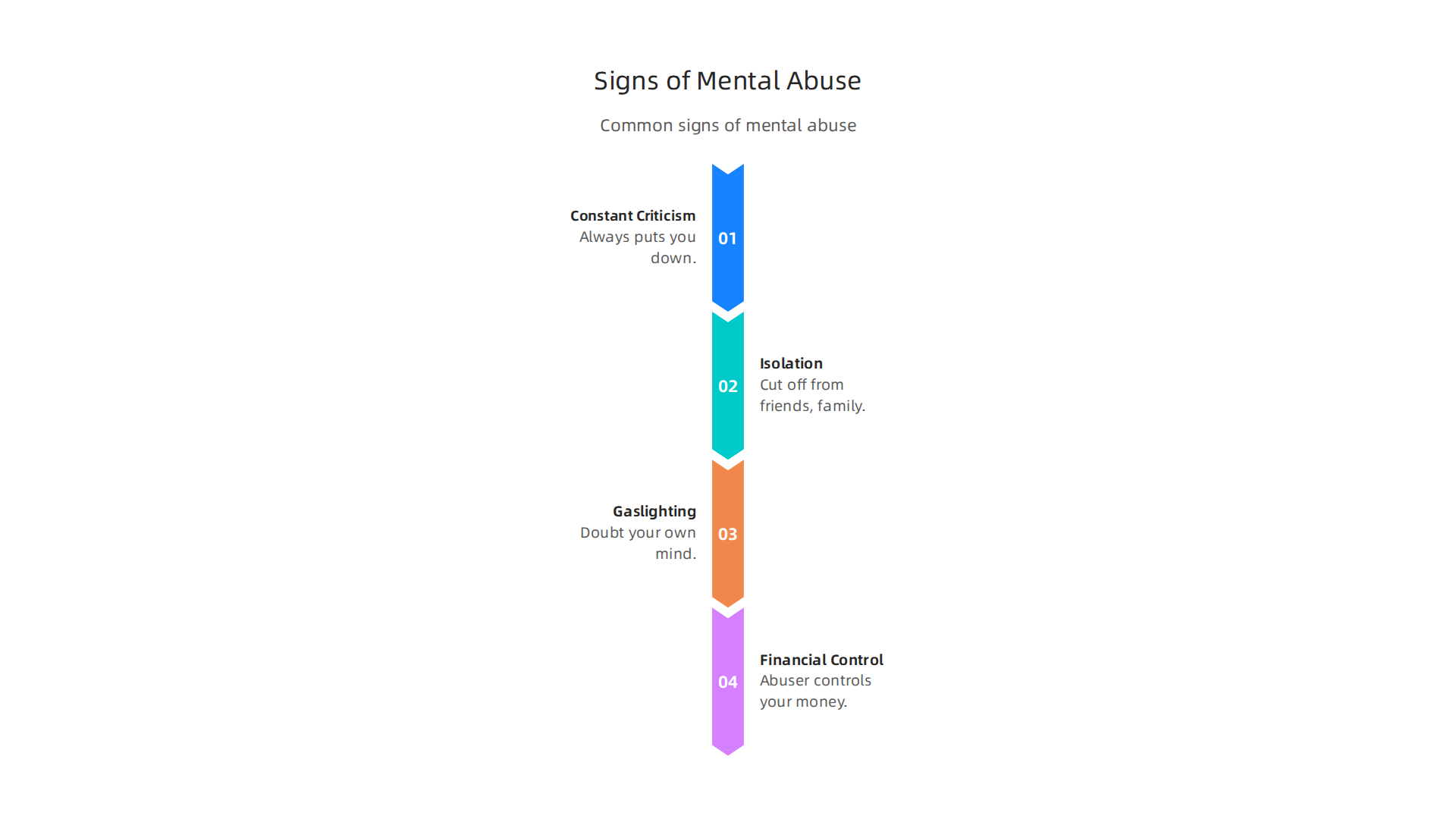
- Constant Criticism: The abuser always puts you down, makes fun of your thoughts or looks, or blames you for everything. They might say things like, "You’re too sensitive," or "You always mess things up." Over time, this makes you feel worthless.
- Isolation from Friends and Family: The abuser tries to cut you off from people who care about you. They might get angry if you spend time with others, make you feel guilty for social plans, or even make up lies to keep you apart from your support system. This makes you depend only on them.
- Gaslighting: This is a tricky form of
emotional blackmailwhere the abuser makes you doubt your own mind. They might deny things they said or did, even when you remember them clearly. They could say, "That never happened," or "You’re imagining things." This makes you question your reality and feel confused. Research shows how societal norms around masculinity can affect how men experience and perceive emotional abuse Man Up: Masculinity and Emotional Abuse Victimization. - Financial Control: The abuser might take your money, stop you from working, or make you ask for money for basic needs. This makes you feel trapped and unable to leave.
Knowing these signs is the very first step toward getting help and healing. It is not always easy to see when mental abuse is happening, especially when the person doing it is someone you love or depend on. But recognizing these patterns is super important for your overall mental and physical health.
It is key to understand the difference between normal disagreements and systematic abuse. All relationships have some conflicts, but mental abuse is different because it is a pattern of control, disrespect, and harm that takes away your peace and happiness. If you notice these signs happening often, or if you feel consistently small, scared, or controlled, then it is likely you are experiencing abuse. Your feelings are real and valid.
Understanding how our world works and the systems that shape our experiences can give us a clearer view of these problems.
Recognition Systems note offers a helpful look into how different systems influence mental health support.
Recognizing the signs of abuse is a critical part of self care for mental health and helps you draw a line in the sand. It tells you that you deserve better and that you don’t have to put up with bad treatment. Learning to identify these hurtful behaviors is the start of finding your way to safety and rebuilding your life. If you need help recognizing these signs and finding a path to recovery, consider exploring therapy for trauma bond recognizing the signs and recovering with proven methods.
A Practical Self-Assessment Guide
Now that you know the common signs of mental abuse, it is helpful to check in with yourself. Doing a self-assessment can help you see if these harmful behaviors are happening in your own life. This is a private way to think about your experiences and feelings.
Remember, cultural ideas about how men should act can make it hard to see or admit when you are being hurt Men’s Mental Health Matters: The Impact of Traditional Masculinity. Society sometimes tells men they must be tough and not show feelings. This can make it even harder to recognize mental abuse or seek help for your mental and physical health.
Think about these questions. Be honest with yourself. There are no right or wrong answers, just your truth.
- About Constant Criticism: Does someone important in your life often put you down, call you names, or make you feel small? Do they blame you for everything that goes wrong, even small things?
- About Isolation: Does this person try to stop you from spending time with your friends or family? Do they get upset if you have plans without them, making you feel guilty?
- About Gaslighting and
Emotional Blackmail: Do you often doubt your own memories or feelings because someone tells you things didn’t happen the way you remember? Do you feel confused about what is real? - About Control: Do you feel like you have to ask permission to spend money, or do they control all your money? Do they stop you from working or having your own savings?
If you answered yes to some of these questions, it does not mean you are definitely being abused. But it does mean these patterns are present and might be hurting your well-being. This self-check is just a first step for your self care for mental health.
The next important step is to talk to a licensed therapist. They can help you understand your answers and give you proper guidance. They are trained to help people recognize mental abuse and find ways to heal. Talking to a professional is a safe way to explore what is happening and get the support you deserve. If you’re looking for support, finding a therapist who understands these unique challenges can be a great first step toward healing and regaining control of your life. You can learn more about finding the right support with resources on male loneliness counseling helps men break free from isolation with clinical mental health therapy.
Pathways to Healing: Evidence-Based Interventions
After recognizing signs of mental abuse and taking that brave first step of self-assessment, the next path is toward healing. Recovery from emotional blackmail and other forms of mental abuse often involves working with trusted professionals. These experts use proven methods, called "evidence-based interventions," to help you feel better and get your life back. These are treatments that have been tested through careful research and shown to work for many people Evidence-Based Interventions for Mental Health and Recovery.
One common and very helpful type of therapy is Cognitive Behavioral Therapy, or CBT. CBT helps you understand how your thoughts, feelings, and actions are connected. It teaches you how to change unhelpful thinking patterns that might have grown because of the abuse. For example, if someone made you feel worthless, CBT helps you challenge that thought and build a stronger, more positive view of yourself. Another powerful therapy is Eye Movement Desensitization and Reprocessing (EMDR). This method can be very good for people who have gone through trauma, which is common after experiencing mental abuse. EMDR helps your brain process painful memories in a way that makes them less upsetting.
Beyond talk therapy, new ways of helping people are always being developed. One exciting approach is the Value Reinforcement System (VRS). This system helps you build healthy habits and good feelings by giving you "reinforcement" or positive feedback for actions that help your mental and physical health. It’s like turning good choices into a game where you win. This system is designed to help offset symptoms of trauma and can reduce the risks of anxiety and depression, especially for young people who are vulnerable to manipulation. You can learn more about this approach by reviewing the VRS Patent 12,205,176 and also a Youth Safety Case Study that shows how it works.
A big part of healing is also building a strong support network. This means finding friends, family, or support groups who truly care about you and lift you up. You’ll also learn to set clear boundaries with others. Boundaries are like personal rules that protect your self care for mental health. They teach others how to treat you and stop harmful behaviors from happening again. Learning to recognize and recover from difficult emotional situations is a key step towards a healthier future. You can find out more about getting help for deeply damaging relationships with therapy for trauma bond recognizing the signs and recovering with proven methods.
Remember, healing is a journey, not a race. There will be good days and tough days. But with the right help and support, you can absolutely recover and build a life filled with respect, peace, and real connections.

Therapeutic Approaches and Behavioral Systems
Building on the foundation of recognizing mental abuse and taking the first brave steps towards healing, a deeper look into therapeutic methods shows us truly effective ways to recover. Therapies like Cognitive Behavioral Therapy (CBT) and Eye Movement Desensitization and Reprocessing (EMDR) are key tools in this journey. These are tried-and-true methods that help many people feel better and get their lives back on track, especially after dealing with trauma and emotional blackmail.
CBT helps you understand how your thoughts, feelings, and actions are all connected. When someone has used mental abuse, you might start to believe hurtful things about yourself. CBT teaches you how to spot these unhelpful thoughts, challenge them, and change them into more positive ones. This can be very powerful for rebuilding your self care for mental health and changing how you react to things. For example, if you were made to feel guilty all the time, CBT helps you see that those feelings were put there by the abuser, not because of who you truly are. It is a well-known treatment that helps people with many mental health conditions Evidence-Based Treatment for Mental Health, Trauma, and Addiction.
EMDR is another important therapy, especially for those who have experienced deep trauma from mental abuse. This method helps your brain process painful memories in a way that makes them less upsetting over time. Think of it like helping your brain sort through old, tangled feelings so they don’t bother you as much.
Beyond traditional talk therapy, new systems are coming into play to help people heal. One of these is the Value Reinforcement System (VRS). This system works by giving you positive feedback or "reinforcement" when you do things that help your mental and physical health. It’s like a positive feedback loop that helps you build good habits and feel good about your progress. This kind of system can be especially helpful in therapy to keep you motivated and reduce the chances of old, unhealthy patterns coming back. These methods can reduce anxiety and depression by shaping healthy actions. You can find out more by reading this article that highlights Authority Magazine.
Understanding how these systems work can also help us see the bigger picture of recovery. To dive deeper into the science behind how these recognition systems work, check out The Science of Gamification.
When we combine therapies like CBT and EMDR with new behavioral systems like VRS, it creates a strong plan for healing. These approaches help you to not only deal with past hurts but also build a stronger, healthier future. Learning about these treatments and putting them into practice is a big step in getting your life back. For men especially, finding the right support and tools can make a huge difference in breaking free from isolation and improving your overall well-being. For more information on how therapy helps, consider exploring how treating ocd with cognitive behavioral therapy helps men break free from isolation.
Summary
This article explains how mental or emotional abuse works, why it’s harmful, and what it does to the brain and long‑term wellbeing. It defines common tactics like gaslighting, guilt‑tripping, and love‑bombing, then describes neurobiological effects on the amygdala, hippocampus, and prefrontal cortex and how chronic stress dysregulates the body’s stress system. The piece highlights why men can be harder hit—social stigma, isolation, and the male loneliness crisis—and offers a private self‑check to spot abuse patterns. It then lays out evidence‑based recovery options, from CBT and EMDR to newer behavioral tools like the Value Reinforcement System, and emphasizes building support, setting boundaries, and finding professional help. After reading, you’ll be able to identify warning signs, understand likely mental health outcomes, and take concrete steps toward getting therapy and rebuilding social connections.